
🫐 Marlberry
What it looks like
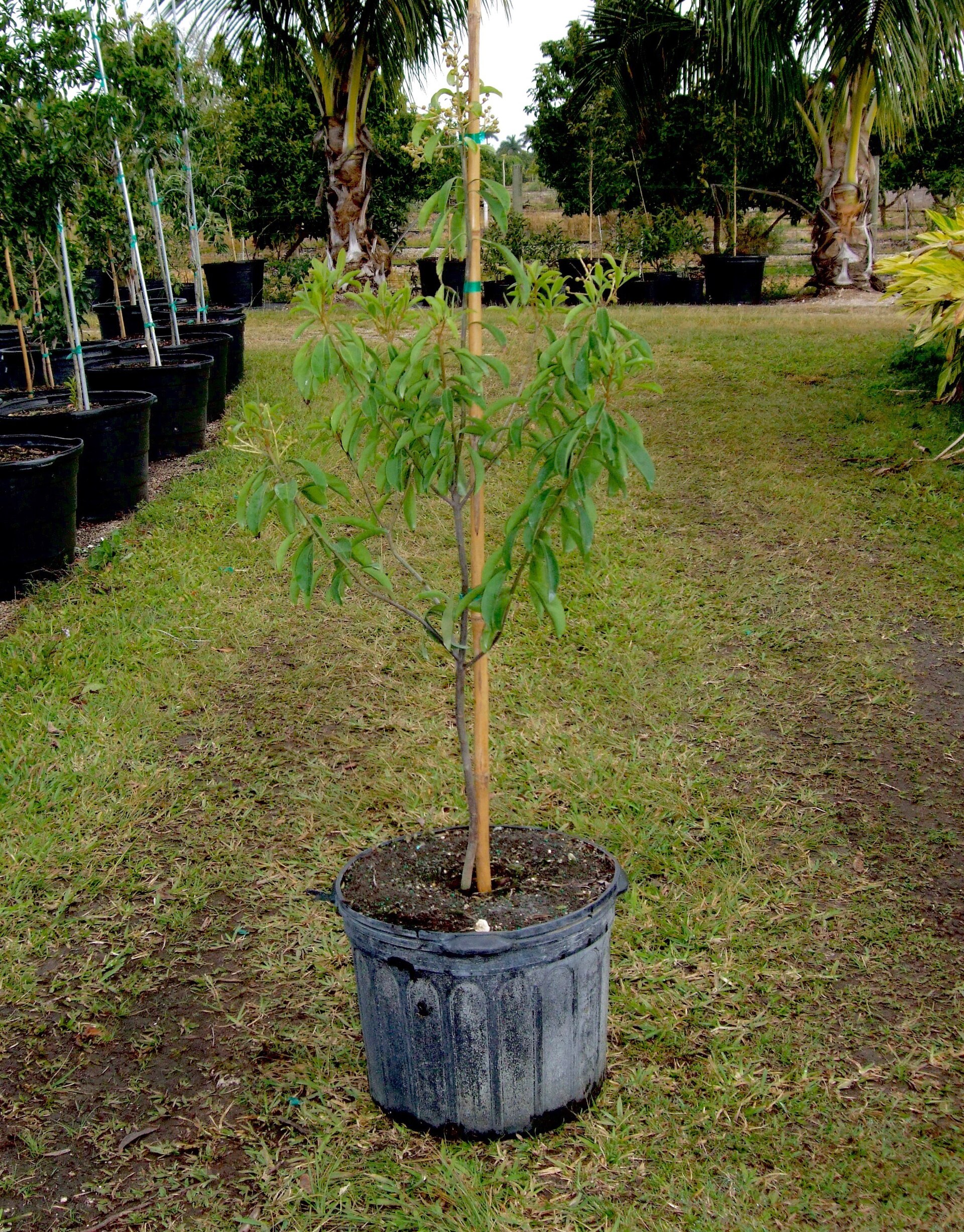
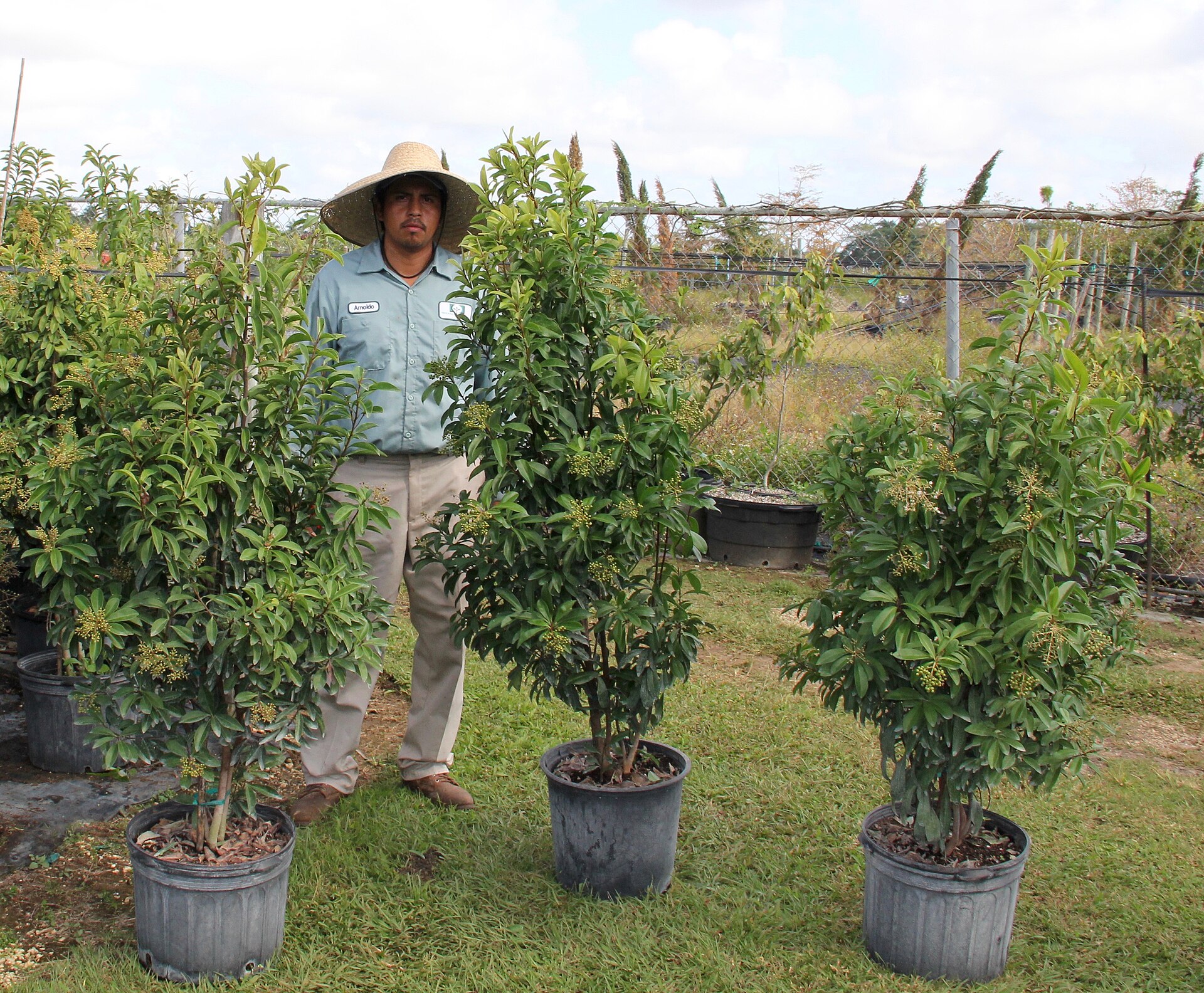
Marlberry is an evergreen shrub or small tree with glossy, leathery leaves and a tidy, upright habit. In spring it carries sprays of small white to pinkish flowers, and by fall and winter those become dark purple to black berries that hang in clusters and feed birds through the lean months.
In a garden it typically reaches 8 to 15 feet if left alone, but it takes pruning well and can be kept as a large shrub or a small multi-stemmed tree. Its leaves stay green through winter, which makes it a backbone plant for a shady native border rather than a one-season wonder.
Why this variety
Choose marlberry when you want a native shrub that handles shade, limestone soil, and coastal conditions without drama. It is a hammock plant by nature, so it belongs under live oaks and along the shady edges of a yard where sun plants fail.
It is also a winter-interest plant in a state where winter interest is usually just green leaves. The dark berries against glossy foliage carry the garden from fall into spring, and they do it while feeding birds, which is the best kind of winter decoration.
How to grow
Plant in part to full shade in well-drained soil, in fall or spring. Marlberry tolerates sandy and limestone soils and some salt, but it does not like standing water. Dig a hole twice the pot width, water deeply, mulch, and give it room to reach its natural width rather than shearing it from day one.
Prune after fruiting if you need to control size, cutting back to a side branch. It can be limbed up into a small tree form over time, or kept as a dense shrub by heading back the tallest stems each spring.
Water & feeding
Water deeply once or twice a week while it establishes, then water in dry spells. Once rooted, marlberry is fairly drought tolerant for a hammock plant, but it looks fuller and fruits better with even moisture.
Feed with compost in spring. In limestone soil, do not chase a low pH with acidifiers: marlberry is adapted to the alkaline soils of south Florida rocklands, and it will grow better if you let it be alkaline.
Common problems
Freeze damage: marlberry is a south Florida plant and will be damaged by hard freezes. In central Florida, plant it in a sheltered spot and accept that a hard winter may cut it back.
Confusion with shoebutton ardisia: the invasive Ardisia elliptica looks similar but has different berries and a more aggressive habit. Buy marlberry from a native nursery by its scientific name and check the label.
Slow start: marlberry can be slow to establish in its first year. Water it through dry spells and do not judge it until its second year.
Berries and people: the berries are for birds. Do not eat them.
Harvest
There is no human harvest. The harvest is the fall and winter berry show and the birds that come with it, plus year-round evergreen structure in shade.
Leave the berries on the plant through winter, when birds need them most. Pruning after the birds have finished gives you a tidier shrub and does not waste the crop.
Browse all plant & pest guides
Saving seeds
Marlberry is a Florida native hammock shrub, and its seed saving is the seed saving of a wild plant: dark berries, fresh sowing, and no patience for storage.
The berries ripen in fall and winter, turning dark purple-black. Wait until they are fully dark and soft, then pick them by the handful, mash them gently in a bowl of water, and rinse the pulp away. The seed sinks and the pulp floats, which makes cleaning simple. Dry the seed on a tray for a few days before sowing it.
Sow the seed fresh, the same season you collect it. Marlberry seed does not store well; it dries out and loses viability, so do not save it for a project next month. Sow barely covered in moist, humus-rich mix in part shade, and be patient. Germination is uneven and slow, sometimes taking months, and not every seed will come up. That is normal. Prick the seedlings out once they have a few true leaves and grow them on in pots before planting out.
Cuttings are the reliable route to more plants that are exactly like the parent. Semi-hardwood cuttings taken in warm weather root readily, and a cutting is a clone of its parent. Seed is the route to new genetics and to sharing plants with friends, and it is the route that costs nothing. Both work. Cuttings are certain, seed is an adventure.
Florida is marlberry country. The shrub thrives in shade, limestone, and neglect, and it feeds birds all winter. The seed you save is next year’s hammock, and it costs nothing. Just remember to leave some berries for the birds, since they are the reason the plant exists in the first place.