
🌸 Marshmallow
What it looks like
How to grow
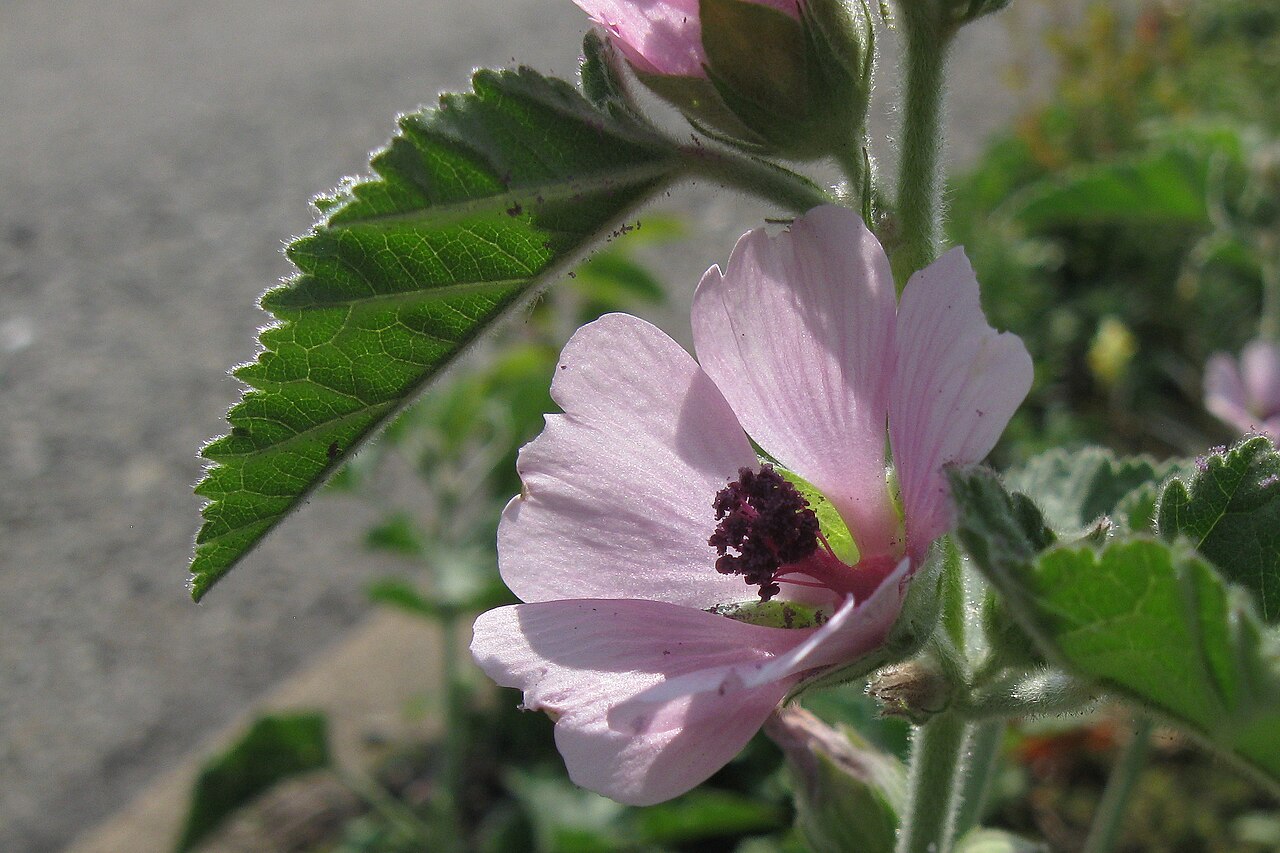
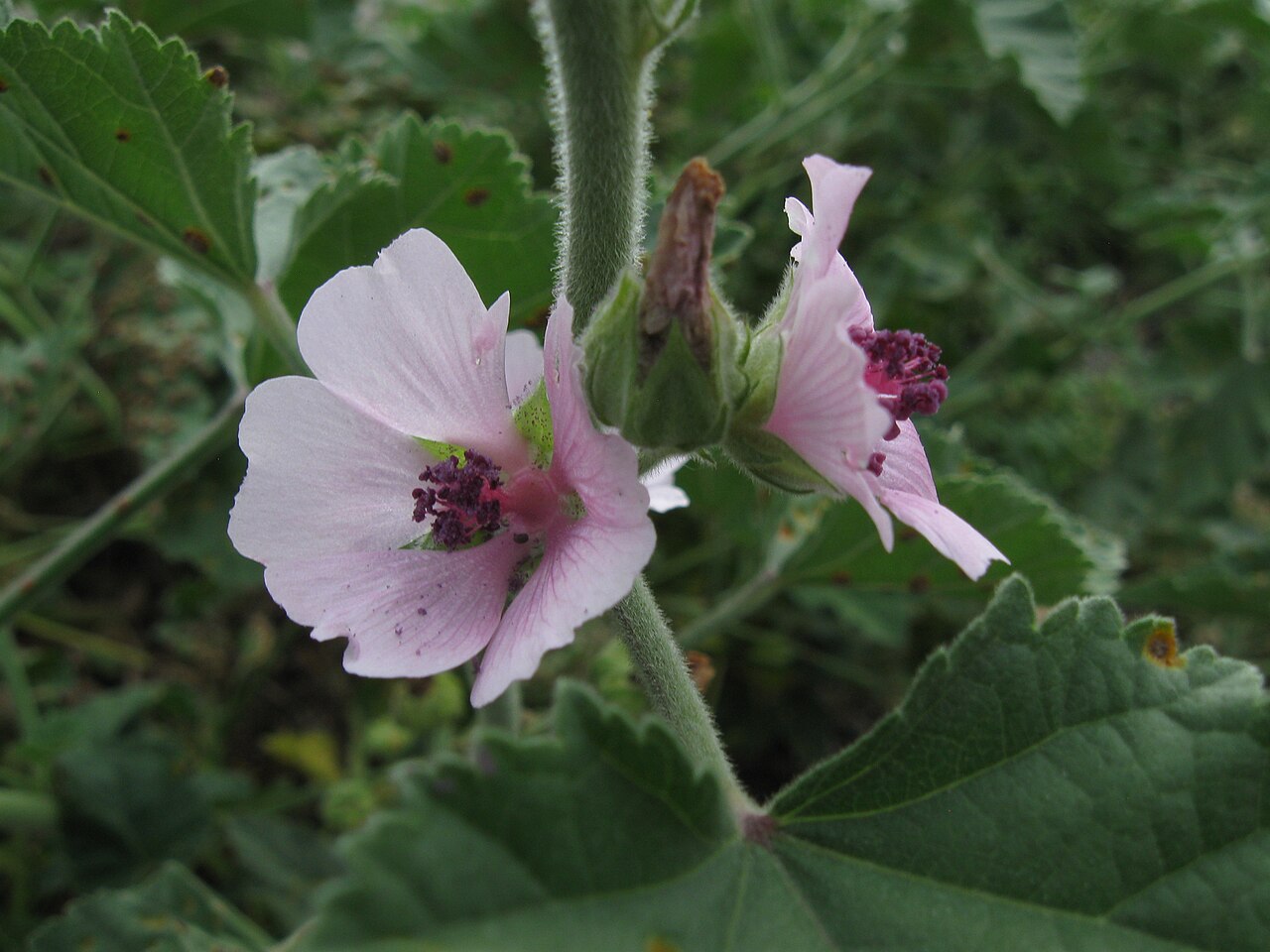
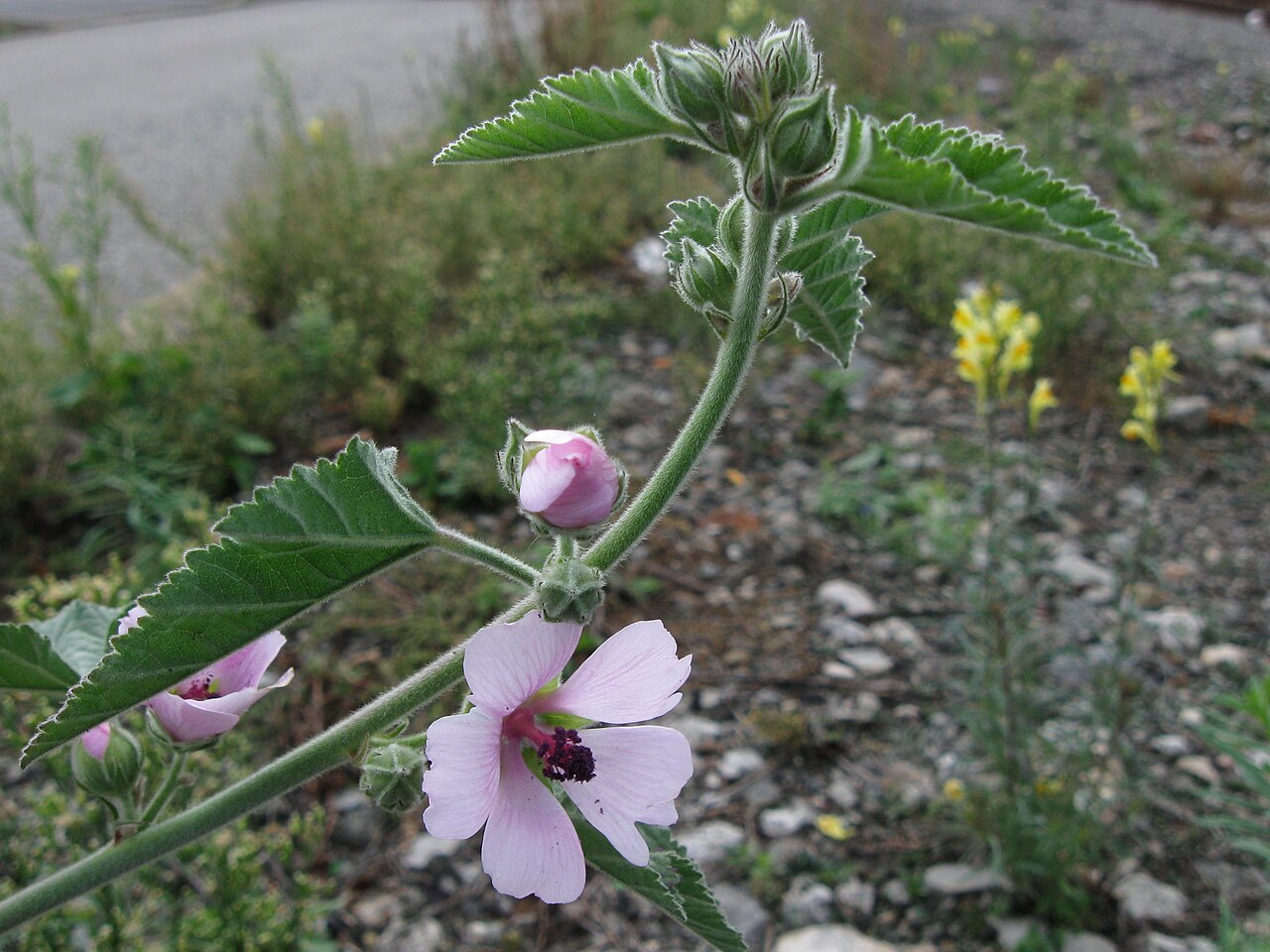
Marshmallow is a tall, soft-leaved perennial, 3-5 feet, with velvety, gray-green leaves and pale pink, hollyhock-like flowers in late summer. Start from seed in spring (soak overnight to help germination) or from divisions in spring or fall, and plant in full sun to part shade in moist, rich soil — marshmallow likes damp ground, tolerates salty and heavy soils better than most herbs, and grows happily near a downspout or in a low spot. Give it room: a mature clump is 2-3 feet wide, and the deep taproot means it does not move well once settled. Stake tall flower stalks in windy spots, and cut back after flowering to keep the plant tidy. In hot climates, afternoon shade prevents leaf scorch, and in Florida it is best as a cool-season or container plant rather than a summer perennial.
Water & feeding
Keep soil consistently moist — marshmallow is a wetland-edge plant at heart, and dry soil makes it wilt and go dormant early. Mulch thickly to hold moisture, and feed with compost in spring; it appreciates fertility and rewards rich, damp soil with the tallest stalks. Water deeply in dry spells, especially in the first year.
Common problems
- Drought stress — wilting and leaf scorch are the first signs; water deeply, mulch, and add shade in hot climates.
- Rust on leaves in humid weather — remove affected leaves, improve airflow, and avoid overhead watering.
- Flopping flower stalks — stake early or cut back after the first flush to keep the clump upright.
- Slugs on young leaves in damp spots — hand-pick at dusk; established plants outgrow minor damage.
Harvest
Snip leaves through the season, taking outer leaves first, and dig roots in fall of the second or third year, after the tops die back, using a fork to loosen the deep taproot. Wash roots well and dry thoroughly before storing. This guide is about growing only: marshmallow root has a long traditional use as a soothing, mucilaginous herb, and if you are considering it for health reasons, talk to a clinician first — it can slow absorption of other medicines. In the garden, its value is simpler: a tall, soft, pink-flowered perennial for the damp corner, and a living piece of candy history.
Browse all plant & pest guides
Saving seeds
Marshmallow seed is one of the easiest in the garden to save, and one of the most satisfying, because the fruits look like little cheeses and the seed inside them is built to last.
The fruits ripen over a long season, turning tan and dry. Wait until they feel papery and the seed inside rattles, then pick them by the handful into a paper bag. Crush the dried fruits gently and winnow away the chaff. The seed is round, flat, and hard-coated, and it stores for years if it is truly dry, which makes marshmallow one of the friendliest seeds to keep.
There is no stratification, no scarification, no fuss, though a light nick or an overnight soak speeds germination for older seed. Sow the seed where you want it to grow, barely covered, in spring after the soil has warmed. Germination is quick in warm, moist soil. Self-seeding is vigorous: a marshmallow left to ripen will sow itself into bare ground and moist soil, which is charming in a cottage garden and a nuisance in a tidy bed. Deadhead before the fruits ripen if you do not want volunteers, or let it wander if you have the room.
Division is the reliable route to more plants that are exactly like the parent. Lift an established clump in spring, split it with a sharp spade, and replant. Seed is the route to new genetics and to sharing plants with friends, and it is the route that costs nothing.
Florida honesty: marshmallow is a cool-climate perennial that struggles in Florida heat and humidity. In North Florida it can work in moist soil with afternoon shade; in Central and South Florida it is a short-lived experiment at best. And dry the seed thoroughly before storing it. Florida humidity kills stored seed fast, so a sealed jar with a silica gel packet, kept cool and dark, is the difference between seed that germinates next year and seed that quietly rots.