
🫘 Masterpiece Green Longpod Fava Bean
What it looks like
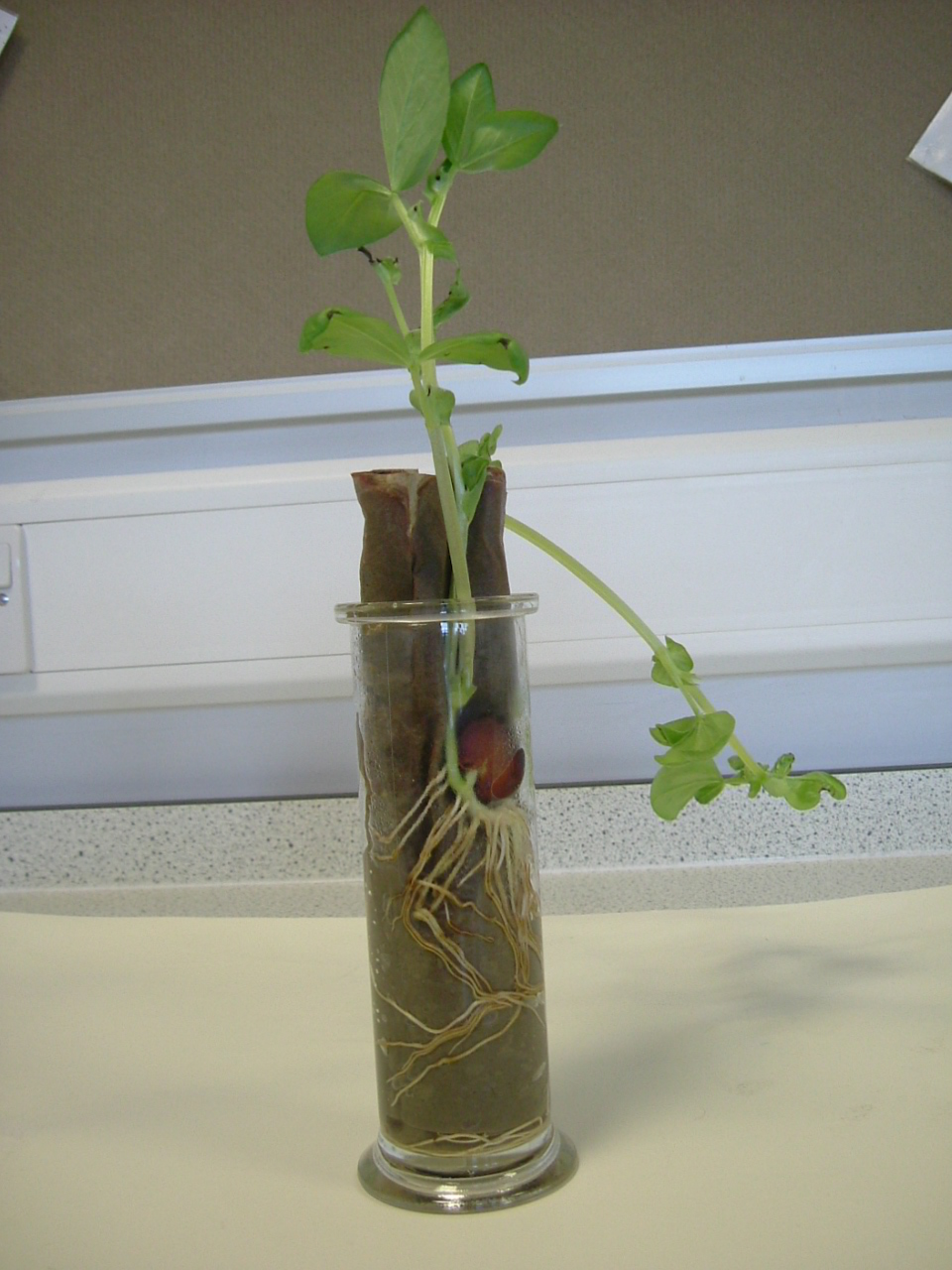
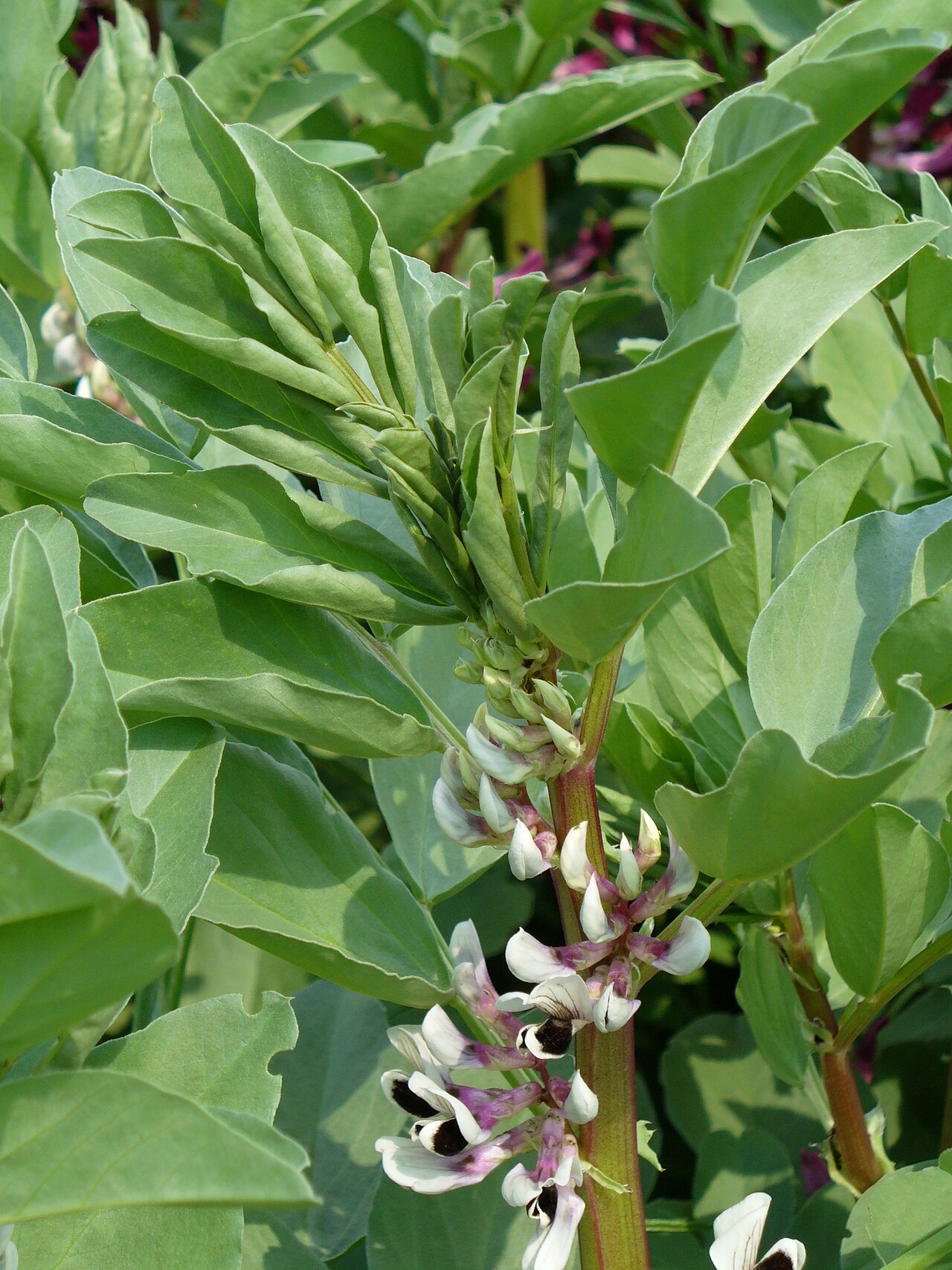
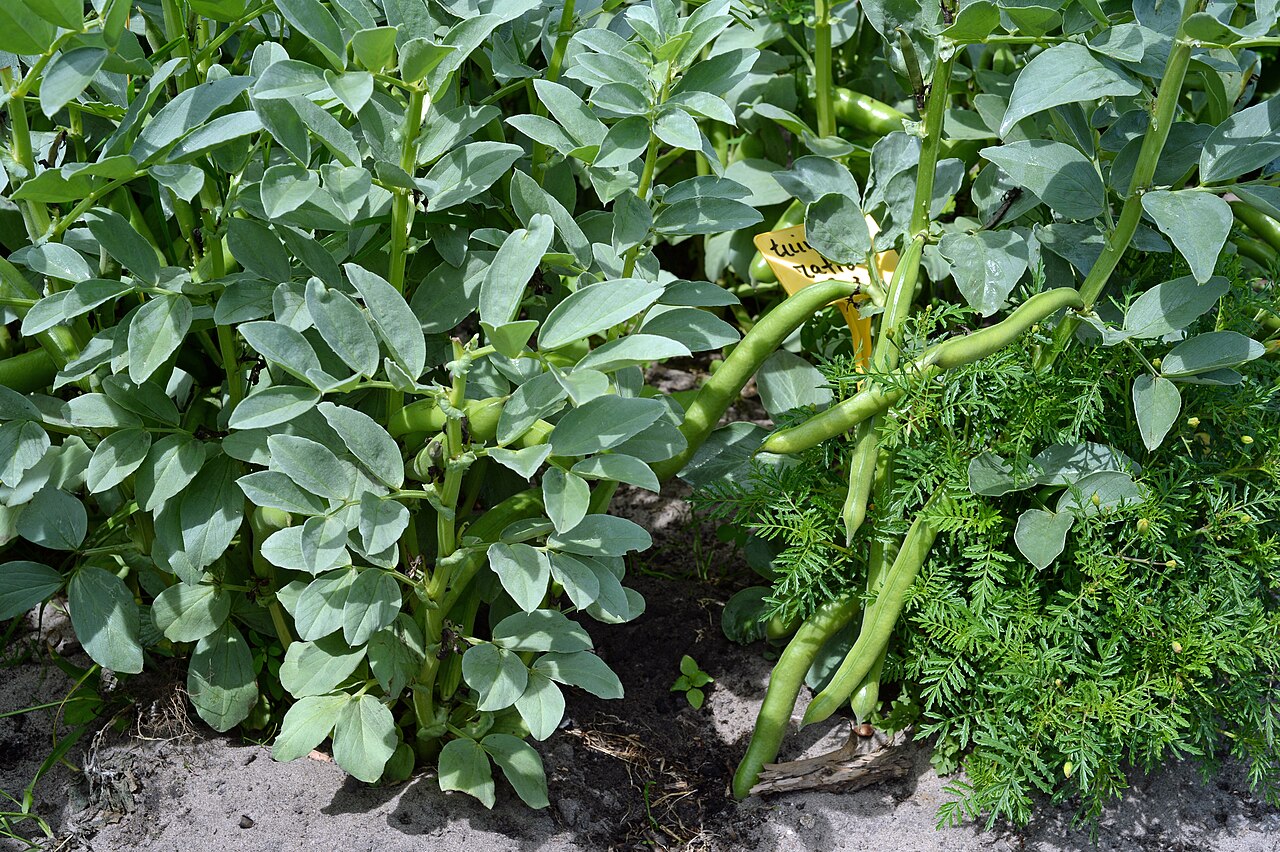
No verified photo of ‘Masterpiece Green Longpod’ itself was found, so the pictures below show the species — the same plant, photographed generally.
Why this variety
Masterpiece Green Longpod is the fava that made long pods a selling point: slender, pale green pods up to 30 centimeters long, well filled with six or seven green beans each, on vigorous plants that stand well. It won the Royal Horticultural Society’s Award of Garden Merit, and it is the variety people mean when they say a broad bean is excellent for deep freezing — the beans hold their quality in the freezer better than most.
The flavor is the other half of the reputation: fine, green-seeded beans with remarkable taste quality, picked young for tenderness. If you have ever shelled a fava and wondered why anyone bothers, Masterpiece is the answer — big pods, plenty of beans per pod, and a harvest that actually justifies the shelling time.
If you have not grown the species before, start with the Fava Bean growing guide for the general picture, then come back here for what makes this variety different.
How to grow
Sow Masterpiece in fall or late winter in Florida, 2 inches deep, 6-8 inches apart in rows 18-24 inches apart, in full sun and rich, well-drained soil. Plants reach about 3 feet tall (up to 1.5 meters in ideal conditions), so give them room and a simple stake-and-string support in windy spots — tall favas lodge, and a lodged fava is a slug hotel.
Work worm castings into the bed at planting for gentle, slow-release nutrition. Pinch out the growing tips once the first pods have set: this deters blackfly and encourages bushier plants, and it is the single most useful fava trick there is. As a legume, Masterpiece fixes nitrogen, so skip nitrogen fertilizer and let the nodules do their work.
Water & feeding
Keep soil evenly moist, about an inch a week, especially when plants are in flower and pods are forming — drought at this stage means small, tough beans. Water at the base; wet foliage in humid weather invites chocolate spot. Mulch to hold moisture and keep the root zone steady.
Common problems
- Black bean aphids on shoot tips — pinch tips once pods have set, blast with water, encourage ladybugs.
- Chocolate spot in wet weather — improve airflow, space plants, avoid working wet plants.
- Rust in humid conditions — rotate beds and remove affected leaves.
- Poor pod set in heat — sow early enough that pods fill before summer heat; in Florida, fall sowing is your best friend.
Harvest
Pick pods from the base of the plant upwards when they feel well filled and the beans inside are still tender, about 90 days from sowing (12-16 weeks). Pick regularly to encourage further cropping. Picked very young, broad beans can be eaten pod and all, topped, tailed, and steamed whole; mature beans are blanched and slipped from their skins. Surplus beans freeze beautifully — which is the whole point of growing a variety famous for it. As with all favas, note the favism caution when sharing: a small number of people with G6PD deficiency can react seriously to fava beans.
Browse all plant & pest guides
Saving seeds
Masterpiece Green Longpod is the fava that made long pods a selling point: slender, pale green pods up to 30 centimeters long, well filled with six or seven green beans each, on vigorous plants that stand well — an old English cultivar from 1894, winner of the Royal Horticultural Society’s Award of Garden Merit, and the variety people mean when they say a broad bean is excellent for deep freezing. As a seed-maintained, open-pollinated cultivar it comes true from seed: let a few pods dry fully on the plant, shell out the beans, and store them cool and dry, then sow in fall or late winter, 2 inches deep, 6 to 8 inches apart. Keep other fava varieties at a distance, since bees cross-pollinate favas. The full method is in the Saving seeds section of the Fava Bean guide.