
🖤 Maxima Scorzonera
What it looks like
Why this variety
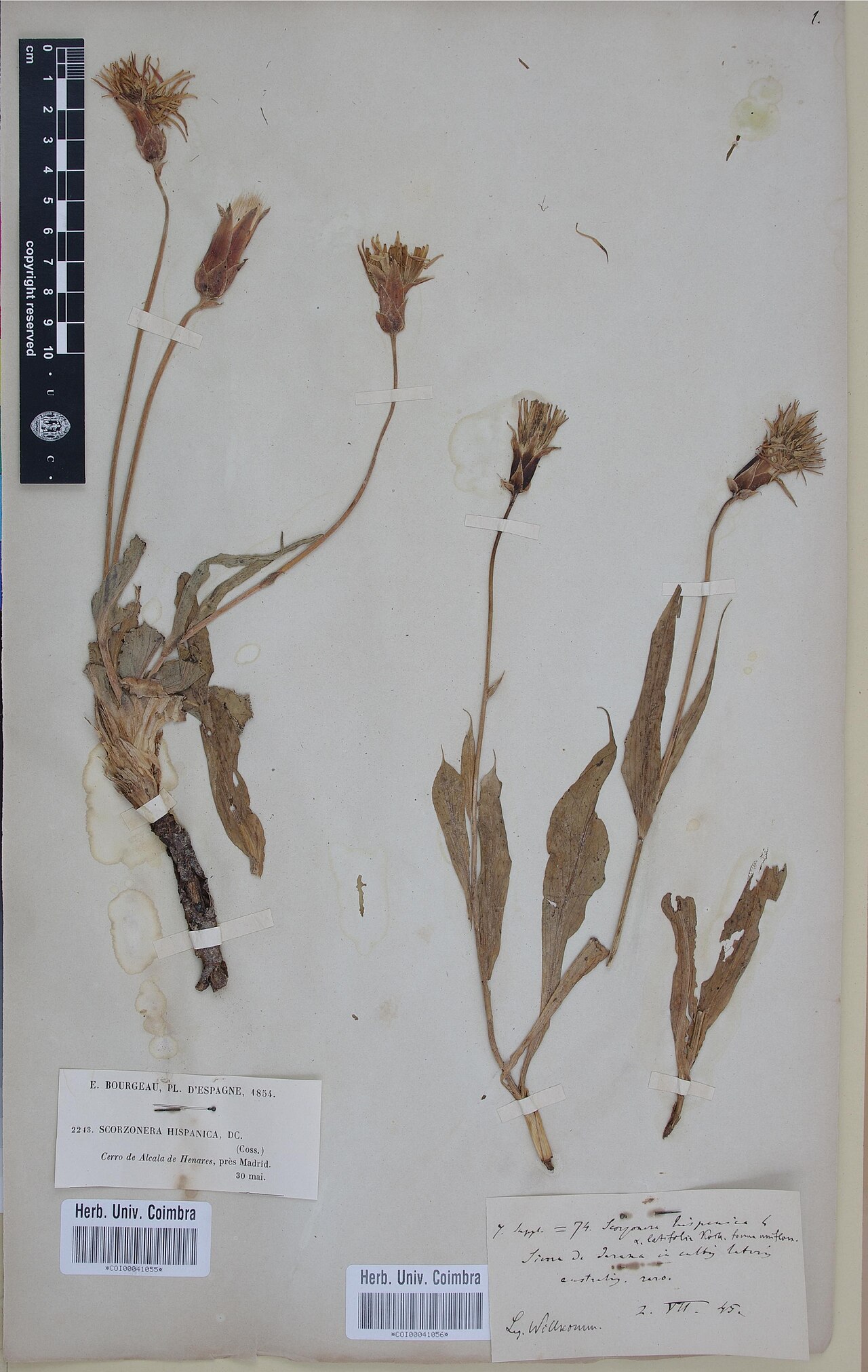
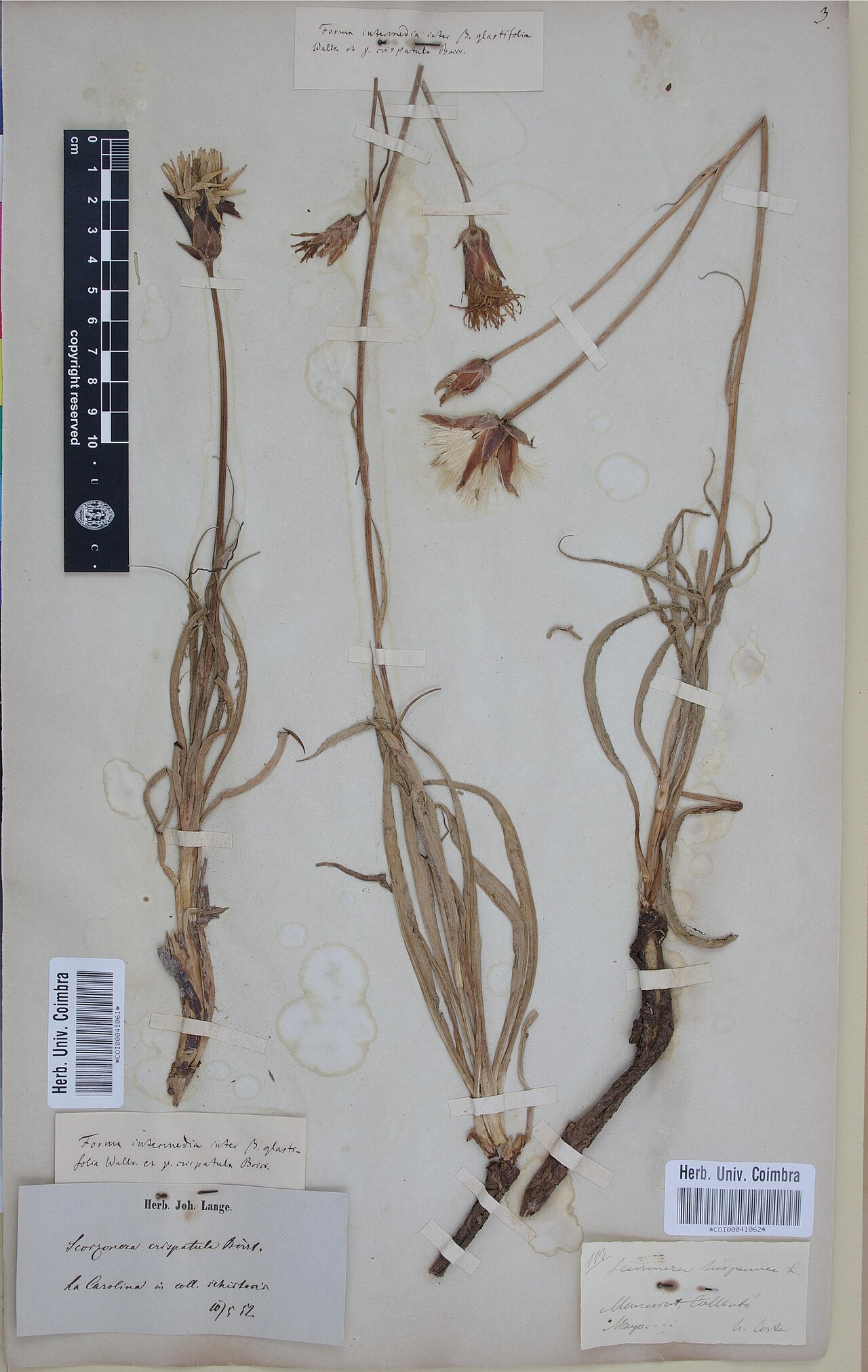
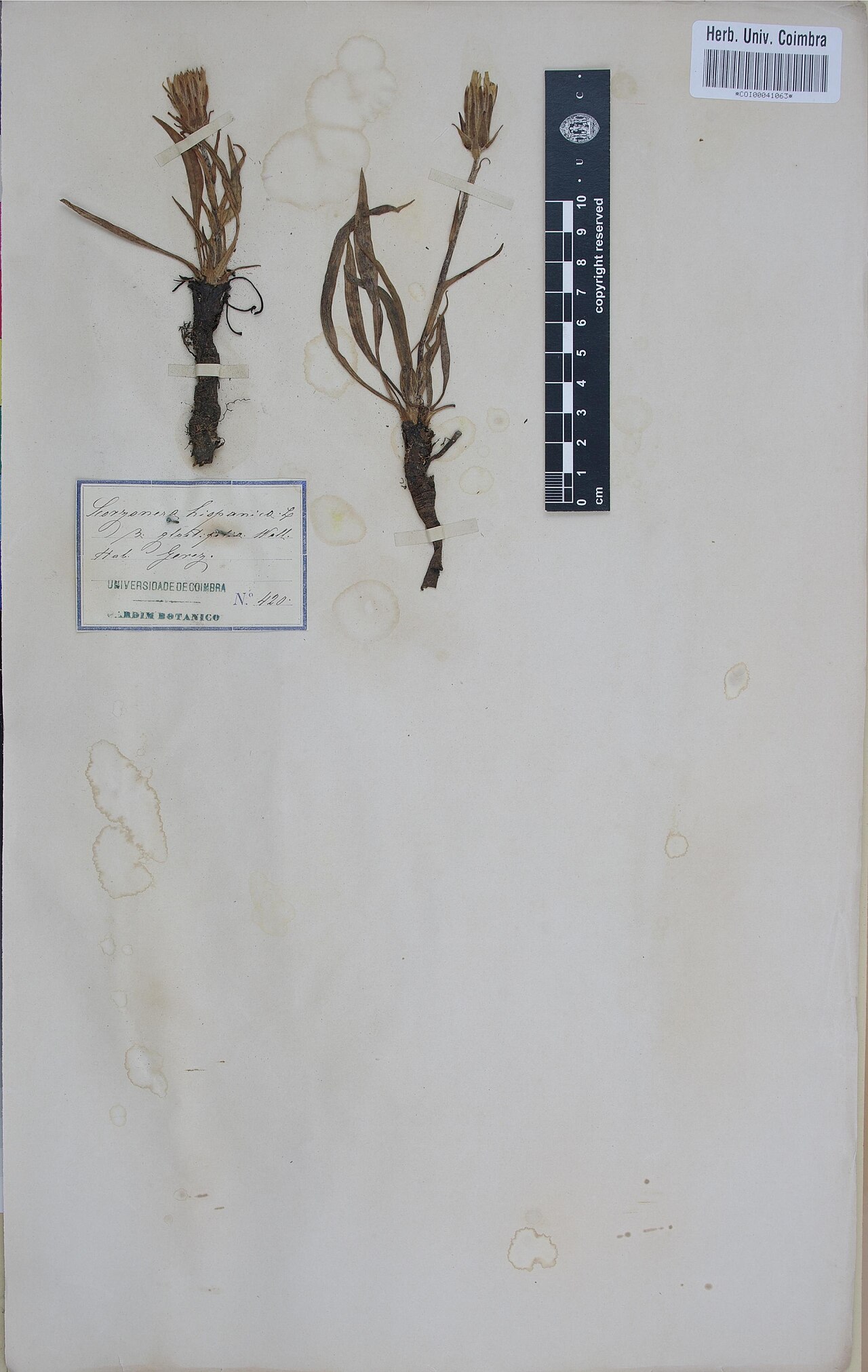
Maxima is exactly what the name promises: one of the large-rooted scorzoneras counted among the few named cultivars marketed in the United States, with roots reaching about 12 inches. Where Enorma wins on earliness, Maxima wins on sheer size — a root you can actually show off at the table before it disappears into the mash.
The eating quality is classic scorzonera: black skin over white flesh, oyster-like and savory, excellent peeled and simmered, mashed, or cut into strips and grilled. Grow Maxima when you have deep soil and a long cool season to offer it, because a big root needs both — this is not a variety to squeeze into a shallow bed and hope for the best.
If you are new to choosing between cultivars, the Varieties Matter guide explains why the name after the plant matters as much as the plant itself. And if you want the whole clan at a glance, the broader Scorzonera guide covers scorzonera generally.
How to grow
In Florida, Maxima is a north-Florida, fall-sown trial. Give it the deepest, loosest, stone-free bed you have — a foot-long root needs a foot of good soil, and then some — and a long cool season of about four months. In a raised bed, build the bed deep; in the ground, double-dig if you can stand it. Your back will complain, and your harvest will not.
Direct-sow fresh seed, keep the bed moist through the slow germination period, thin to the final spacing, and never transplant. Crowding and stones are the two fastest ways to turn a Maxima into a tangle of forked also-rans.
Water & feeding
Water steadily and deeply, mulch to hold moisture, and feed with compost rather than heavy fertilizer. A root this long is a moisture gauge: dry spells show up as woody, stunted sections, while even water gives you a smooth, straight root worth peeling.
Common problems
Maxima’s size is also its vulnerability: long roots snap if yanked, so dig a trench alongside the row and lift from below rather than pulling from the top. Bolting can occur if the weather swings, and stony soil forks the root — both are managed by site choice and steady water, not by sprays.
Harvest
Dig in late fall after a full season, or leave roots in the ground and lift as needed through the cool months — scorzonera, being perennial by nature, does not punish a delayed harvest the way some roots do, and roots left a second year grow larger still. Wash off the white sap after cutting, peel, and cook promptly.
Nerdy fact: Scorzonera is a perennial in the wild, which makes it unusual among root vegetables: most of its cousins are annuals or biennials, but a scorzonera left in the ground simply keeps going, growing bigger roots in its second year like it never got the memo that harvest season ended.
Saving seeds
Maxima is exactly what the name promises: one of the large-rooted scorzoneras counted among the few named cultivars marketed in the United States, with roots reaching about 12 inches — black skin over white flesh, oyster-like and savory, excellent peeled and simmered, mashed, or cut into strips and grilled. Scorzonera is sold only as open-pollinated seed in the trade, and Maxima is a seed-sold named cultivar, so saved seed comes true to the big, oyster-flavored roots. Direct-sow fresh seed — scorzonera seed loses viability fast — in the deepest, loosest, stone-free bed you have, in a north-Florida, fall-sown trial with a long cool season of about four months. The full method is in the Saving seeds section of the Scorzonera guide.