
🌸 Mimosa
What it looks like
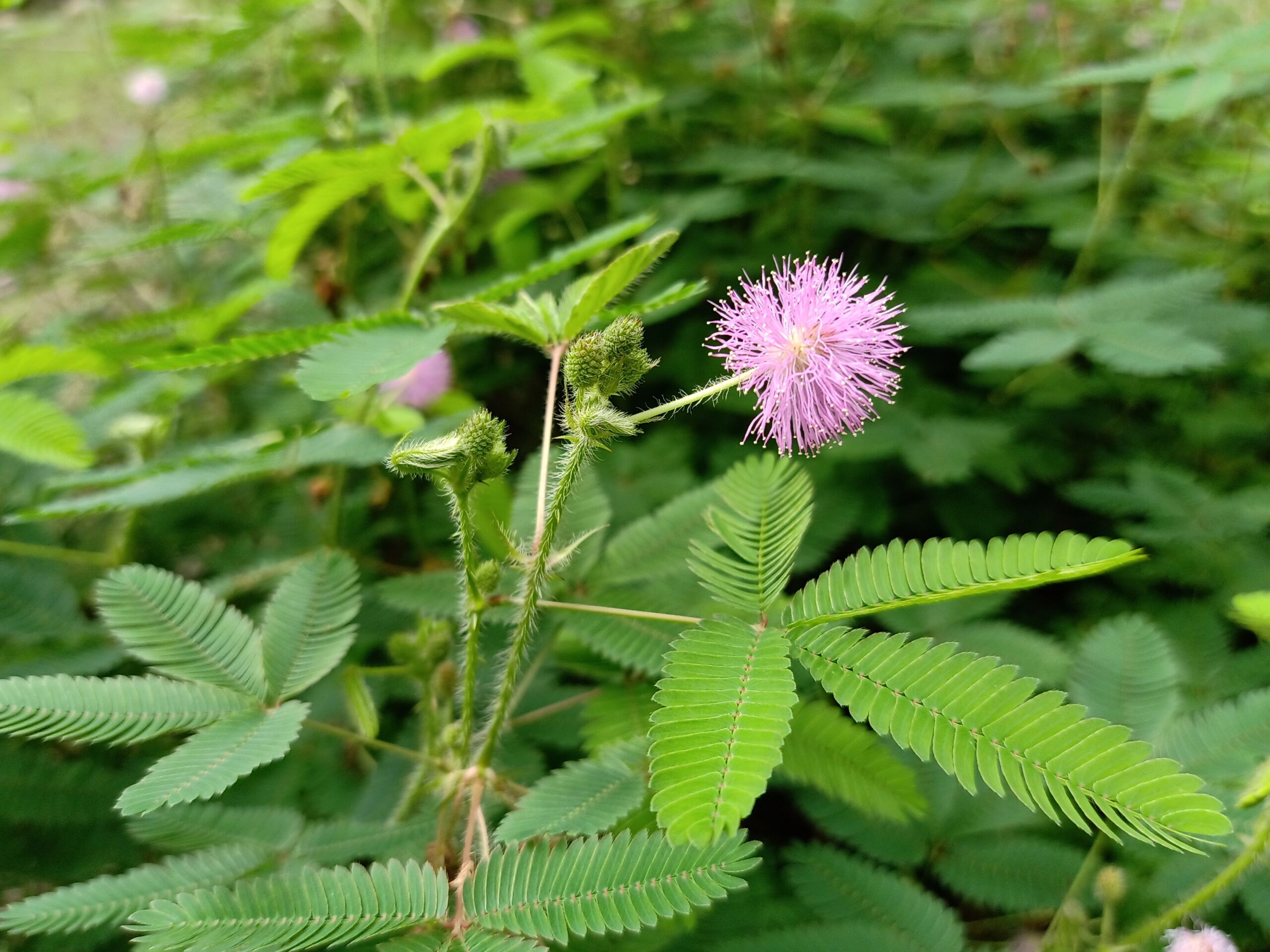
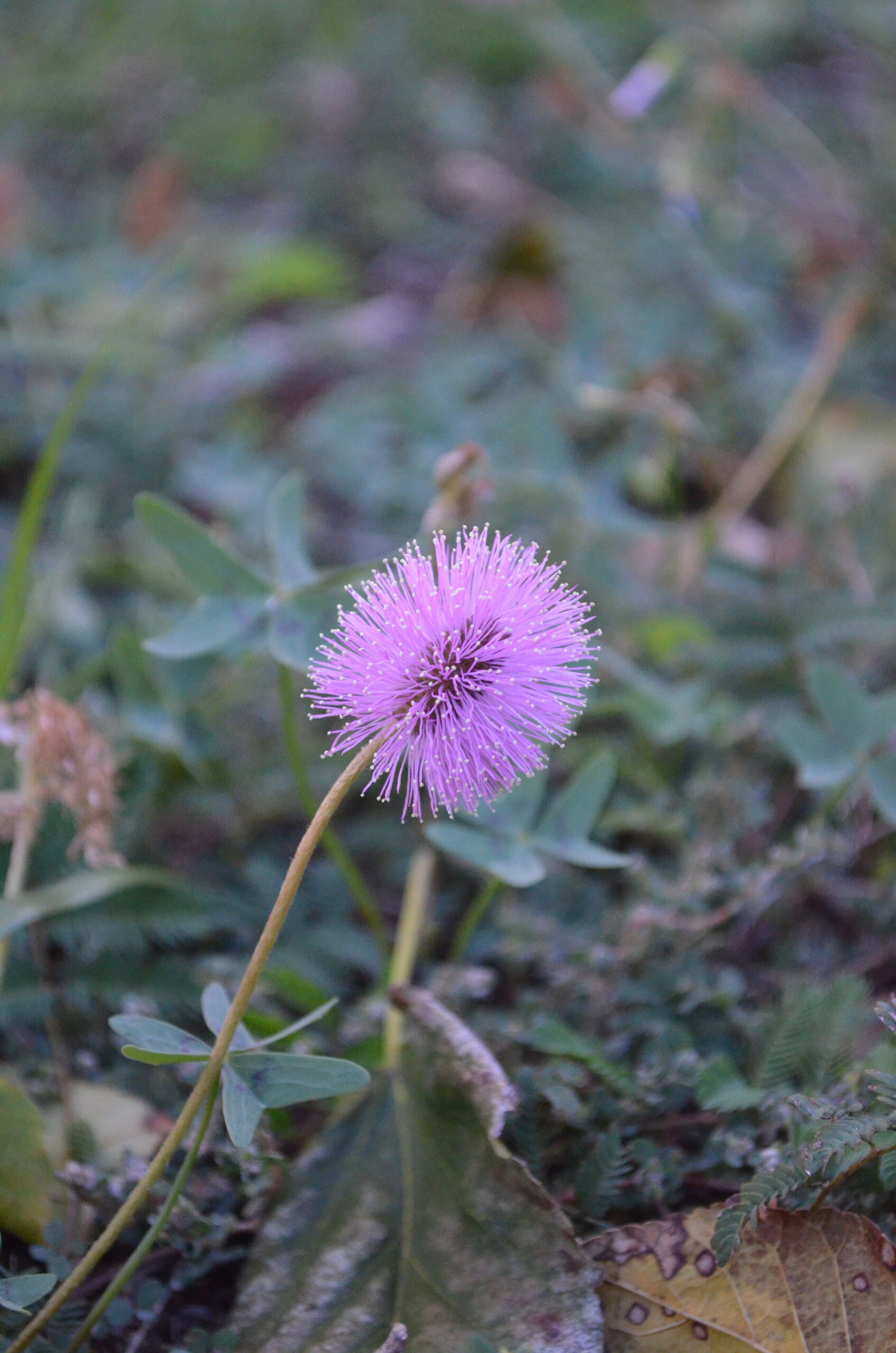
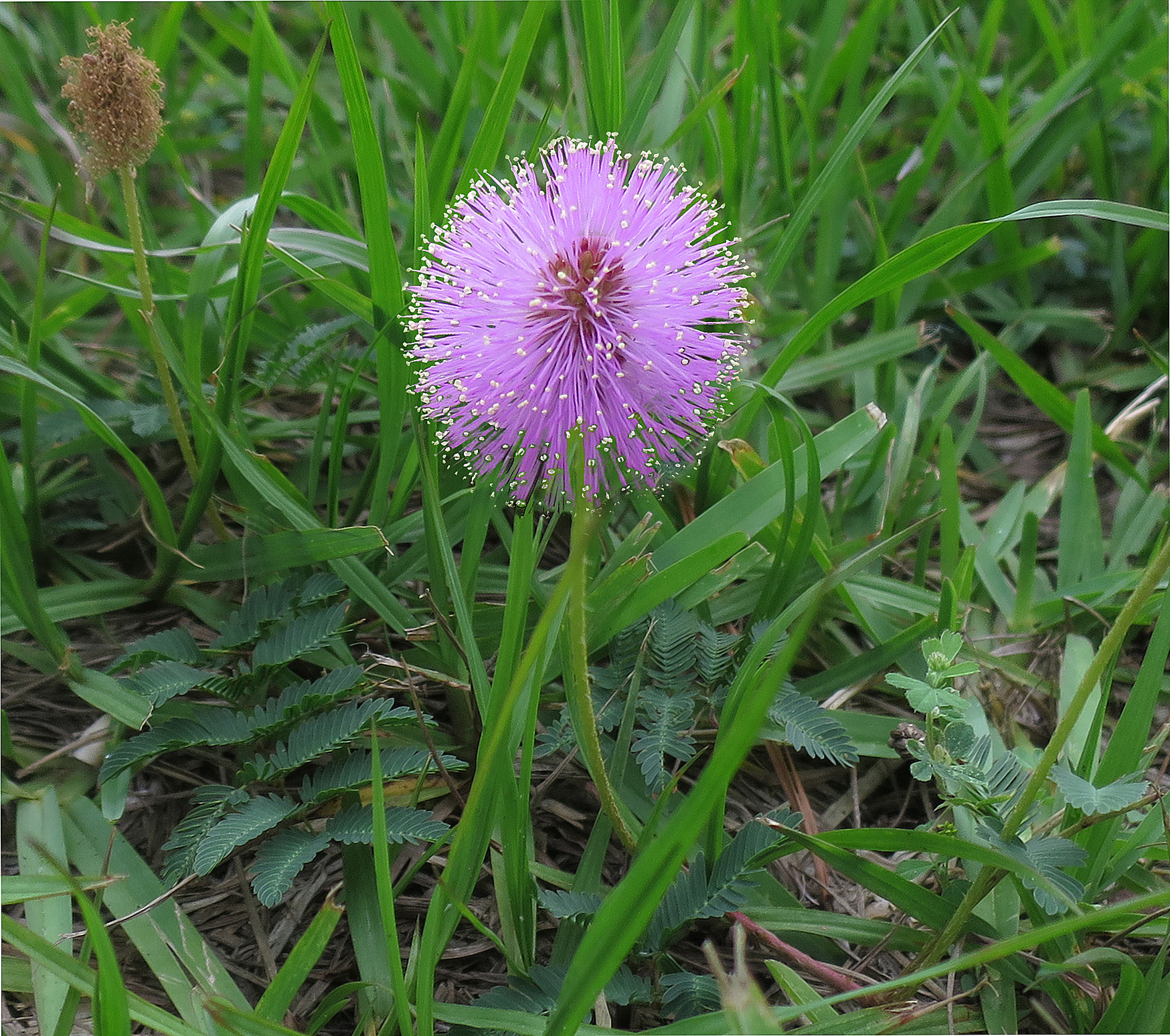
Touch a mimosa and it touches back — or rather, it flinches. The leaves of the sensitive plants fold shut within seconds of a touch, a breeze, or a passing shadow, and the whole stem may droop as if the plant has fainted. Children discover this exactly once and then spend the rest of the afternoon poking the plant, which is the correct scientific response. The movement is real plant behavior, not a trick: specialized cells at the base of each leaflet rapidly lose water pressure, the leaflet folds, and after a few minutes the pressure returns and the leaf reopens. It is the fastest visible movement most gardeners will ever see a plant make, and it is the reason mimosas have been houseplants, classroom demonstrations, and garden curiosities for centuries.
Botanically, Mimosa is a large genus of legumes in the pea family, Fabaceae — several hundred species of herbs, shrubs, and small trees, mostly from the Americas, with finely divided, fern-like compound leaves and flowers that look like pink or white powder-puffs. Each “puff” is actually a dense head of many tiny flowers, each contributing a spray of long stamens, so the bloom is less a petal show than a fireworks display of stamens. The fruits are flattened pods that break into segments. Many species are armed with prickles along the stems — the plant flinches, but it also bites back a little — and many are low, sprawling groundcovers rather than upright shrubs.
Now the disambiguation, because “mimosa” is one of the most overloaded common names in gardening. This guide covers Mimosa the genus. It does not cover the mimosa tree, Albizia julibrissin, a fast-growing Asian tree also called mimosa or silk tree, which is a different genus, a different plant, and in much of the Southeast an invasive one — if your “mimosa” is a thirty-foot tree with feathery pink blooms over a lawn, that is Albizia, not this guide. It also does not cover the cocktail, which contains no mimosa at all and should not be watered into the garden. And it is distinct from the site’s existing native-plant profile for sunshine mimosa (Mimosa strigillosa), which covers that one species in depth; this guide covers the genus that species belongs to.
The butterfly evidence settles the scope, and it is worth stating plainly because the tail file left this unit’s Latin blank. The Mimosa Yellow guide lists its hosts as “sensitive plant (Mimosa pudica) and other mimosas” — genus language, with a named species as the exemplar. The Lesser Grass-Blue guide lists “Mimosa and related low legumes” among its caterpillar foods, again genus language, and “low” rules out the mimosa tree. The Reakirt’s Blue guide also lists “mimosa” among its southwestern legume hosts; some secondary sources gloss that particular mention as Albizia, and this guide does not hide that ambiguity — but the unit’s wiring target is the Mimosa-genus mentions, and a genus guide is the honest scope for them. If a reader’s “mimosa” turns out to be the tree, the Albizia distinction above sends them to the right plant instead of letting them plant the wrong one.
In the garden, mimosas play two roles at once: groundcover and conversation piece. Sunshine mimosa sprawls into a dense, heat-proof, drought-tolerant lawn alternative in the Southeast, blooming pink through the warm months and feeding pollinators while shrugging off foot traffic that would kill a lawn. Sensitive plant is the classic pot plant and children’s garden star, grown as an annual in cool climates and a perennial where winters are mild. Both fix nitrogen through root nodules like other legumes, so they feed poor soil while covering it — a groundcover that fertilizes itself is a hard act to beat.
How to grow
Grow mimosa in full sun, in soil that drains, and with a light hand. These are sun-loving, heat-loving plants that want at least six hours of direct sun and resent wet, heavy soil far more than they resent drought. Sunshine mimosa is famously tough in Florida and the Gulf South: it tolerates poor sandy soil, heat, drought once established, and mowing, and it spreads by sprawling stems that root where they touch the ground. Sensitive plant wants the same sun and drainage but with a little more water and warmth — it is tropical in origin, so treat it as a tender perennial in zones 9 and warmer and as a summer annual anywhere colder.
Sow seed in spring after the last frost, nicking or soaking the hard seed coat to speed germination, or set out nursery plants in warm soil. Space groundcover types a foot or two apart and let them run; they will knit together into a mat within a season in a sunny spot. Shrubby species need more room — several feet — and a site where their prickles will not ambush a walkway. Do not plant mimosa in a spot you need to walk barefoot through in the dark: the prickles are real, and the plant’s flinch is no defense against a bare foot.
Florida note: sunshine mimosa (Mimosa strigillosa) is a Florida native and one of the best warm-climate lawn alternatives in the state — it is the mimosa most Florida gardeners should actually plant, and the site’s native-plant profile covers it in depth. Sensitive plant (Mimosa pudica) also grows in Florida but behaves as a weedy, spreading tropical plant that can escape beds, so give it a pot or a contained bed rather than a free run. The genus as a whole is a warm-climate group: in cool climates, grow sensitive plant in a pot you can bring in, and enjoy the flinch indoors through winter.
Management is mostly about containment and expectations. Mow or trim groundcover mimosa to keep it dense and to tidy the seed pods; let it bloom, because the pink puffs are the pollinator payoff and the reason to grow it instead of turf. Do not overwater — soggy soil and constant irrigation produce leggy, disease-prone plants. And teach children the flinch rule honestly: the plant folds to protect itself, and repeated poking costs it energy, so one good demonstration beats fifty pokes. The plant will forgive you either way; the lesson is better with restraint.
Water & feeding
Water moderately and let the soil dry between waterings. Established sunshine mimosa is genuinely drought-tolerant and needs little supplemental water in a normal Florida rainy season; sensitive plant in a pot wants steady moisture but still hates standing water. In both cases, drainage is the deciding factor — a raised bed, sandy soil, or a pot with holes matters more than any watering schedule. Water new plantings until rooted, then taper off and let the plant prove how tough it is.
Feeding: lean. Like all legumes, mimosa partners with rhizobium bacteria that fix atmospheric nitrogen, so it needs little or no nitrogen fertilizer. A light compost topdressing at planting is plenty. Heavy fertilizer mostly produces soft, leggy growth and feeds weeds; the plant’s own nitrogen factory is the better plan. If a groundcover looks pale in very poor sand, a thin compost mulch will help more than a bag of lawn food.
Soil science note: the flinch and the fertilizer are connected by the same root system. The rapid leaf-folding movement runs on changes in water pressure in pulvinus cells, and it costs the plant energy every time it fires — which is why a mimosa poked all afternoon looks tired by evening. The nitrogen fixation, meanwhile, runs in the opposite direction: root nodules quietly trading plant sugars for bacterial nitrogen, day after day, without any visible drama. A mimosa is therefore doing two kinds of chemistry at once — a showy, expensive defense on top and a quiet, profitable partnership below — and the gardener’s job is to enjoy the first sparingly and to protect the second by keeping the soil alive, uncompacted, and unsprayed.
Common problems
- Wet, heavy soil. The main killer. Soggy ground rots roots and invites disease. Plant in drainage, sand, or a pot — never in a puddling hollow.
- Cold. Sensitive plant is tropical and dies back or dies outright in frost. Grow it as an annual or in a pot in cool climates; sunshine mimosa is hardier but still a warm-climate plant.
- Prickles. Many species are armed. Site groundcovers away from barefoot paths and handle shrubby types with gloves.
- Weediness and escape. Sensitive plant self-seeds freely in warm climates and can become weedy. Deadhead, contain it, and do not let it run wild near natural areas.
- Mimosa tree confusion. If a nursery tag says “mimosa” and the plant is a tree, it is almost certainly Albizia julibrissin, not Mimosa. Check the Latin before you buy a thirty-foot surprise.
- Over-poking. Repeated folding costs the plant energy and slows growth. Demonstrate the flinch, then let the plant recover.
Harvest
Mimosa’s harvest is not a crop in the vegetable sense, and this guide makes no medicinal claims for it — traditional uses exist in many cultures, but they are not a reason to eat a garden plant on a blog’s say-so. The home harvest is seed and cuttings and groundcover: collect the flattened pods when they turn brown and dry, sow the hard seeds after nicking or soaking, and take stem cuttings of groundcover types to fill a new patch. The real harvest, though, is the one the butterflies deliver. Leave a mimosa patch blooming and unsprayed through the warm months, and watch for small yellow butterflies — Mimosa Yellows where they occur — patrolling low over the foliage, and for the caterpillars on the leaflets. A groundcover that feeds butterflies, fixes nitrogen, and flinches when touched is not a lawn replacement; it is an upgrade.
Browse all plant & pest guides
Saving seeds
Mimosa is a genus, not a single plant, so this section is genus-level on purpose — and the two mimosas in this guide could hardly be more different. Sensitive plant (Mimosa pudica) is a tropical annual that flinches when you touch it; sunshine mimosa (Mimosa strigillosa) is a Florida native groundcover that spreads by runners and feeds yellow butterflies. Both set seed readily, and both save the same way, but what you do with the seed is not the same.
The seed wears a hard coat. Nick it with a file or sandpaper, or pour just-boiled water over it and let it soak overnight — the seeds that swell are ready, and the ones that stay hard can be treated again. Sow in warm soil in spring, barely covered, and germination usually comes within a couple of weeks. Sensitive plant seed is famously long-lived in the soil, which is why a pot that held it last year may sprout it again this year without an invitation.
Collect the seed when the pods are dry and papery and rattle when shaken. For sensitive plant, that means catching the pods before they scatter — a paper bag over a ripening cluster does the job. For sunshine mimosa, the pods are smaller and the plant spreads by runners anyway, so seed is the backup and division is the main event: a rooted runner potted up in spring is a new plant with no waiting.
The caution is about sensitive plant, not sunshine mimosa. Pudica self-seeds with enthusiasm in warm climates and is weedy in the tropics, so deadhead it if you do not want it everywhere, and do not let it escape into a damp corner where it can naturalize. Sunshine mimosa, the native, is the one to spread freely. Stored dry, the seed keeps for years. Florida humidity is the enemy of stored seed, so dry it thoroughly, jar it with a silica gel packet, and keep it cool and dark.
Species
The mimosa genus holds several hundred species, and gardeners meet only a few. Sensitive plant (Mimosa pudica) is the famous flincher: a low, prickly, tropical herb grown worldwide as a curiosity and a pot plant, and the named host of the Mimosa Yellow. Sunshine mimosa (Mimosa strigillosa) is the southeastern native groundcover: low, sprawling, pink-flowered, heat-proof, and covered in depth by the site’s native-plant profile. Fragrant mimosa (Mimosa borealis) is a shrubby, pink-flowered southwestern native valued as a butterfly host and a xeriscape shrub. Catclaw mimosa (Mimosa biuncifera) is a thorny southwestern shrub of dry, rocky ground. No named garden cultivars of the genus as a whole were verified for this guide; mimosas are grown as straight species, and the variation gardeners see is between species, not between catalog varieties. Choose the species that matches your climate — sunshine mimosa for a Florida lawn alternative, sensitive plant for a pot — and never confuse any of them with the mimosa tree, Albizia julibrissin, which is a different genus entirely.