
🍊 Minneola Tangelo
What it looks like

Why this variety
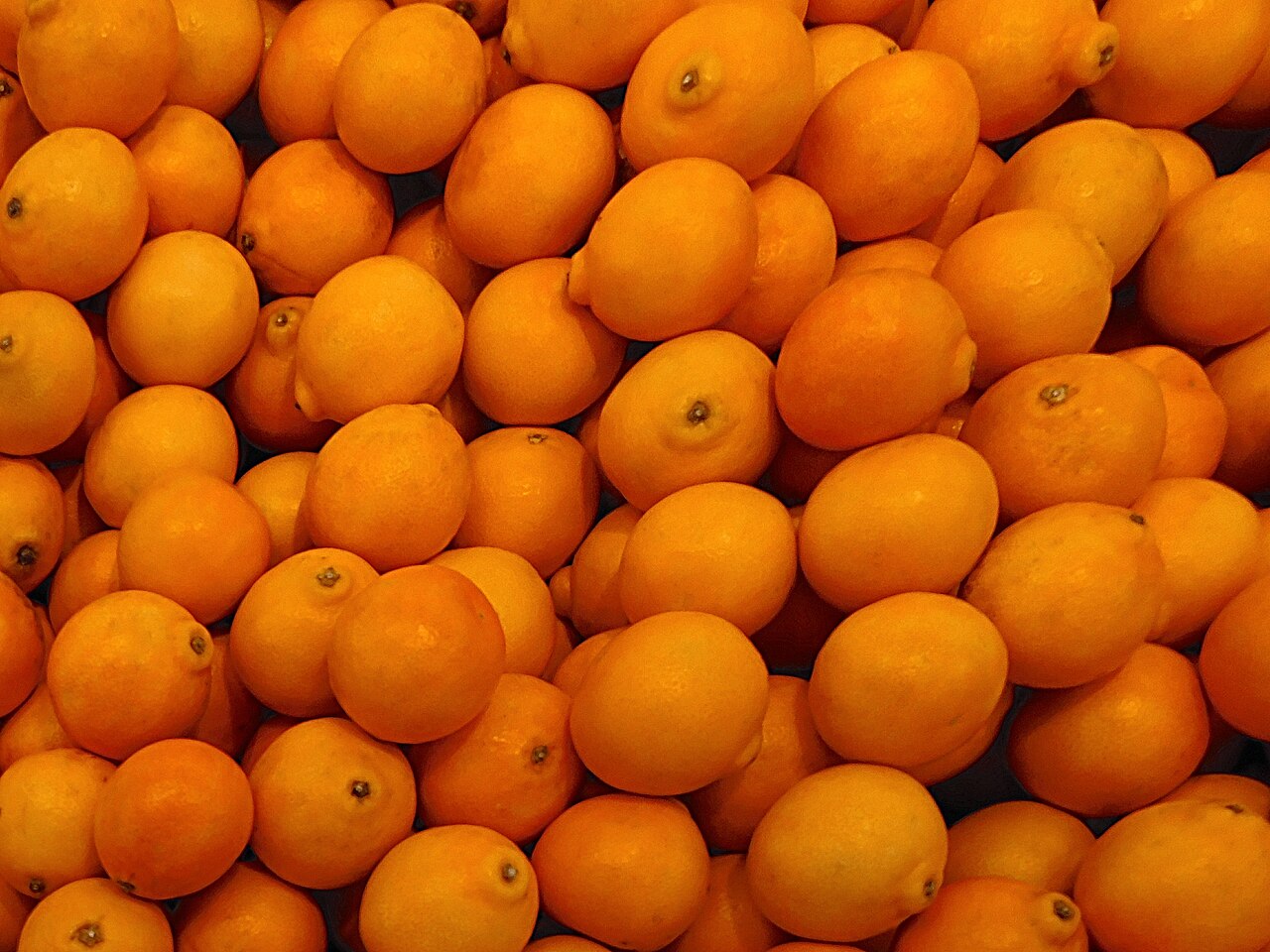
‘Minneola’ is the tangelo most Americans have actually eaten, usually under its nickname: Honeybell. Released in 1931 by the USDA horticultural station in Florida, it is a cross of ‘Dancy’ tangerine with ‘Duncan’ grapefruit, and it looks like it: a large fruit, 3-plus inches, with a distinctive neck at the stem end that gives it a bell shape, deep red-orange peel, and pulp that is melting, sweet-acid, and famously juicy — the holiday gift-box fruit, shipped in January when little else is in season.
The catch is pollination: ‘Minneola’ requires a pollinator for good fruit set — most mandarins work, with ‘Temple’ tangor a classic partner, while satsumas, ‘Orlando’, and ‘Seminole’ do not pollinate it. Plant ‘Minneola’ with a compatible mandarin nearby or accept light crops, and know that a heavy crop left too long on the tree means a light crop next year — pick promptly.
How to grow
Here is the honest Florida part first: tangelos are Florida-bred citrus, developed at Eustis in 1897 and beloved in Florida home gardens ever since — more cold-tolerant than grapefruit, not quite as hardy as mandarin, and much more satisfactory on South Florida limestone than sweet orange. ‘Minneola’ belongs in zones 9-11, in full sun, with a pollinator partner in bee range.
Plant in full sun and well-drained soil, feed as for citrus, and prune to a pickable canopy. Give ‘Minneola’ fertile soil, irrigation, and nutrition — it is a demanding tree that repays good care with heavy, juicy crops and punishes neglect with light, seedy ones.
Water & feeding
Water as for citrus: deep, regular watering, especially through fruit development — ‘Minneola’ needs steady water for its famously juicy fruit. Mulch, feed with citrus fertilizer including micronutrients, and do not let the tree dry out during fruit fill.
Common problems
- Pollination failure — ‘Minneola’ needs a compatible pollinator; satsumas, ‘Orlando’, and ‘Seminole’ will not do it. Plant a mandarin or ‘Temple’ nearby.
- Alternate bearing — leaving fruit too long on the tree lightens next year’s crop; harvest promptly at maturity.
- Citrus greening (HLB) — watch for blotchy leaves and lopsided fruit; buy certified stock.
- Freeze damage — more cold-tolerant than grapefruit, less than mandarin; cover young trees on freeze nights.
Harvest
‘Minneola’ ripens in winter — the classic January fruit — when the peel is deep red-orange and the fruit feels heavy for its size. Pick when fully colored and slightly yielding; the bell shape and loose-ish peel make it easy to peel, and the segments are tender and very juicy. Eat fresh, juice, or segment into salads.
Because ‘Minneola’ ships and gifts so well, a home tree in a good year produces a crop worth sharing: Honeybells by the box are a Florida winter tradition, and yours will be fresher than any shipped box.
Browse all plant & pest guides
Saving seeds
Minneola is the tangelo most Americans have actually eaten, usually under its nickname: Honeybell. Released in 1931 by the USDA horticultural station in Florida, it is a cross of ‘Dancy’ tangerine with ‘Duncan’ grapefruit, and it looks like it: a large fruit, 3-plus inches, with a distinctive neck at the stem end that gives it a bell shape, deep red-orange peel, and pulp that is melting, sweet-acid, and famously juicy — the holiday gift-box fruit, shipped in January when little else is in season. As a named citrus cultivar it is kept true by grafting, not by seed: buy a grafted tree, and plant it in full sun and well-drained soil with a pollinator partner in bee range — most mandarins work, with ‘Temple’ tangor a classic partner. The full method is in the Saving seeds section of the Tangelo guide.