
🍉 Moon and Stars Watermelon
What it looks like
Why this variety
Moon and Stars is the watermelon you recognize before you taste it: a dark green rind splashed with one large yellow ‘moon’ spot and a scatter of tiny yellow ‘stars.’ It is an old heirloom, nearly lost and then revived by seed savers, and the rind pattern is not decoration for its own sake — it is the variety’s signature, the way a fingerprint identifies a person.
Inside, Moon and Stars is sweet, crisp, red-fleshed, and big — typically 20–40 pounds of summer. The vines are vigorous and the fruit stores well for a watermelon, which matters when one vine gives you more melon than one family can eat in a weekend.
Florida translation: Moon and Stars loves Florida heat and sprawl, and it is a natural for a big garden patch or a food-forest edge where vines can run. Give it a hill of compost-rich soil, mulch once the soil warms, and let bees do the pollination — then judge ripeness by the dull thump, the creamy-yellow ground spot, and the dried tendril nearest the stem.
For the species as a whole, see the Watermelon growing guide.
How to grow
Direct-sow after all frost danger, when soil is at least 70°F; watermelon seed sulks in cold soil and rotting seed is the usual cause of a blank hill. Sow 1 inch deep, 3–4 seeds per hill, and thin to the 2 strongest plants. In short-season zones, start indoors 3–4 weeks before last frost in peat pots — watermelon roots resent disturbance — and choose an early variety plus black plastic mulch to bank extra heat. Vines run 6–15 feet, so plan for sprawl or train them up a very sturdy trellis (fruit in slings if you go vertical). Bees do the pollination, and a watermelon flower that is not visited simply drops, so plant flowers nearby and skip row cover once bloom starts. One plant typically carries 2–4 good fruit; pinch off extra fruit late in the season so the plant finishes what it started.
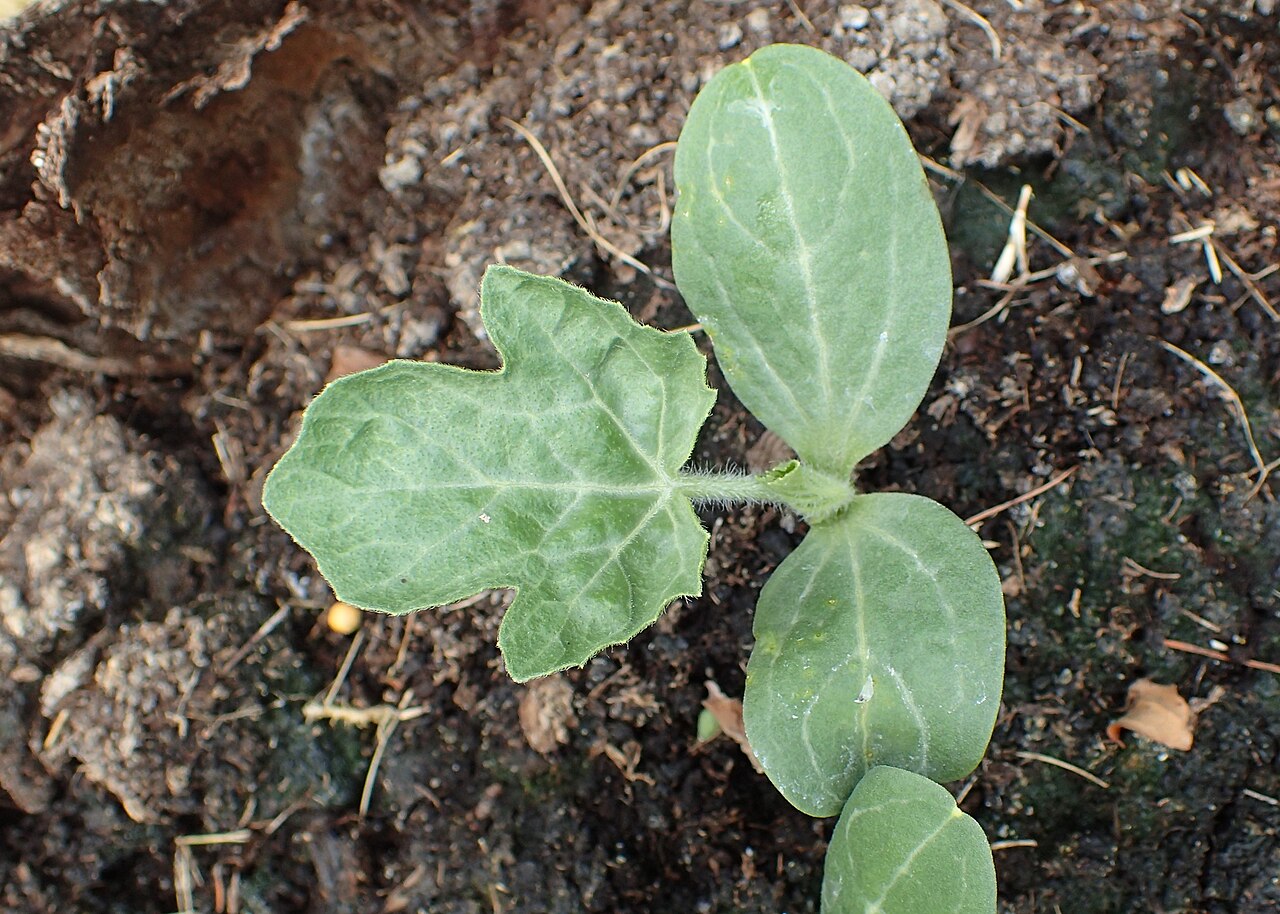
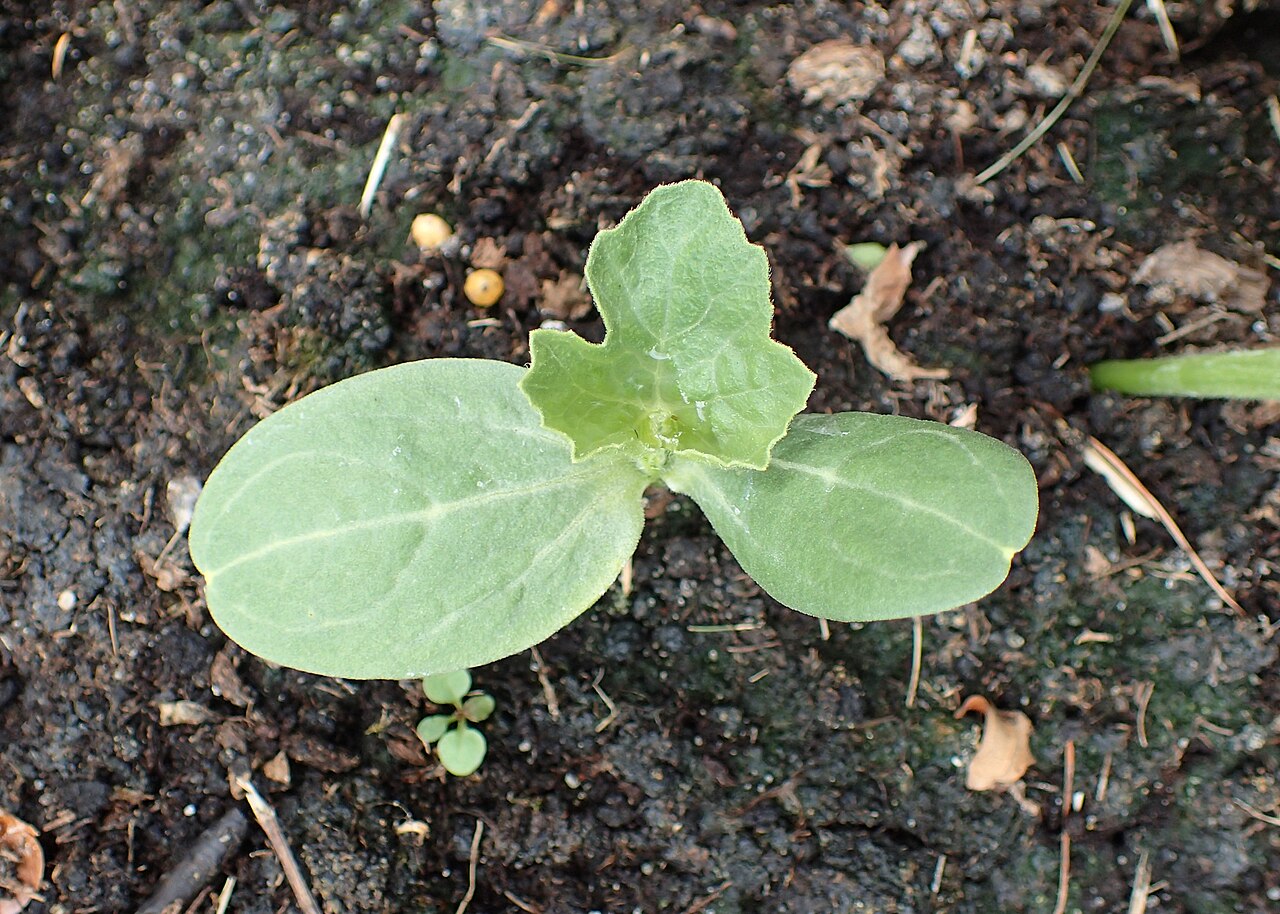
Sow Moon and Stars directly in warm soil (at least 70°F), 1 inch deep, and thin hills to the 2 strongest plants; plan for vines 6–15 feet long.
Water & feeding
Deep, regular water — 1–2 inches a week — while vines grow and fruit sizes up, then taper off as fruit approaches ripeness: heavy late watering dilutes sugars. Work worm castings into each hill at planting and side-dress at flowering; castings carry a low burn risk and feed steadily without the nitrogen surge that grows vines at the expense of fruit. Mulch heavily once soil is warm to hold moisture and keep fruit clean.
Common problems
- Poor fruit set: usually missing pollinators or cold nights — hand-pollinate morning flowers (male to female; females carry a tiny melon behind the petals) and be patient in cool weather.
- Cucumber beetles: row cover until flowering; they spread bacterial wilt, which has no cure once established.
- Blossom end rot (black, sunken blossom end): uneven watering interrupting calcium movement — mulch and water evenly rather than reaching for a calcium spray.
- Hollow heart or cracked fruit: sudden water after drought, or over-ripe fruit left on the vine — keep moisture even and harvest on time.
Harvest
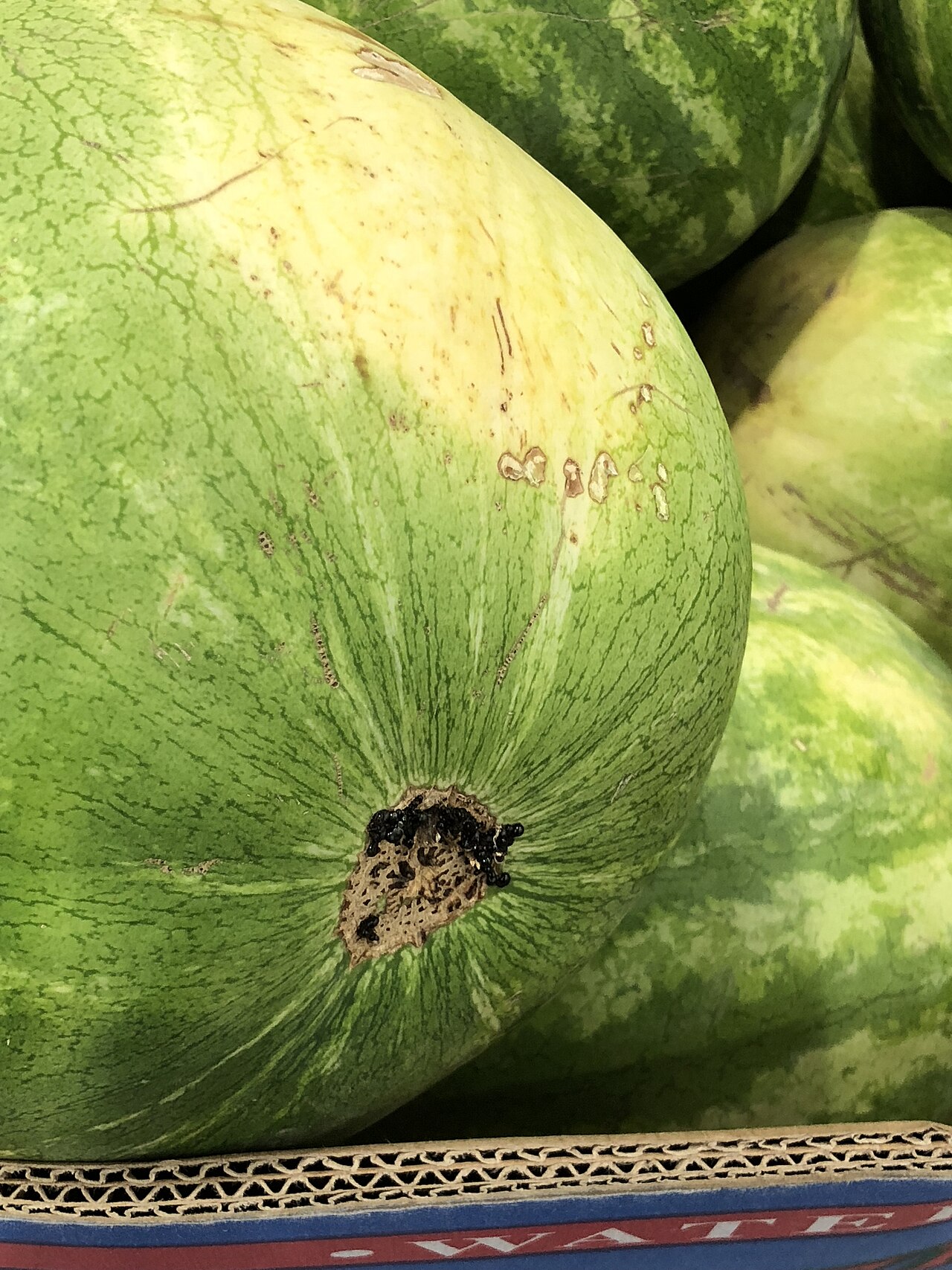
Thump, look, and check the tendril: a ripe watermelon sounds dull and hollow (not high-pitched), the underside spot where it sat on the ground has turned from white to creamy yellow, and the curly tendril nearest the fruit stem has dried and browned. Cut, do not pull, the stem, and chill promptly. A watermelon picked early will not sweeten off the vine.
Browse all plant & pest guides
Saving seeds
Moon and Stars is the watermelon you recognize before you taste it: a dark green rind splashed with one large yellow ‘moon’ spot and a scatter of tiny yellow ‘stars.’ It is an old heirloom, nearly lost and then revived by seed savers, and the rind pattern is not decoration for its own sake — it is the variety’s signature, the way a fingerprint identifies a person. Inside, Moon and Stars is sweet, crisp, red-fleshed, and big — typically 20 to 40 pounds of summer. As an heirloom it comes true from seed: direct-sow after all frost danger, when soil is at least 70°F — watermelon seed sulks in cold soil and rotting seed is the usual cause of a blank hill — sow 1 inch deep, 3 to 4 seeds per hill, and thin to the 2 strongest plants. The full method is in the Saving seeds section of the Watermelon guide.