
🌿 Motherwort
What it looks like
How to grow
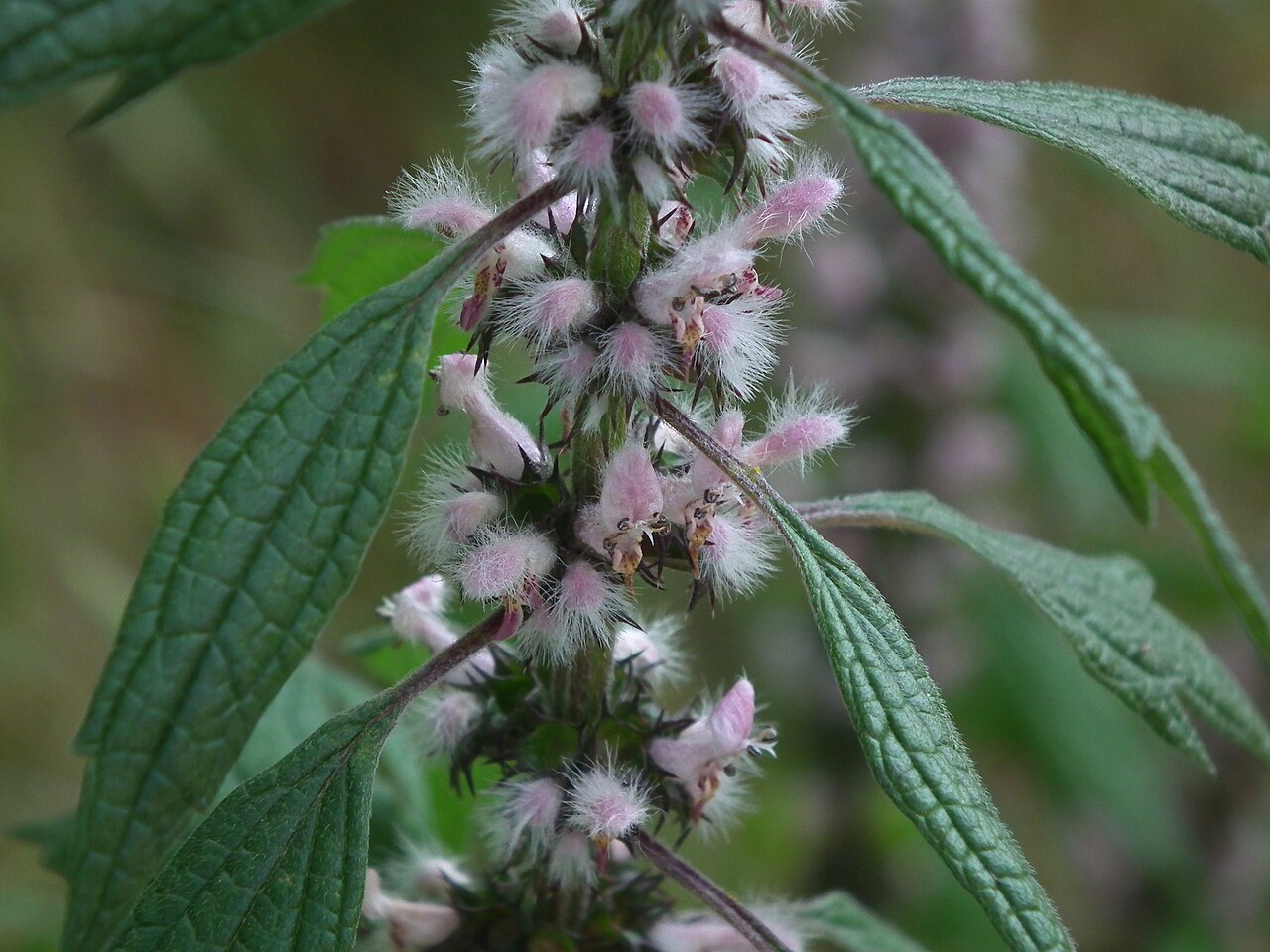
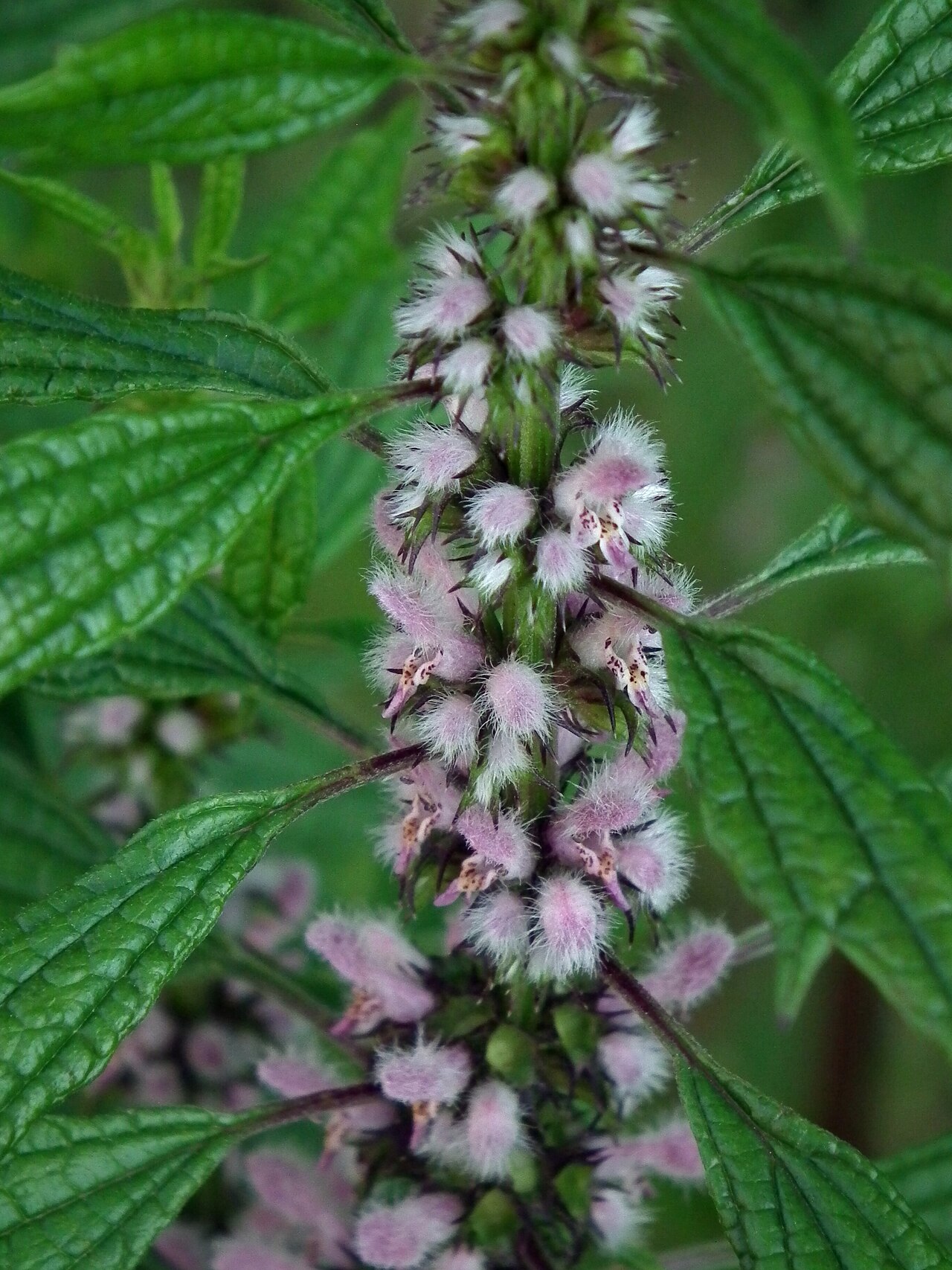
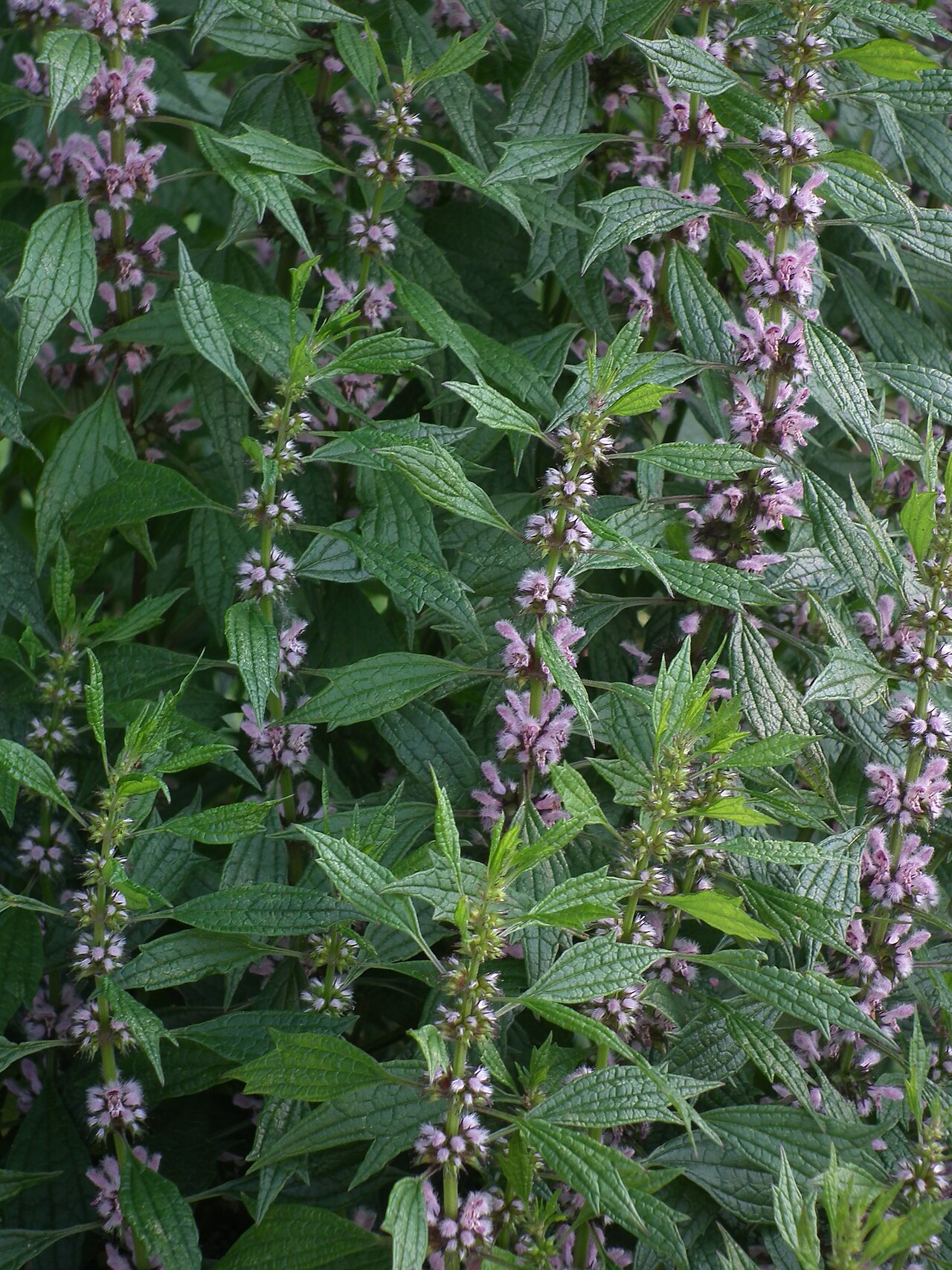
Motherwort is a hardy mint-family perennial that shoots up 3-5 feet, with deeply lobed, maple-like lower leaves, square stems, and whorls of small pink-purple flowers ringed by spiny calyces in summer. Start from seed in fall or early spring (it germinates readily and benefits from a cold spell), or transplant divisions in spring. It grows in almost any soil, sun or part shade, and once established it is practically indestructible — drought, poor soil, and neglect barely slow it down. That toughness is the catch: motherwort self-sows aggressively, so plant it where volunteers are easy to spot and pull, and deadhead before seed ripens if you do not want a motherwort colony. Bees love the flowers, and the tall stalks make a good back-of-border screen.
Water & feeding
Water until established, then leave it mostly alone — motherwort tolerates drought well and needs water mainly in extended dry spells. It needs no fertilizer beyond compost at planting; rich feeding makes tall, floppy plants that need staking. Mulch is optional. Cut the whole plant back by half after flowering to keep it tidy and to prevent the seed heads from scattering.
Common problems
- Self-seeding everywhere — deadhead promptly, pull volunteers while small, and do not let it loose near a wild area.
- Spiny seed heads — wear gloves when cutting back; the dried calyces are genuinely prickly.
- Flopping in rich soil or shade — grow in sun and lean soil, stake tall clumps, or cut back mid-season for a second, bushier flush.
- Aphids on flower stalks — usually minor; blast with water and the plant outgrows it.
Harvest
Snip leaves and flowering tops through the growing season, taking the top third of stems just as flowers open. Dry in small bunches in a dark, airy spot. Handle with gloves — the spiny calyces scratch, and the plant’s traditional herbal reputation is strong, so this guide sticks to growing: if you are curious about herbal uses, talk to a qualified herbalist or clinician rather than experimenting from a garden blog. Leave a few plants standing over winter for birds and for next spring’s seedlings.
Browse all plant & pest guides
Saving seeds
Motherwort is a biennial that saves its own seed with enthusiasm, and the seed is the whole point — the leaves and flowering tops are what the herbalists are after, and the seed is how the plant comes back. Let a plant go to flower in its second year and watch the spiky calyxes dry on the stem. When they turn brown and brittle and the seed rattles inside, cut the whole stalk into a paper bag and let it dry for a week before you thresh it.
Threshing is simple: crush the dried calyxes in the bag, shake it, and pour the contents through a kitchen strainer. The seed is small, dark, and three-sided, and a single plant gives you far more than you need — a teaspoon is a season of motherwort. Wear gloves for all of this: the dried calyxes are prickly, and they will remind you if you forget.
Self-seeding is vigorous, which is both the gift and the warning. A plant left to ripen will sow itself everywhere next spring, and the seedlings are sturdy from the start. If you want seed and no colony, cut the stalks as they ripen and deadhead the rest. If you want a colony, do nothing at all — motherwort will oblige, and a patch of it in a corner is a medicine chest that tends itself.
Stored dry, the seed keeps for several years. Florida humidity is the enemy of stored seed, so dry it thoroughly before jarring it, add a silica gel packet, and keep the jar cool and dark. Sow in fall or early spring, barely covered, and thin the seedlings to a foot apart. The seed you save is next year’s calm, grown from a plant that asked for almost nothing.