
🌿 Mugwort
What it looks like
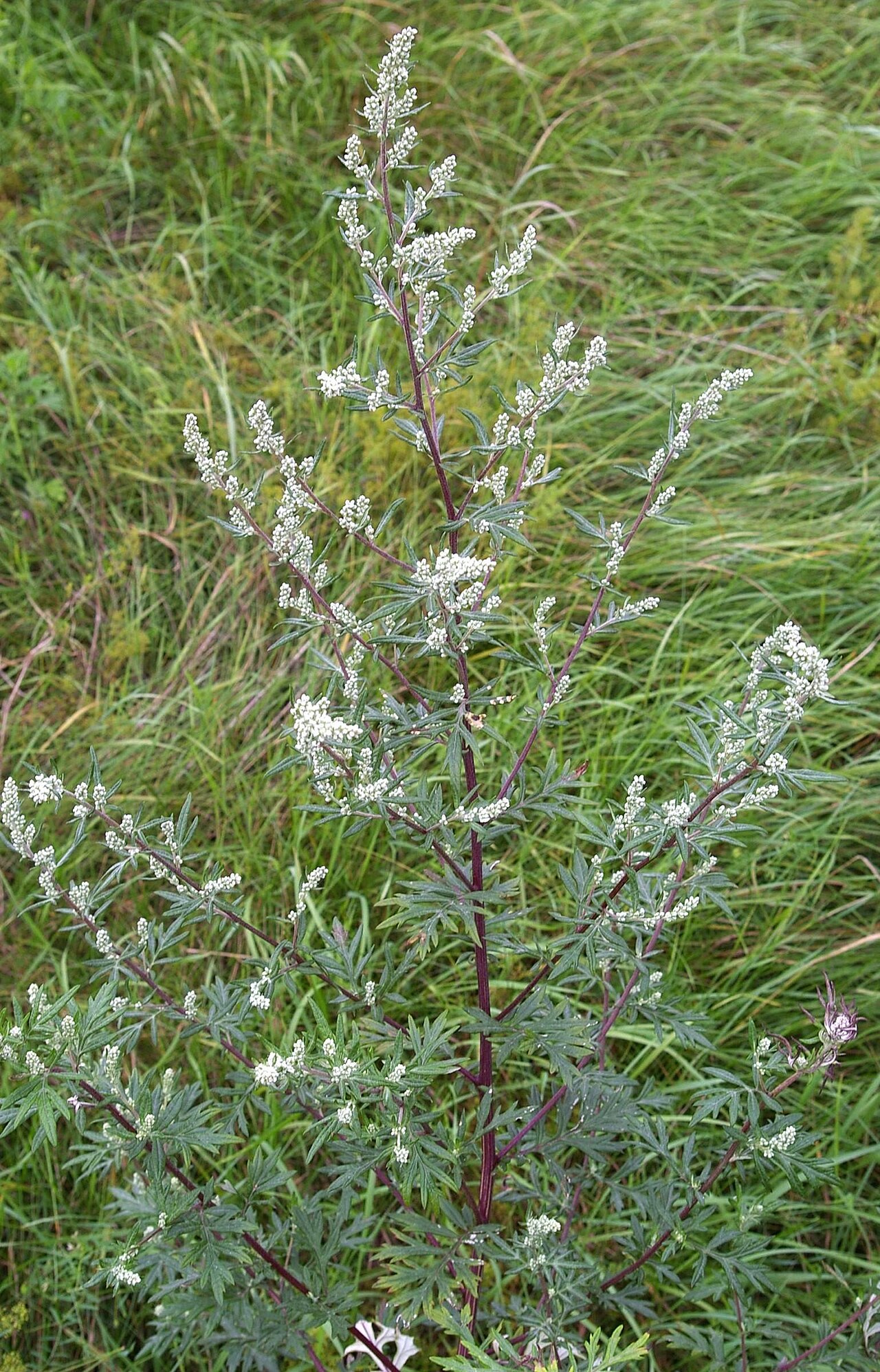
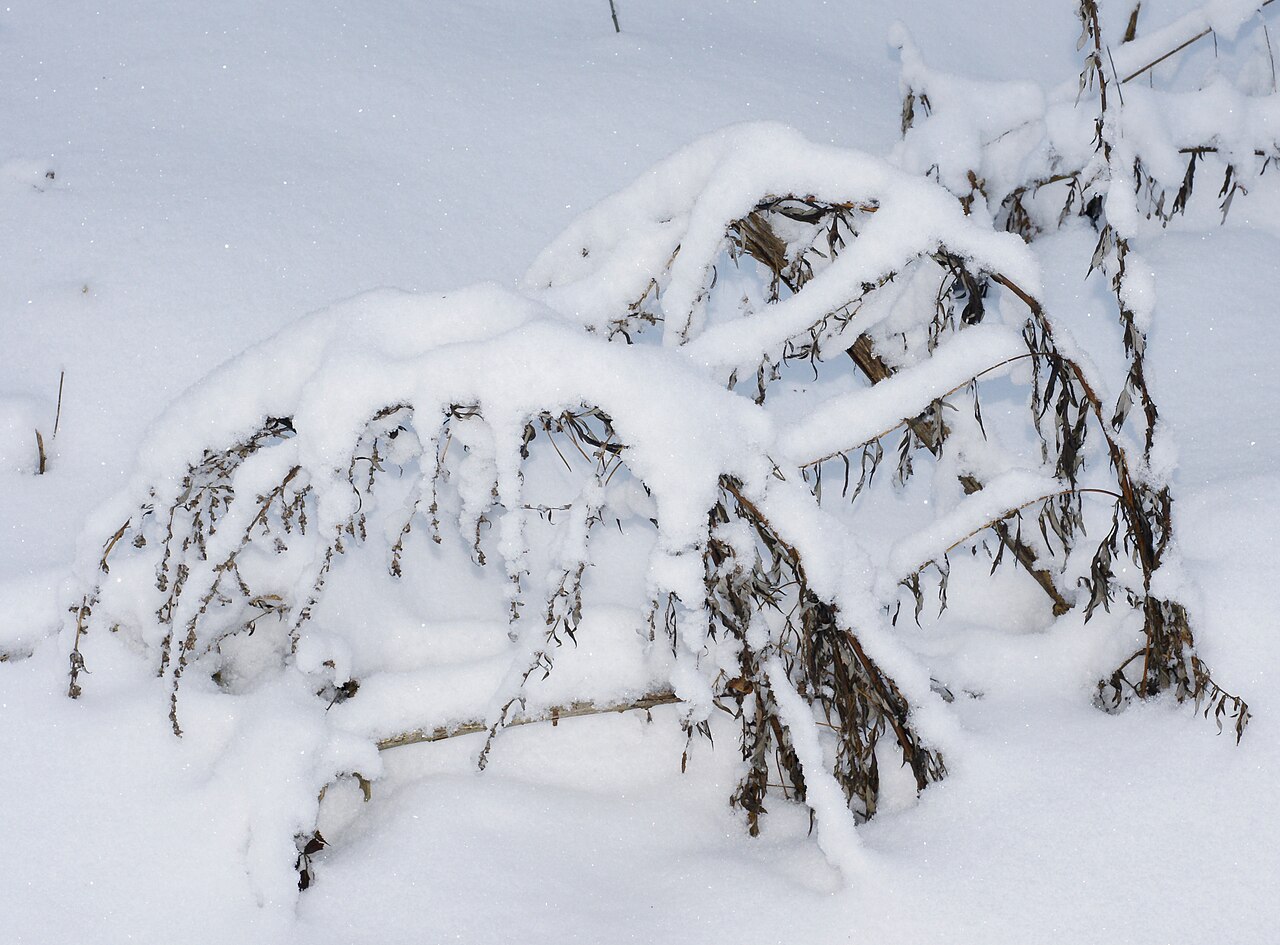
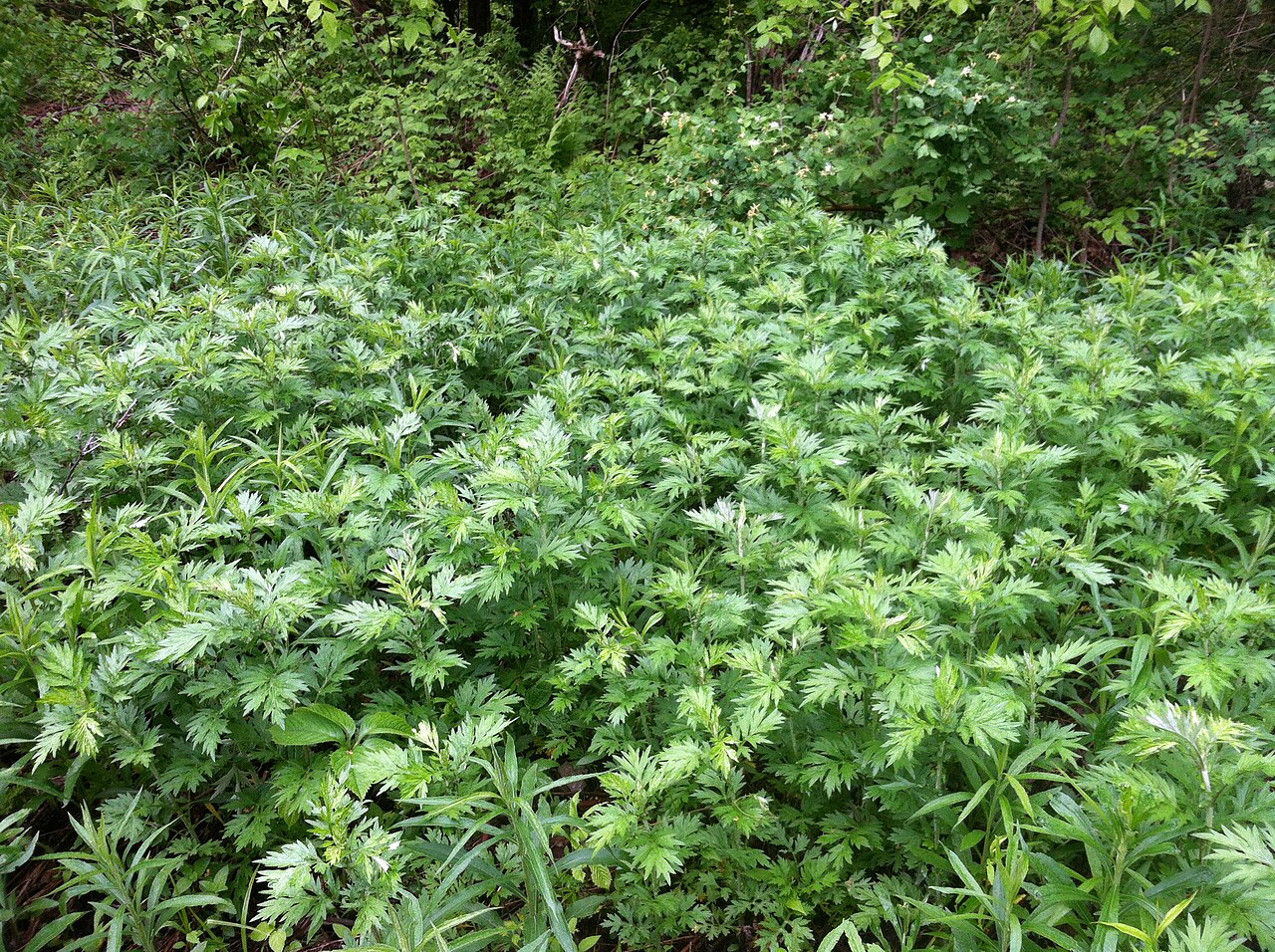
How to grow
This is an identification and control guide, not a planting recommendation: mugwort is a tall, aromatic perennial, 3-6 feet, with deeply lobed dark-green leaves that are silvery-white underneath and small, inconspicuous flowers in late summer. Start from divisions or cuttings in spring — seed works too, but divisions are faster — and think hard before you put it in open ground. Cornell Cooperative Extension calls mugwort an invasive perennial found throughout North America, spreading by an extensive rhizome system into dense stands that displace native plants, and it produces up to 200,000 seeds per plant. The responsible way to grow it is in a large pot or a sunk, bottomless container with a root barrier, deadheading before seed ripens, and never composting rhizome pieces or dumping trimmings where they can escape. Check your state’s invasive and noxious lists first, and if it is listed where you live, skip it and grow wormwood or southernwood instead. Mugwort pollen is also a common hay-fever trigger, so plant it away from bedroom windows if allergies run in your household.
Water & feeding
Water until established, then water moderately — mugwort tolerates drought once settled but grows lushest with steady moisture. It needs no fertilizer; compost at planting is plenty, and rich soil mostly makes it spread faster. In a pot, water when the top inch dries out and feed lightly once in spring, if at all.
Common problems
- Invasion by rhizomes — the main problem, full stop. Pot culture, root barriers, and ruthless removal of escapees are the only controls that work.
- Seed spread — deadhead flower stalks before they ripen, and bag trimmings rather than composting them.
- Allergy flare-ups — mugwort pollen aggravates hay fever for many people; site plants downwind of living areas.
- Aphids on young shoots — usually minor; blast with water and the plant outgrows it.
Harvest
Snip leafy stems through the season, taking the top growth before flowering for the most aromatic foliage, and dry in small bunches in a dark, airy place. This guide is about growing only and it makes no medicinal claims: mugwort has a long traditional herbal history, and it is also a known allergen that can cross-react with some foods and should be avoided in pregnancy — so if you are considering any herbal use, talk to a clinician first rather than experimenting. For most gardeners, mugwort’s real value is as a cautionary tale about rhizomes and a fragrant, silvery plant for a contained pot.
Browse all plant & pest guides
Saving seeds
Mugwort is almost too easy to save seed from, which is the first thing to know about it: this is a plant that wants to spread, and the seed is only one of its methods. The tiny seed ripens in late summer and fall, in the small flower heads along the upper stems. Snip the dry heads into a paper bag, crush them gently, and winnow out the chaff. A single plant can produce an astonishing amount of seed, so one paper bag is usually more than you will ever need.
The seed is tiny and needs light to germinate, so sow it on the surface of a moist seed-starting mix and press it in gently, but do not bury it. It germinates readily without cold treatment, though a short chill in the fridge does no harm. Sow in spring, keep the mix moist and bright, and expect sprouts within a couple of weeks. The seedlings are small at first but they grow fast, and mugwort is not a plant that needs coddling.
Division is the other route, and in some ways the more honest one: mugwort spreads by rhizome, and a chunk of root with a shoot attached, dug in spring or fall, is a guaranteed new plant. It is also the route to take if you want an exact clone of a particular plant, since seed-grown plants vary a little.
Here is the caution that belongs in any mugwort seed section: give it boundaries. Mugwort self-seeds freely and its rhizomes wander, and a plant that starts in a herb bed can end up running the whole bed within a couple of seasons. Grow it in a pot, or in a spot where you do not mind it spreading, and deadhead the flower heads before they ripen if you do not want volunteers. Save the seed in a labeled jar — dry it thoroughly first, because Florida humidity is the enemy of stored seed — and share the extras rather than sowing them all yourself.