
🍒 Nanking Cherry
What it looks like

How to grow
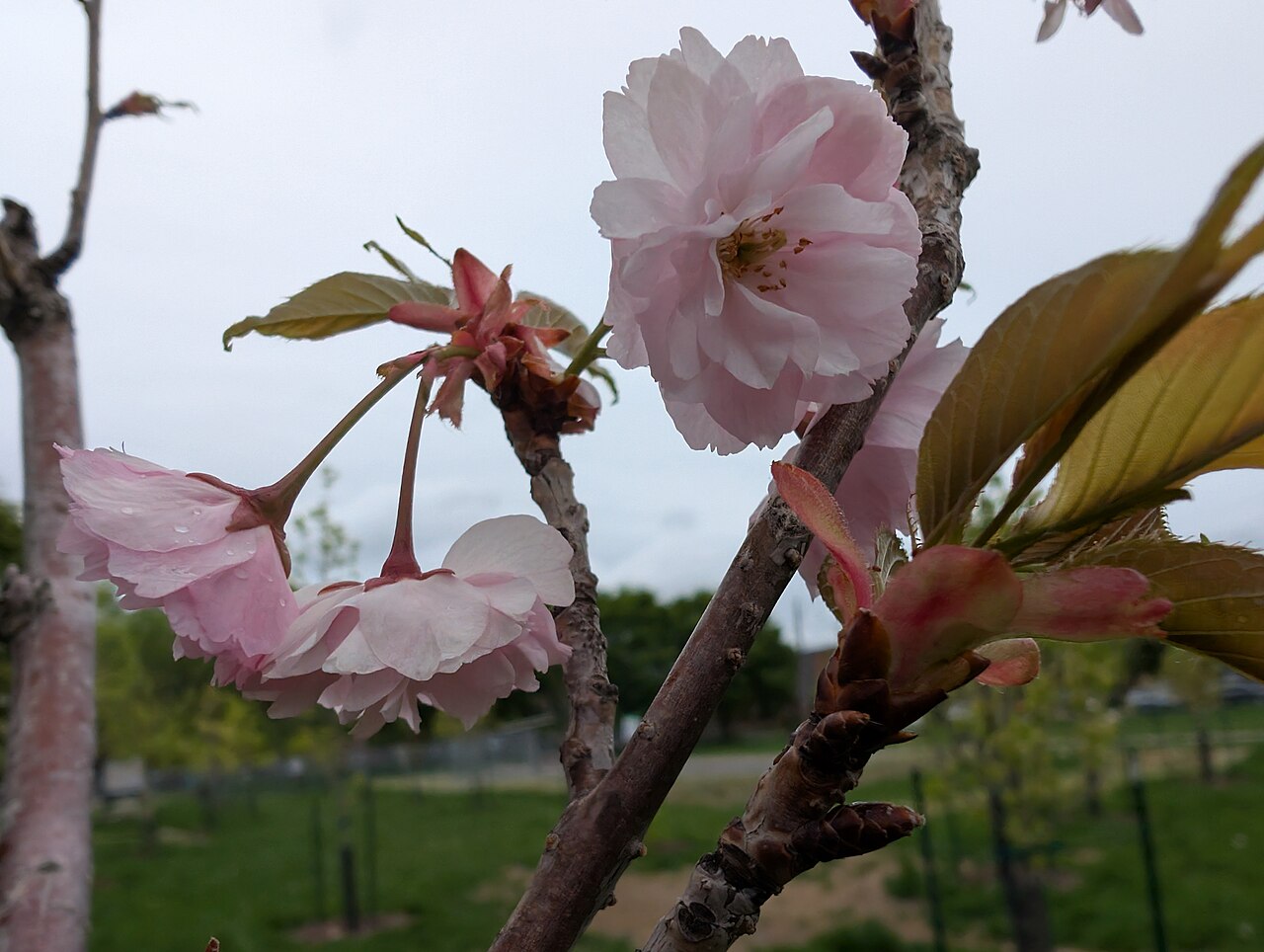
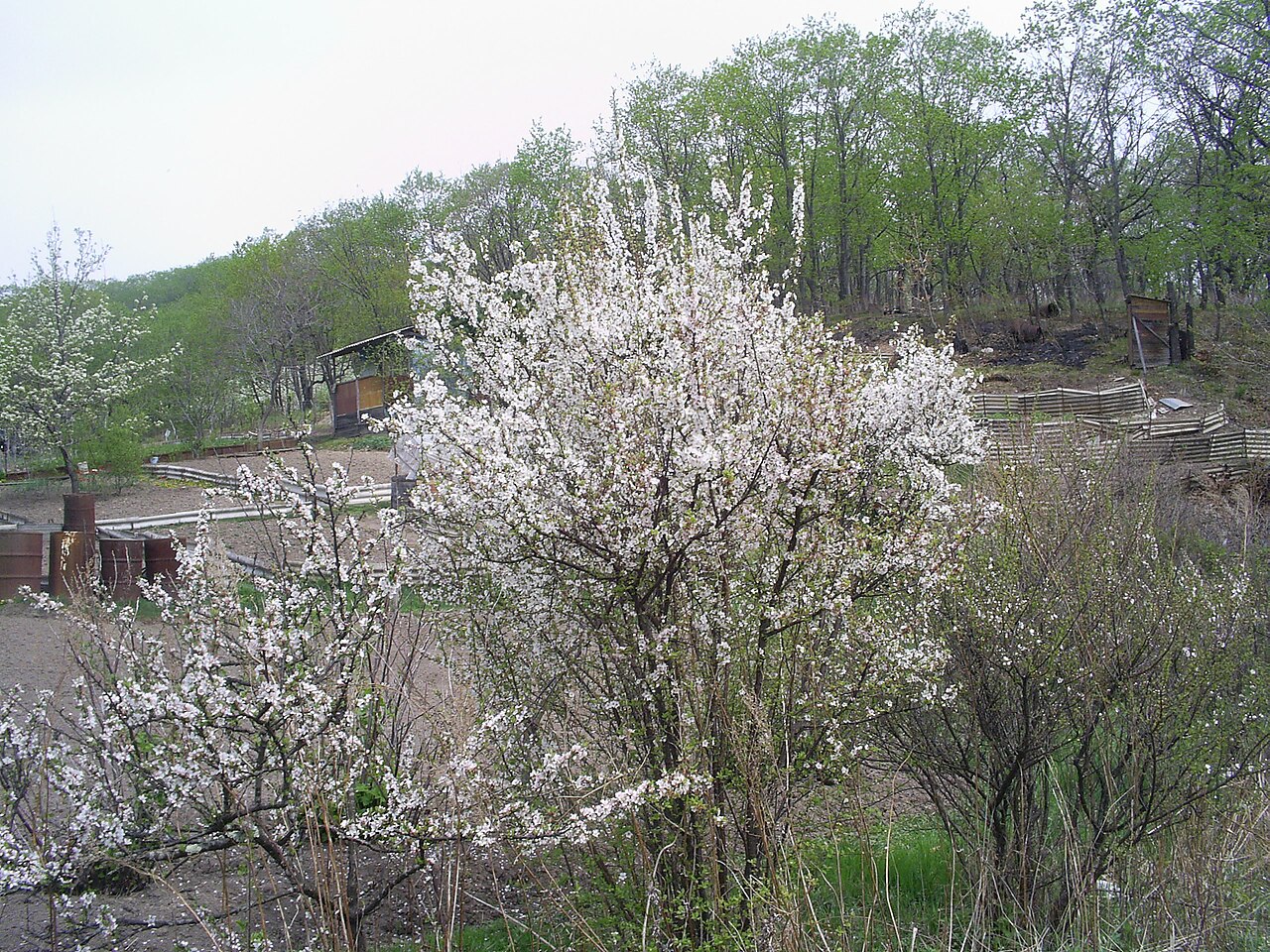
Nanking cherry is a shrub cherry from Asia, not a tree — it grows 6–10 feet tall and wide, blooms in a cloud of pink-white flowers in early spring, and produces masses of small, bright red, tart-sweet cherries in early summer. It is one of the hardiest cherries available, surviving winters that kill sweet cherries outright, but it dislikes heat and humidity, so it is a northern and mountain plant, not a southern one. Plant two or more for cross-pollination (Nanking cherries are generally not reliably self-fertile), in well-drained soil and full sun. Prune after fruiting to remove old wood and keep the center open; Nanking cherries fruit on both old and new wood, so renewal pruning — removing a few of the oldest stems each year — keeps production up without sacrificing a season.
Water & feeding
Water during establishment and dry spells; mature shrubs tolerate drought better than most cherries but fruit size drops without moisture. Mulch to hold water and keep grass away. Light feeding in spring is plenty.
Common problems
- Heat and humidity stress in warm zones — this is a cold-climate shrub; do not force it in the deep South
- Brown rot in wet springs — thin for airflow and remove mummies
- Birds — net the shrub, since the fruit ripens all at once and birds notice
- Short productive lifespan (often 10–15 years) — plant replacements or renew by pruning
Harvest
Pick when the cherries are fully red and soft — they are tart-sweet and best eaten fresh off the bush, frozen, or made into pies, jams, and wine. Harvest promptly when ripe, since the fruit softens fast and birds are on a schedule.
Browse all plant & pest guides
Saving seeds
Nanking cherry is a tough, productive shrub, and its seed is straightforward once you accept that it needs a winter. Collect the fruit when it is fully ripe and soft — the small red cherries pull easily from the branch — and mash them in water. The good seed sinks, the pulp and empty seed float, so pour off the floaters, rinse what is left, and dry the seed briefly on paper.
The seed needs cold stratification: mix the cleaned seed with damp sand or vermiculite, seal it in a bag, and refrigerate it for 90 to 120 days. Sow the stratified seed shallowly in spring, in a moist, well-draining mix, and keep it cool and bright. Germination is usually good and comes within a few weeks, though some seed takes longer, so do not give up on a pot at three weeks. A fall sowing outdoors, letting a real winter do the stratifying, is the simplest method of all — sow the seed in a pot, set it in a sheltered spot, and let nature handle the calendar.
The honest headline is the same one that applies to most fruit: a seedling is a gamble, not a copy. Nanking cherry seedlings vary in fruit size, flavor, and productivity, and a seedling from a named cultivar will not come true to type. If you want a specific variety, grafting is the route. Suckers are the other thing to know about: nanking cherry suckers freely from the base, and suckers from a grafted plant will be the rootstock, not the named variety — so do not mistake a vigorous sucker for a clone of your favorite cherry.
Save seed from fruit that was fully ripe and delicious, from a healthy, productive shrub, and sow more than you need. Keep saved seed cool and dry — Florida humidity is the enemy of stored seed, so jar it with a silica gel packet and keep it in a cool, dark place.