
🫐 Nannyberry
What it looks like
How to grow
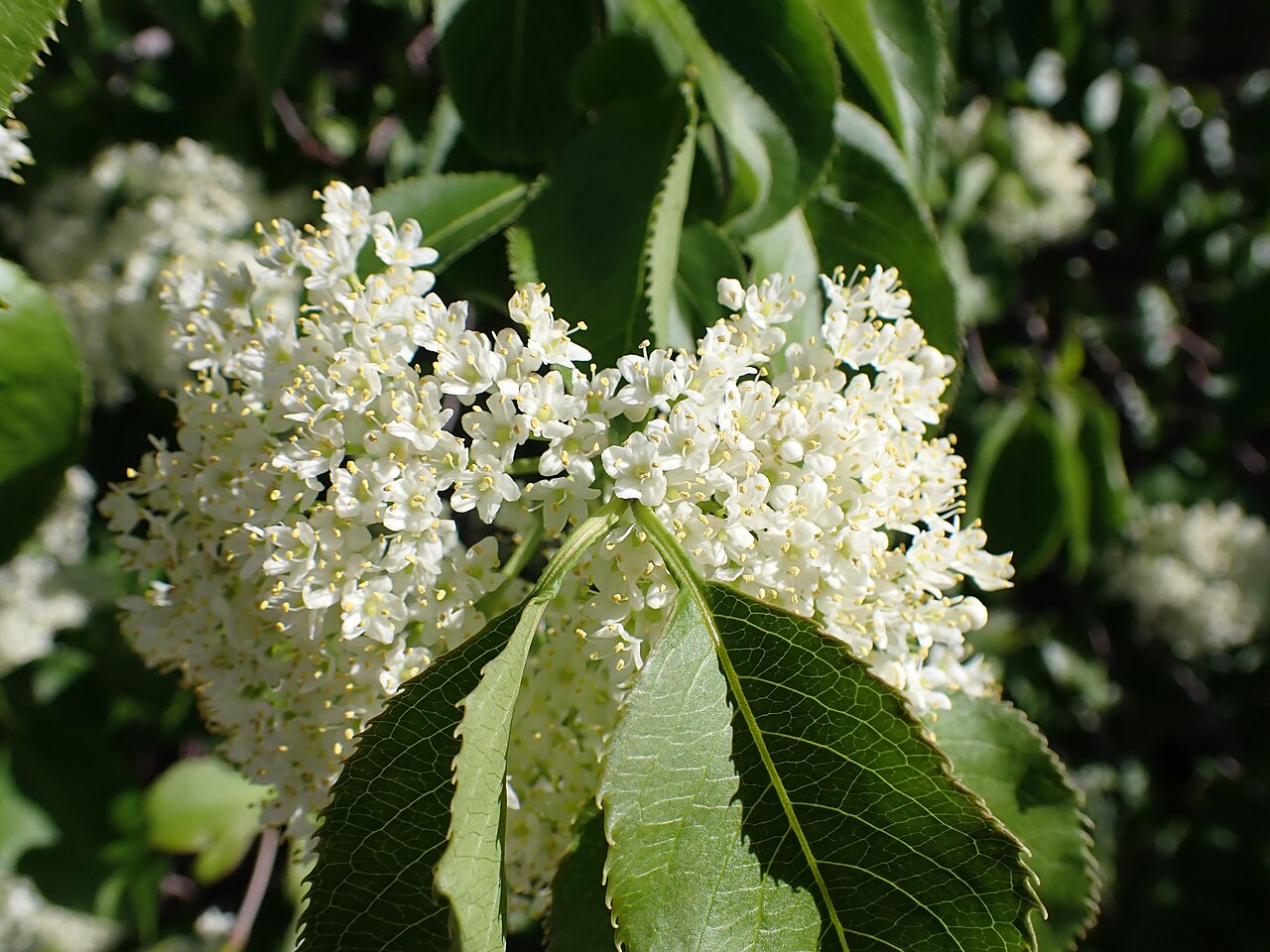
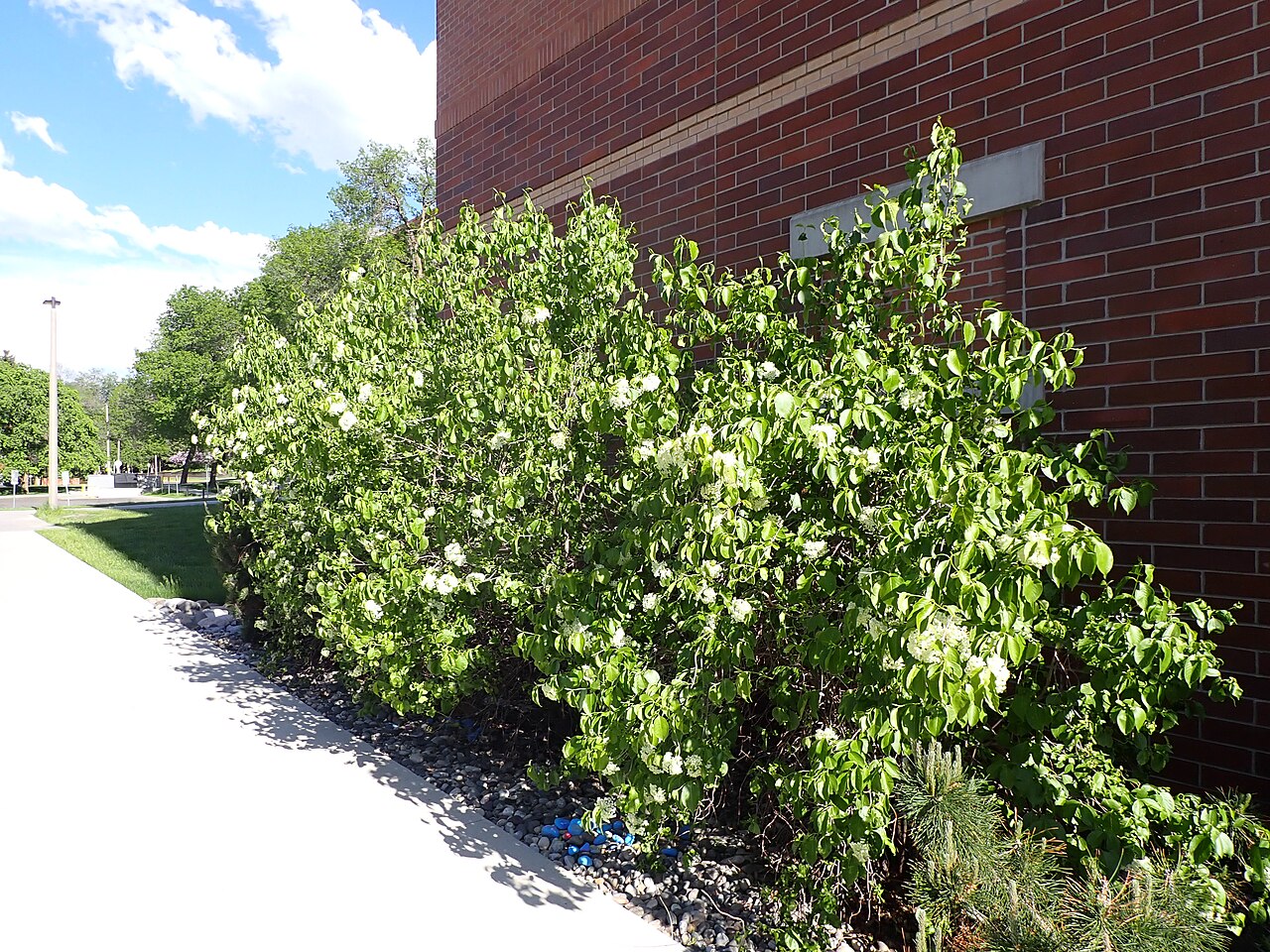
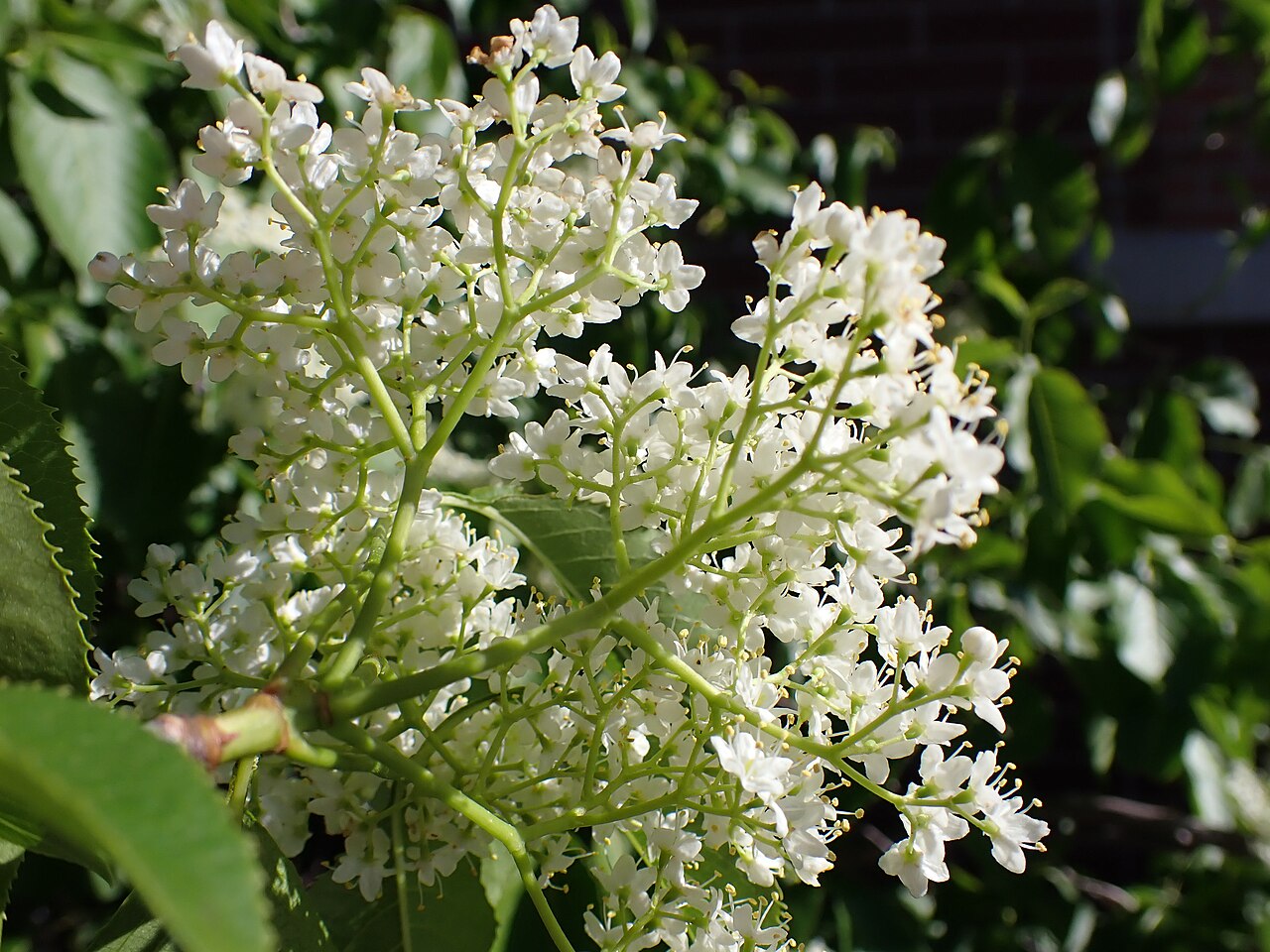
Nannyberry is a large, arching native shrub — 15–18 feet tall and 8–10 feet wide, sometimes grown as a small tree — with glossy leaves, flat-topped clusters of creamy white flowers in spring, and one of the prettiest fruit shows around: a single cluster holds green, yellow, pink, and finally blue-black berries at once. Plant in spring or fall in moist, well-drained loam or clay; it tolerates wet soil and a range of pH, but prefers steady moisture and dislikes drought. For fruit, plant two genetically different plants — a second nannyberry grown from seed or a different variety, or a compatible viburnum such as blackhaw — because a lone shrub fruits poorly. It suckers gently with age, forming a handsome colony, and its fall foliage turns gold and purple.
Water & feeding
Water regularly while establishing and in dry spells; mature plants tolerate short droughts but fruit and foliage are best with consistent moisture. Mulch to hold moisture, and feed lightly in spring with compost or a balanced slow-release fertilizer. Nannyberry is not fussy about fertility, so skip heavy feeding.
Common problems
- No fruit — usually a pollination problem; add a second, different plant nearby.
- Rabbit and rodent bark damage in winter — wrap young trunks with a guard or hardware cloth where rabbits are active.
- Viburnum leaf beetle — watch for skeletonized leaves in spring and pick off larvae; healthy plants recover, but repeated defoliation weakens them.
- Suckering into paths — mow or cut unwanted shoots; the colony habit is a feature in a hedge, a nuisance in a narrow bed.
Harvest
Pick berries in fall when fully blue-black and soft; they are edible off the bush when ripe and good in jams and jellies. Taste varies by plant — the best forms are sweet, others are better cooked — so sample before you commit to a whole harvest.
Browse all plant & pest guides
Saving seeds
Nannyberry is a patient person’s seed project, and the first thing to know is that the seed has two locks on it, not one. The fruit ripens in fall — dark blue-black berries in hanging clusters — and the seed inside needs a warm period followed by a cold period before it will sprout. That double dormancy is why nannyberry seed sown in spring often does nothing at all, and why so many first attempts end with an empty pot and a shrug.
The easiest method is also the oldest one: sow the seed fresh in fall, outdoors, in a pot of moist, well-draining mix set in a sheltered spot, and wait. The warm weeks of fall break the first dormancy, the winter cold breaks the second, and the seed usually sprouts in its second spring — which means 18 months from sowing to seedling, and a gardener who forgets about the pot for a year and then finds a seedling in it is not doing anything wrong. Mark the pot clearly and do not throw it away.
If you prefer the fridge to the weather, the indoor route is warm stratification first — 60 to 90 days in damp sand at room temperature — followed by 90 to 120 days of cold stratification in the fridge, then sowing in spring. Either way, expect uneven germination: some seed sprouts the first spring, some waits another year, and that spread is normal for a plant that hedges its bets in the wild.
Cuttings are the faster route for named selections, since seed-grown plants vary. But if you want the experience of growing a native viburnum from seed, nannyberry rewards the patient — just do not expect it to hurry. Keep saved seed cool and dry while you wait to sow it, and remember that Florida humidity is the enemy of stored seed, so jar it with a silica gel packet and keep it in a cool, dark place.