
🥬 New Zealand Spinach
What it looks like
How to grow
New Zealand spinach is another spinach-that-isn’t: a sprawling, succulent ground cover from the Pacific that cooks like spinach, tolerates heat and drought that would finish true spinach in a week, and produces from early summer until frost. Captain Cook’s crew ate it to ward off scurvy, and the botanist on that voyage, Joseph Banks, brought seed back to England.
Soak the large, corky seeds overnight (or nick them) before sowing — germination is slow and uneven otherwise, and patience is part of the crop. Direct-sow after last frost, 1/2 inch deep, or start indoors for a head start in short seasons. Plants sprawl rather than climb, so give them room or let them edge a bed as a living mulch.
Picking drives production: harvest shoot tips and young leaves regularly, and the plant branches into a dense mat. Old leaves get tough, so pick young and often. New Zealand spinach tolerates poor soil and salt spray better than most greens, which is why it also grows well in coastal gardens.
Water & feeding
About 1 inch a week is plenty — New Zealand spinach tolerates drought better than most greens, though steady water gives tenderer leaves. Work worm castings into the bed at planting; castings carry a low burn risk and a single mid-season side-dress is enough for a sprawling, low-demand crop. Mulch to hold moisture and keep sprawling stems clean.
Common problems
- Slow, uneven germination: soak or nick seed, sow generously, and thin to spacing.
- Slugs on low, sprawling leaves: traps, clean mulch, and regular picking keep damage minor.
- Sprawling into paths: the main management issue — give it a defined bed edge or prune runners.
- Frost kill: plants die at first frost, so harvest heavily before it and save seed if you want next year’s crop.
Harvest
Pick shoot tips and young leaves (3–4 inches) continuously once plants are established. Cook like spinach — wilted, steamed, or in soups — rather than eating large quantities raw; the leaves are slightly salty and best cooked. A few plants feed a household all summer, which is the entire argument for growing it.
Browse all plant & pest guides
Saving seeds
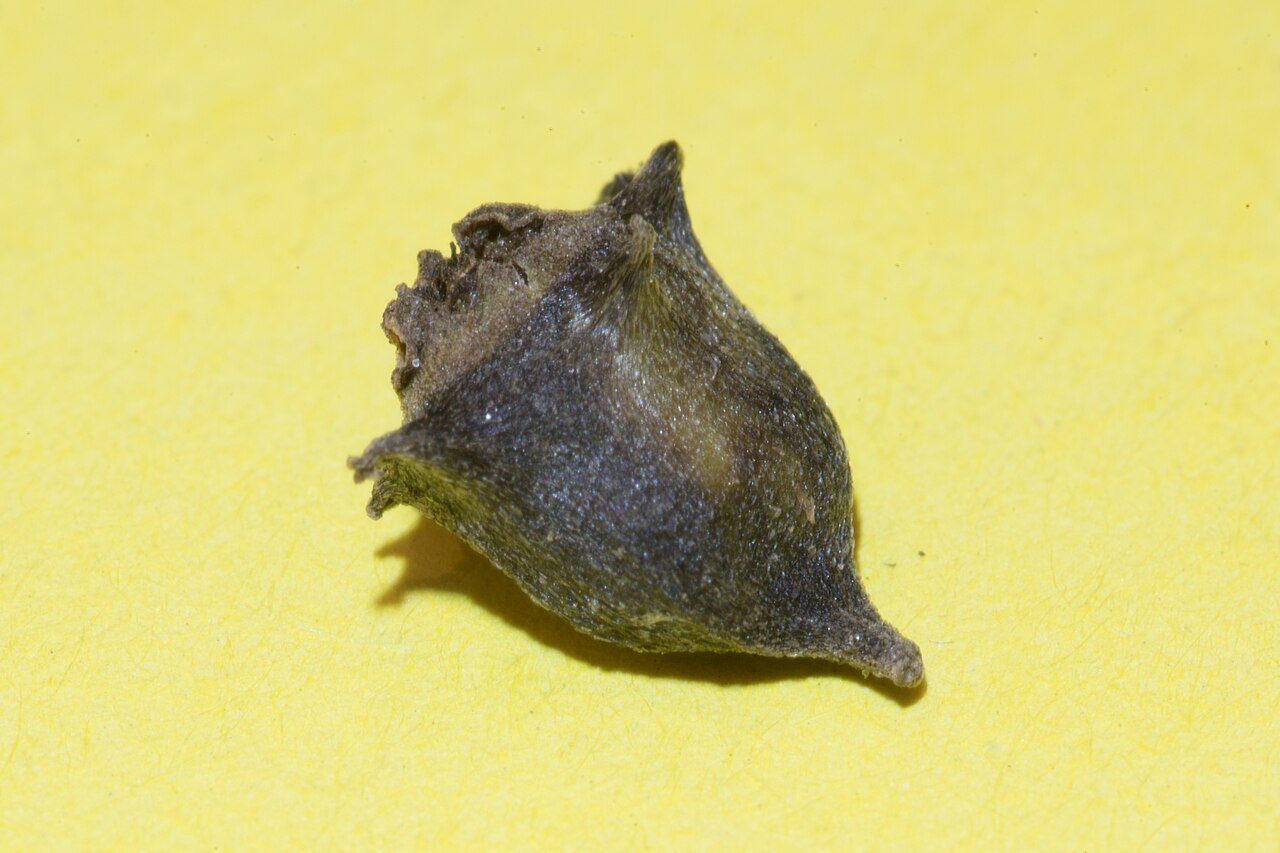
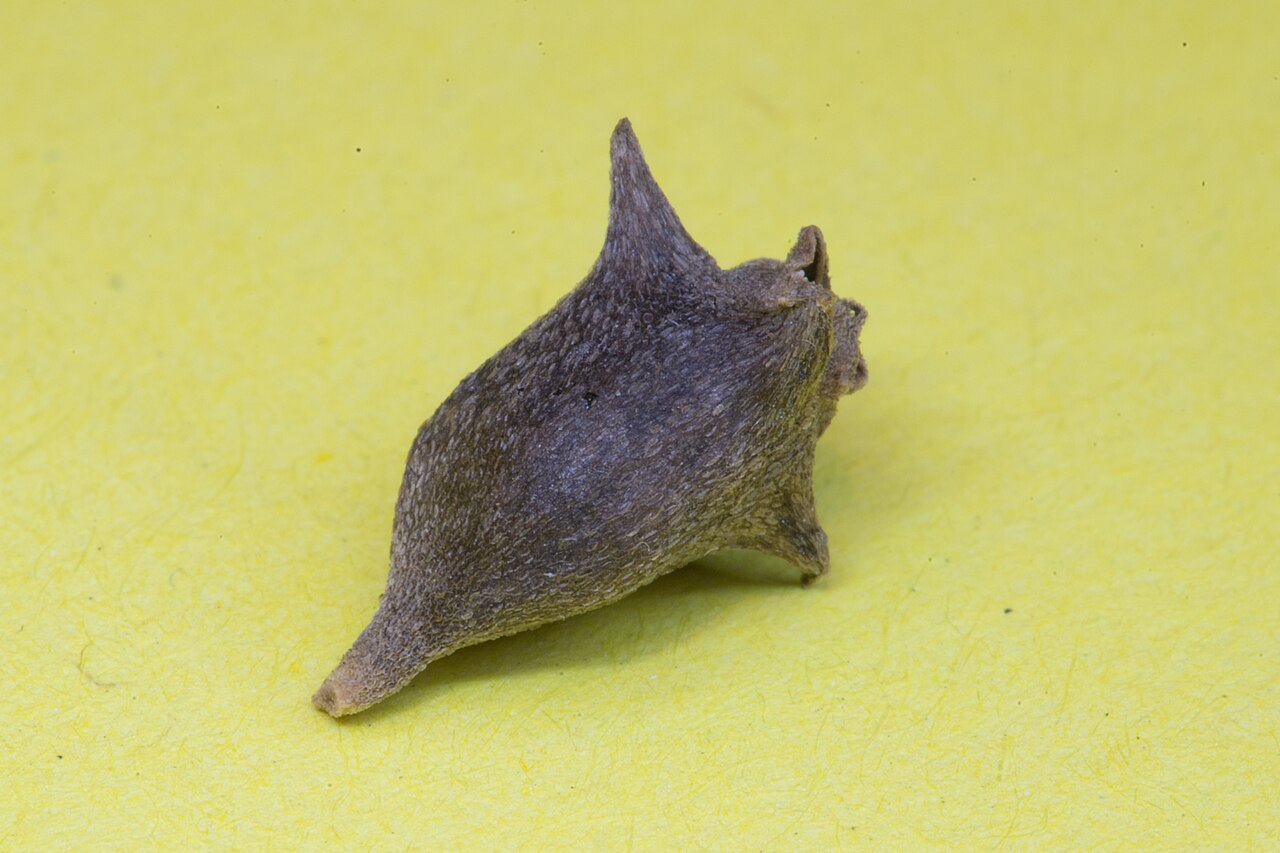
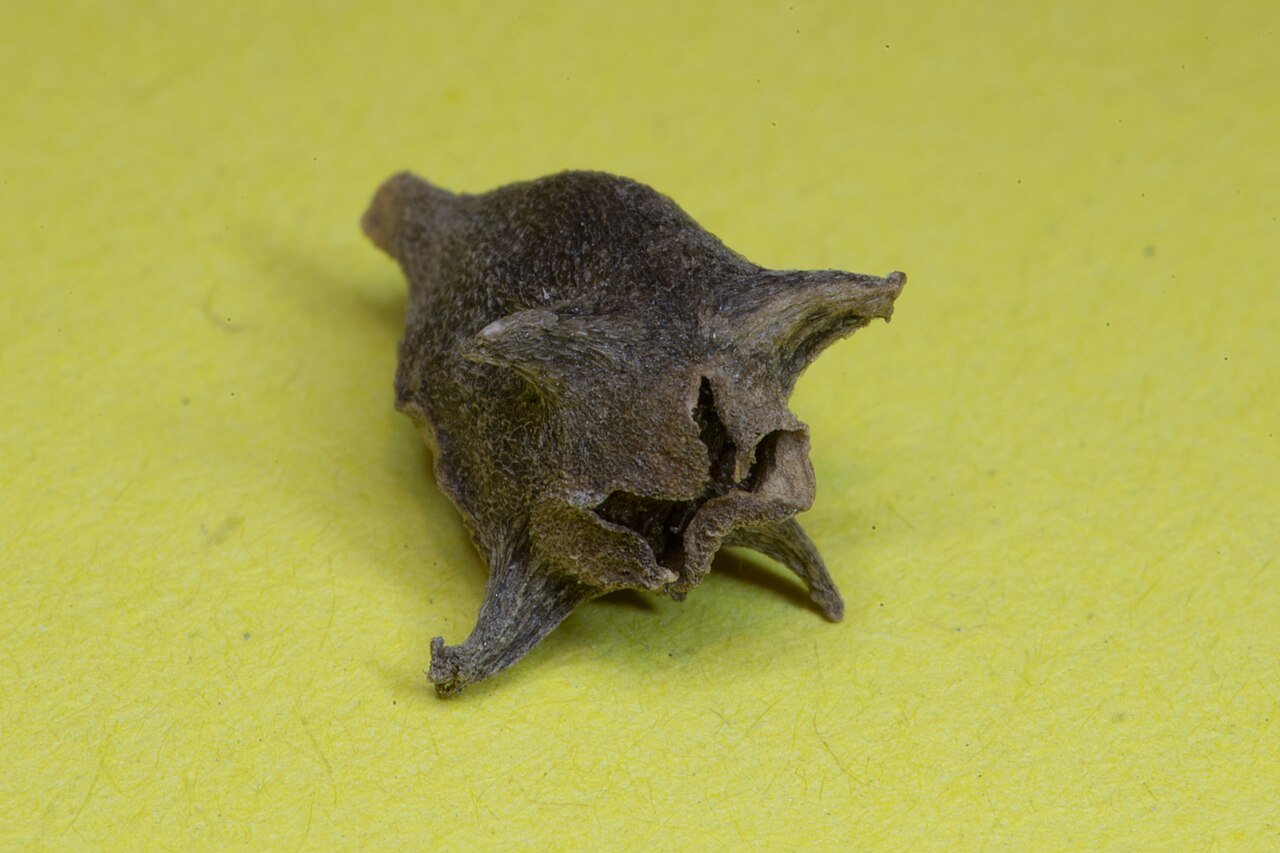
New Zealand spinach is a heat-loving green that laughs at summer, and its seed is a little odd — which is the first thing to know about saving it. What looks like a seed is actually a hard, corky cluster that holds several seeds inside, and the cluster is slow to wake up. Collect the dry clusters in fall, when they turn brown and hard and drop easily from the plant, and let them finish drying on a tray for a few days.
The coat needs softening before the seed inside will sprout. Soak the clusters in warm water for 24 hours, or nick the coat with a file — either way, the goal is to let water in. Sow the soaked clusters shallowly in warm soil, around 70°F or warmer, and keep them moist and bright. Germination is slow and erratic, usually two to three weeks and sometimes longer, with the seeds inside one cluster sprouting at different times. That stagger is normal, not a failure — thin the seedlings to one per spot once they are up, and let the strongest win.
New Zealand spinach self-seeds readily in a warm garden, so a plant you grew once will often volunteer the next year without any help from you. That is a feature if you love the green, and a reason to deadhead the clusters you do not want to keep. Save seed from your healthiest, most productive plants — the ones that kept producing leaves all summer — and dry the clusters thoroughly before jarring them, because Florida humidity is the enemy of stored seed.
One practical note: the clusters are chunky enough to space by hand, which makes New Zealand spinach one of the easiest greens to sow deliberately. Sow a few clusters where you want plants, thin to the strongest seedling, and you are done. Properly dried, the seed keeps for several years in a cool, dark jar with a silica gel packet.