
🍒 North Star Sour Cherry
What it looks like
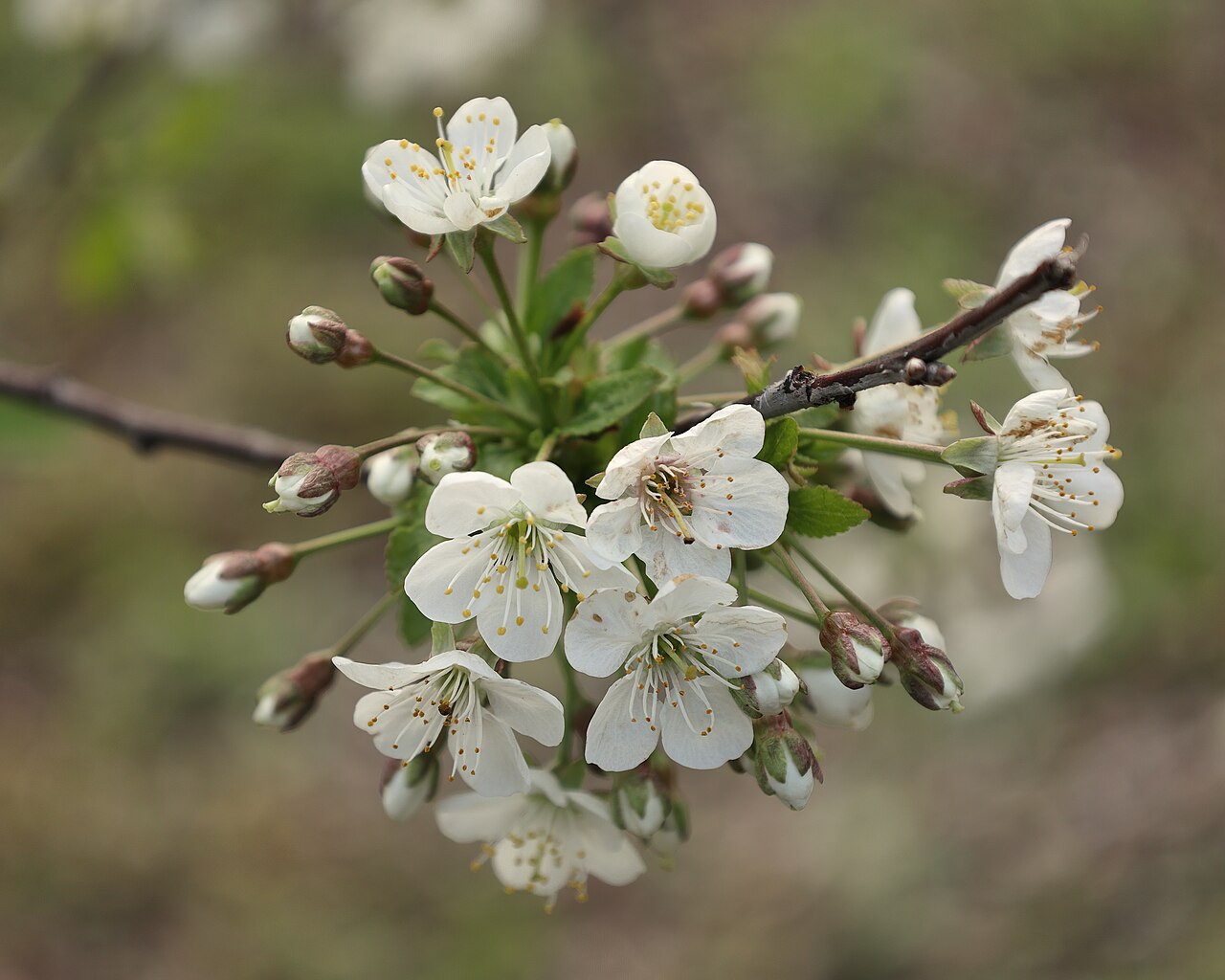
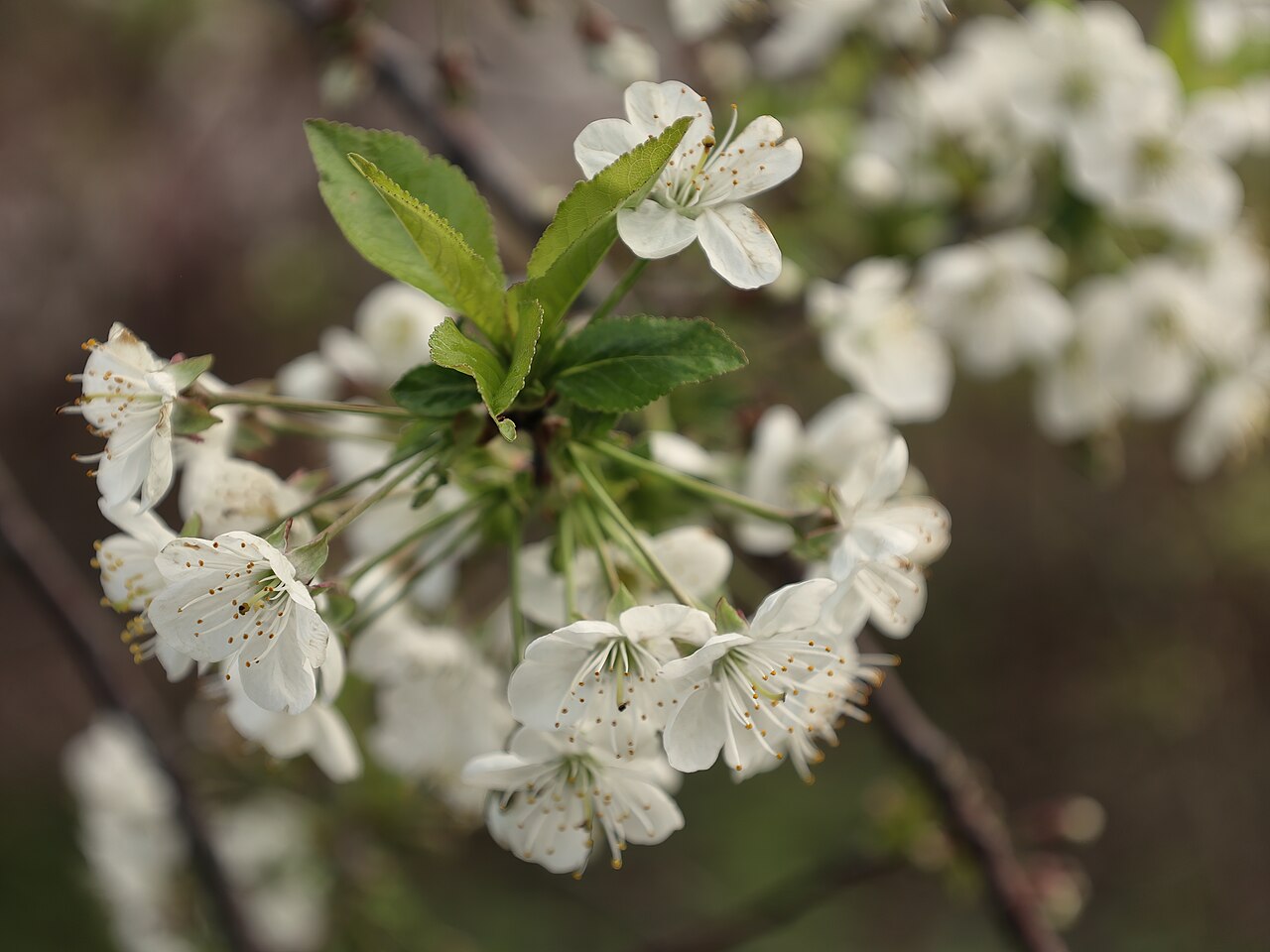
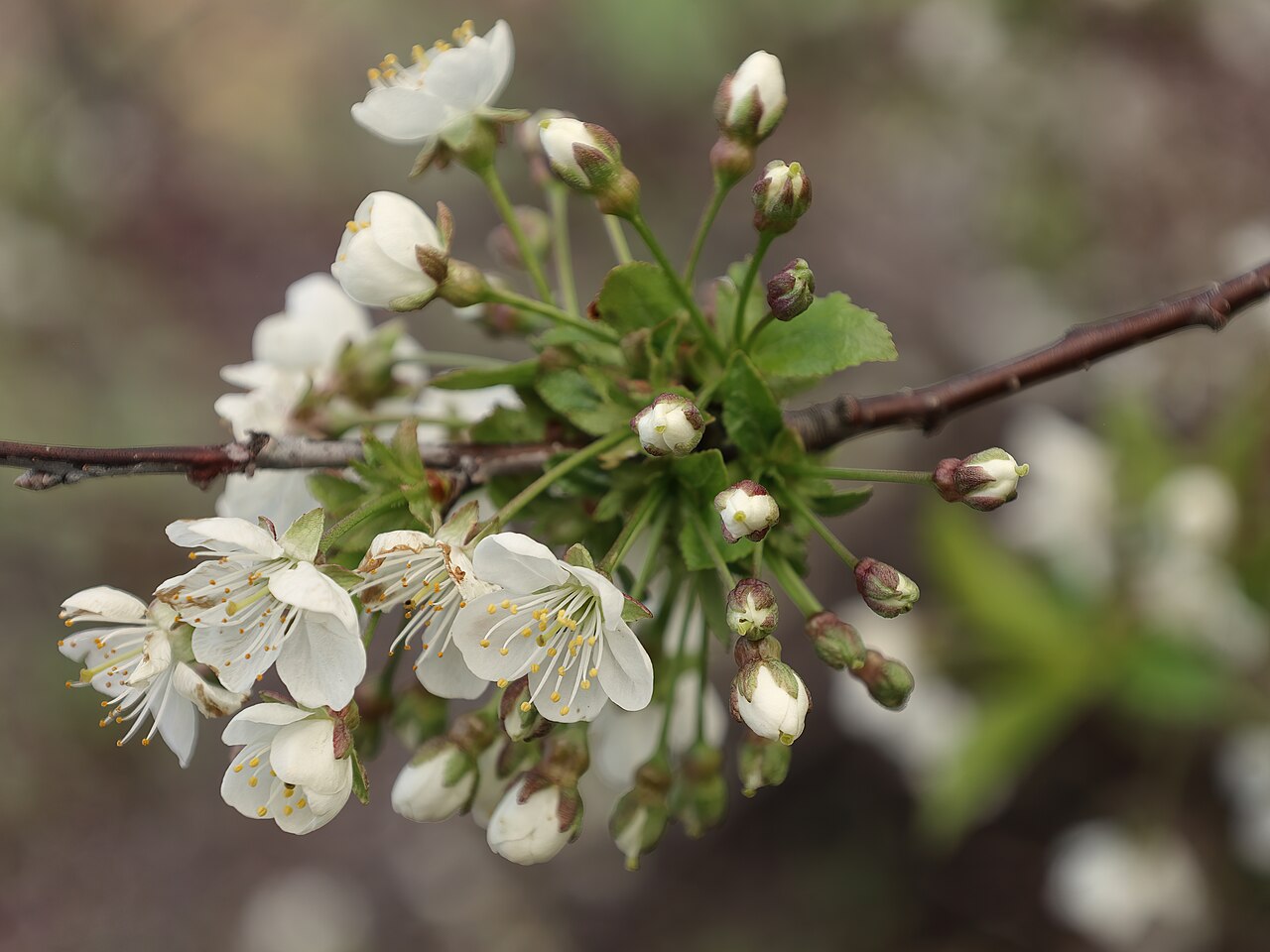
Why this variety
North Star solves the one problem that keeps most people from planting a sour cherry: the tree is too big for the yard. This is a natural dwarf, typically only 8-10 feet tall, that fits a small yard, a side garden, or even a large container planting, and it still produces the bright, tart, ruby-red fruit that makes sour cherries the baking cherry. It is self-fertile, so a single tree fruits without a pollination partner — one tree, one pie, no orchard required.
The fruit is the classic pie cherry: tart, juicy, and red-skinned with yellow flesh, ripening in summer and made for baking, jam, juice, and freezing. Montmorency, the other sour cherry guide on this site, is the full-sized standard by which pie cherries are judged; North Star is the small-yard answer to the same craving, with the same tart flavor in a tree a third of the size. Cold hardiness is the other half of its reputation: North Star was bred for northern winters, and it shrugs off cold that damages tender fruit trees. Small tree, big winter tolerance, real pie cherries — that is a combination worth a whole guide.
Natural dwarf, 8-10 feet; self-fertile; bright tart fruit for baking, jam, and juice. The sour cherry for small yards and cold zones.
How to grow
Plant dormant bare-root trees in early spring, in well-drained soil and never in a frost pocket, since cherry blossoms are frost-tender even on a cold-hardy tree. Prune to an open vase in the first few years so light and air reach the interior wood where fruit forms, and keep the graft union above soil level.
Give North Star full sun and deep, well-drained soil — stone fruit drowns in wet feet faster than almost any other fruit group, so drainage is the whole game. Because the tree is small, spacing is forgiving: 10-15 feet apart gives a dwarf cherry room to spread without crowding, and a single tree in a sunny corner is a legitimate planting, not a compromise. Prune after harvest to remove dead, crossing, and inward-growing wood, and thin heavy crops in a big year so branches do not break under fruit they cannot hold.
Florida framing, stated plainly: North Star is a northern tree, and a North Florida trial only. Sour cherry wants a real winter chill and cool summers, and Florida’s mild winters, heat, and humidity work against fruit set, tree health, and disease pressure. In North Florida, plant in full sun with airflow and well-drained soil, and judge the trial over several years, not one; further south, reference only. Florida gardeners who want tart fruit for baking should look first to warm-climate fruit that actually wants the climate, and treat North Star as the small-yard pie cherry for colder-climate readers.
Water & feeding
Water young trees deeply through their first two growing seasons, then water consistently through fruit development — uneven watering makes fruit split and drop. A thick mulch ring (kept off the trunk) holds moisture and suppresses weeds, and worm castings worked into the planting hole and as a spring top-dress feed the soil biology that stone fruit rewards. Skip heavy nitrogen after fruit set: it buys leaves at the expense of fruit.
Common problems
- Brown rot — the classic stone-fruit fungus, worst in warm, humid weather. It rots blossoms and fruit and overwinters in mummified fruit left on tree or ground. Sanitation (remove mummies, fallen fruit, and diseased wood) matters more than any spray.
- Bacterial canker and cherry leaf spot — leaf yellowing and drop, and cankers on wood, both worse in humidity. Prune for airflow, clean up fallen leaves, and remove diseased wood promptly.
- Late frost on open bloom — one hard freeze after a warm spell ends the crop. Site trees where cold air drains away, not in frost pockets, and accept that some springs will simply be lost.
- Birds — they know ripeness a day before you do. A dwarf tree is easy to net, which is one of the quiet advantages of growing small: net before fruit colors fully if you want to taste the crop.
- Peach tree borer and other borers — sawdust-like frass at the trunk base is the sign. Keep trunks healthy, avoid mower wounds, and remove infested wood.
Harvest
Pick when fruit is fully red, soft, and tart-juicy — taste one before harvesting the whole tree, since sour cherries look ripe before they taste ripe. Use fresh within days, or preserve promptly: pies, jam, juice, and freezing all suit sour cherry, and a dwarf tree’s crop handled the same week beats a dwarf tree’s crop left to rot on the branches. Pit promptly after picking; pitting a bowl of North Stars is the price of the pie, and it is a fair price.
Browse all plant & pest guides
Saving seeds
North Star solves the one problem that keeps most people from planting a sour cherry: the tree is too big for the yard. This is a natural dwarf, typically only 8 to 10 feet tall, that fits a small yard, a side garden, or even a large container planting, and it still produces the bright, tart, ruby-red fruit that makes sour cherries the baking cherry. It is self-fertile, so a single tree fruits without a pollination partner — one tree, one pie, no orchard required. As a named sour cherry variety it is kept true by grafting, not by seed: plant dormant bare-root trees in early spring, in well-drained soil and never in a frost pocket, and prune to an open vase in the first few years. The full method is in the Saving seeds section of the Sour Cherry guide.