
🌿 Oaxacan Red Epazote
What it looks like
Why this variety
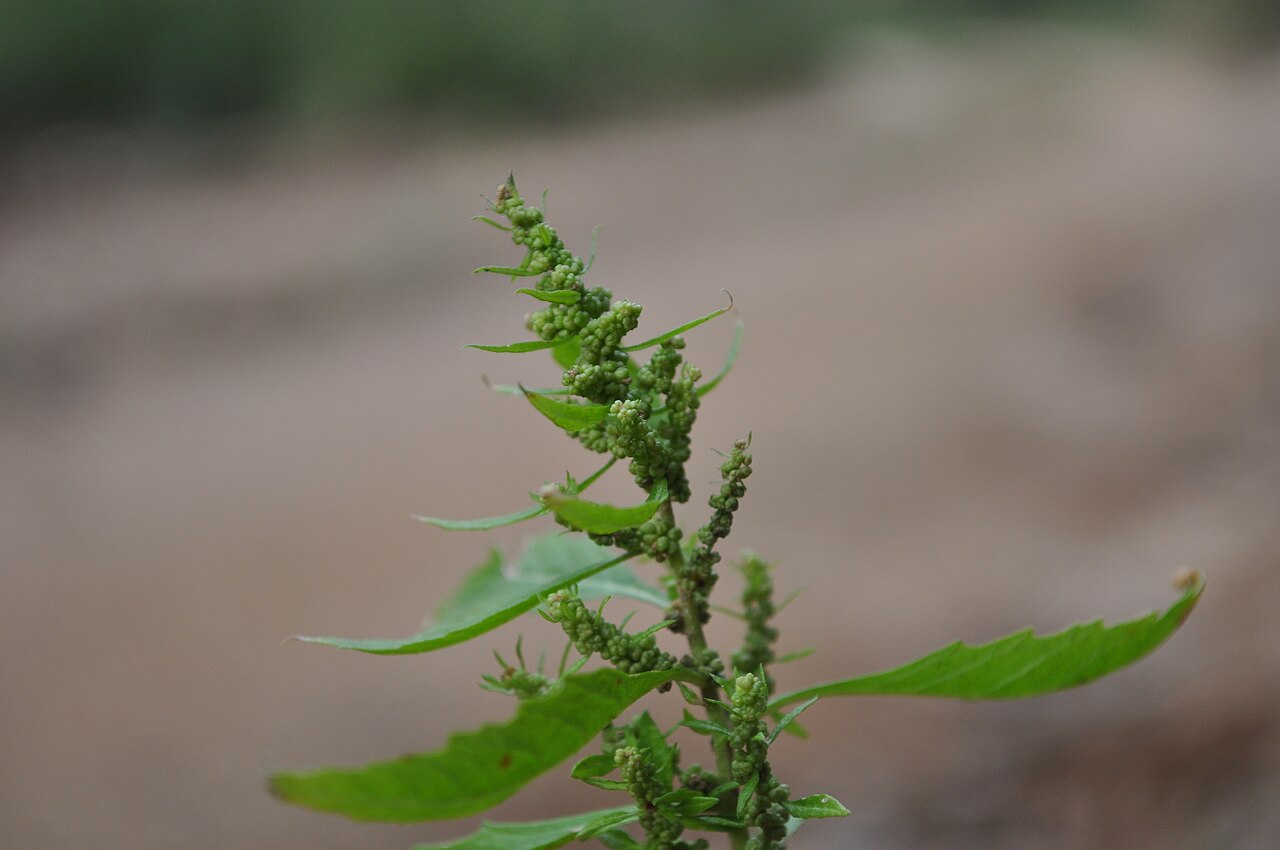
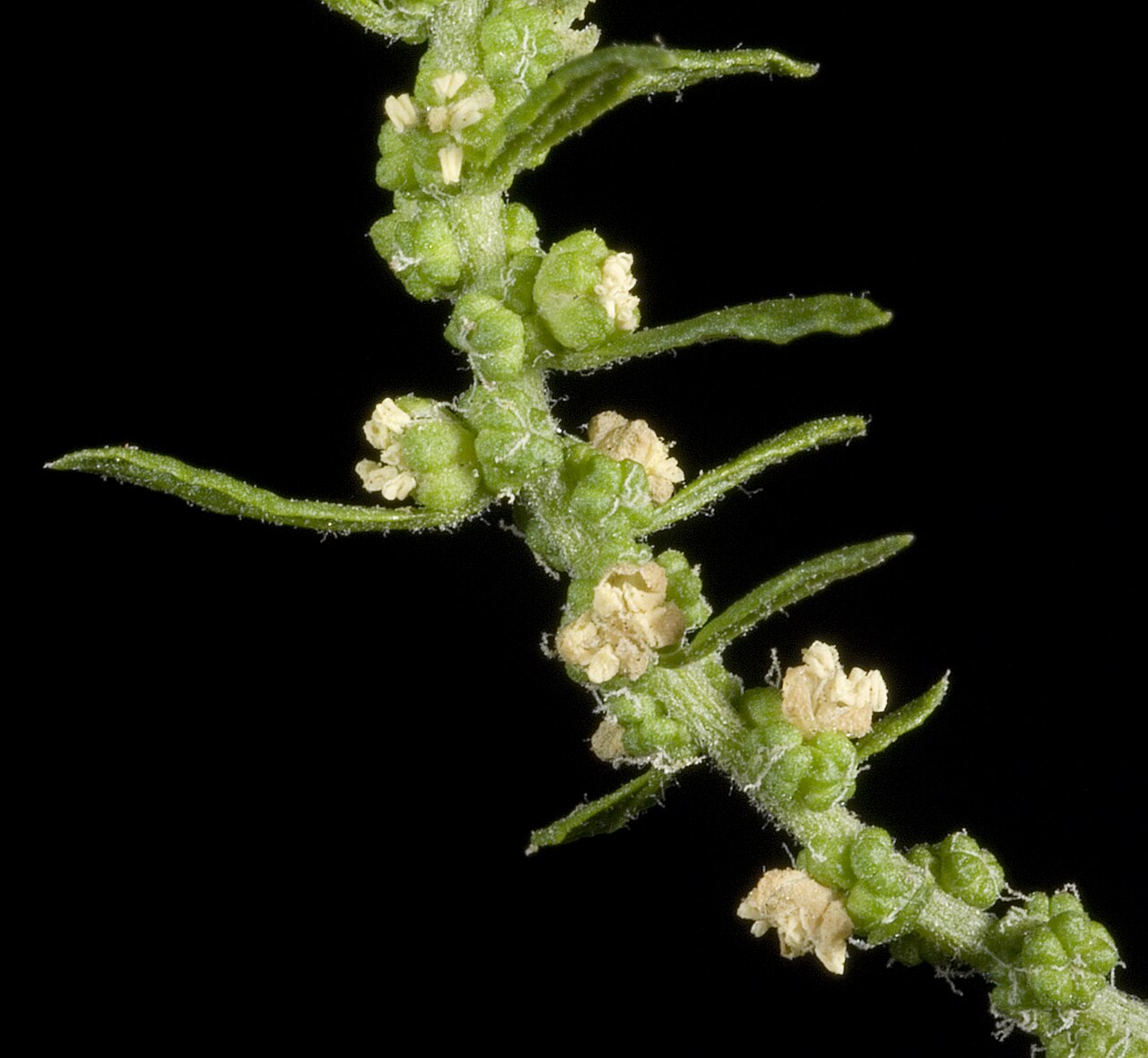
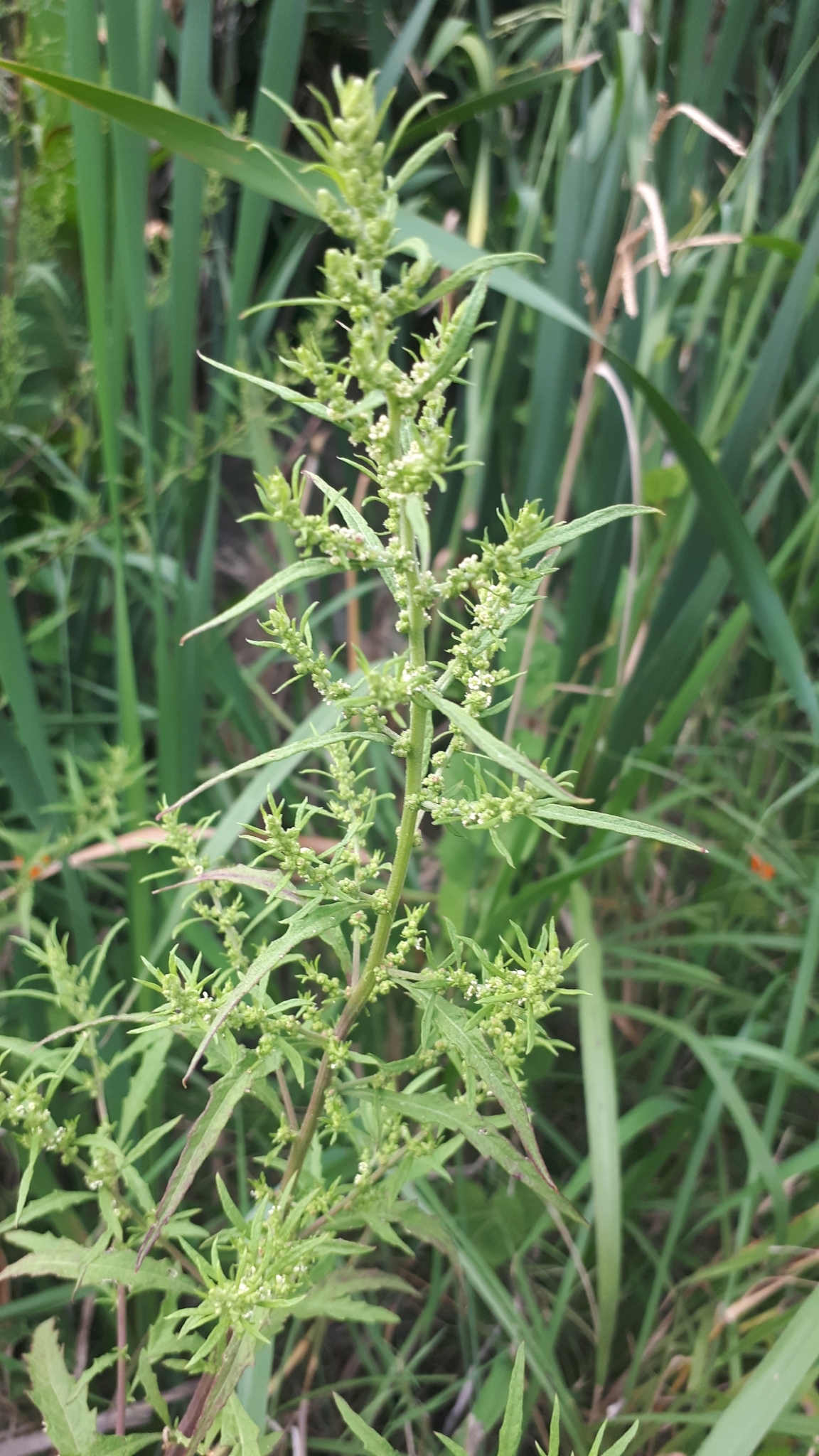
Oaxacan Red is the one documented epazote selection in the seed trade: the same pungent, resinous bean herb as plain epazote, but with reddish stems and a more upright, colorful habit that makes it easier to spot in a crowded herb bed. Epazote is the herb Mexican cooking reaches for with black beans, not because it is polite — its flavor is strong, almost medicinal, with notes of turpentine and citrus that sound alarming and taste essential once you have had real frijoles de la olla. A few leaves in the pot change the beans completely, and Oaxacan Red gives you that flavor on a prettier plant.
The trade-off is enthusiasm. Epazote self-seeds with abandon in warm climates, and a plant left to flower will sow itself into every nearby bed, path crack, and pot for years. If you want one plant, not a colony, pinch flower heads before they set seed, or grow it in a container. Harvest young leaves for cooking, and use epazote the way Mexican cooks do — a few leaves per pot, not a salad bowl of it — because its flavor is potent and its essential oil is toxic in large doses. Culinary leaves in normal cooking amounts are the tradition; the oil is not food.
If you are new to choosing between cultivars, the Varieties Matter guide explains why the name after the plant matters as much as the plant itself. Oaxacan Red is a perfect example: it is not just a epazote in the abstract, it is a epazote with a specific job, a specific history, and specific strengths.
Florida honesty: epazote is a genuine statewide plant in Florida, thriving in heat and self-seeding so freely that most Florida herb gardeners plant it once and then spend years editing volunteers. That vigor is a feature if you cook beans weekly and a weed problem if you do not, so site it where seedlings are easy to pull. It tolerates poor soil and drought once established, which makes it one of the lowest-effort herbs on this site — just do not let it set seed near a natural area.
How to grow
Sow seed directly in spring in full sun and well-drained soil, or start indoors and set out after frost danger — epazote germinates easily and grows fast. Work worm castings into the bed at sowing, thin seedlings to 12 to 18 inches apart, and pinch the central stem to encourage bushy growth. Harvest young leaves as needed, and pinch flower heads before they set seed unless you want volunteers everywhere, because epazote self-seeds with enthusiasm in warm climates.
Set plants 12-18 inches apart in soil with a pH around 6.0-7.5. Work worm castings into the bed at planting and mulch to hold moisture. A well-fed epazote plant rewards that care directly: steadier growth, better bloom, and a show that actually shows up.
Water & feeding
Water to establish, then water moderately — epazote tolerates drought once established and sulks in waterlogged soil, so overwatering is the mistake to avoid. Water at the soil line, do not mulch heavily, and feed lightly: castings at planting is usually enough, because rich soil makes leggy epazote with diluted flavor. In a dry spell, occasional deep watering keeps it leafy; in a wet season, drainage is the care program, and a container with drainage holes is the safest Florida home for a plant that self-seeds everywhere.
Common problems
- Enthusiastic self-seeding — volunteers appear everywhere in warm climates; pinch flower heads before seed sets, or grow it in a container.
- Essential-oil toxicity in excess — culinary leaves in normal cooking amounts are traditional, but the oil is toxic and never food; use a few leaves per pot, not handfuls.
- Strong flavor overwhelming dishes — epazote is potent; add a few leaves early in cooking and taste before adding more, because you cannot remove it once it is in.
- Aphids on new growth — blast with water and encourage ladybugs; avoid broad-spectrum sprays on a culinary herb.
- Leggy growth in shade or rich soil — lean soil and full sun make bushier epazote; pinch the central stem to encourage branching.
Harvest
Harvest young leaves all season, a few at a time, for cooking — epazote is a pot herb, not a salad green, and a few leaves per pot of beans is the traditional dose. Pick leaves in the morning when oils are strongest, use them fresh or dried, and pinch flower heads before they set seed unless you want volunteers. Do not harvest the essential oil or use epazote medicinally in large doses: the oil is toxic in excess, and this guide recommends culinary leaves in normal cooking amounts only. At season’s end, pull plants before they seed everywhere, or leave one plant to seed if you want next year’s volunteers.
Browse all plant & pest guides
Saving seeds
Oaxacan Red is the one documented epazote selection in the seed trade: the same pungent, resinous bean herb as plain epazote, but with reddish stems and a more upright, colorful habit that makes it easier to spot in a crowded herb bed. Epazote is the herb Mexican cooking reaches for with black beans, not because it is polite — its flavor is strong, almost medicinal, with notes of turpentine and citrus that sound alarming and taste essential once you have had real frijoles de la olla. As an open-pollinated selection it comes true from seed: sow seed directly in spring in full sun and well-drained soil, thin seedlings to 12 to 18 inches apart, and pinch flower heads before they set seed unless you want volunteers everywhere, because epazote self-seeds with enthusiasm in warm climates. The full method is in the Saving seeds section of the Epazote guide.