
🌿 Orange Mint
What it looks like
Why this variety
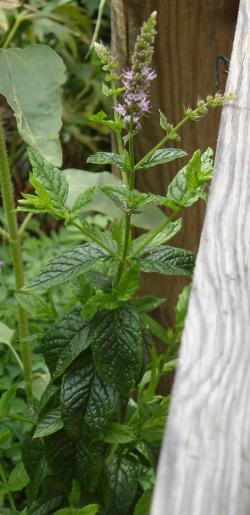
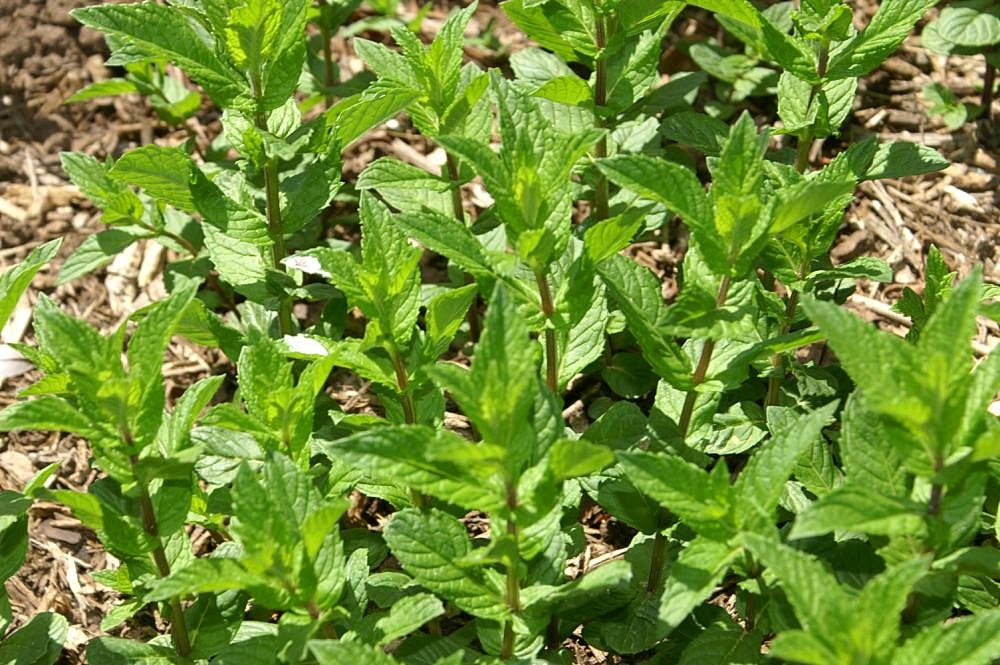
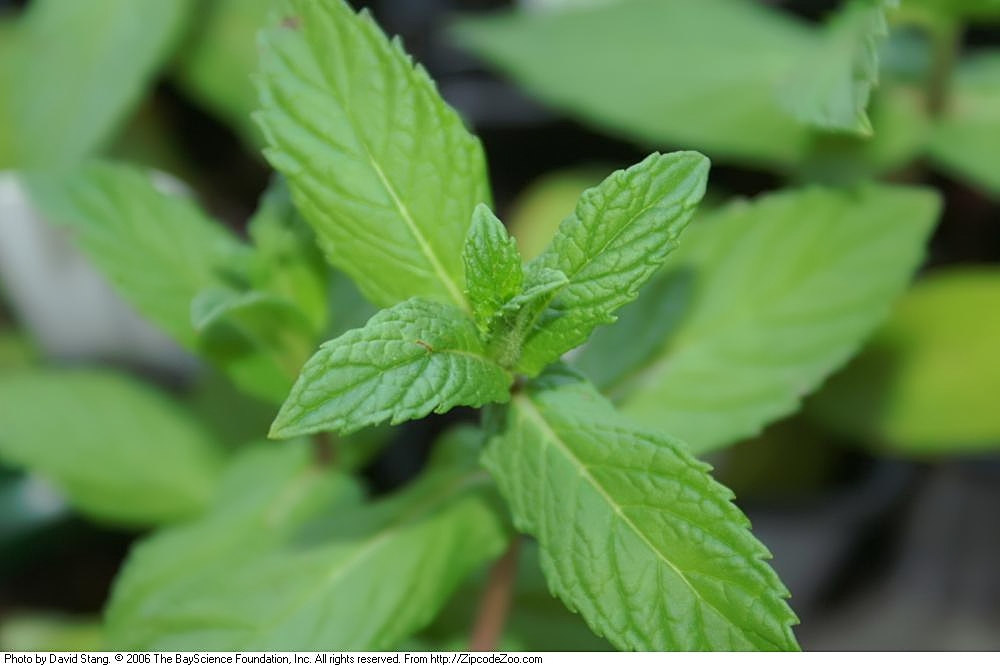
Orange mint is the mint that smells like a tea shop: a peppermint relative with a strong citrus scent and flavor that most tasters describe as bergamot — the oil that flavors Earl Grey tea — layered over mint. It has small, oval, bright green leaves, sometimes with a red tinge, and small lavender blossoms that are themselves an edible flower.
In the kitchen it plays a different role from spearmint or peppermint. Where spearmint cools and peppermint chills, orange mint brightens: it is the mint for fruit salads, summer drinks, sauces, preserves, and desserts, especially stone fruit — peaches, nectarines, plums, and apricots all taste more like themselves with it. If your mint bed only grows one flavor, this is the argument for a second pot.
How to grow
Never plant mint loose in a garden bed — the first rule of mint is also the last rule. Orange mint spreads by underground runners and will colonize a bed within a season, so grow it in a pot at least 12 inches wide, or sink the pot into the ground if you want the look of a bed without the takeover. Start from cuttings or nursery plants, not seed: mint seed is unreliable and named mints do not come true from seed.
Give it rich, moist soil and afternoon shade in the hottest climates; in Florida it grows nearly year-round. Cut it back hard a few times a season — mint responds to abuse by growing back bushier — and lift containers occasionally to trim runners escaping through drainage holes. That is not paranoia; it is maintenance.
Water & feeding
Keep soil consistently moist, about an inch a week, more in containers. Mint wilts fast in dry pots and recovers just as fast, which makes it an honest plant: it tells you when it is thirsty and forgives you quickly when you listen.
Feed lightly: a little worm castings in the potting mix at planting and a light spring top-dress. Overfeeding makes soft, leggy growth with less flavor, so a light hand wins — the oils are the crop, and stressed mint makes more of them than pampered mint.
Common problems
- Mint rust (orange pustules on leaves) — improve airflow, remove affected leaves, avoid overhead watering; badly rusted plants can be cut to the ground and will regrow clean.
- Escaping its pot — runners sneak out of drainage holes, so lift containers occasionally and trim escapees.
- Aphids cluster on tender tips — blast with a strong jet of water or use insecticidal soap.
- Flea beetles chew small holes in leaves — usually cosmetic on a plant this vigorous; row cover on young plants helps.
Harvest
Snip sprigs as needed once plants are established, taking no more than a third at once. Morning harvest, after the dew dries, gives the strongest oils. For drying, cut stems before flowering and hang in a dark, airy spot; for drinks and fruit, fresh is best, and the lavender blossoms make a tasty edible garnish.
Freeze chopped orange mint in water in ice cube trays for drinks, or steep it fresh in tea and syrups where its bergamot note can do the work that lemon zest usually does — with a minty finish lemon can never give.
Browse all plant & pest guides
Saving seeds
Orange mint is the mint that smells like a tea shop: a peppermint relative with a strong citrus scent and flavor that most tasters describe as bergamot — the oil that flavors Earl Grey tea — layered over mint. It has small, oval, bright green leaves, sometimes with a red tinge, and small lavender blossoms that are themselves an edible flower. As a named mint it is kept true by cuttings or runners, not by seed: start from cuttings or nursery plants, not seed — mint seed is unreliable and named mints do not come true from seed. Never plant mint loose in a garden bed — it spreads by underground runners and will colonize a bed within a season, so grow it in a pot at least 12 inches wide. The full method is in the Saving seeds section of the Mint guide.