
🍇 Oregon Grape
What it looks like
How to grow
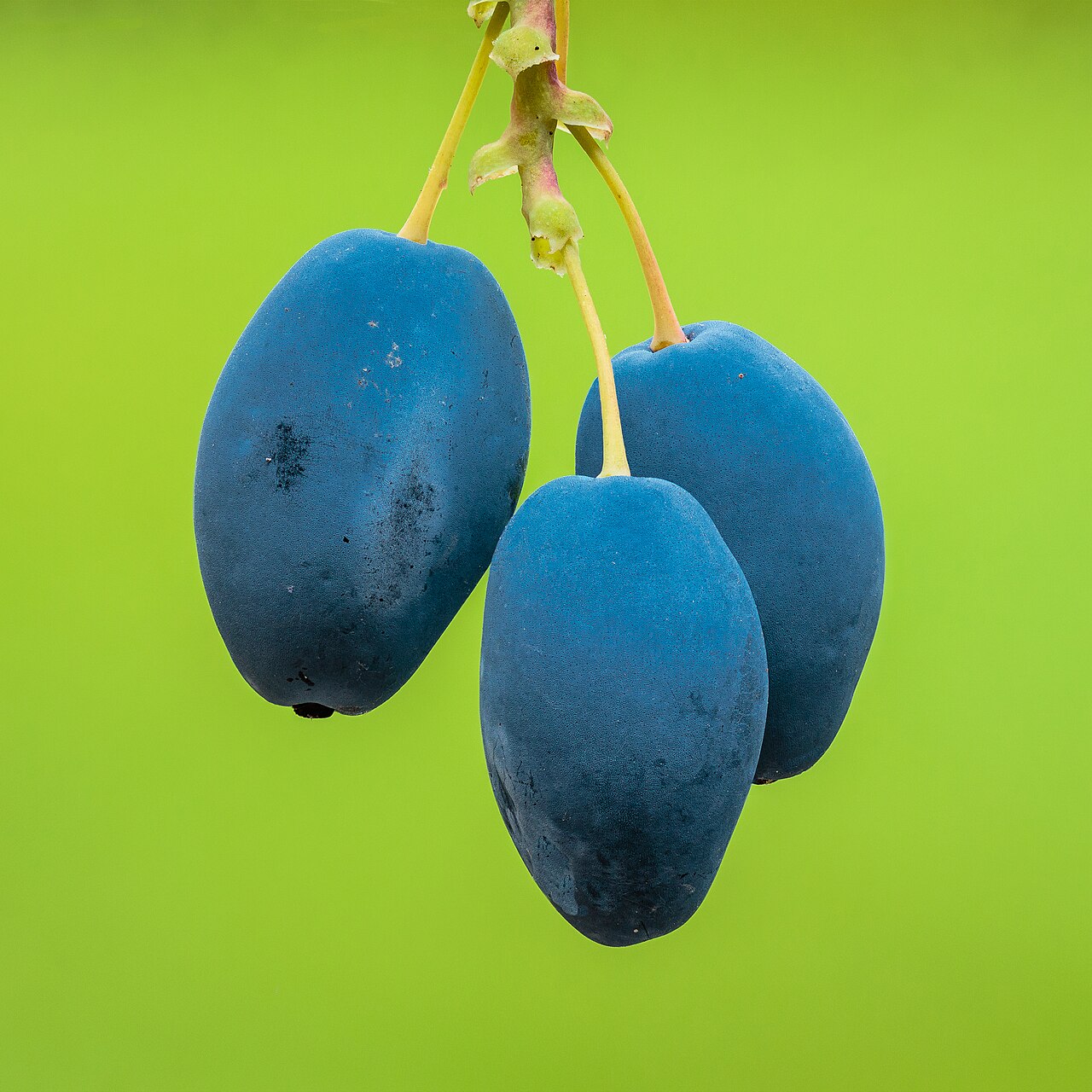
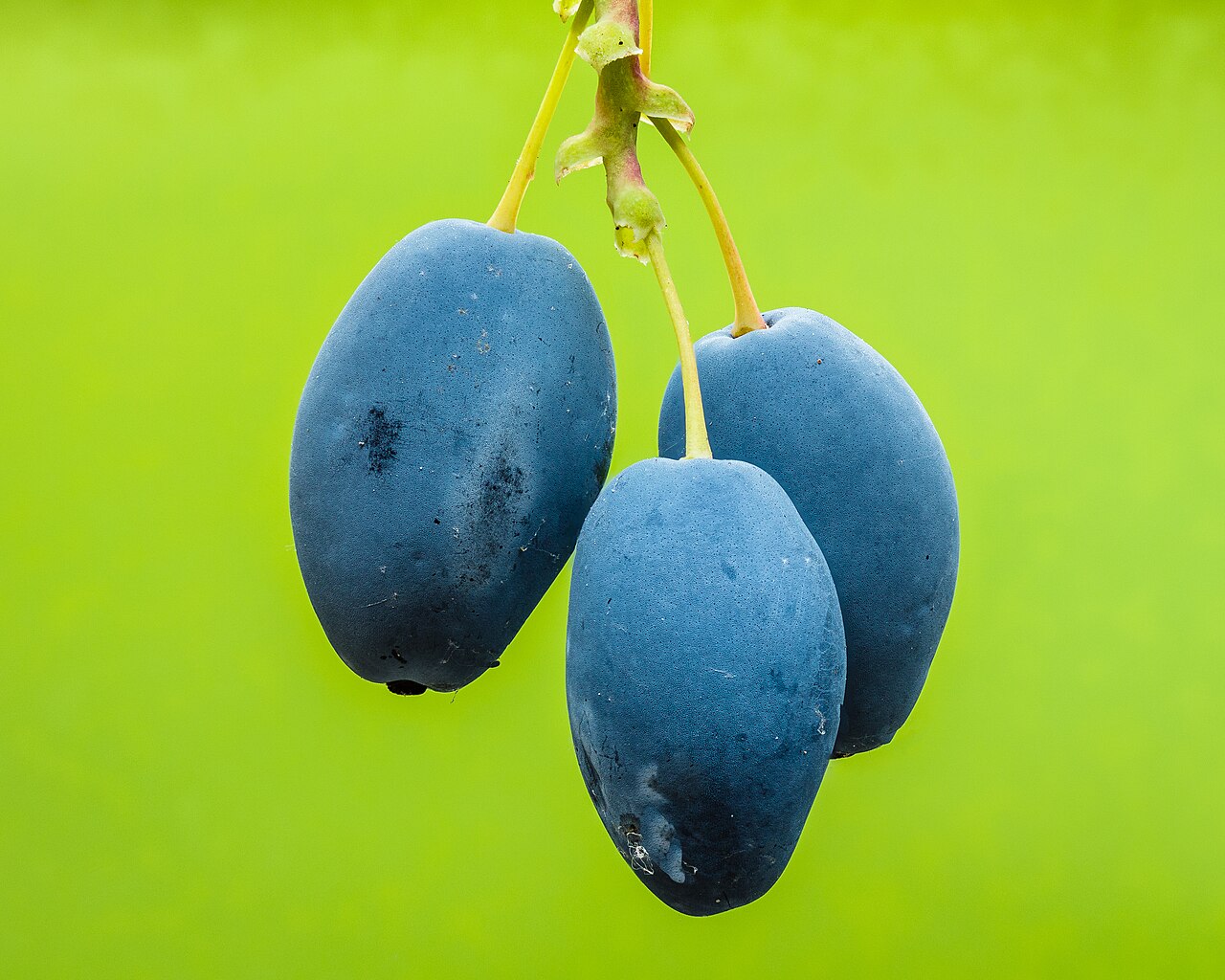
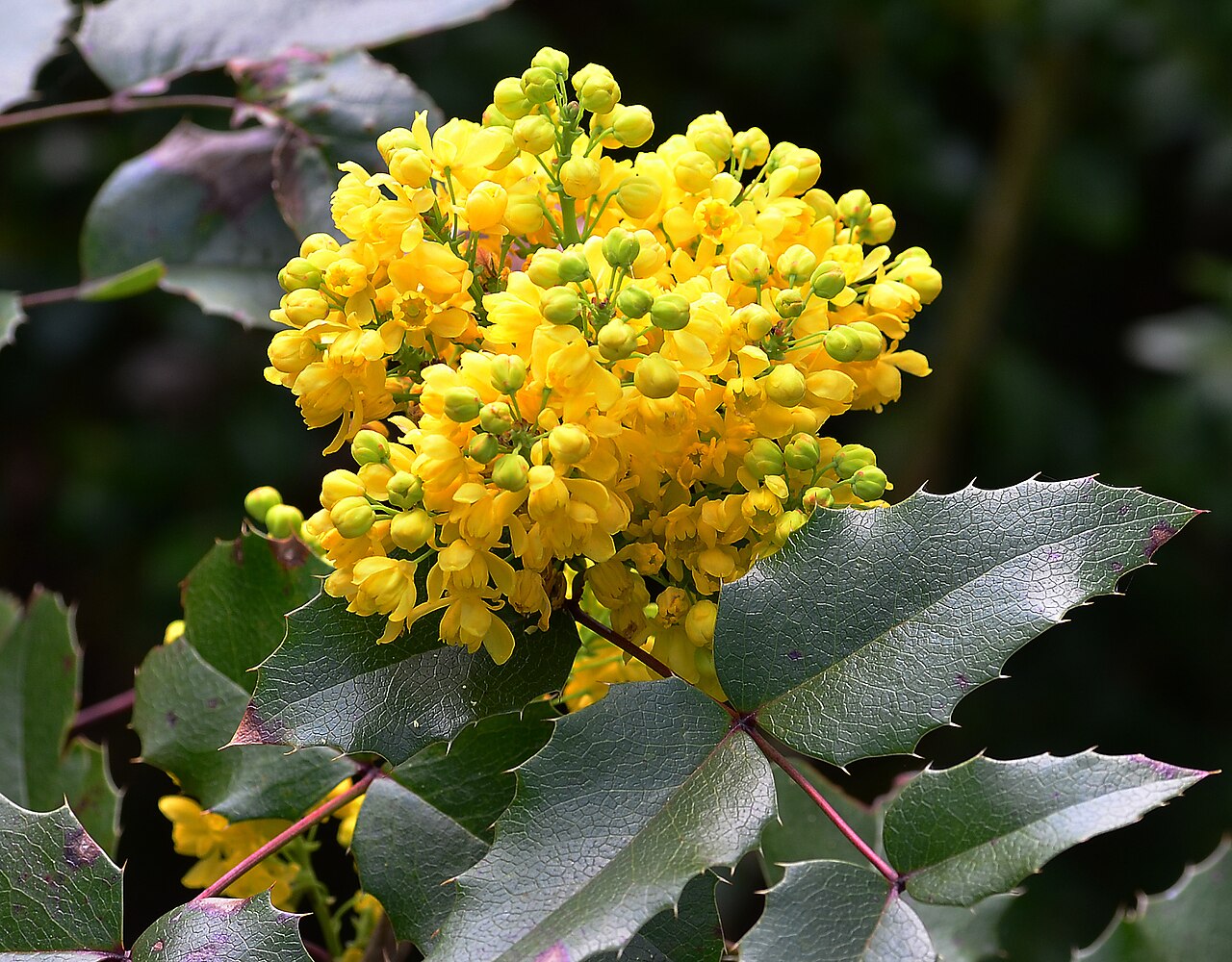
Oregon grape is an evergreen shrub, 3–6 feet tall and wide, with spiny holly-like leaves that turn purplish-bronze in winter, fragrant yellow flower spikes in early spring, and clusters of dusty blue-black berries in summer. Plant it in spring or fall in well-drained, humus-rich soil, in the shade of a tree or a north-facing bed — it evolved as woodland understory and scorches in hot, exposed sun. Site it away from paths: those spiny leaves make a fine security hedge but a rude neighbor on a narrow walkway. It spreads slowly by underground rhizomes into a handsome colony, and once established it is drought-tolerant and largely deer-proof. The berries are edible but very sour raw; cooked, they make jams and jellies.
Water & feeding
Water regularly through the first year to establish roots, then water only in prolonged dry spells — mature plants handle drought well, especially in shade. Feed lightly in early spring with compost or a slow-release fertilizer for acid-loving plants; overfeeding makes leggy growth. Mulch to keep roots cool and moist.
Common problems
- Leaf scorch — too much sun or drying wind; move to shade or give afternoon protection.
- Leggy, bare stems — prune wayward stems back by about a quarter in spring after frost, and remove dead or spindly wood.
- Leaf spot or rust — improve air circulation, avoid overhead watering, and clean up fallen leaves.
- Slow start — normal. Oregon grape is a slow grower; judge it in year three, not month three.
Harvest
Pick berries when fully blue-black and soft, in mid to late summer, and cook them before eating — raw berries are mouth-puckeringly sour and can upset the stomach. Birds will happily harvest any you leave, which counts as a successful crop too.
Browse all plant & pest guides
Saving seeds
Oregon grape is a slow, shade-loving shrub, and its seed is slow in exactly the same way — which is the first thing to know about saving it. The blue-black berries ripen in summer, in clusters that the birds notice before you do, so check the shrub often and collect the berries as soon as they are fully ripe and soft. Mash the berries in water and clean the pulp off the seed completely: the pulp inhibits germination, so rinse the seed well and dry it briefly on paper.
The seed needs a winter before it will sprout. Mix the cleaned seed with damp sand or vermiculite, seal it in a bag, and refrigerate it for 60 to 90 days. Sow the stratified seed shallowly in spring, in a moist, well-draining mix, and keep it cool and shady — Oregon grape is a woodland plant, and its seedlings want shade, not sun. Germination is slow and uneven, weeks to months, so do not give up on a pot at six weeks. A fall sowing outdoors, letting a real winter do the stratifying, is the simplest method of all.
The honest headline is the patient one: Oregon grape is slow-growing, taking two to three years just to settle in and fill out, and a seedling will take years to become a shrub worth looking at. Seed is for the long game. Cuttings are the faster route for an exact clone, since seed-grown plants vary — and the named selections with particular foliage color will not come true from seed.
Save seed from a healthy, well-berried shrub, and sow more than you need. Keep saved seed cool and dry — it stores reasonably well in the fridge in an airtight jar — and remember that Florida humidity is the enemy of stored seed, so dry it thoroughly first and jar it with a silica gel packet.