
🍊 Orlando Tangelo
What it looks like


Why this variety
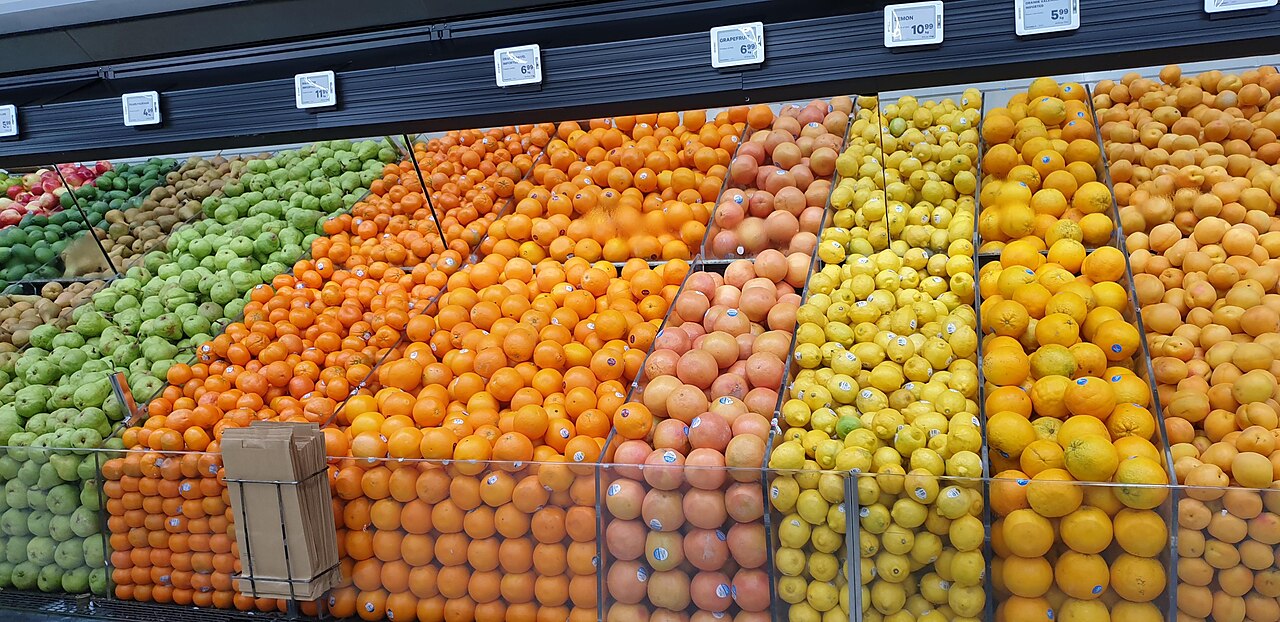
‘Orlando’ is the tangelo for gardeners who want tangelo flavor with a little more forgiveness: a cross of ‘Dancy’ tangerine with ‘Duncan’ grapefruit, like ‘Minneola’, but flat-round rather than bell-shaped, with pale-orange rind, mild sweet flesh, and a reputation as the more cold-tolerant and earlier-maturing of the two famous tangelos. It ripens from early fall into late winter, stretching the tangelo season at the front end.
The important footnote, because it trips people up: ‘Orlando’ does NOT pollinate ‘Minneola’ — the two are cross-incompatible for that purpose, along with satsumas and ‘Seminole’. Plant ‘Orlando’ for its own fruit, not as ‘Minneola’s partner, and pair ‘Minneola’ with a mandarin or ‘Temple’ instead. Two tangelos side by side look like a pollination plan; botanically, they are not one.
How to grow
Here is the honest Florida part first: ‘Orlando’ is a Florida-bred tangelo, well suited to Florida home gardens and limestone soils, zones 9-11, with better cold tolerance than ‘Minneola’ — a real advantage at the northern edge of citrus country. It is still a citrus, not a hardy fruit: freezes damage fruit and young trees, and greening is a statewide concern.
Plant in full sun and well-drained soil, feed as for citrus, and prune to a pickable canopy. ‘Orlando’ is vigorous and productive; thin over-set branches if fruit sizes down, and harvest promptly to avoid alternate bearing.
Water & feeding
Water as for citrus: deep, regular watering through fruit development, mulch, citrus fertilizer with micronutrients on schedule. Steady water gives ‘Orlando’ its mild, juicy character; drought gives dry, seedy fruit.
Common problems
- Pollination confusion — ‘Orlando’ will not pollinate ‘Minneola’; do not rely on it for that job.
- Citrus greening (HLB) — blotchy leaves, lopsided fruit; buy certified stock.
- Freeze damage — hardier than ‘Minneola’, still a citrus; cover young trees on freeze nights.
- Alternate bearing — harvest promptly at maturity to keep crops even year to year.
Harvest
Pick ‘Orlando’ from early fall into late winter when the fruit is fully colored, pale orange, and heavy. The flat-round shape and easy peel make it a lunchbox fruit, and the mild, sweet flesh eats fresh without the grapefruit bite some tangelos carry.
Because ‘Orlando’ ripens earlier than ‘Minneola’, the two together stretch tangelo season from fall into midwinter — plant both (plus a mandarin pollinator for ‘Minneola’) and the citrus corner earns its keep for months.
Browse all plant & pest guides
Saving seeds
‘Orlando’ is the tangelo for gardeners who want tangelo flavor with a little more forgiveness: a cross of ‘Dancy’ tangerine with ‘Duncan’ grapefruit, like ‘Minneola’, but flat-round rather than bell-shaped, with pale-orange rind, mild sweet flesh, and a reputation as the more cold-tolerant and earlier-maturing of the two famous tangelos. It ripens from early fall into late winter, stretching the tangelo season at the front end. As a named tangelo it is kept true by grafting, not by seed: plant in full sun and well-drained soil, feed as for citrus, and prune to a pickable canopy — and remember ‘Orlando’ does NOT pollinate ‘Minneola’, so plant ‘Orlando’ for its own fruit, not as ‘Minneola’s partner. The full method is in the Saving seeds section of the Tangelo guide.