
🍀 Osceola White Clover
What it looks like
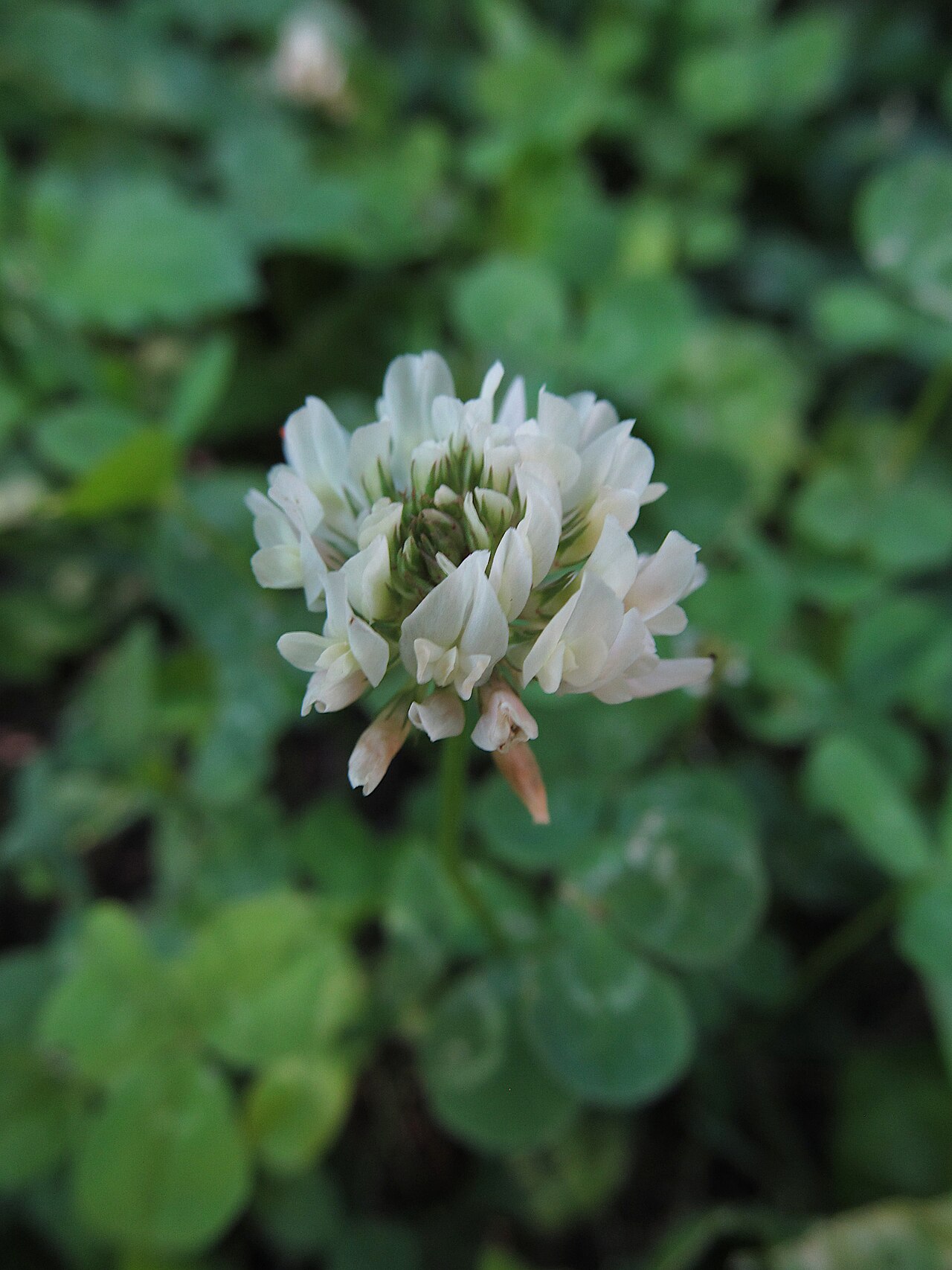
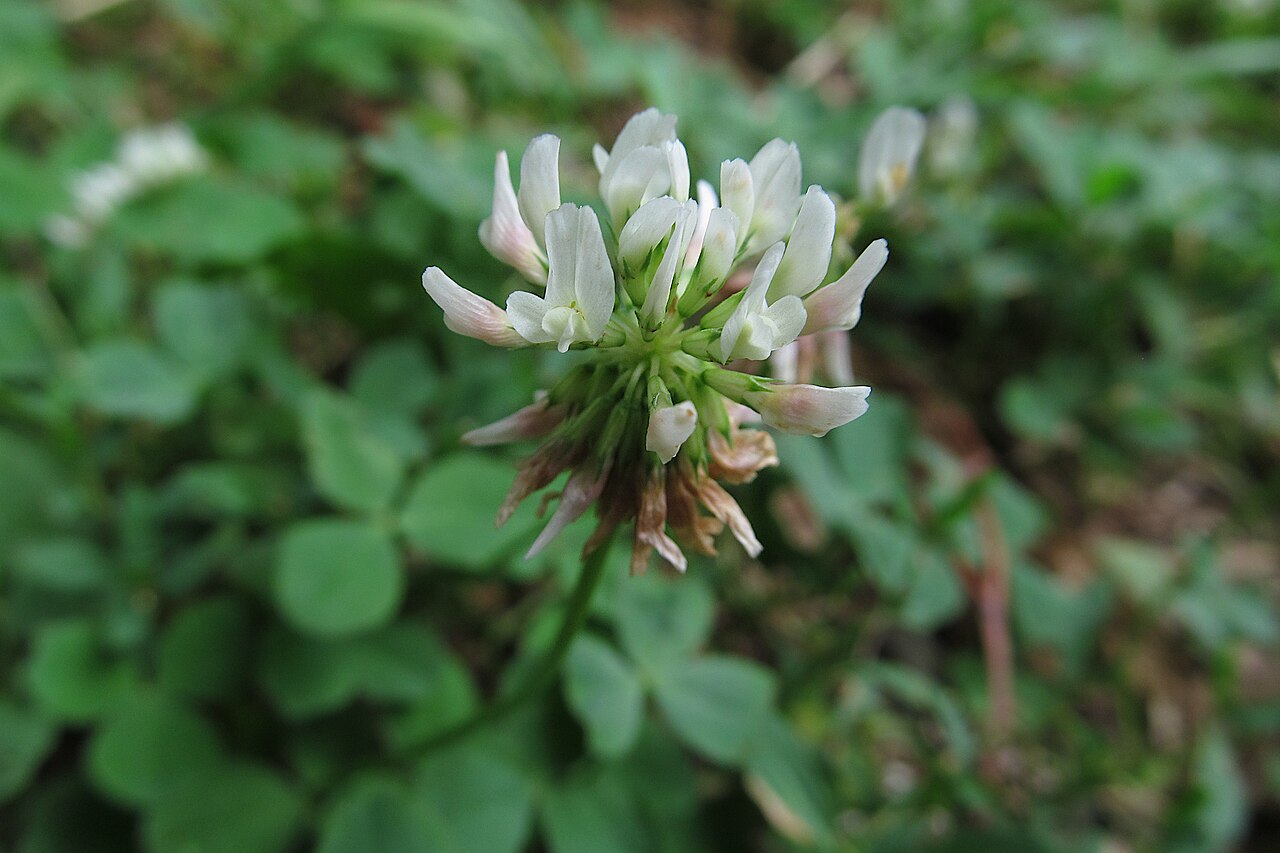
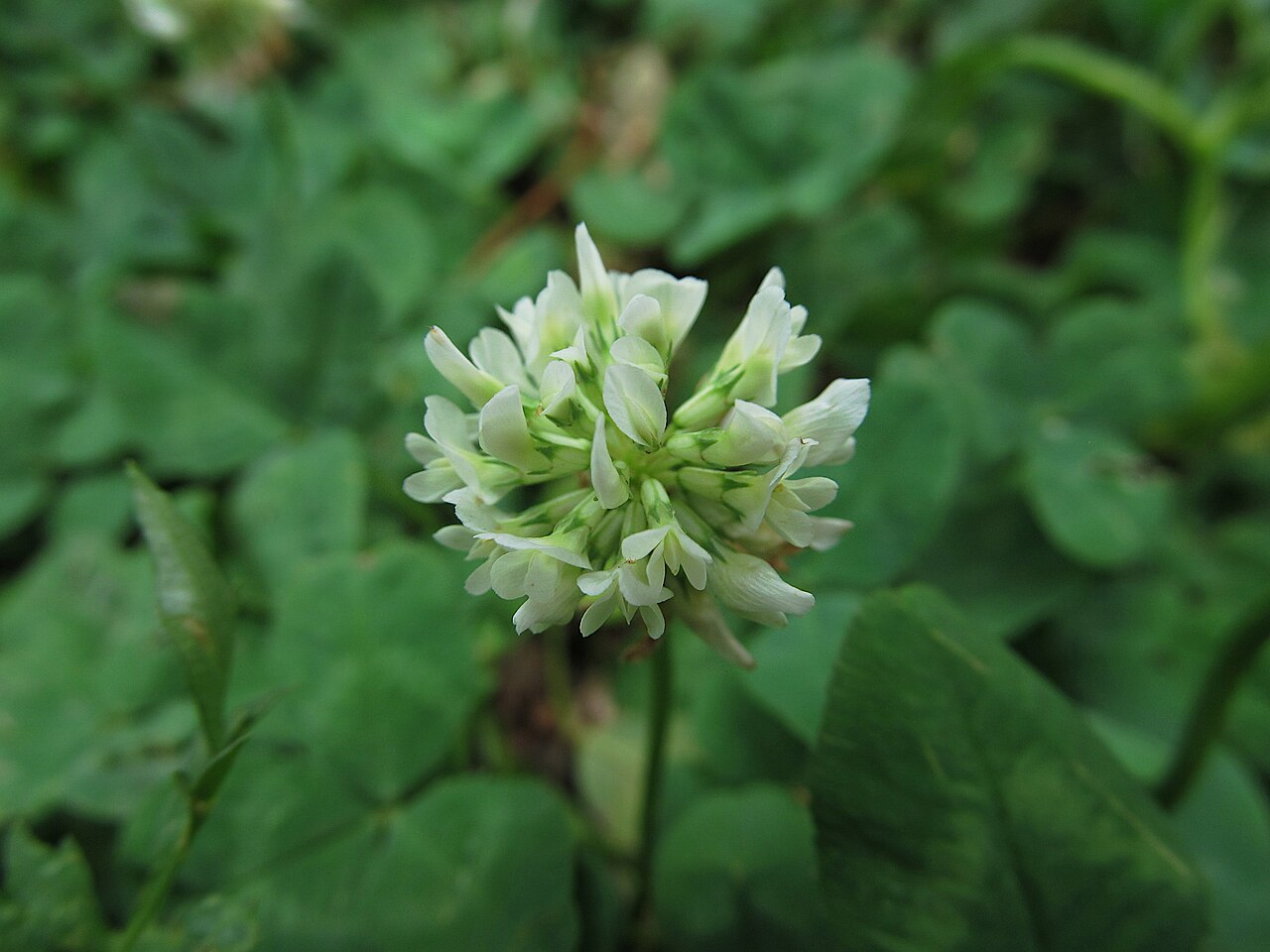
Why this variety
Osceola has the best origin story of any white clover on this list: it was developed in Florida, for southern conditions, and it shows. It is an intermediate type — not the biggest leaves, not the tallest plant — but a steady performer that extension trials across the Southeast keep listing as a good, reliable choice, especially for the southern part of the region where many clovers struggle. It reseeds prolifically, which is the trait that turns a one-season stand into a returning one.
For a gardener in the Southeast, Osceola is the low-drama option: it does not demand the pampering a ladino wants, it does not sulk on ordinary soil the way fussier varieties do, and it keeps coming back from seed even when a hot summer thins the parent plants. It will not out-yield a ladino in a single lush season, and it will not out-persist Durana under relentless grazing — but if your question is simply ‘which white clover will actually work here,’ Osceola is a very good answer.
If you are new to choosing between cultivars, the Varieties Matter guide explains why the name after the plant matters as much as the plant itself.
Florida honesty: Osceola’s Florida breeding is a genuine point in its favor, but it does not turn white clover into a summer plant. Sow in fall, expect its best growth through the cool months, and let it set some seed in spring — in much of the state it will behave as a short-lived perennial or a reseeding annual, coming back from seed when the cool season returns. That is not failure; that is the southern white-clover rhythm, and Osceola plays it well.
How to grow
Sow in fall at 2–3 pounds per acre in mixtures, or overseed into existing grass, at a quarter to a half inch deep. Use inoculated seed for nitrogen fixation. It prefers moist, fertile, well-drained soil and tolerates the wetter soils and moderate acidity that many southern sites offer, but it still wants organic matter — compost or worm castings worked in before sowing gives seedlings a far better start than bare, compacted ground. Keep the seedbed moist until the stolons start running.
Water & feeding
Water to establish and through cool-season dry spells; Osceola likes moisture and fades in drought, especially in heat. No nitrogen fertilizer needed — the clover makes its own — and excess nitrogen mostly helps competing grass. A light compost dressing in fall, at sowing time, is the feeding program. Mow or graze lightly and regularly rather than letting it grow rank, and leave some plants to flower and seed in spring if you want volunteers next season.
Common problems
- Summer thinning in heat — expect it; plan on reseeding volunteers rather than mourning parent plants.
- Shorter stand life in the far south — may act as an annual; reseeding is the persistence strategy.
- Killed by broadleaf weed killers — no herbicide-treated lawn and clover together.
- Bee traffic in bloom — a pollinator plus, a barefoot consideration.
- Poor establishment if sown too deep — clover seed is small; deeper than a half inch and much of it never emerges.
Harvest & use
Use Osceola as a cool-season forage, a living mulch between vegetable rows, or the clover half of a low-input lawn. As forage it is high in protein and digestibility; graze rotationally and do not graze below about 2 inches. As a cover crop, mow at early bloom and wait a couple of weeks before planting the next crop, so the residue breaks down and releases its nitrogen. As a lawn plant it greens up the turf, feeds spring bees, and trims the fertilizer bill — the southern gardener’s version of a free lunch, paid for by bacteria.
Back to the White Clover guide
Browse all plant & pest guides
Saving seeds
Osceola has the best origin story of any white clover on this list: it was developed in Florida, for southern conditions, and it shows. It is an intermediate type — not the biggest leaves, not the tallest plant — but a steady performer that extension trials across the Southeast keep listing as a good, reliable choice, especially for the southern part of the region where many clovers struggle. It reseeds prolifically, which is the trait that turns a one-season stand into a returning one. As an open-pollinated variety it comes true from seed: sow in fall at 2 to 3 pounds per acre in mixtures, or overseed into existing grass, at a quarter to a half inch deep, and use inoculated seed for nitrogen fixation. The full method is in the Saving seeds section of the White Clover guide.