
🍀 Patriot White Clover
What it looks like
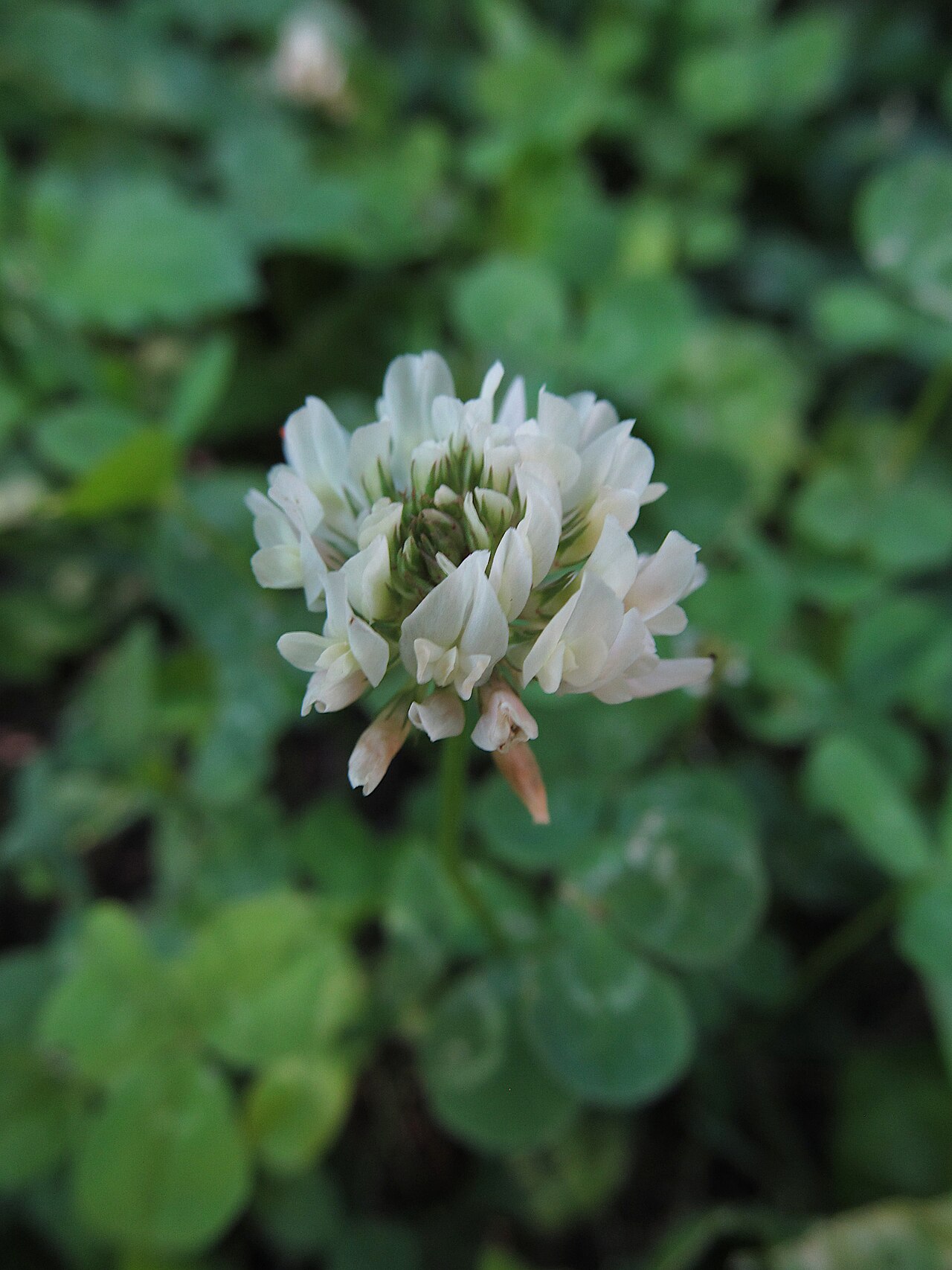
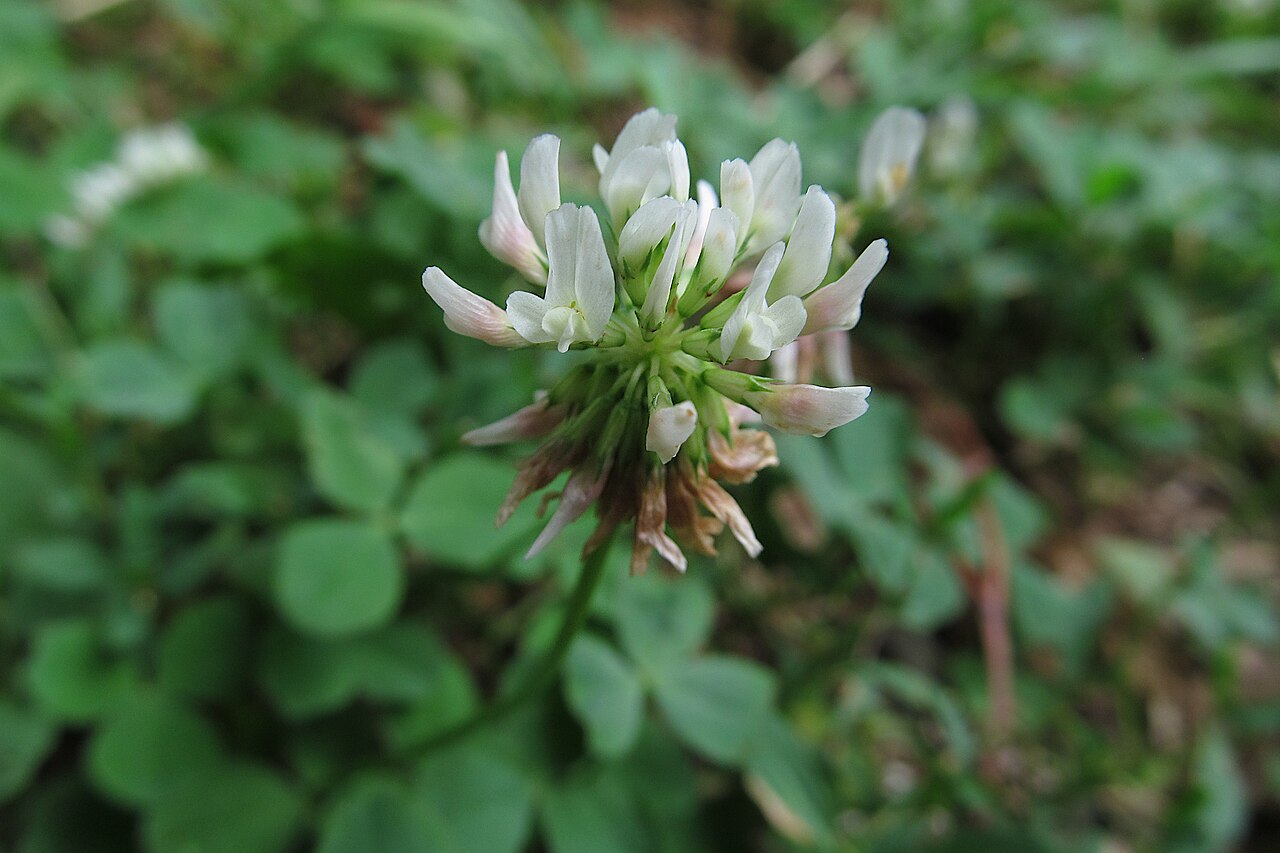
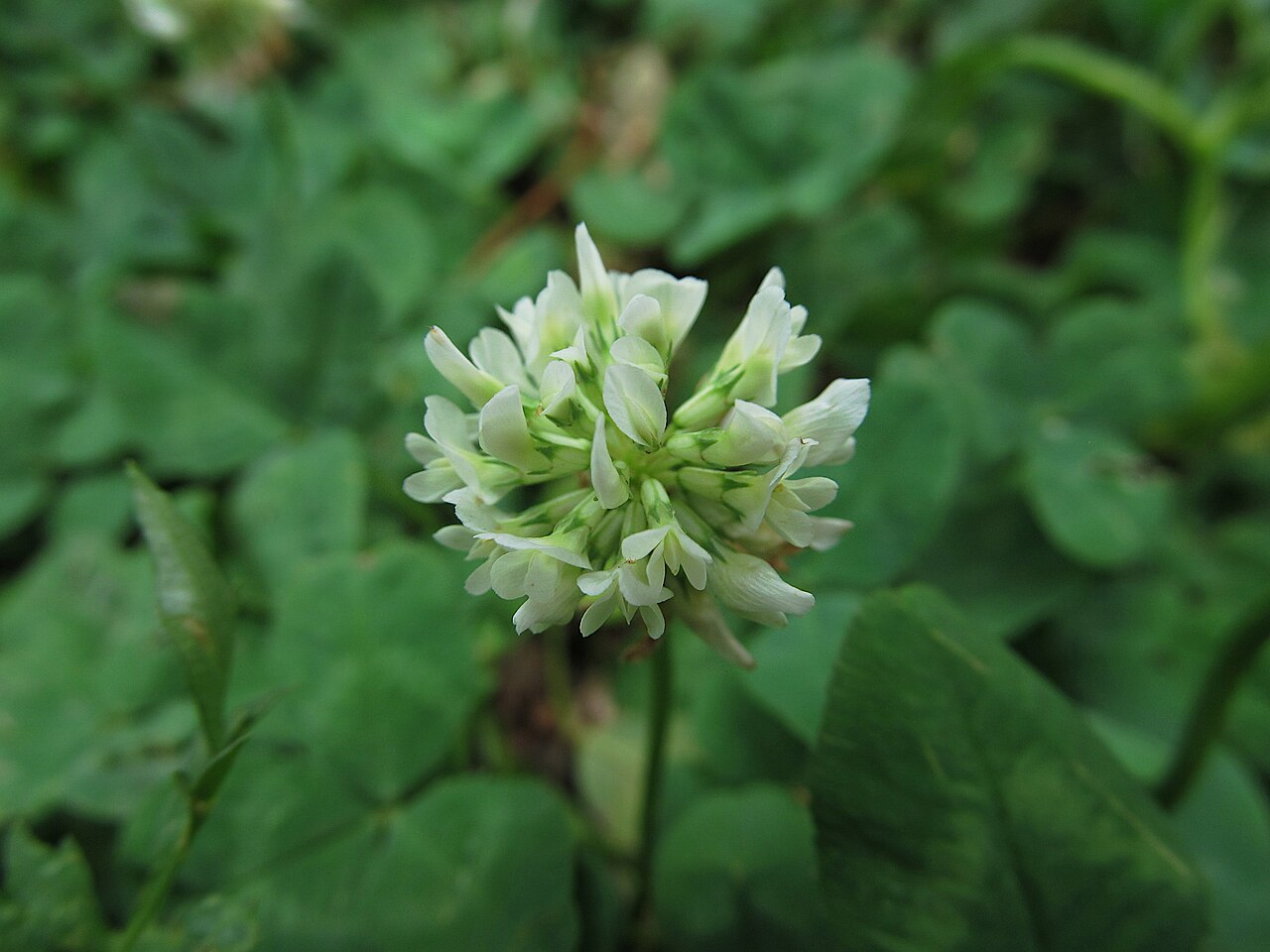
Why this variety
Patriot is the compromise white clover that refuses to feel like a compromise. Bred in the same university program as Durana, it was selected to do the two things white clovers usually force you to choose between: yield like a ladino and persist like an intermediate. In trials its yield runs close to the ladino types, but its persistence is superior — it keeps coming back in grazed stands where a straight ladino thins out after a couple of years.
That makes Patriot the easy recommendation when you want a productive clover and you do not want to babysit it. It has the bigger leaves and stronger early growth of a ladino, so it competes well in a grass mixture from the start, and it reseeds and spreads by stolons well enough to hold its ground. It is not quite as bulletproof under relentless grazing as Durana, but for most gardens, lawns, and small pastures, it is the sweet spot between production and staying power.
If you are new to choosing between cultivars, the Varieties Matter guide explains why the name after the plant matters as much as the plant itself.
Florida honesty: like all white clovers, Patriot is a cool-season performer here. Sow in fall, let it work through winter and spring, and expect summer heat to thin it — in the far south, treat it as a cool-season annual that may return from seed. Its stronger early growth is a real advantage in a fall sowing, getting cover down before winter weeds move in.
How to grow
Sow in fall at 2–3 pounds per acre in mixtures, shallow — a quarter to a half inch deep — into a moist seedbed, or overseed into existing turf. Use inoculated seed so the nitrogen-fixing partnership is present from day one. Give it fertile, moist, well-drained soil; it tolerates poorer soil better than turfgrass does, but it will not thrive in a dry, acidic sand with no organic matter. Work compost or worm castings into the bed at sowing, and keep young plants watered until they are running.
Water & feeding
Water to establish and through dry spells in the cool season; white clover wants steady moisture, not a swamp and not a drought. Feed the soil, not the plant: little or no nitrogen fertilizer is needed, and a light dressing of compost or castings does more good than a bag of synthetic nitrogen, which mostly feeds the grass at the clover’s expense. Mow or graze before stands get tall and stemmy, and leave enough leaf for the stolons to keep spreading.
Common problems
- Shorter life than Durana under hard grazing — more productive, slightly less indestructible; rotate grazing to keep it.
- Summer heat fade — cool-season plant; expect thinning in hot months, especially in the south.
- Killed by broadleaf herbicides — a clover stand and a weed-and-feed lawn are mutually exclusive.
- Bee traffic in bloom — welcome for pollinators, worth knowing about for bare feet and allergies.
- Virus pressure — like most white clovers, Patriot can lose vigor to virus over time; persistence and reseeding are its answer, not spraying.
Harvest & use
Patriot earns its keep three ways: as forage with excellent protein and digestibility, as a living mulch and nitrogen source under and between crops, and as the clover half of a lower-input lawn. For forage, rotational grazing at 6 inches down to no less than 2 inches keeps it productive. For soil building, mow or turn it under at bloom and plant into the improved bed a couple of weeks later. For lawns, blend it with turfgrass and enjoy a greener lawn on less fertilizer — the classic clover bargain, with a variety that actually sticks around.
Back to the White Clover guide
Browse all plant & pest guides
Saving seeds
Patriot is the compromise white clover that refuses to feel like a compromise. Bred in the same university program as Durana, it was selected to do the two things white clovers usually force you to choose between: yield like a ladino and persist like an intermediate. In trials its yield runs close to the ladino types, but its persistence is superior — it keeps coming back in grazed stands where a straight ladino thins out after a couple of years. It has the bigger leaves and stronger early growth of a ladino, so it competes well in a grass mixture from the start, and it reseeds and spreads by stolons well enough to hold its ground. As an open-pollinated variety it comes true from seed: sow in fall at 2 to 3 pounds per acre in mixtures, shallow — a quarter to a half inch deep — into a moist seedbed, or overseed into existing turf, using inoculated seed so the nitrogen-fixing partnership is present from day one. The full method is in the Saving seeds section of the White Clover guide.