
🌳 Pendula European Hornbeam
What it looks like
Why this variety
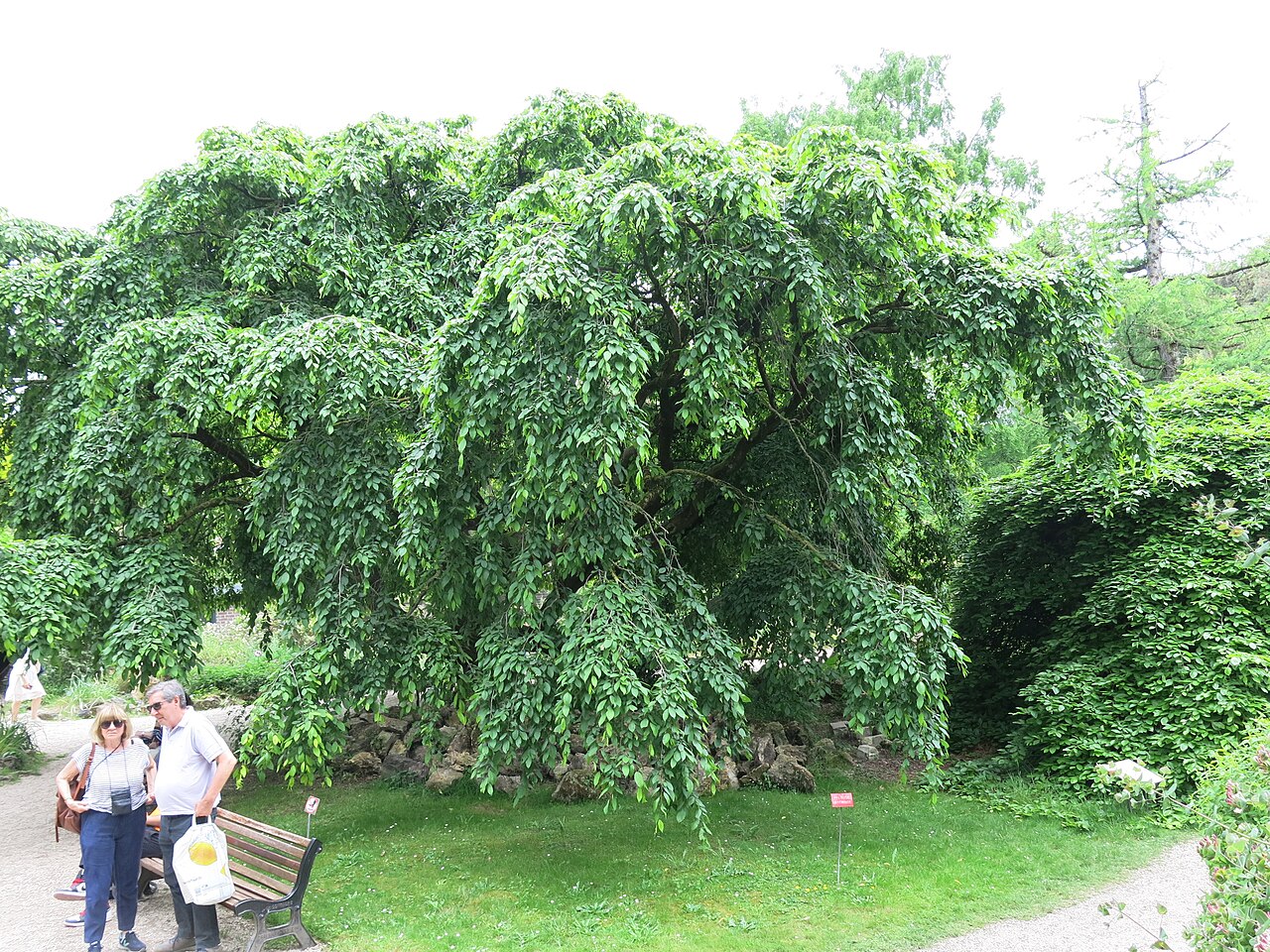
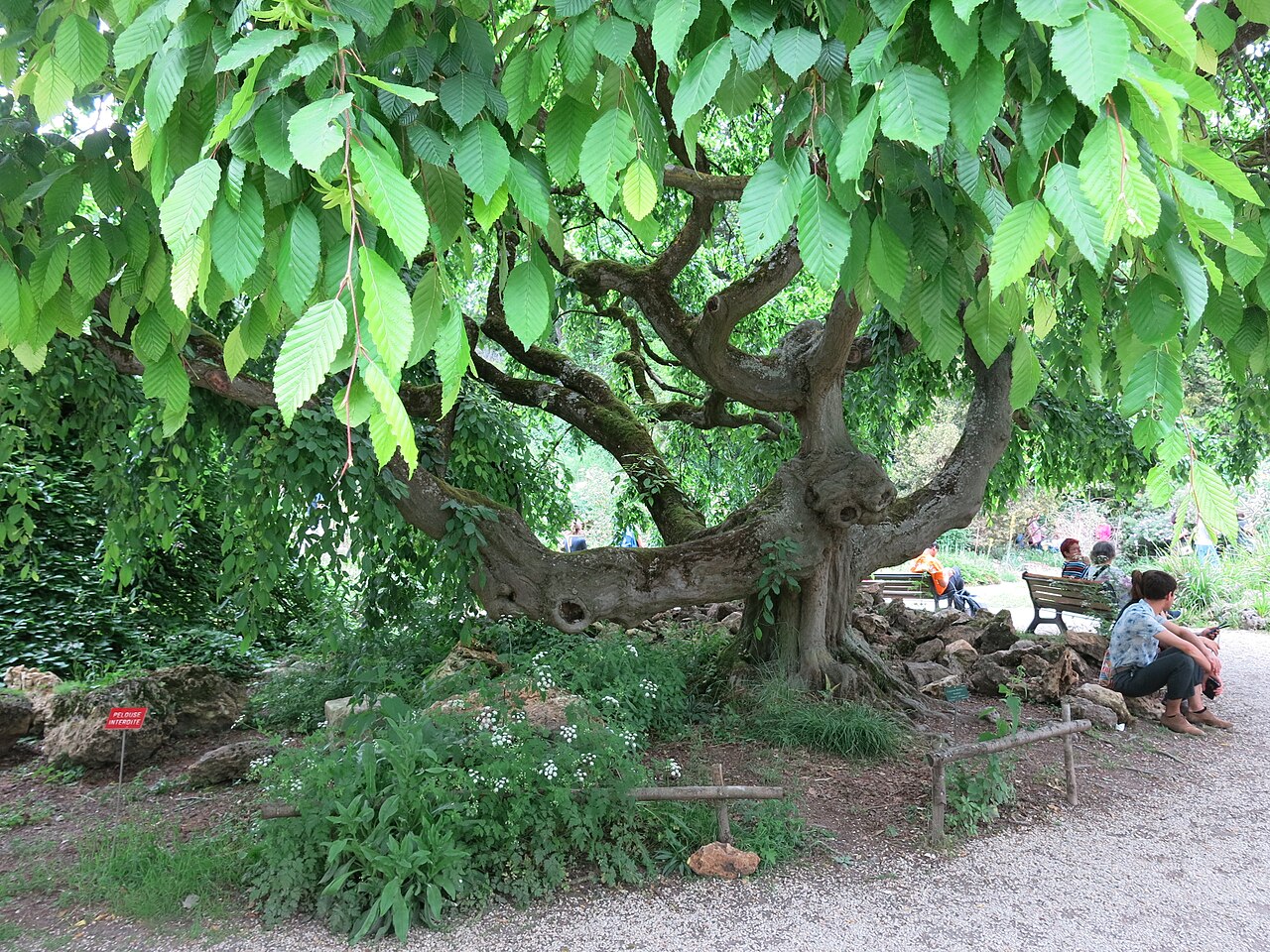
Pendula is the hornbeam that gave up standing up straight and decided to be a fountain instead. It is a weeping form, grafted onto a straight hornbeam trunk, whose branches cascade downward into a broad, dense, weeping crown — one major grower lists it at about 4 meters tall, depending on the height of the graft, and 4–5 meters wide, with its origin in France around 1850. The graft height is the whole story: a high graft gives a tall umbrella you can walk under, a low graft gives a mound you admire from outside, so buy the graft height you actually want, because you cannot raise it later.
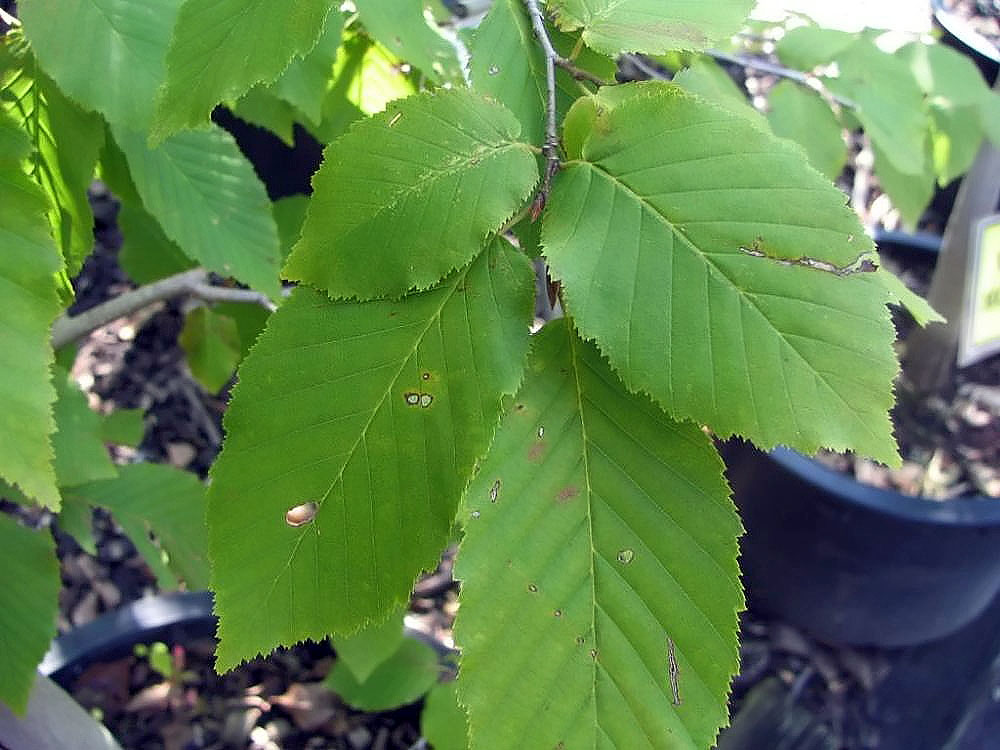
The leaves are the classic hornbeam pleated ovals, bright green through summer and turning yellow in autumn, over smooth grey bark, and the weeping crown makes a shady, enclosed space underneath that few other trees offer at this size. One major grower lists Pendula as a fruitless cultivar, while other listings describe the usual hornbeam nutlet clusters — nursery sources disagree here, so do not plant it for autumn fruit; plant it for the shape, and treat any nutlets as a bonus.
Pendula is slow-growing and long-lived, and its one real demand is that you train it properly when young: the leader is tied up to a stake or cane to the desired height, then the support is removed and the branches are allowed to weep. Skip the training and you get a shapeless mound; do it right and you get a living umbrella. If you are new to choosing between cultivars, the Varieties Matter guide explains why the name after the plant matters as much as the plant itself.
Florida honesty: European hornbeam is a cool-temperate tree, and in this state it is a North Florida trial at best. It wants chill, moisture, and a break from blazing heat, none of which Florida hands out generously. Plant it only where you can offer shade, steady water, and low expectations.
How to grow
Plant Pendula in full sun to part shade in moist, well-drained loam or clay, tolerating a wide pH range, and give it its full spread as a specimen — this is not a hedge plant and not a tree to crowd. Work worm castings into the planting hole, mulch, and water well through the first years. Stake and train the leader to the height you want while young, tying loosely and adjusting ties as the trunk thickens; once the desired height is reached, remove the support and let the branches cascade.
Prune in late winter: remove dead, crossing, and damaged wood, thin the crown lightly for air, and keep the weeping skirt at a height that suits the site — higher if people walk beneath it, lower if it is a garden feature to admire from outside. Avoid heavy spring pruning while sap rises, and never shear a weeping tree into a ball; the cascade is the feature.
Water & feeding
Water to establish, then water through dry spells — hornbeam likes moisture, and a weeping crown with a lot of leaf area loses water fast in summer wind. Mulch to hold moisture, water at the soil line, and feed lightly: castings at planting and a modest spring feed are plenty. Note that Pendula’s roots run relatively close to the surface, so keep mulch in place and avoid deep cultivation under the canopy.
Common problems
- Untrained leader — without staking to the desired height when young, Pendula becomes a shapeless mound; train early.
- Graft-height surprise — the final height is set by the graft, so confirm the graft height before buying, not after planting.
- Surface roots — roots run close to the surface; mulch rather than digging under the canopy.
- Powdery mildew, cankers, and dieback — hornbeam’s usual suspects; prune out affected wood and improve air circulation.
- Drought stress — leaf scorch in dry summers; mulch and deep watering prevent it.
Pruning & best use
Use Pendula as a specimen — the single most important word for this plant. It belongs in a lawn, a garden corner, or a courtyard where its weeping crown can be walked around and admired from all sides, with a seat or a path beneath it if the graft is high enough. It is a heritage-scale feature in a modest footprint: slow-growing, long-lived, and beautiful in every season, from pleated spring leaves to yellow autumn color to the sculptural bare branches of winter.
Do not plant it as a hedge, a screen, or a street tree, and do not expect it to hurry. A weeping hornbeam is a plant you buy for the garden you will have in ten years, and the patience is repaid every time you stand under it.
Back to the European Hornbeam growing guide
Browse all plant & pest guides
Saving seeds
Pendula is the hornbeam that gave up standing up straight and decided to be a fountain instead. It is a weeping form, grafted onto a straight hornbeam trunk, whose branches cascade downward into a broad, dense, weeping crown — one major grower lists it at about 4 meters tall, depending on the height of the graft, and 4 to 5 meters wide, with its origin in France around 1850. The graft height is the whole story: a high graft gives a tall umbrella you can walk under, a low graft gives a mound you admire from outside, so buy the graft height you actually want, because you cannot raise it later. As a named weeping form it is kept true by grafting, not by seed — seedlings would grow into ordinary upright hornbeams. Plant Pendula in full sun to part shade in moist, well-drained loam or clay, and give it its full spread as a specimen. The full method is in the Saving seeds section of the European Hornbeam guide.