
🥒 Perulero Chayote
What it looks like
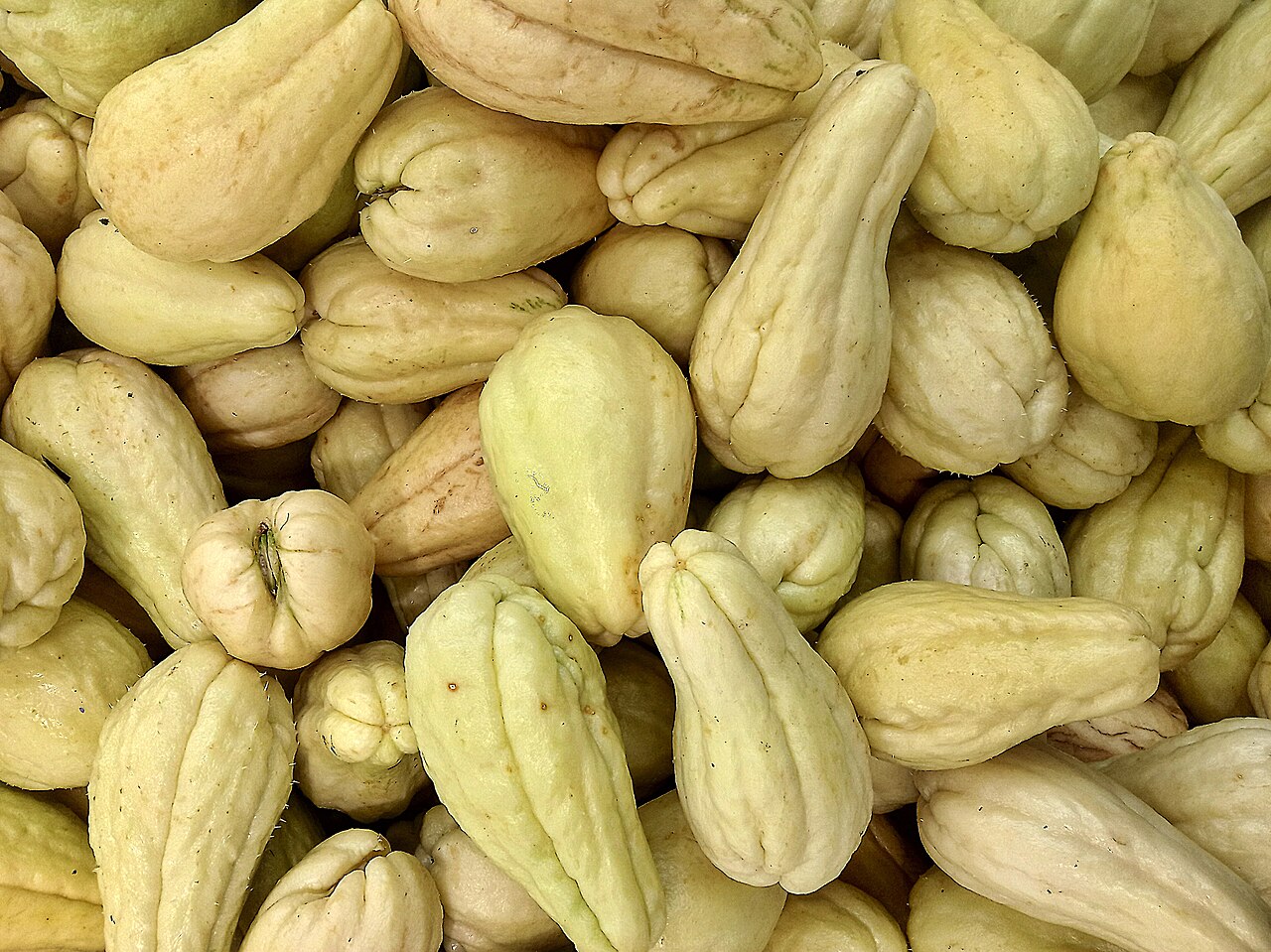
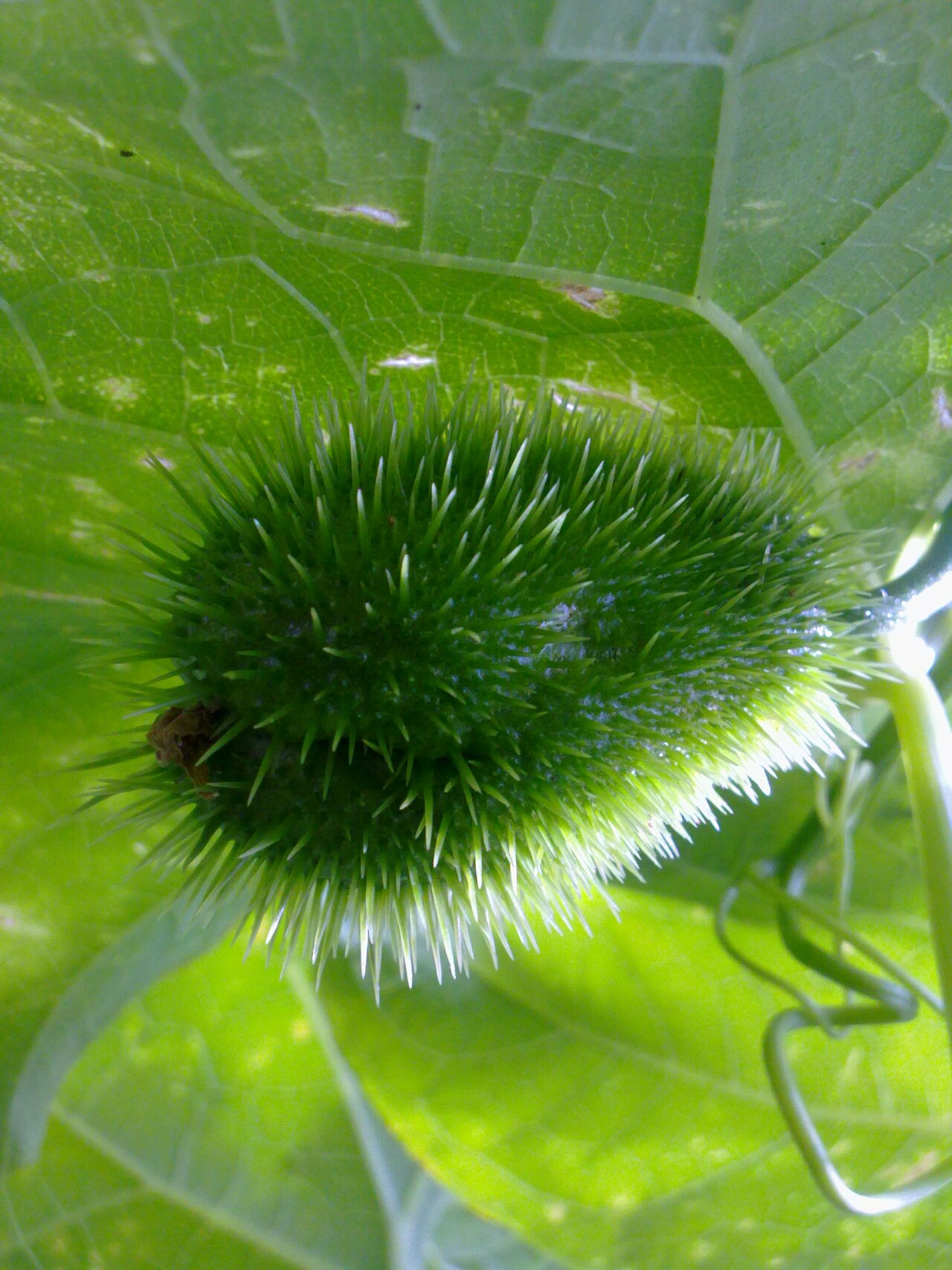
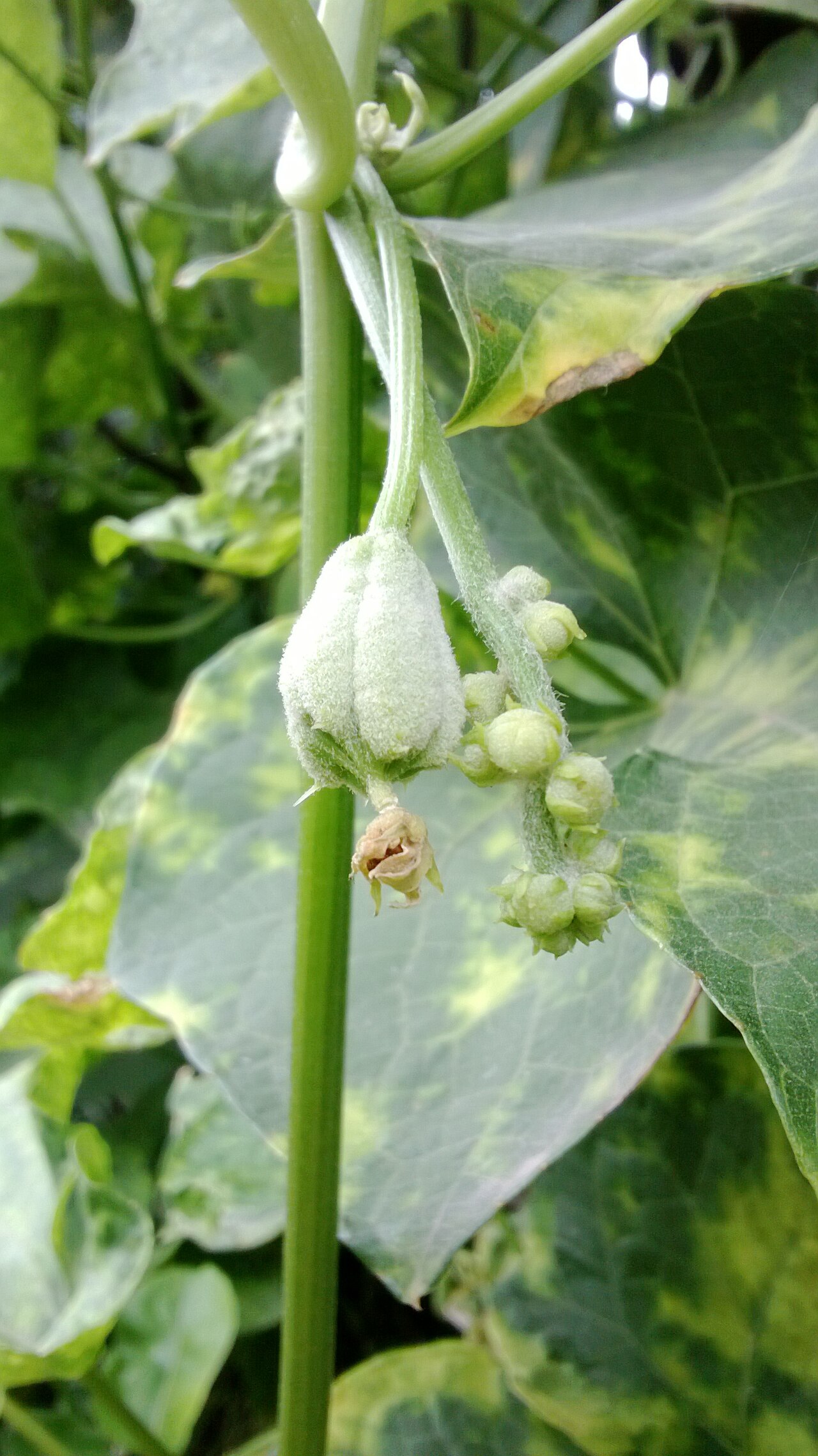
Photos show the species; no verified photo of ‘Perulero Chayote’ itself was found, so these species photos are used with attribution rather than a padded substitute.
Why this variety
Perulero is the chayote with a USDA plant-explorer story. In 1916, explorer Wilson Popenoe, collecting in Guatemala, sent word of a chayote that was “devoid of spines, round, without suture, and either green or white,” with a superior flavor — small, spherical, smooth, and easy to prepare, a chayote that looked, as one history puts it, like a potato rather than a chayote. In Guatemala, the darker green form is called güisquil and the lighter, yellower form perulero, and it is the perulero — pale, smooth, and spineless — that Popenoe thought was the ideal.
For a Florida gardener, the appeal is practical as well as historical: a spineless, smooth fruit is easier to pick, peel, and prepare than the spiny, deeply furrowed forms, and a single Perulero vine, like all chayotes, can produce fifty to a hundred fruit in a good season from a single planted fruit. UF/IFAS Extension names Florida Green and Monticello White as the state’s common varieties and adds “and imports” — Perulero is exactly that kind of import: a traditional Guatemalan form grown wherever chayote is loved, now at home on a Florida fence.
For the general picture, start with the Chayote growing guide — this guide covers what makes Perulero Chayote different.
How to grow
Plant a whole sprouted fruit on its side, barely covered, after last frost — do not cut it up or peel it, because the fruit is the seed packet, and the sprout inside is the plant. Give it the strongest support you have: an arbor, a fence, or a pergola, because a chayote vine will happily cover a shed, and a vine loaded with fruit in a storm is heavy. In Florida, chayote is a perennial in zones 9–11, so a well-sited vine comes back year after year from its tuberous root, producing in a late-season rush when days shorten.
Water steadily and mulch heavily, and feed with compost or worm castings through the season — a vine making a hundred fruit is a hungry vine. Chayote likes heat and humidity, which Florida provides in abundance, and it tolerates the state’s sandy soils as long as drainage is decent and water is steady. Do not plant it where you will resent its vigor: a chayote vine is generous to a fault, and the kindest thing you can do for it is give it a fence to conquer and then get out of the way.
Water & feeding
Water steadily and mulch heavily — a vine making dozens of fruit is a thirsty vine, and drought drops flowers and shrivels young fruit. Feed with compost or worm castings through the season; chayote in sandy soil appreciates steady fertility. Keep the root zone mulched and the vine’s feet cool, and give it the strongest support you have, because a fruit-loaded vine in a storm is heavy.
Common problems
- Frost — perennial only in zones 9–11; a hard freeze kills top growth, though the tuberous root may resprout in mild winters.
- A vine that takes over — chayote is generous to a fault. Give it a fence to conquer and prune wandering shoots.
- Fruit flies and birds on ripe fruit — pick promptly and clean up fallen fruit.
- Powdery mildew in humid weather — airflow, sun, and prompt cleanup of affected leaves.
Harvest
Harvest in the late-season rush, when fruits are firm and full-sized — Perulero fruits are smaller and rounder than the big pear-shaped market types, so judge by firmness and fullness rather than size alone. Pick with gloves if your vines have any spiny fruit mixed in, though Perulero itself is spineless. Use fresh like a summer squash — sautéed, stuffed, in soups and stews — or let a few fruits sprout for next year’s planting: a sprouted chayote on the kitchen counter in winter is next year’s vine, waiting patiently. The starchy tuber under the crown is also edible, a bonus harvest for the adventurous.
A single vine can produce fifty to a hundred fruit in a good season — plant one, feed the neighborhood, and save a sprouted fruit for next year.
Browse all plant & pest guides
Saving seeds
Perulero is the chayote with a USDA plant-explorer story. In 1916, explorer Wilson Popenoe, collecting in Guatemala, sent word of a chayote that was “devoid of spines, round, without suture, and either green or white,” with a superior flavor — small, spherical, smooth, and easy to prepare, a chayote that looked, as one history puts it, like a potato rather than a chayote. For a Florida gardener, the appeal is practical as well as historical: a spineless, smooth fruit is easier to pick, peel, and prepare than the spiny, deeply furrowed forms, and a single Perulero vine, like all chayotes, can produce fifty to a hundred fruit in a good season from a single planted fruit. As a named chayote it is kept true by planting the whole fruit, not by seed: plant a whole sprouted fruit on its side, barely covered, after last frost — do not cut it up or peel it, because the fruit is the seed packet, and the sprout inside is the plant. The full method is in the Propagation section of the Chayote guide.