
🌺 Petite Pink Oleander
What it looks like
Why this variety
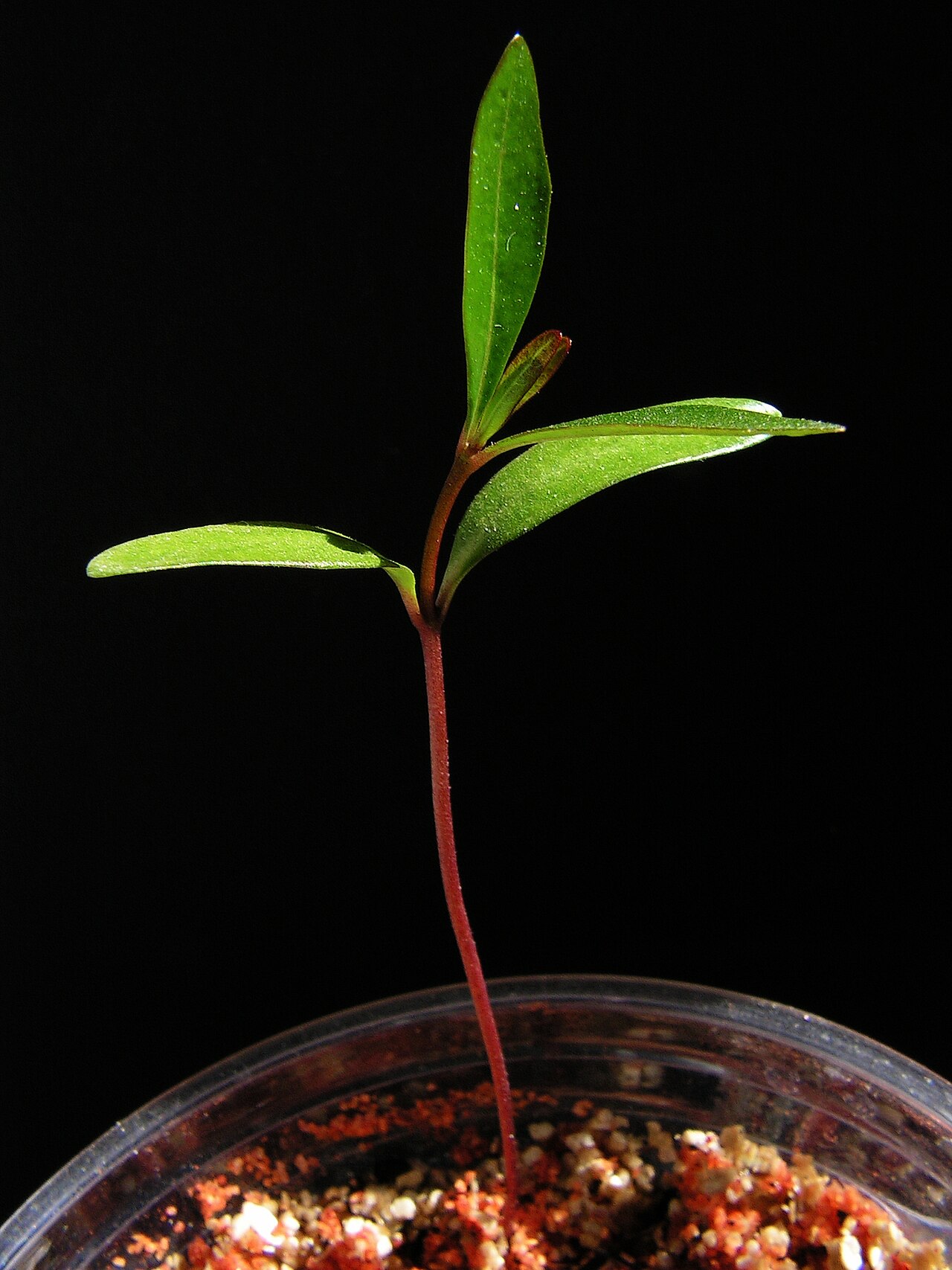
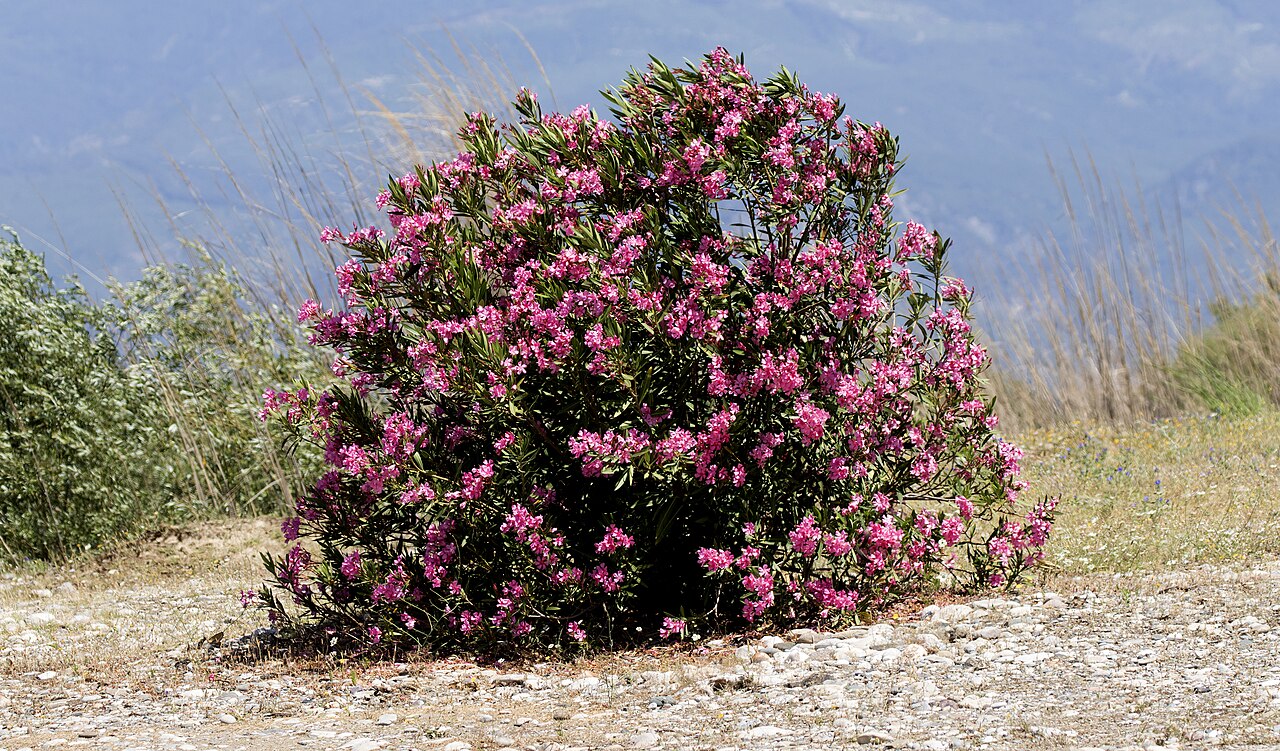
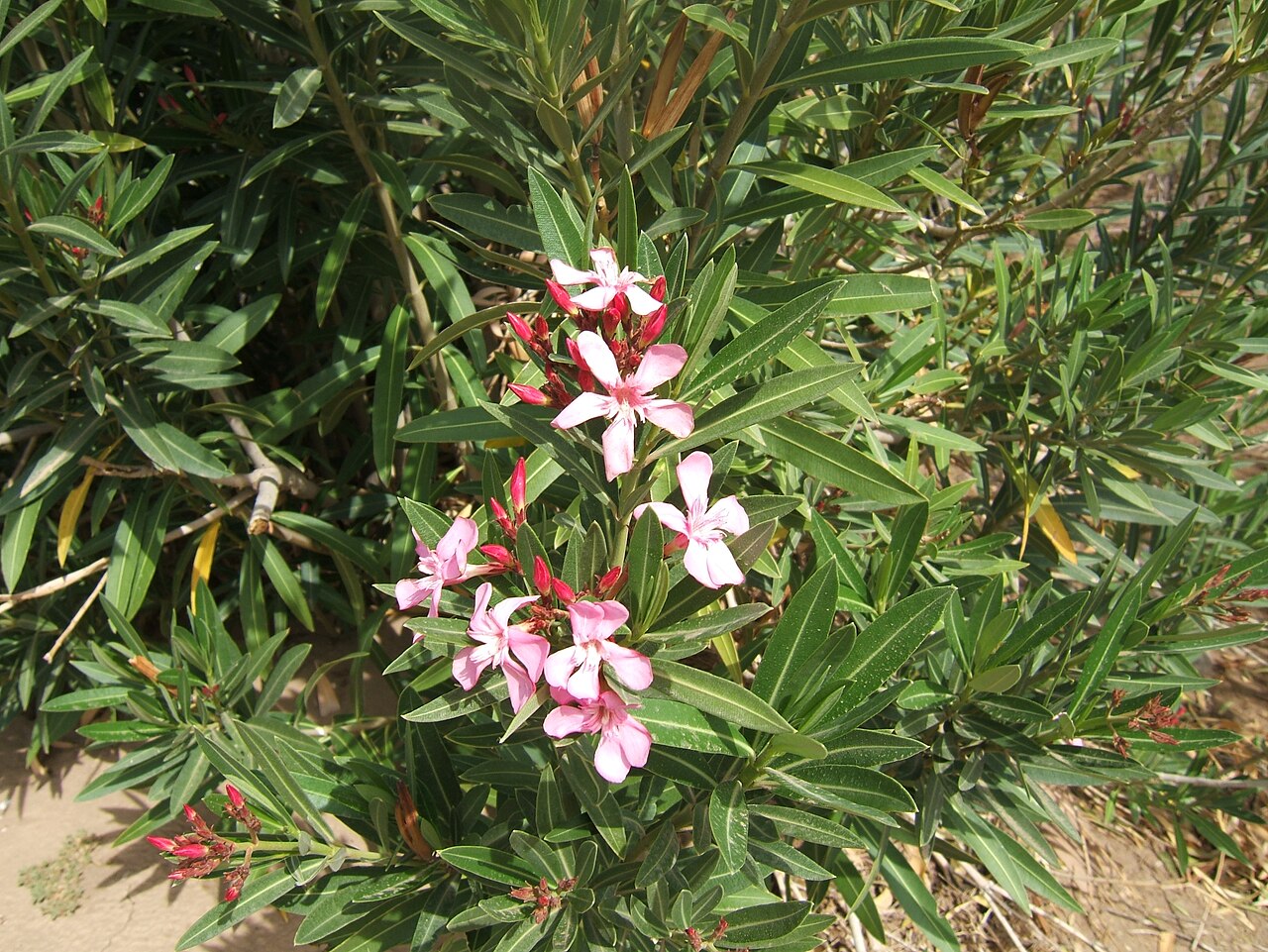
Petite Pink is oleander in a size a foundation bed can hold: a dwarf form, 3–5 feet tall and wide, with soft pink flowers from late spring through fall, long leathery evergreen leaves, and the oleander toughness that makes it thrive where many shrubs fail — coastal salt spray, reflected heat, poor soil and drought. It is the oleander for a small garden, a hedge, or a hot, dry corner where a fussier shrub would give up, and it blooms for months on very little care.
In Florida, Petite Pink is at home statewide in full sun and well-drained soil. And the warning belongs here, not in the footnotes: every part of oleander is seriously poisonous if eaten, so site it away from vegetable gardens, pet runs and places where children play with plants, wash hands after pruning, and never burn the prunings — the smoke is toxic too. A beautiful, tough, poisonous shrub is a plant you site on purpose, not by accident.
How to grow
Oleander is a broadleaf evergreen shrub with long, leathery leaves and clusters of white, pink, red or yellow flowers that bloom from late spring through fall in warm climates. Standard types reach 10–18 feet; dwarf cultivars stay 3–6 feet. It thrives where many shrubs fail: coastal salt spray, reflected heat, poor soil and drought. Plant in spring after frost danger in full sun and well-drained soil, and give it room — oleander grows fast and a crowded oleander is a pruning chore. And plant it with respect: every part of oleander is seriously poisonous if eaten, so site it away from vegetable gardens, pet runs and places where children play with plants, wash hands after pruning, and never burn the prunings — the smoke is toxic too.
Water & feeding
Water deeply through the first season, then only in dry spells; established oleander is notably drought- and salt-tolerant and blooms best when not pampered with constant water. Feed lightly in spring. Overwatering in heavy soil causes more trouble than drought.
Common problems
Oleander caterpillars may defoliate plants in summer — pick them off or accept a regrowth cycle; healthy plants recover. Scale and aphids appear on stressed plants. Bacterial leaf scorch can strike in some regions; remove affected stems promptly. But the headline warning is not a pest at all: oleander is poisonous, and that fact belongs in every conversation about planting it, not in the footnotes.
Harvest
The harvest is months of pink bloom and evergreen structure, with almost no care beyond a light prune after a flush to shape. Deadhead nothing — oleander blooms continuously without it — and keep prunings out of compost and burn piles, because the toxicity does not compost away on a garden timescale.
Nerdy fact: Oleander’s poison is a family of cardiac glycosides, the same class of compounds as the heart drug digoxin — which is why oleander has a long history in folk medicine and an even longer history of poisoning people who mistook it for something edible. Beautiful, useful, and not to be eaten: the whole plant in one sentence.
Saving seeds
Petite Pink is oleander in a size a foundation bed can hold: a dwarf form, 3 to 5 feet tall and wide, with soft pink flowers from late spring through fall, long leathery evergreen leaves, and the oleander toughness that makes it thrive where many shrubs fail — coastal salt spray, reflected heat, poor soil and drought. In Florida, Petite Pink is at home statewide in full sun and well-drained soil. As a named dwarf oleander it is kept true by cuttings, not by seed — seedlings would not hold the dwarf size or the soft pink flowers. Plant in spring after frost danger in full sun and well-drained soil, and give it room. And the warning belongs here, not in the footnotes: every part of oleander is seriously poisonous if eaten, so site it away from vegetable gardens, pet runs and places where children play with plants, wash hands after pruning, and never burn the prunings — the smoke is toxic too. The full method is in the Saving seeds section of the Oleander guide.