
🫘 Phaseolus
What it looks like
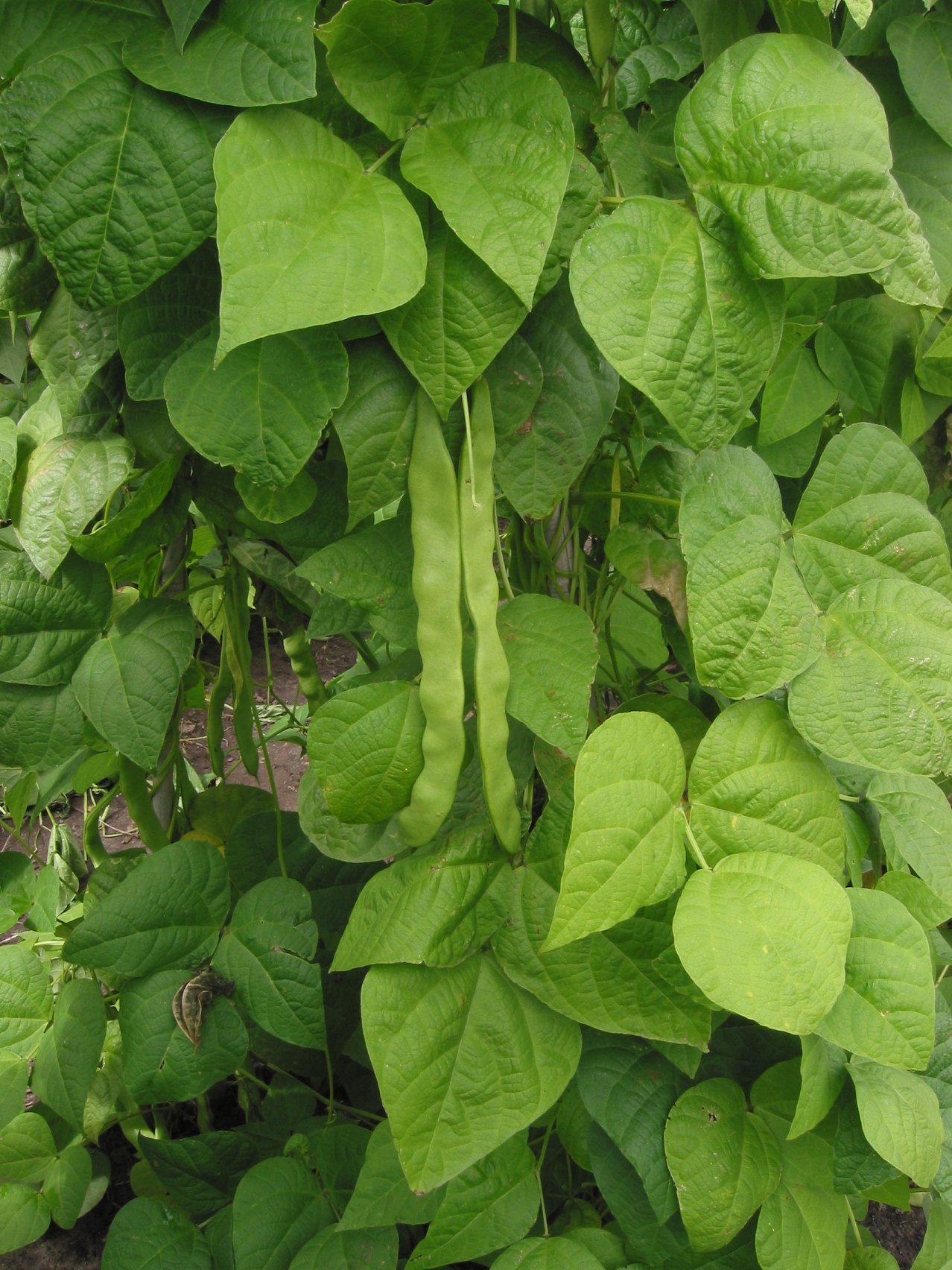
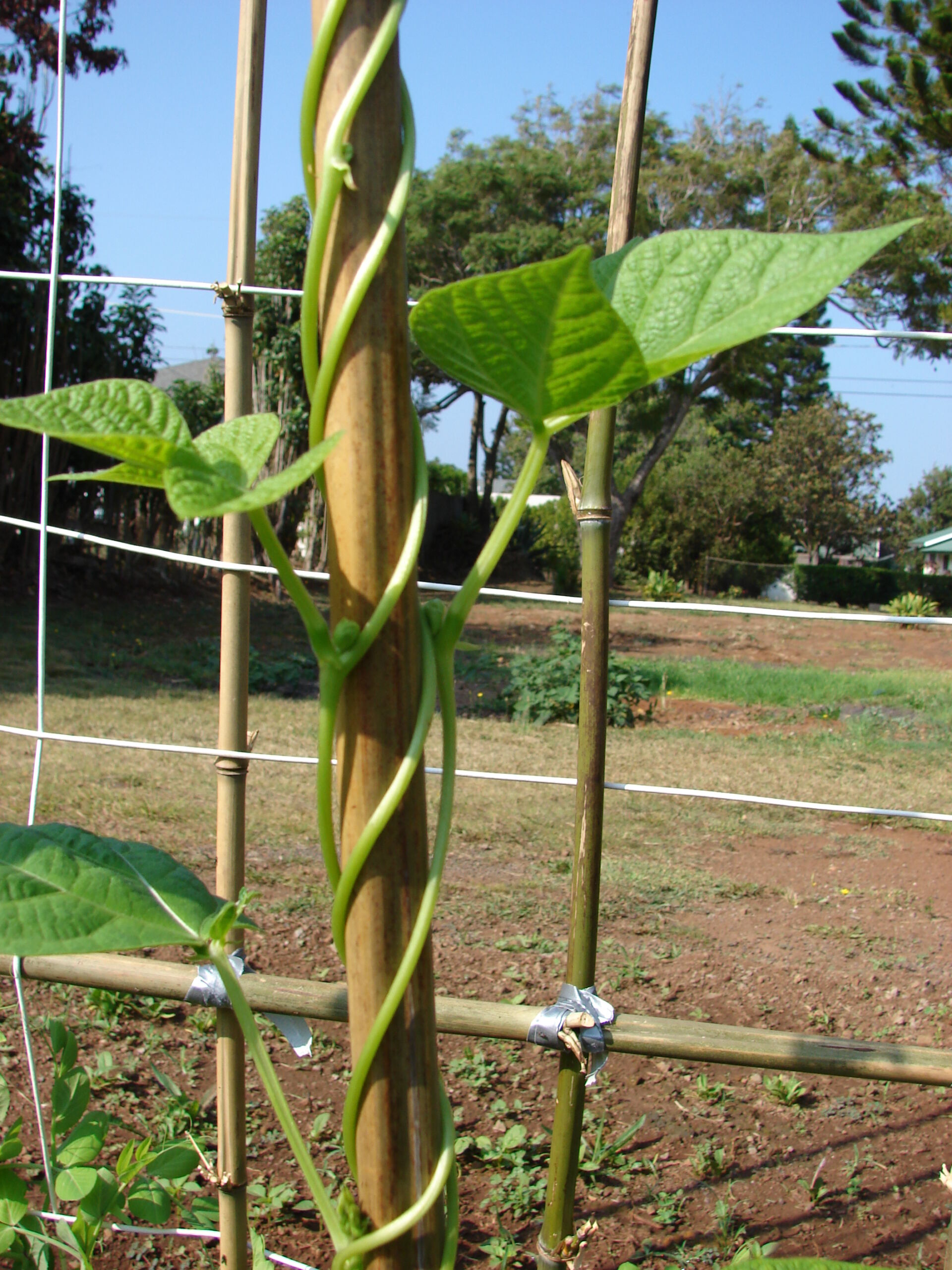
Phaseolus is the bean genus, and if you have ever eaten a green bean, a kidney bean, a pinto, a navy bean, a black bean, or a baked bean, you have met it. It is a genus of flowering plants in the legume family (Fabaceae), with about 70 species, most of them native to the Americas, and five cultivated species that feed a large fraction of humanity. The plants are herbaceous annuals or short-lived perennials, and they come in two habits that every gardener learns to distinguish: bush beans, which stand up on their own at 20 to 60 centimeters tall, and pole or climbing beans, which twine 2 to 3 meters up anything vertical and, in the absence of a trellis, up each other, up the fence, and up your patience.
The flowers are the giveaway that you are looking at a legume. Phaseolus flowers are papilionaceous — butterfly-shaped, with a broad banner petal, two side wings, and a keel that is beaked and tightly coiled, like a little spiral staircase for a bee. Flower color runs pink, purple, red, violet, or white depending on species and variety, and the fruit is the familiar pod: a long legume that can be green, yellow, red, or purple, holding up to a dozen kidney-shaped seeds that range from solid black, brown, yellow, and red to speckled and mottled in two or more colors. The leaves are trifoliate — three leaflets to a leaf — and the vines twine with a handedness you can actually check: common bean vines wrap anti-clockwise, a detail that is useless at the dinner table and delightful in the garden.
For butterflies, Phaseolus shows up in the guides in the most literal way possible: as “beans,” with the Latin Phaseolus attached. In the butterfly guides it appears as a host plant for the gray hairstreak, the pea blue butterfly, and the long-tailed skipper. The long-tailed skipper connection is worth a special note for bean growers, because that skipper’s caterpillar is also known as the bean leafroller: it folds bean leaves into shelters and feeds inside them. So the same genus that gives you dinner also gives a skipper a nursery, and a bean patch with a few rolled leaves is not a failed crop. It is a host plant doing its second job.
How to grow
Beans are a warm-season annual for almost everyone, and the first rule is the one impatient gardeners break: do not sow too early. Phaseolus seed rots in cold, wet soil, so wait until the soil is reliably warm — at least 60 degrees Fahrenheit, warmer for limas — and all danger of frost has passed, then sow directly where the plants will grow. Beans resent transplanting, and direct sowing is both easier and more successful. Sow bush beans 1 inch deep and 4 to 6 inches apart in rows 18 to 24 inches apart, and sow pole beans 6 to 12 inches apart at the base of a sturdy trellis, fence, or teepee that can hold a 6- to 10-foot vine loaded with pods in a windstorm. A flimsy trellis is a promise you will regret in August.
Choose your type before you sow, because Phaseolus splits into jobs and each wants different handling. Snap or green beans, mostly Phaseolus vulgaris, are picked young and tender, pod and all, about 50 to 60 days after sowing for bush types. Dry beans — kidney, pinto, navy, black — are the same species left to mature and dry on the vine, then shelled. Runner beans, Phaseolus coccineus, are the show-offs: scarlet or white flowers beloved by hummingbirds, pods up to 10 inches long, and a perennial rootstock in frost-free climates, though they are usually grown as annuals where winters freeze. Lima beans, Phaseolus lunatus, want more heat and a longer season than common beans and repay it with buttery seeds. Tepary beans, Phaseolus acutifolius, are the desert specialists, bred by heat and drought into one of the most heat-tolerant beans on Earth. All of them share the same basic care, and all of them share the same superpower, which is the next section’s subject.
Florida note: Florida is bean country with a calendar. The long warm season suits bush and pole beans beautifully in spring and fall, and southern gardeners can grow beans across much of the year, but summer’s heat, humidity, and disease pressure make midsummer bean growing a challenge: flowers drop in extreme heat, fungal diseases thrive, and pests multiply. Sow for a spring harvest and a fall harvest, give pole beans a tall, sturdy trellis with good air movement, and treat summer as bean vacation rather than bean season. Lima beans, which love heat, are the exception that proves the rule — they handle a Florida summer better than common beans do.
Water & feeding
Water needs are moderate and steady. Beans want about an inch of water a week, evenly applied, and they are fussier about consistency than about quantity: irregular watering causes poor pod set and misshapen pods, and water stress at flowering causes blossoms to drop. Water at the base of the plants, not overhead, to keep leaves dry and reduce fungal disease, and mulch to hold soil moisture steady. Once pods start forming, do not let the plants dry out — a thirsty bean plant aborts its crop rather than asking for a drink.
Feeding is where beans embarrass the rest of the vegetable garden. Like all legumes, Phaseolus forms root nodules housing Rhizobium bacteria that fix atmospheric nitrogen into a form the plant can use — the plant literally manufactures its own fertilizer from thin air, with bacterial help. That means beans need little or no nitrogen fertilizer, and excess nitrogen produces lush leaves and few pods, which is the opposite of dinner. What they do want is phosphorus and potassium for flowering and pod set, and a soil that is not starved of those. A light application of compost before planting and, in very poor soil, a low-nitrogen fertilizer is enough. And the soil science payoff lasts beyond the bean season: when the plants are done, cut them at the base and leave the roots in the ground, and the nitrogen in those nodules feeds whatever you plant next. A bean patch is a fertilizer factory that also makes lunch.
Common problems
- Seed rot in cold soil. The classic beginner mistake. Sowing into cold, wet soil rots the seed before it germinates. Wait for warm soil, and do not pre-soak seed in cool weather.
- Bean leafroller caterpillars. The long-tailed skipper’s caterpillars fold leaves and feed inside. A few rolled leaves are cosmetic; heavy infestations can defoliate young plants. Hand-pick rolled leaves on small plantings, and remember that the same insect is a butterfly, not just a pest.
- Mexican bean beetles. Coppery, spotted beetles whose larvae skeletonize leaves from underneath. Hand-pick adults and larvae, and check leaf undersides regularly.
- Fungal diseases in humidity. Rust, anthracnose, and bacterial blight all thrive in wet, humid weather. Water at the base, space for air movement, rotate crops, and do not work among wet plants.
- Flowers dropping without setting pods. Usually heat, drought, or both. Keep water steady, mulch, and choose heat-tolerant types like limas and teparies for the hottest slots.
- Raw beans are toxic. Not a garden problem, a kitchen rule: raw or undercooked dry beans contain phytohaemagglutinin, a toxic protein that is destroyed by thorough boiling. Never eat raw dry beans, and never slow-cook kidney beans without boiling them first — a slow cooker may not get hot enough.
Harvest
Harvest depends on which bean you grew, and the genus gives you three harvests from one planting habit. For snap beans, start picking about 50 to 60 days after sowing for bush types, when the pods are firm, crisp, and snap cleanly, with seeds still small and underdeveloped — pick every couple of days, because a plant that sets mature seed stops producing new pods, and regular picking is what keeps the harvest coming. For shell beans like limas, pick when the pods are plump but still green, and shell them fresh. For dry beans, wait until the pods are dry and rattling on the vine, then pull the plants, dry them further under cover, and thresh by beating or rubbing over a sheet; winnow away the chaff, and store the dry seeds in airtight jars. Properly dried beans keep for a year or more, which is how a summer planting becomes winter soup. And the simplest harvest: leave a few pods for the birds and the seed-savers, and cut the spent plants at the base, leaving the nitrogen-fixing roots in the soil for next season’s crop. That is the crop, and it feeds the garden twice.
Browse all plant & pest guides
Saving seeds
Phaseolus is the bean genus — common beans, runner beans, limas, teparies — and the seed-saving rules are the same across it, with one difference that matters: beans in this genus mostly self-pollinate, so saving seed is straightforward, but different varieties of the same species will cross if bees get busy, and runner beans cross more freely than common beans. If you want seed that stays true, grow one variety of each species, or separate varieties by a good distance, or bag a few flowers.
Let the pods dry fully on the vine until they are brown, papery, and rattling — that is the seed telling you it is done. Pick them on a dry day, because pods left damp in Florida humidity mold fast, and shell them over a tray. Spread the shelled seed on a plate in a dry, airy spot for a week or two until the seed is hard enough that your thumbnail cannot dent it, then winnow out the chaff. Toss any seed with holes — that is bean weevil work — and freeze the good seed for three days before storing, which kills any weevil eggs hiding inside.
Sow beans direct where they will grow, after the soil has warmed to at least 65°F, about an inch deep. Beans germinate in 7 to 14 days in warm soil and grow a taproot that resents transplanting, so do not start them in pots unless you must, and if you do, use soil blocks or pots you can plant whole. In Florida, beans are a spring and fall crop — summer heat and humidity bring disease, and seed saved from a struggling summer plant is seed from a struggling plant.
Store dry seed in a sealed jar in a cool, dry place; in Florida humidity, a jar with a silica packet beats a paper envelope on a shelf. Bean seed keeps 2 to 3 years under good conditions, but germination drops fast in heat and damp — test a few seeds on a wet paper towel before you trust an old jar with a whole bed. And save seed only from healthy plants: beans carry seed-borne disease, and a diseased parent passes its problems to the next generation.
Species in this group
Common bean (Phaseolus vulgaris) — the big one: green beans, snap beans, kidney, pinto, navy, black, and baked beans all belong to this single, wildly variable species, domesticated twice in the Americas.
Runner bean (Phaseolus coccineus) — the scarlet-flowered climber, grown as both food and ornamental, perennial from a tuberous root where winters do not freeze, with pods to 10 inches and seeds to an inch long.
Lima bean (Phaseolus lunatus) — the heat-loving butter bean, with large, flat seeds and a longer, hotter season requirement than the common bean.
Tepary bean (Phaseolus acutifolius) — the desert bean, bred by heat and drought into one of the most heat- and drought-tolerant beans grown anywhere.
Year bean and wild relatives (Phaseolus dumosus and others) — the lesser-known cultivated and wild species of the genus, including the year bean of Central America, grown regionally and important as genetic resources for bean breeding.
Note on names: the broad bean is NOT a Phaseolus. It belongs to a different legume genus entirely, and no guide to Phaseolus should claim it.