
🌸 Pink Showers Star Jasmine
What it looks like
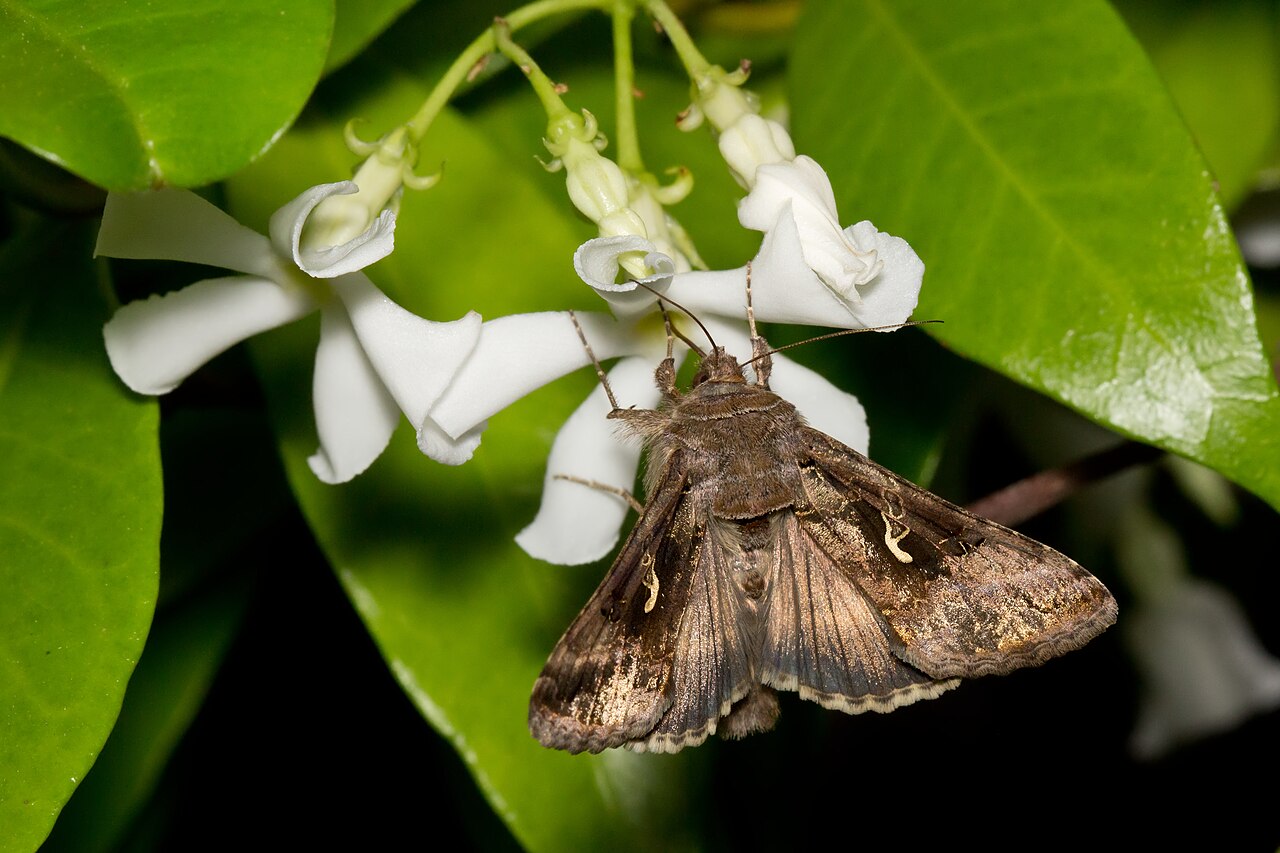

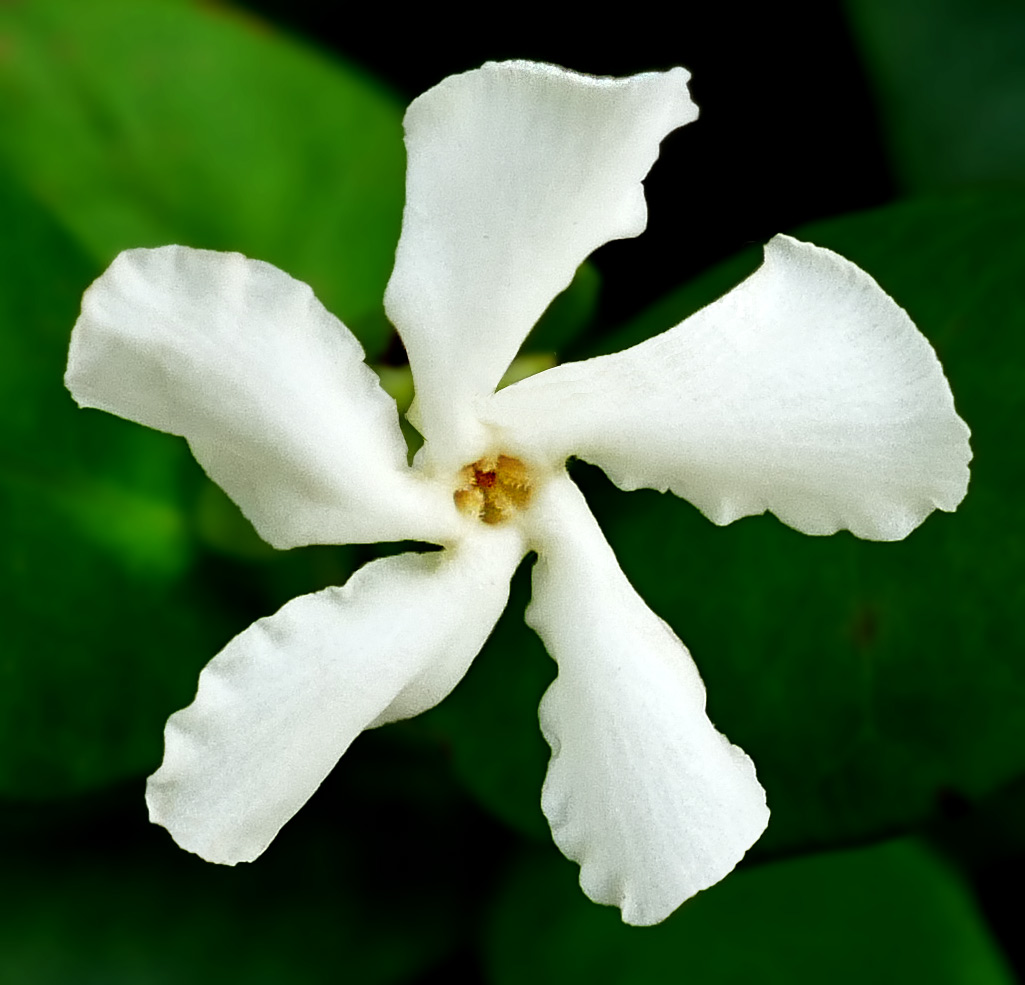
Photos show the species, Star Jasmine, since no cultivar-specific photo has been verified for this variety — the species photos above are already hosted on this site and attributed as on the species guide.
Why this variety
Pink Showers is the pink twist on the most beloved fragrant vine in the South. Star jasmine — also called Confederate jasmine, though it is not a true jasmine at all, but a member of the dogbane family — normally opens creamy-white stars. Pink Showers opens pale pink stars that fade toward creamy white, in clusters through late spring and reblooming into summer, with the same orange-blossom perfume, reportedly a touch softer than the white form’s famously room-filling scent.
The naming deserves honesty: this cultivar has circulated in the trade under both Trachelospermum jasminoides and T. asiaticum, and growers suspect it may be a hybrid between the two. What matters in the garden is consistent — an evergreen twiner with thinner, more delicate foliage than the white species form, a slightly less vigorous habit, and pink flowers where you expected white. Buy the flower colour, not the species argument.
How to grow
Plant in spring in well-drained soil in sun to part shade, against a trellis, fence, or arbor, or as evergreen groundcover on a bank. It climbs by twining, so give it wires or lattice to wrap. In Florida it is a genuine statewide plant in zones 8-10; outside that range, grow it in a large container and overwinter it indoors or in a greenhouse, because it will not survive a hard freeze.
Prune after the main spring flush to shape it and keep it off gutters and roofs, and thin crowded stems so air reaches the foliage. Work worm castings into the planting hole and mulch well; star jasmine is moderately drought-tolerant once established, but it blooms longest with consistent moisture and looks its best when it is not left to bake in reflected heat off a wall.
For the general picture, start with the Star Jasmine growing guide, then use this guide for the details that make Pink Showers different. And a plain-language note on the hero stats above, because vines and shrubs are not vegetables: “Spacing” here means mature planting distance, and “Days to harvest” means time to first bloom — the moment the plant starts paying you back in flowers, not a picking date.
And a plain-language note on the hero stats above, because vines and shrubs are not vegetables: “Spacing” here means mature planting distance, and “Days to harvest” means time to first bloom — the moment the plant starts paying you back in flowers, not a picking date.
Water & feeding
Water deeply to establish and during dry spells; mature plants tolerate short droughts but flower best with steady moisture. Feed in spring with a balanced organic fertilizer and again after the main flush. Avoid waterlogging — star jasmine in a puddle yellows and sulks — and avoid fertilizing late in the season, which pushes soft growth into cold weather.
Common problems
- Scale insects, especially on evergreen foliage — inspect stems in spring and treat with horticultural oil while temperatures are mild.
- Chlorosis (yellow leaves with green veins) in alkaline soil or waterlogged ground — improve drainage and soil organic matter before reaching for iron sprays.
- Milky sap irritation — the sap can irritate sensitive skin, so wear gloves when pruning and keep cuttings away from curious mouths.
- Too-vigorous growth swallowing a small trellis — star jasmine is polite for a vine, but it still needs a sturdy support and an annual tidy-up after flowering.
Harvest
The harvest is scent and colour. Cut a few flowering stems in the morning for indoor fragrance, and deadhead spent clusters to encourage the summer rebloom. Do the structural pruning after the main flush, not in winter, and always wear gloves: the milky sap can irritate sensitive skin, and pink-flowered or not, this is still a dogbane.
Browse all plant & pest guides
Saving seeds
Pink Showers is the pink twist on the most beloved fragrant vine in the South. Star jasmine — also called Confederate jasmine, though it is not a true jasmine at all, but a member of the dogbane family — normally opens creamy-white stars. Pink Showers opens pale pink stars that fade toward creamy white, in clusters through late spring and reblooming into summer, with the same orange-blossom perfume. As a named star jasmine cultivar it is kept true by cuttings, not by seed — seedlings would not hold the pink flowers or the delicate foliage. Plant in spring in well-drained soil in sun to part shade, against a trellis, fence, or arbor, or as evergreen groundcover on a bank, and prune after the main spring flush to shape it. The full method is in the Saving seeds section of the Star Jasmine guide.