
🍀 Pipolina White Clover
What it looks like
Why this variety
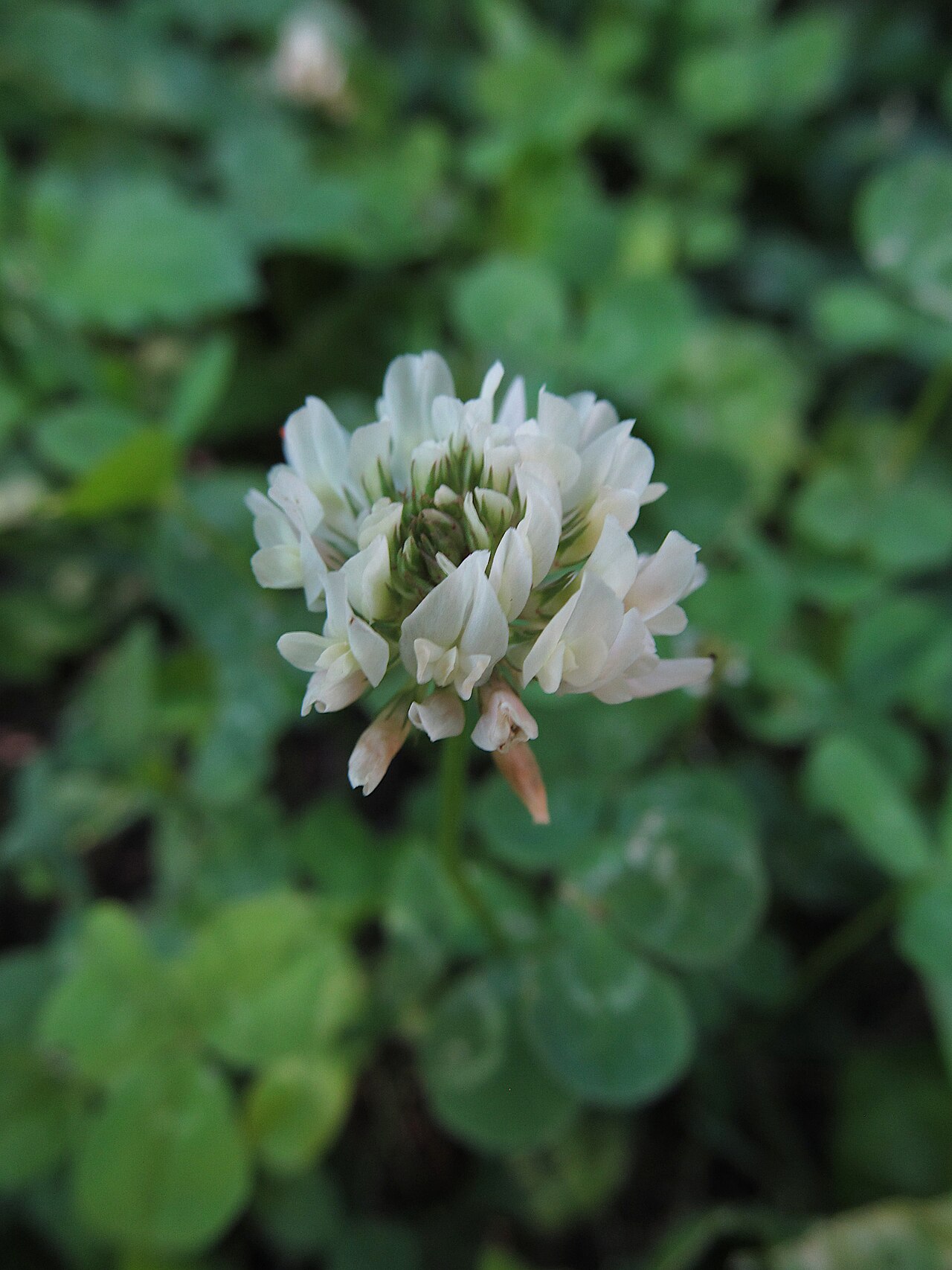
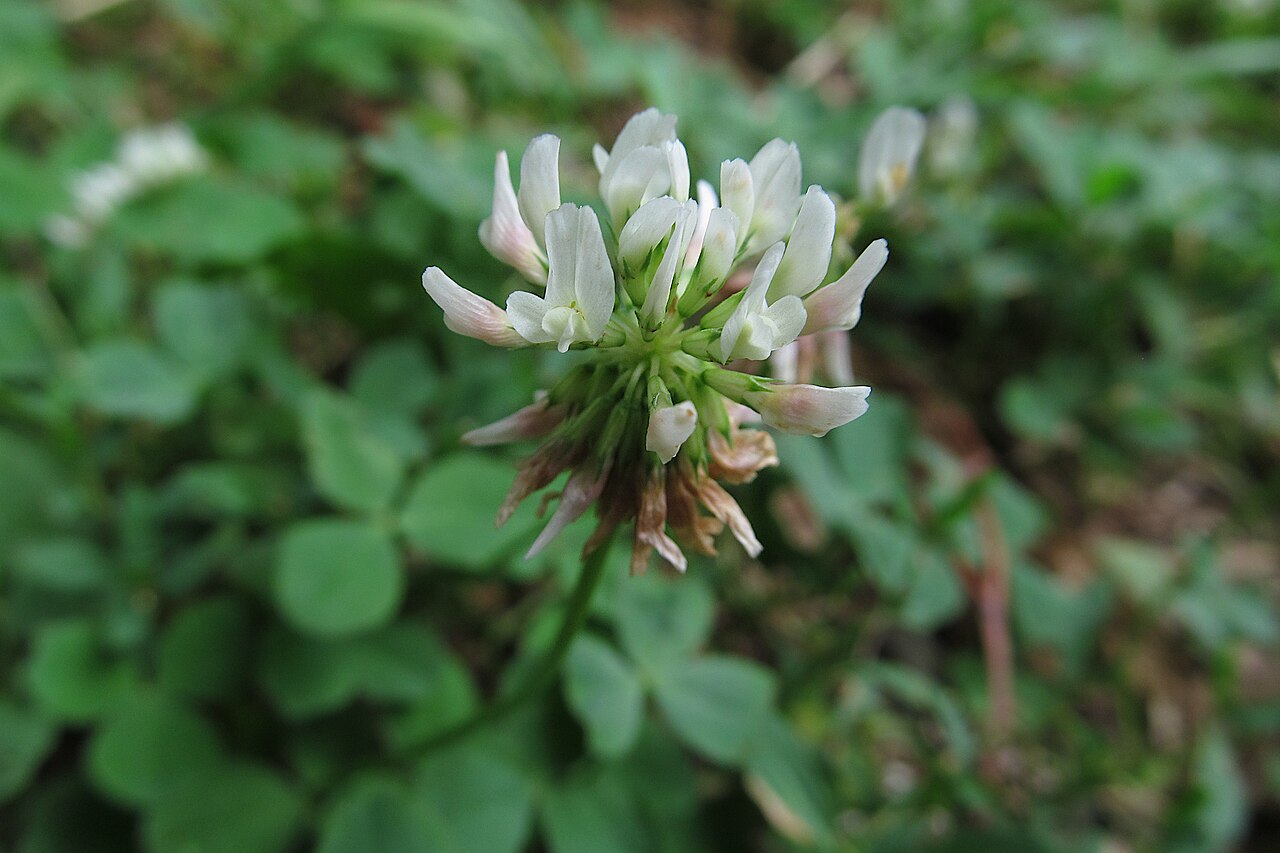
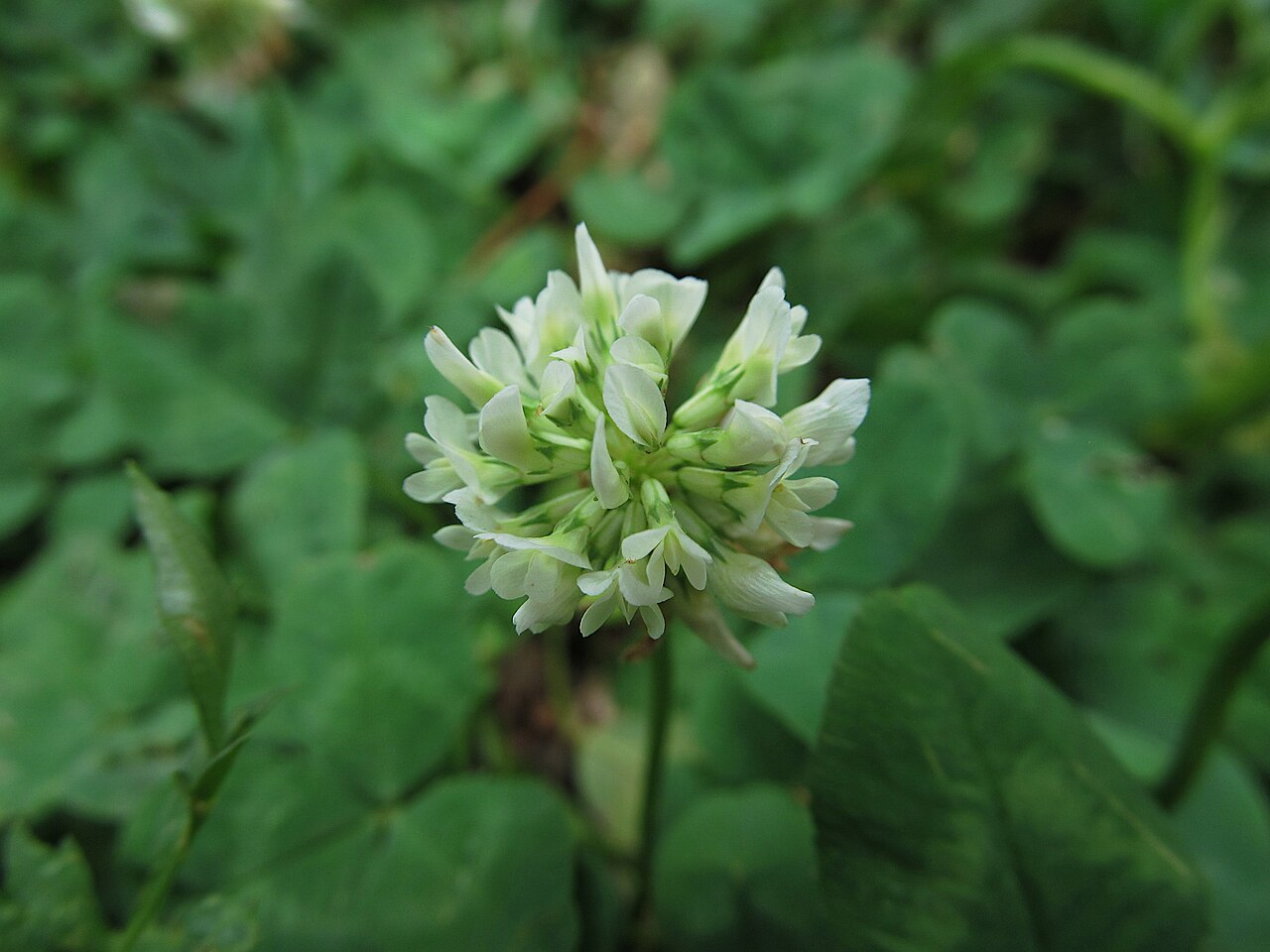
Pipolina is white clover redesigned for people who want a lawn, not a pasture. It is a microclover — a dwarf selection of Trifolium repens bred specifically for turf — with leaves about a third the size of standard white clover, a low, dense habit that tops out around 4–6 inches if you never mow it, and a shy flowering habit: mowed regularly, it barely blooms at all. The result is a clover that reads as lawn, not as a clover patch that ate the lawn.
The trade-offs are the mirror image of the forage types. Pipolina gives you less bee forage (fewer flowers means fewer pollinator visits — the honest cost of a tidy lawn), it establishes more slowly, and the seed costs more per square foot. What you get in return is a uniform, low-mowing, self-fertilizing lawn component that blends with fine turfgrasses, stays green on less water and no nitrogen fertilizer, and does not form the tall, blobby clumps that make some gardeners rip standard clover out. For a front lawn or a low-input eco-lawn, that is exactly the right deal.
If you are new to choosing between cultivars, the Varieties Matter guide explains why the name after the plant matters as much as the plant itself.
Florida honesty: Pipolina is a cool-season lawn plant, and Florida summers are its hard season. In north and central Florida it works as a fall-sown lawn component that shines through the cool months and thins in summer heat; in the far south, treat it as a cool-season annual to reseed each fall. It is not a substitute for a warm-season turfgrass lawn in July — it is the plant that makes the cool-season lawn greener, softer, and cheaper to feed.
How to grow
For a new lawn or overseed, mow existing grass very low, rake or aerate to open the canopy, and sow Pipolina at 2–4 pounds per 1,000 square feet in early spring or fall, when soil is around 60°F. Seed is tiny and often pelletized for easier spreading; sow shallow and keep the seedbed moist until seedlings are up. Use inoculated or coated seed so nitrogen fixation works — uncoated seed without its rhizobium partner will grow, but it will not feed itself or the lawn. Blend with fine fescues or other cool-season turfgrasses, or sow it alone for a pure microclover lawn.
Water & feeding
Water to establish, then water less than a conventional lawn needs — Pipolina’s deep roots and nitrogen self-sufficiency cut both the water and fertilizer bills once it is going. It still wants steady moisture in the cool season and will go dormant or thin in hot, dry weather. Mow at normal turf height; regular mowing is what keeps it low and flower-shy. Feed the soil with compost or worm castings rather than nitrogen fertilizer, which mostly feeds the grass and can crowd the clover out.
Common problems
- Slow establishment — 6–10 weeks to coverage is normal; be patient and keep it watered while young.
- Summer heat dormancy — thins or browns in hot, dry weather; plan on fall overseeding in warm regions.
- Less bee forage than standard clover — the tidy-lawn trade-off; leave a patch unmowed if you want pollinator value.
- Struggles in heavy shade and very acidic soil — give it sun to part shade and a near-neutral pH.
- Higher seed cost — microclover seed costs several times standard clover seed; the payoff is years of lower mowing and fertilizing.
Harvest & use
Pipolina is not harvested — it is lived on. As a stand-alone lawn it gives a soft, dense, green carpet that needs mowing far less often than turfgrass and no nitrogen fertilizer at all. Blended with grass it fills thin spots, darkens the lawn’s color, and quietly feeds the turf around it with fixed nitrogen. Pet-friendly, low-growing, and uniform, it is the clover for gardeners who love what clover does but want it to look like a lawn doing it — which, in the end, is the whole point of a microclover.
Back to the White Clover guide
Browse all plant & pest guides
Saving seeds
Pipolina is white clover redesigned for people who want a lawn, not a pasture. It is a microclover — a dwarf selection of Trifolium repens bred specifically for turf — with leaves about a third the size of standard white clover, a low, dense habit that tops out around 4 to 6 inches if you never mow it, and a shy flowering habit: mowed regularly, it barely blooms at all. As an open-pollinated microclover it comes true from seed: for a new lawn or overseed, mow existing grass very low, rake or aerate to open the canopy, and sow Pipolina at 2 to 4 pounds per 1,000 square feet in early spring or fall, when soil is around 60°F. Seed is tiny and often pelletized for easier spreading; sow shallow and keep the seedbed moist until seedlings are up, using inoculated or coated seed so nitrogen fixation works. The full method is in the Saving seeds section of the White Clover guide.