
🍒 Pitomba
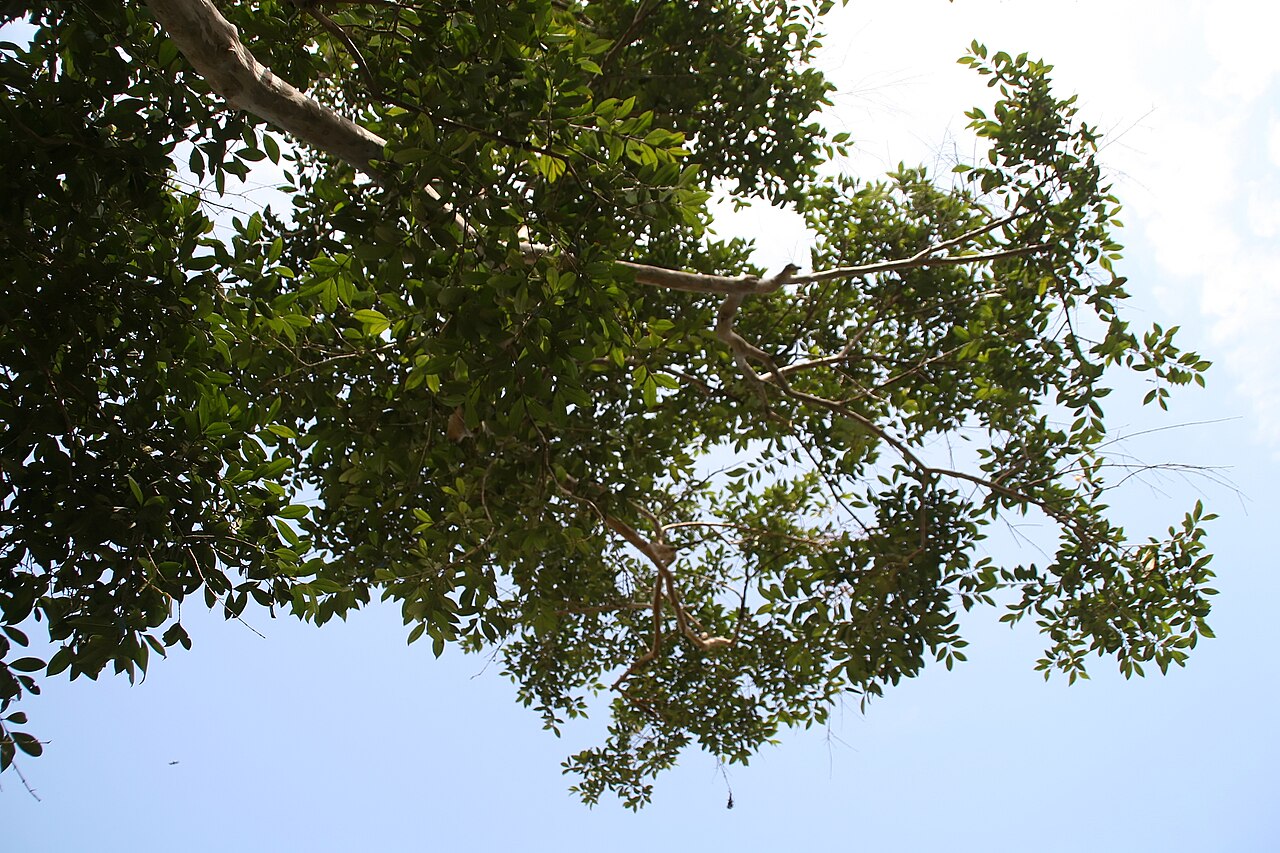
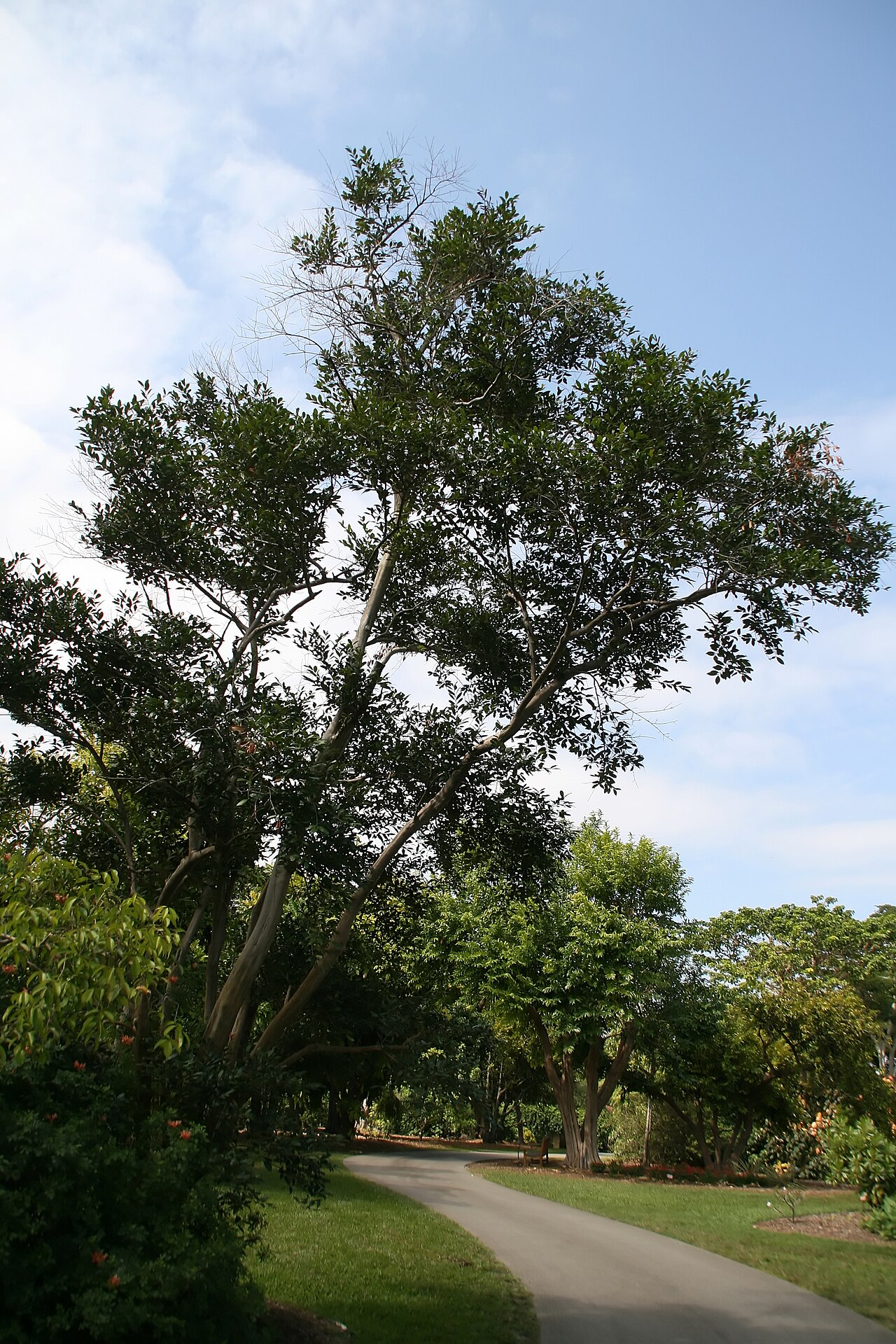
What it looks like

How to grow
Pitomba is a Brazilian myrtle-family tree, a close cousin of grumichama and Surinam cherry, bearing small, yellow-orange fruit with sweet, apricot-scented flesh. Grow it in full sun to light shade in fertile, well-drained, slightly acidic soil in zones 10-11, in south Florida and Hawaii; it is frost-tender and wants warmth, humidity, and steady moisture. Buy a grafted or cutting-grown tree where possible for reliable fruit. Prune to keep it at picking height and mulch to hold moisture. Like its cousins, pitomba fruits ripen fast and attract birds, so netting and daily checking in season are part of the routine.
Water & feeding
Water regularly, especially while young and while fruit ripens; drought causes fruit drop. Mulch to hold moisture. Feed a few times a year with a balanced fertilizer or compost.
Common problems
- Frost — no tolerance; warm sites only.
- Birds — net as fruit colors up.
- Rapid ripening — check daily in season; fruit softens fast.
- Seedling variability — buy named stock where available.
Harvest
Pick when fruit turns fully yellow-orange and softens slightly. Eat fresh, or cook into jelly and jam. Use promptly — pitomba does not hold long off the tree.
Browse all plant & pest guides
Saving seeds
Pitomba seed comes with a deadline, and it is a short one. Like other Eugenia seed, it is recalcitrant — it cannot be dried and stored like a bean seed, and it loses viability quickly once the fruit is eaten. Clean the pulp off the one or two large seeds inside each fruit, rinse them, and sow them fresh, within days. Seed that dries out on the counter is seed that will not sprout.
Sow about an inch deep in a warm, well-draining mix and keep it moist and warm, roughly 72 to 82°F. In Florida’s warm season that is just a sunny spot out of scorching direct sun. Germination usually comes in 1 to 2 months, though some seed takes longer, so do not give up on a pot at six weeks. One grower’s trick that speeds things along is gently cracking the hard shell before sowing — a light nick with a nail file, taking care not to damage the embryo inside. Keep the mix damp but never soggy; a recalcitrant seed that dries out is dead, and one that sits in water will rot.
The honest headline is the same one that applies to most fruit trees: a seedling is a gamble, not a copy. Pitomba seedlings vary in fruit size, flavor, and sweetness — some are delicious and apricot-like, others are disappointing — and a seedling from a good tree will not necessarily taste like its parent. If you want a specific flavor, grafting or air layering is the route. Seed is for the adventure, and pitomba is worth the gamble: it is self-fertile, so a single tree can fruit, and seedlings typically bear in 3 to 5 years.
Save seed from fruit that was fully ripe and delicious, from a healthy tree, and sow more than you need. In Florida, pitomba is a warm-climate tree for zones 9 to 11, so start seedlings in pots and keep them sheltered through their first cool season. And the storage rule is simple because there is no storage: sow it fresh, or do not bother saving it at all.