
🌿 Plantain Herb
What it looks like
How to grow
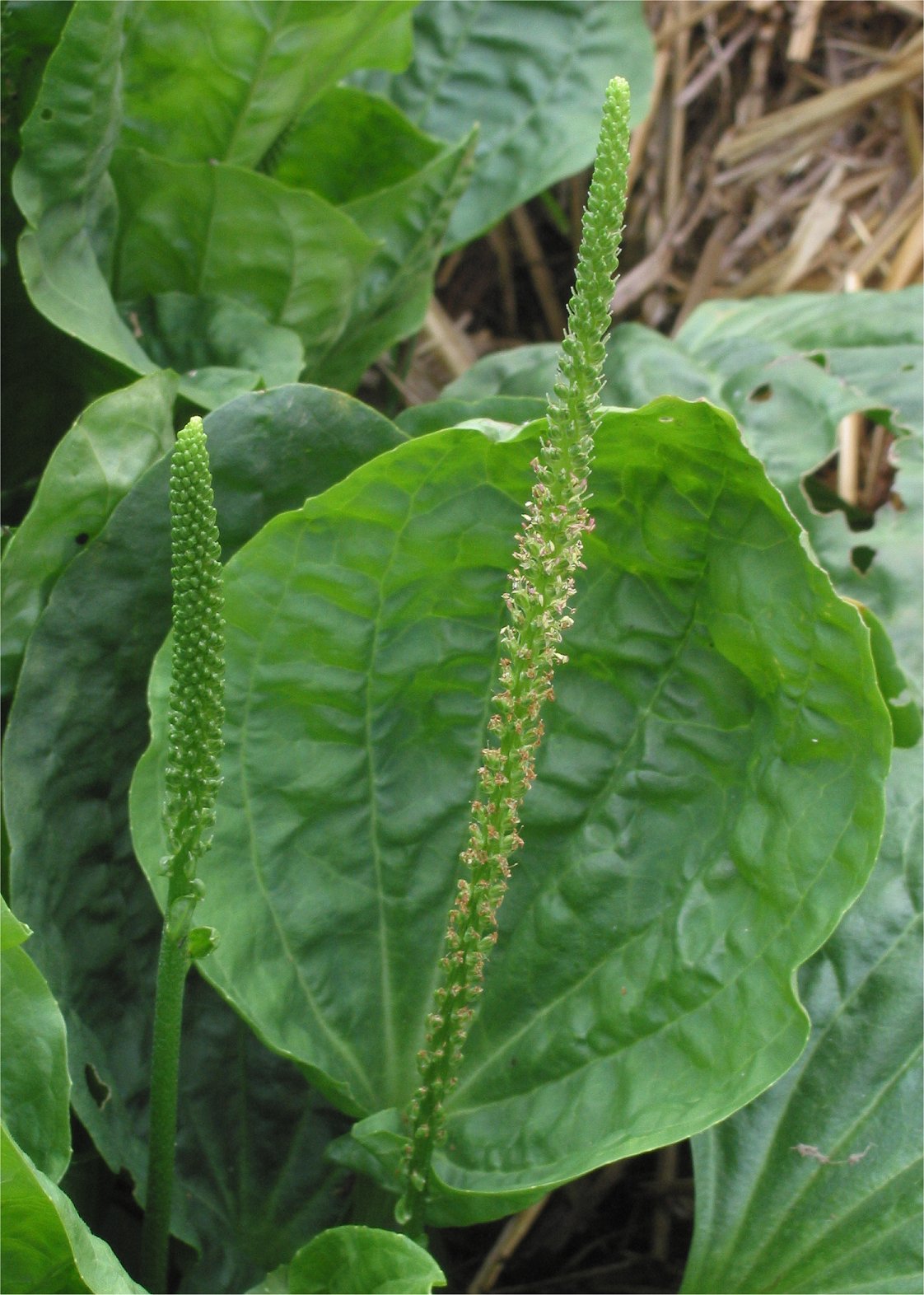
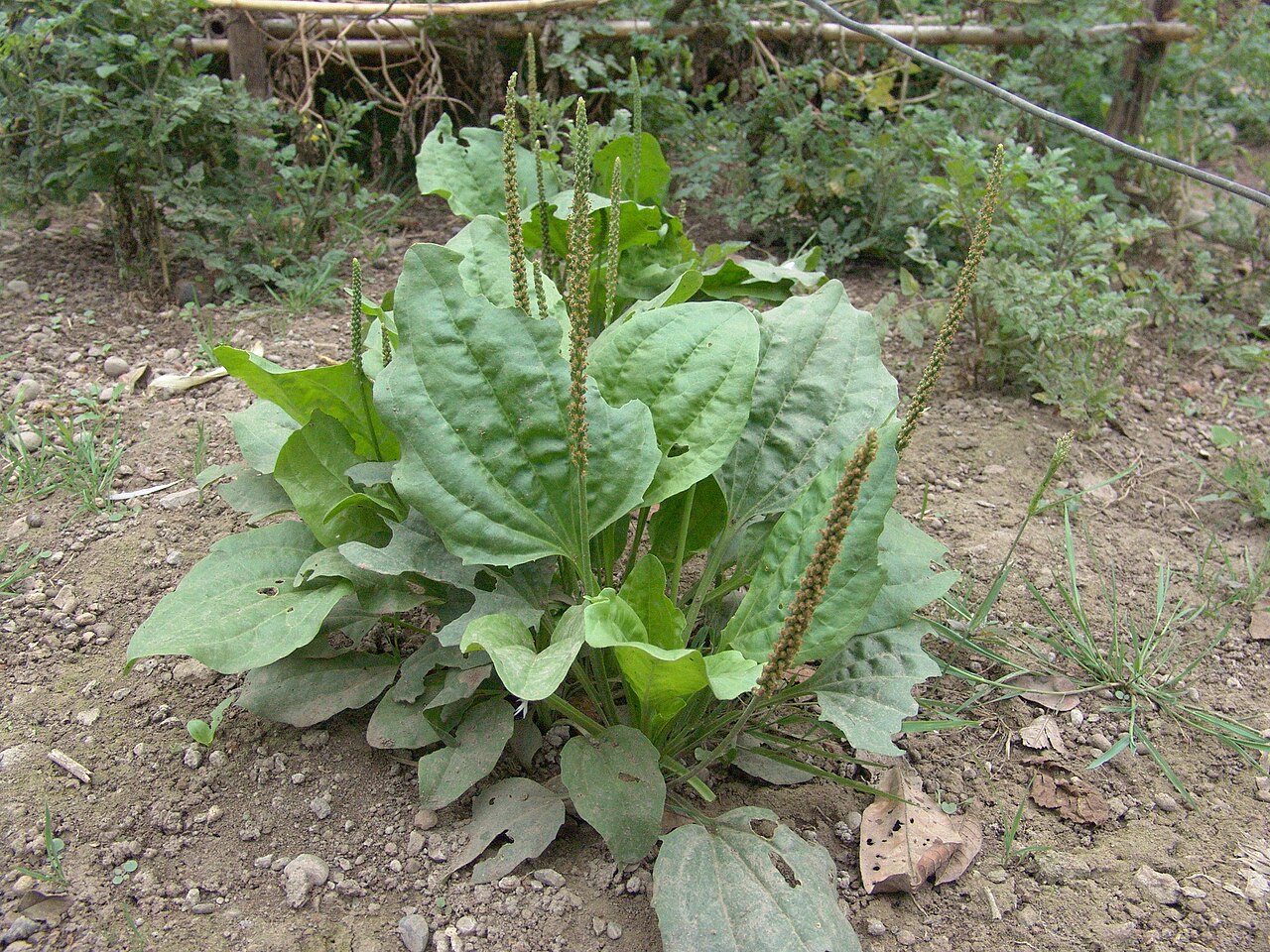
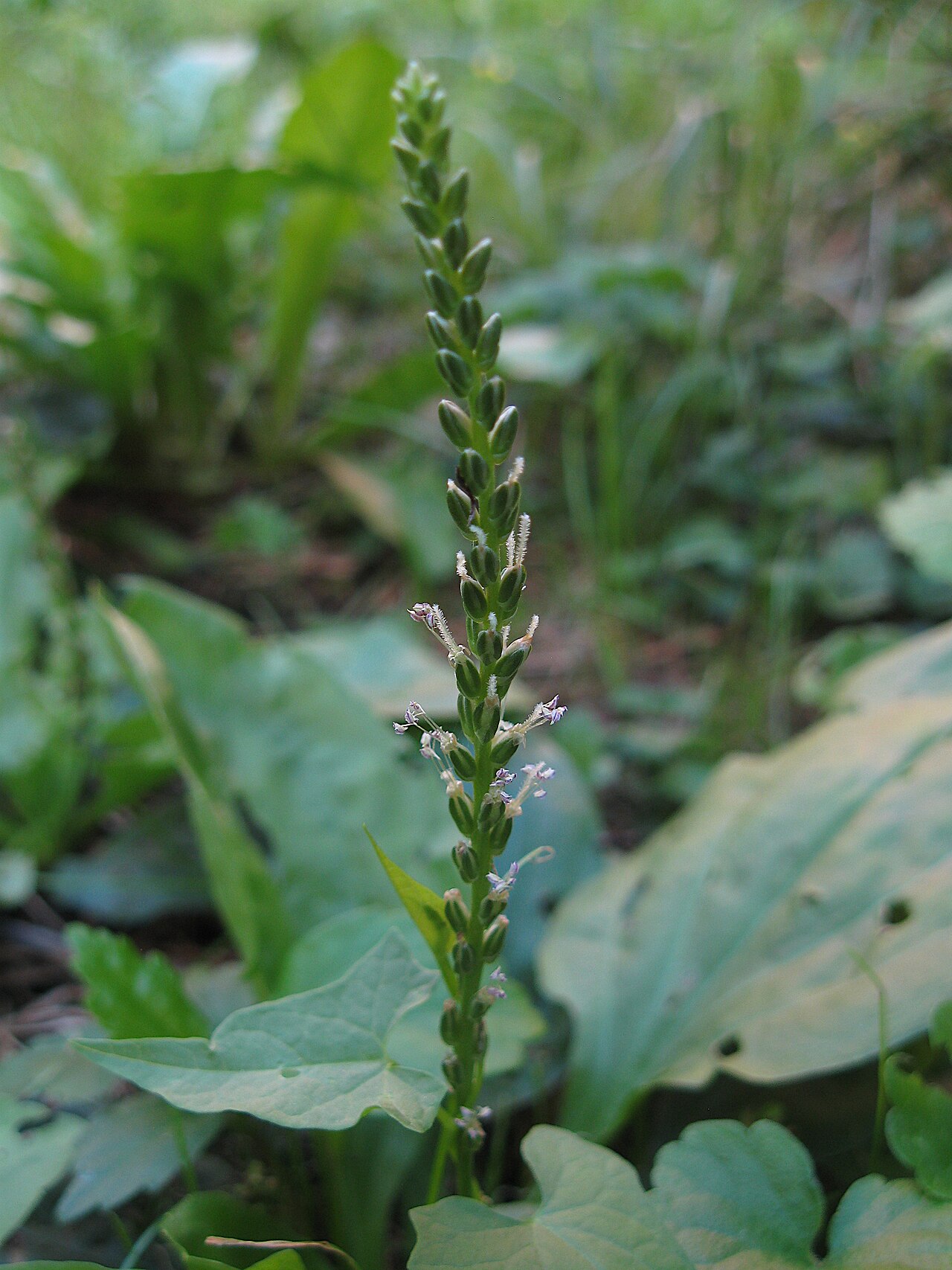
Plantain herb — broadleaf plantain, Plantago major — is not the banana-like fruit called plantain; it is the low rosette weed with broad, ribbed leaves and leafless flower spikes that colonizes lawns, paths, and garden edges. That is precisely why it is easy to grow: sow seed outdoors in fall or after last frost, or transplant volunteers into a dedicated patch, in moist, well-drained soil in sun or partial shade. It tolerates sand, loam, and clay, compaction, mowing, and trampling, and it thrives in soil other plants find rude. Give it its own patch rather than letting it loose in beds, because one plant can produce thousands of seeds and self-sows freely — deadhead flower spikes if you do not want volunteers everywhere. Young leaves are the culinary crop: pick them small, since older leaves turn fibrous and need their tough strands stripped before cooking.
Water & feeding
Water regularly but do not overwater; plantain likes average moisture and tolerates dry spells once established. It needs no fertilizer in ordinary garden soil — rich soil mostly makes bigger leaves, which is fine, but never required. Mulch the patch lightly to hold moisture and keep the rosettes clean.
Common problems
- Self-seeding everywhere — deadhead spikes before seed ripens, or accept a permanent plantain lawn.
- Tough, stringy leaves — harvest young leaves; blanch older ones in boiling water to tenderize them.
- Aphids, mites, and mildew — occasional and rarely serious; blast aphids with water and improve airflow.
- Misidentification — learn the parallel leaf veins and basal rosette; do not harvest from sprayed lawns or roadsides.
Harvest
Pick young leaves as needed for salads or cooking, taking outer leaves first so the rosette keeps growing. Flower spikes can be left for seed or cut for tidiness. This guide covers growing and culinary leaf use only; plantain has a long traditional herbal history, but do not use it medicinally on your own — talk to a qualified clinician first.
Browse all plant & pest guides
Saving seeds
Plantain herb — broadleaf plantain, Plantago major — is the weed you already know how to grow, because it grew itself in your lawn while you were not looking. Saving its seed is almost unnecessary: it self-seeds so freely that the question is usually how to keep it where you want it, not how to get more of it. But if you want a patch of your own, or seed from a particular plant, the method is simple.
Let the flower spikes dry on the plant until they turn brown and papery, then snip them into a paper bag and rub them between your hands — the tiny, dark seeds fall out easily. One spike makes hundreds of seeds, and one plant makes dozens of spikes, so a single plant’s worth is more seed than you will ever sow. Dry the seed fully before storing, and keep it in a paper envelope in a cool, dry place; it keeps for a few years, though fresh seed germinates best.
Sow on the surface of moist soil and barely cover it, if at all — the seed is tiny and needs light to germinate. It sprouts in 1 to 2 weeks in warm, moist conditions, and it is not fussy about soil: plantain grows in lawns, paths, and compacted ground where almost nothing else will. In Florida it grows year-round, so sow whenever you like, and thin the seedlings to a few inches apart if you want big leaves rather than a carpet of small ones. Direct-sow where you want it to grow, because the seedlings resent transplanting.
The honest note is about containment, not germination. Plantain herb reseeds itself with enthusiasm, and in a garden bed it will show up in every crack and corner. Grow it in a patch you have chosen — a corner of the herb garden, a pot, a lawn edge you do not mind — and deadhead the spikes you do not want seeding. A plant that feeds pollinators, soothes stings, and asks for nothing is worth keeping, just on your terms rather than its own.
Varieties
Every named variety of Plantain Herb with its own growing guide:
- Atropurpurea Plantain Herb — The purple plantain: large green leaves tinged dark purple, the ornamental plantain for gardeners who want a weed with manners.
- Rosularis Plantain Herb — The rose plantain: flower spikes that form little green rosettes like tiny roses, the plantain collectors grow for its oddity.