
🟣 Plumcot
What it looks like
How to grow
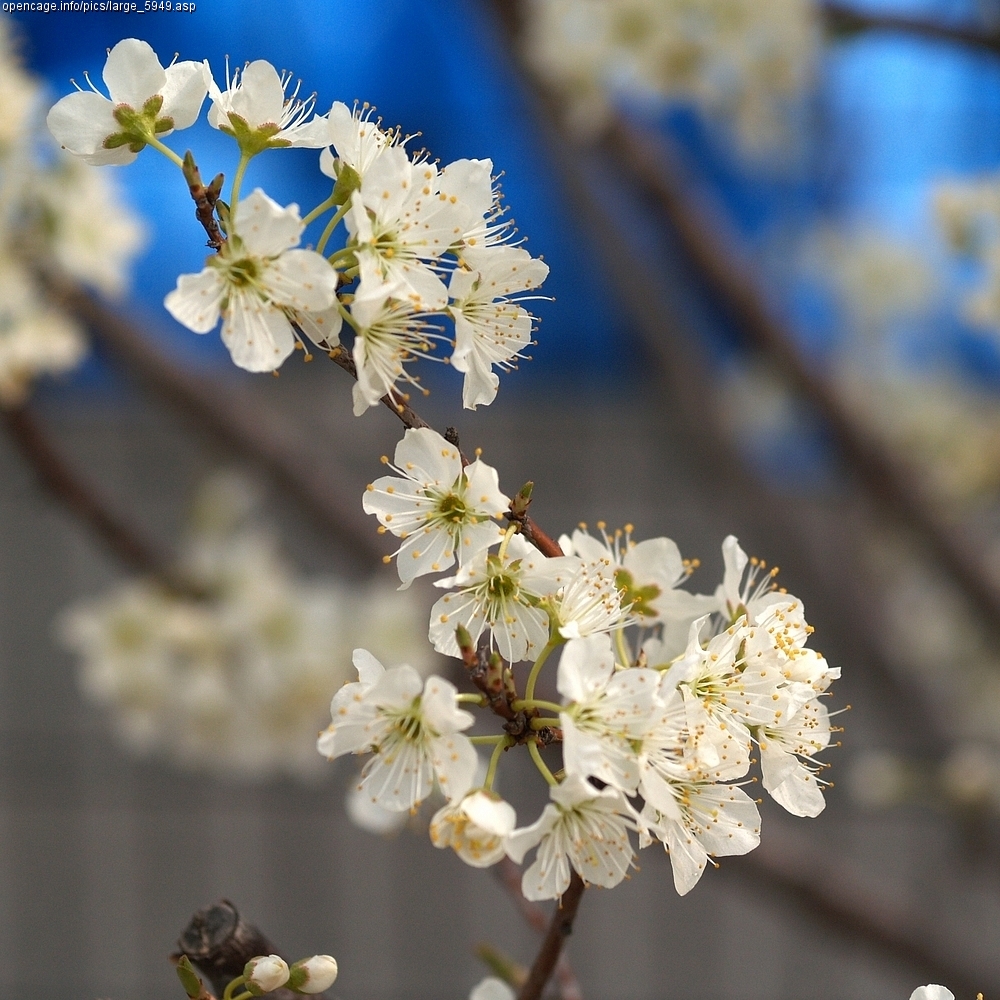
Plumcots are plum-apricot hybrids — roughly half and half — bred to combine plum sweetness with apricot perfume. Their better-known descendants, pluots, lean more heavily plum, but a true plumcot is its own fruit and is grown like a plum: plant a variety matched to your chill hours, in well-drained soil, in full sun. Most plumcots need a pollinizer — another plumcot, a Japanese plum, or a compatible hybrid blooming at the same time — so do not plant one alone and expect a crop. Prune to an open vase in winter, thin fruit to one every 4–6 inches, and site away from frost pockets, since plumcot bloom is early and frost-tender, inheriting the apricot side’s optimism about spring.
Water & feeding
Deep watering during establishment and fruit sizing; inconsistent moisture causes fruit drop and splitting. Mulch the root zone and feed lightly in spring. Avoid excess nitrogen, which produces leafy growth and invites brown rot.
Common problems
- Pollination failure from a lone tree — the most common plumcot disappointment
- Brown rot on ripening fruit in wet seasons — thin for airflow and remove mummies
- Late frost on early bloom — site on a slope, not in a low pocket
- Plum curculio scarring fruit in the East — clean up fallen fruit promptly
Harvest
Pick when the fruit gives gently and the skin color is fully developed — taste is the test, since color varies by variety from red to purple to amber. Plumcots ripen over a week or two; check daily and eat fresh, since their perfume fades in storage.
Browse all plant & pest guides
Saving seeds
Plumcot is a hybrid — half plum, half apricot — and that parentage shapes everything about its seed. Save seed from fruit that was fully ripe and delicious, from a healthy tree, and clean the pulp off promptly. Do not let the pits dry out: a dried-out stone-fruit pit is a dead pit. If you cannot stratify right away, keep the cleaned pits in damp paper towel in a sealed bag in the refrigerator.
For the cold treatment, mix the pits with damp sand, peat, or vermiculite in a sealed bag and refrigerate at 33 to 40°F for 60 to 90 days, the same treatment as plum and apricot. Check the bag every couple of weeks for mold and moisture, and watch for the pit cracking open, which means the seed is ready. After stratification, sow about an inch deep in a deep pot — stone fruit grows a taproot fast and resents transplanting — in well-draining mix kept warm, 70 to 80°F. Germination takes a few weeks, and some pits wait longer, so keep the pot moist and patient.
The honest headline is the one that applies to every hybrid fruit: a seedling is a genetic reshuffle, not a copy. A plumcot seedling may lean plum, lean apricot, or land somewhere entirely its own, in fruit size, flavor, and chill needs — and it will not be the variety you ate. Grafting is the only route to a known plumcot. Seed is for the breeder’s gamble: a fruit nobody has tasted before, eventually.
Seedlings also take several years to bear, and most plumcots need another plum, apricot, or plumcot blooming nearby to set fruit at all. Save several pits, keep the strongest seedlings, and grow them in pots for their first year. In Florida, choose low-chill parents — a seedling from a high-chill hybrid may never fruit here no matter how well you grow it. And remember that dry storage is not stratification: the cold, moist rest still has to happen before sowing.
Varieties
Every named variety of Plumcot with its own growing guide:
- Flavorella Plumcot — The true plumcot classic: half plum, half apricot, sweet, fragrant, and unwilling to be categorized by the grocery store.
- Spring Satin Plumcot — The early, dark, sweet plumcot: ripens before summer heat peaks and tastes like a plum that learned perfume from an apricot.