
🫐 Premier Beach Plum
What it looks like
Why this variety
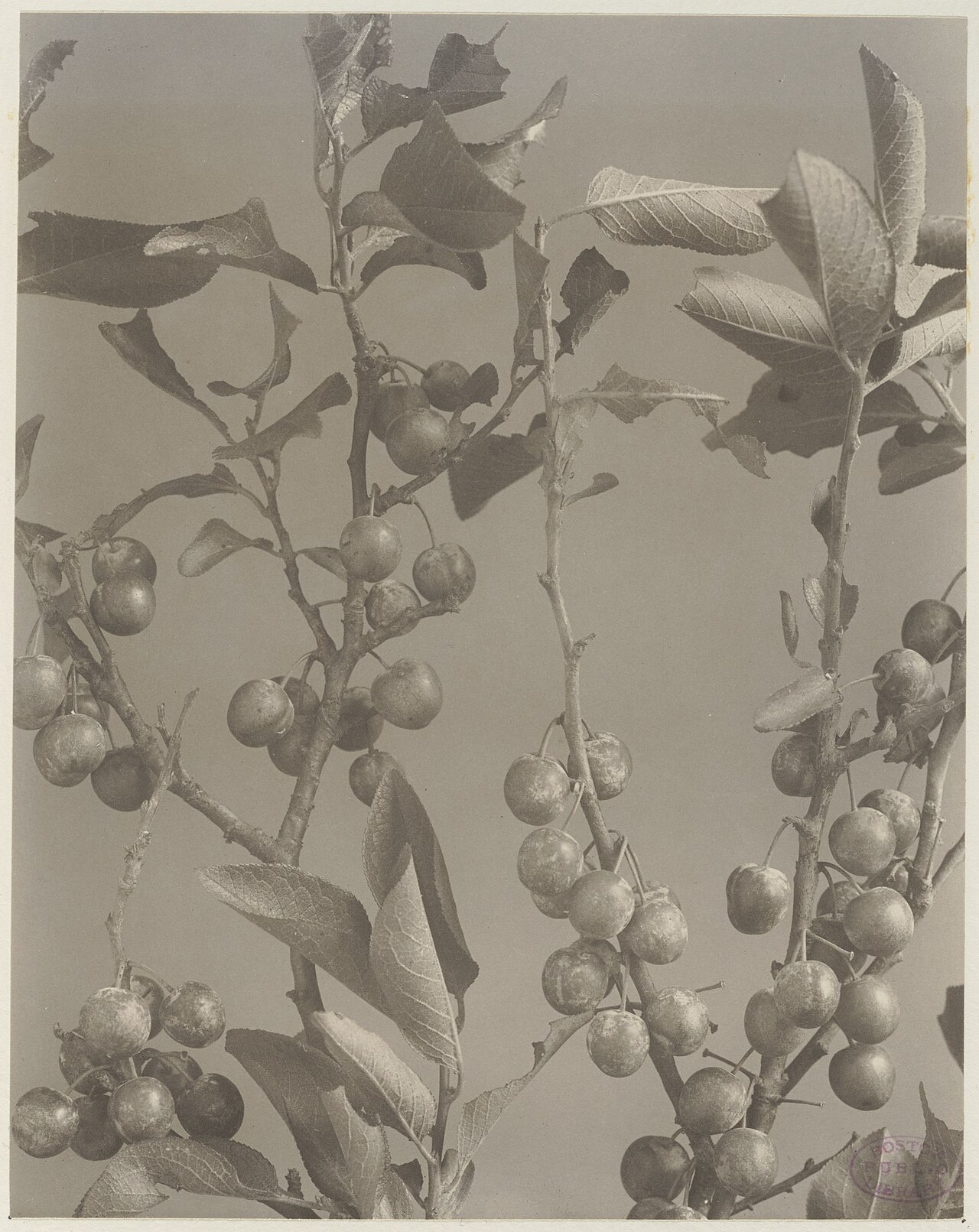
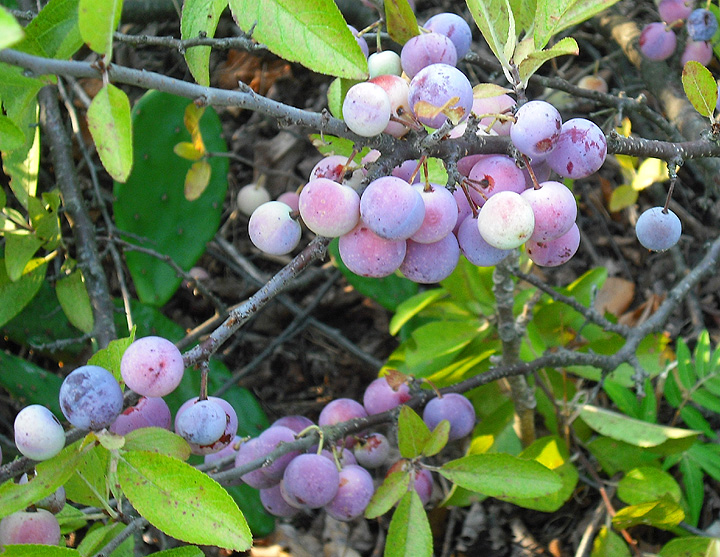
Premier earned its name the unglamorous way: in field trials on Plum Island, Massachusetts, it posted the highest field ratings of all the beach plum individuals examined — a selection chosen by performance in sand, salt, and wind, not by a breeder’s hunch. The fruit is large for a beach plum, well-flavored, and good for jam and fresh eating, on a shrub that keeps the species’ trademark toughness.
That field-trial origin matters for home gardeners: Premier was selected where beach plums actually grow, under the conditions they actually face, which is why it is a safer bet than an unnamed seedling. Seedling beach plums vary wildly in fruit quality — some tart enough to pucker, some sweet enough to eat fresh — while a named selection like Premier gives you predictable fruit, which is the entire point of planting a cultivar.
Florida note, stated plainly: like all beach plums, Premier is a northern shrub, zones 3–8, and a Florida planting is a far-North trial only. If you are in North Florida with sandy, coastal-influenced soil, it is worth trying; south of there, admire beach plums from the jam jar.
For the species as a whole, see the Beach Plum growing guide.
How to grow
Beach plum is a native shrub plum of the Atlantic coast, from Maine to the mid-Atlantic, that grows in sand dunes and coastal thickets where most fruit plants would give up. Plant in full sun in sandy, well-drained, even poor soil — it thrives on neglect that would starve a pampered plum. It is a shrub, 6–10 feet, not a tree, and it suckers into a thicket if you let it. Plant two different selections for the best fruit set, prune lightly after fruiting, and do not fertilize it into lush weakness: beach plum’s whole trick is being tough.
Plant in full sun in sandy, well-drained soil with a second selection nearby for pollination, and do not overfeed — rich soil grows leaves, sand grows beach plums.
Water & feeding
Water to establish; after that, beach plum tolerates drought, salt spray, and sand that drains like a sieve. Mulch lightly to hold what moisture there is, but do not mulch it into soggy soil — drainage is the point. Feed little or not at all; in rich soil it grows leaves and skips fruit.
Common problems
- Plum curculio and brown rot — clean up fallen fruit and prune for airflow, as with other plums.
- Birds — they fight you for the jam crop; net shrubs at color break if you want the harvest.
- Poor fruit set from a lone shrub — plant two selections that bloom together.
- Heat and humidity south of its range — beach plum is a northern shrub; south of zone 8 it is a trial, not a promise.
Harvest
Pick when fruit colors fully and softens slightly, tasting for sweetness. Eat fresh when sweet, or cook into jam and jelly — Premier’s field-rated quality shows most in the jam pot, where large, well-flavored fruit makes the difference between good jam and legendary jam.
Browse all plant & pest guides
Saving seeds
Premier earned its name the unglamorous way: in field trials on Plum Island, Massachusetts, it posted the highest field ratings of all the beach plum individuals examined — a selection chosen by performance in sand, salt, and wind, not by a breeder’s hunch. The fruit is large for a beach plum, well-flavored, and good for jam and fresh eating, on a shrub that keeps the species’ trademark toughness. As a named beach plum selection it is kept true by cuttings and grafting, not by seed — seedling beach plums vary wildly in fruit quality, some tart enough to pucker, some sweet enough to eat fresh, while a named selection like Premier gives you predictable fruit. Plant in full sun in sandy, well-drained, even poor soil, with a second selection nearby for pollination. The full method is in the Saving seeds section of the Beach Plum guide.