
🥔 President Celeriac
What it looks like

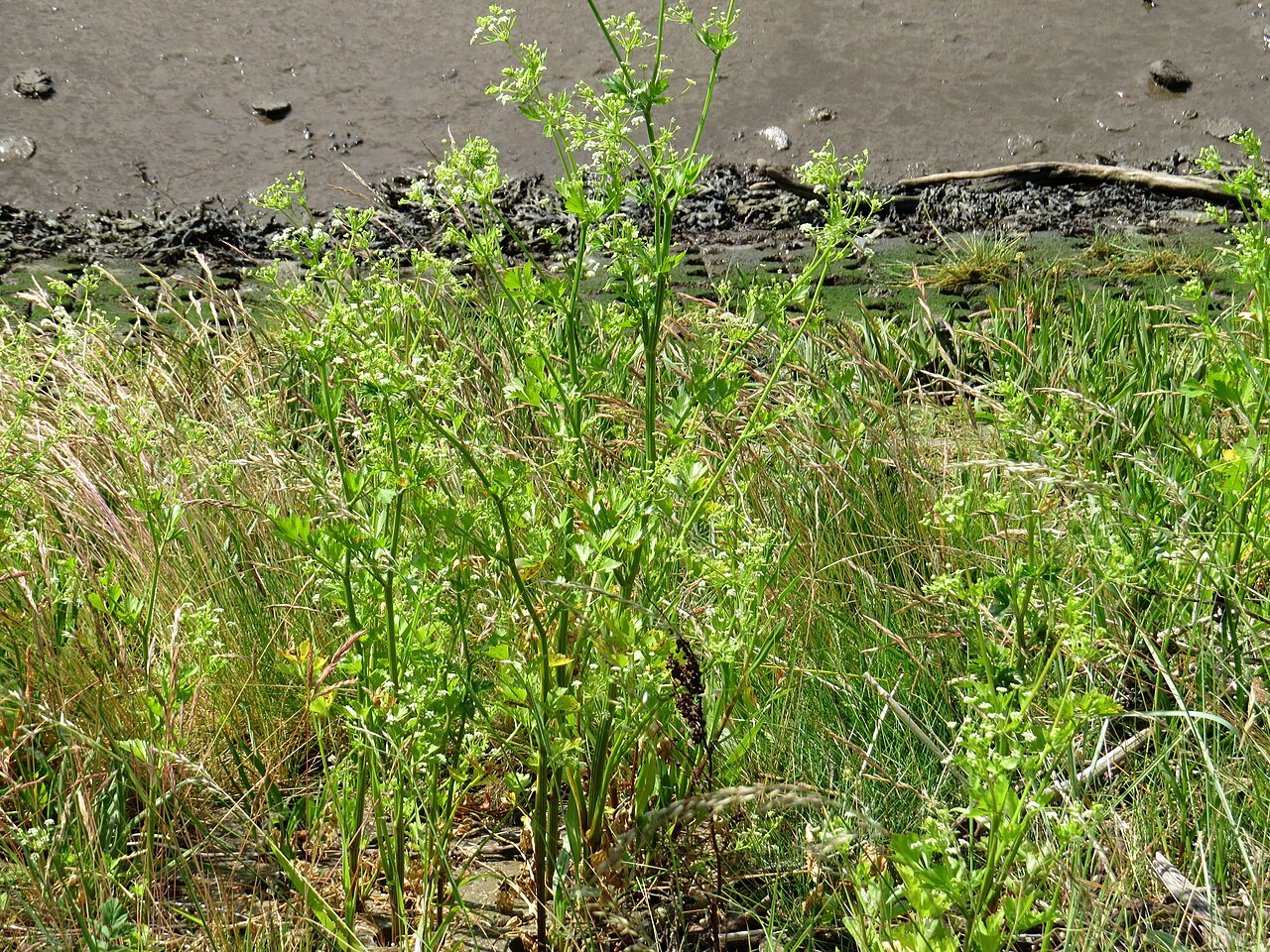
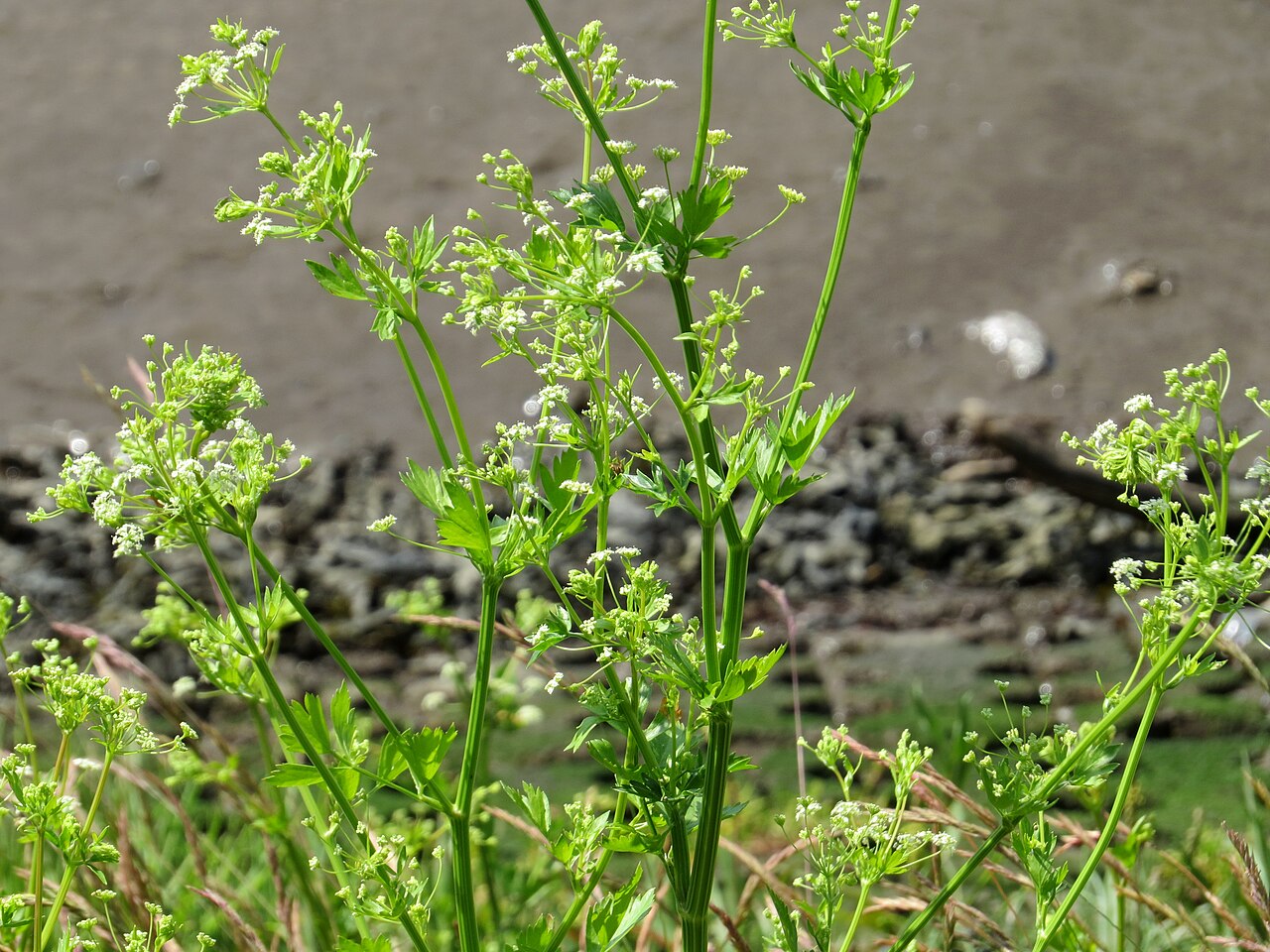
Why this variety
President is a hybrid celeriac, producing large, smooth roots with a sweet, mild flavor in about 110 to 120 days — the hybrid advantage here is uniformity: roots that come out similar in size and shape, which makes harvesting and peeling predictable. For a gardener who wants celeriac without surprises, a hybrid like President is a sensible vote.
Cook it across the celeriac range: grated raw, mashed, souped, roasted. Smooth roots peel fast, and a uniform crop means you can plan a recipe around a known root size instead of guessing. Note that hybrid seed does not come true from saved seed — buy fresh seed each season, which is the honest trade for uniformity.
If you are new to choosing between cultivars, the Varieties Matter guide explains why the name after the plant matters as much as the plant itself. And if you want the whole clan at a glance, the broader Celeriac guide covers celeriac generally.
How to grow
Grow as a Florida fall-and-winter crop, best in the north: start indoors 10 to 12 weeks before transplanting, set out in fall, harvest in winter. Rich, moist, compost-heavy soil, consistent water, and mulch are essential; celeriac does not forgive a dry bed, hybrid or not.
Transplant carefully and avoid prolonged cold exposure for young plants to reduce bolting risk. Space as listed and keep the bed moist through the long season.
Water & feeding
Keep consistently moist, mulch heavily, and feed steadily with compost. Celeriac’s thirst is legendary among root crops — if you think you have watered enough, check again tomorrow.
Common problems
Bolting from cold, leaf miner, slugs, and cracking from uneven water are the standard troubles. Hybrid vigor helps with uniformity, not with drought — water remains the management tool that matters most.
Harvest
Harvest in winter when roots are large, smooth, and firm. Trim and store cool and moist; President keeps well, making it a winter pantry staple.
Nerdy fact: Hybrid celeriac like President exists because seed breeders selected for smooth, uniform roots over generations — a reminder that every smooth root in the store is the result of someone, somewhere, patiently choosing the least knobbly plants year after year.
Saving seeds
President is a hybrid celeriac, producing large, smooth roots with a sweet, mild flavor in about 110 to 120 days — the hybrid advantage here is uniformity: roots that come out similar in size and shape, which makes harvesting and peeling predictable. For a gardener who wants celeriac without surprises, a hybrid like President is a sensible vote. As a hybrid it does not come true from saved seed: buy fresh seed each season, which is the honest trade for uniformity. Grow as a Florida fall-and-winter crop, best in the north: start indoors 10 to 12 weeks before transplanting, set out in fall, harvest in winter, in rich, moist, compost-heavy soil with consistent water. The full method is in the Saving seeds section of the Celeriac guide.