
🍂 Princeton Sentry Ginkgo
What it looks like
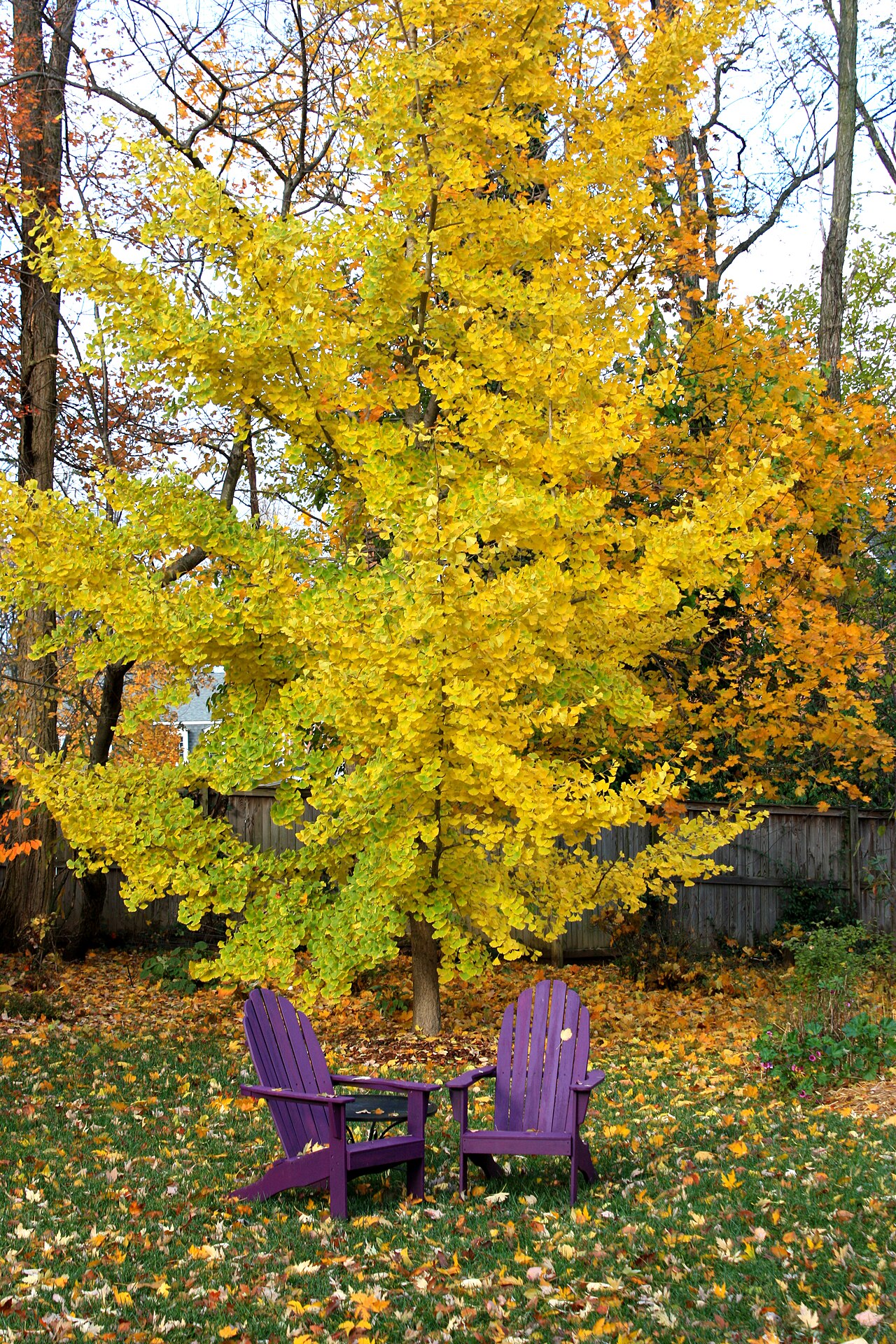


Why this variety
Princeton Sentry is the ginkgo for tight spaces: a grafted male cultivar — so no foul fruit, ever — with a narrow, columnar habit, 40–50 feet tall but only 15–20 feet wide, and the same clear gold fall colour as Autumn Gold. It is the street-tree ginkgo, the row ginkgo, the ginkgo for a yard where a spreading crown would be a mistake. Like all ginkgoes it tolerates pollution, salt, compaction and drought, which is why cities plant it along streets where fussier trees die.
In Florida, Princeton Sentry suits the north and central peninsula, in sun with afternoon shade in the hottest spots, and with the root flare visible and water through establishment. Its narrow form makes it the ginkgo that fits a Florida lot without swallowing it — but it is still a 50-foot tree, so give it vertical room and keep it clear of wires.
How to grow
Plant only grafted male cultivars — female trees drop famously foul-smelling fruit in fall, and the smell is not a charming quirk, it is a neighbourhood event. Ginkgo tolerates pollution, salt, compacted soil and drought better than almost any street tree, which is why cities plant it everywhere, and it is a living fossil that survived the dinosaurs, so your neglect is unlikely to impress it. Plant in spring or fall in well-drained soil, at least 25 feet from structures and sidewalks, with the root flare visible. In Florida, morning sun and afternoon shade give the best leaf colour and the least scorch, and steady water through the first two years matters more than fertiliser.
Water & feeding
Water deeply through the first two years, then in dry spells; established ginkgo is notably drought-tolerant. Mulch widely and feed lightly in spring if growth is weak. Do not overwater in heavy soil — ginkgo forgives drought better than sogginess.
Common problems
Almost pest-free: ginkgo’s ancient chemistry deters most insects and diseases, which is part of why it is still here. The problems are siting ones — a female tree planted by mistake, a tree planted too close to a walkway, or a north-Florida tree scorched by unrelenting afternoon sun. Buy a named male cultivar from a reputable nursery and the tag, not hope, is your guarantee.
Harvest
The harvest is the gold fall show and the narrow silhouette, year-round. Prune only while young to maintain a central leader; mature trees need little beyond deadwood removal. The sudden leaf drop is the finale — one week gold, the next week bare, and the bare winter silhouette is handsome in its own right.
Nerdy fact: Princeton Sentry was selected at Princeton Nurseries in New Jersey, and its narrow habit is so reliable that it became the default columnar ginkgo for city planting — a tree bred for streets, now equally at home in a garden row.
Saving seeds
Princeton Sentry is the ginkgo for tight spaces: a grafted male cultivar — so no foul fruit, ever — with a narrow, columnar habit, 40 to 50 feet tall but only 15 to 20 feet wide, and the same clear gold fall colour as Autumn Gold. It is the street-tree ginkgo, the row ginkgo, the ginkgo for a yard where a spreading crown would be a mistake. Like all ginkgoes it tolerates pollution, salt, compaction and drought, which is why cities plant it along streets where fussier trees die. As a grafted male cultivar it is kept true by grafting, not by seed — and seed is not even an option for keeping the male form, since seed-grown ginkgoes can be either sex and would not hold the narrow, columnar habit. Plant in spring or fall in well-drained soil, at least 25 feet from structures and sidewalks, with the root flare visible. The full method is in the Saving seeds section of the Ginkgo guide.