
🖤 Prodola Scorzonera
What it looks like
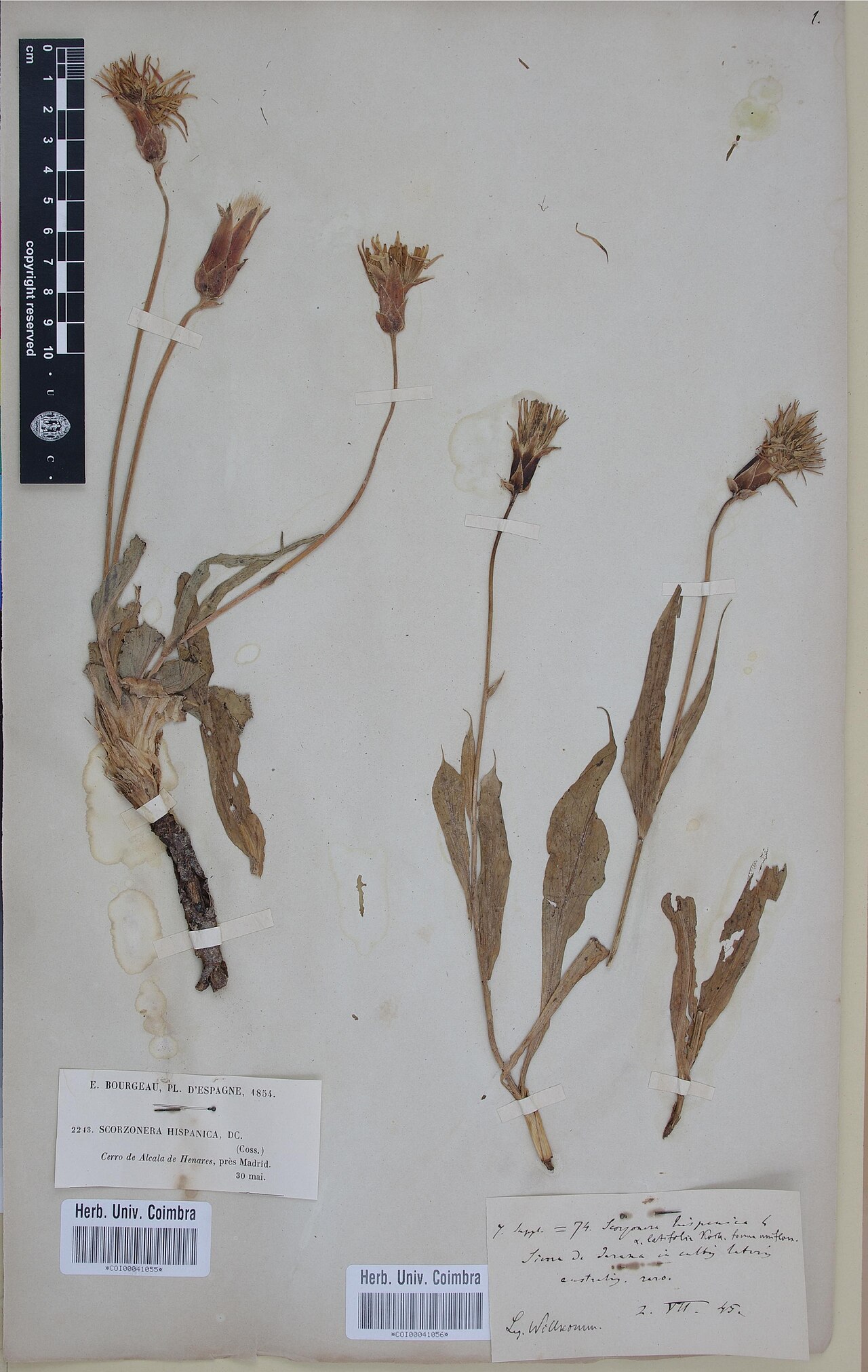
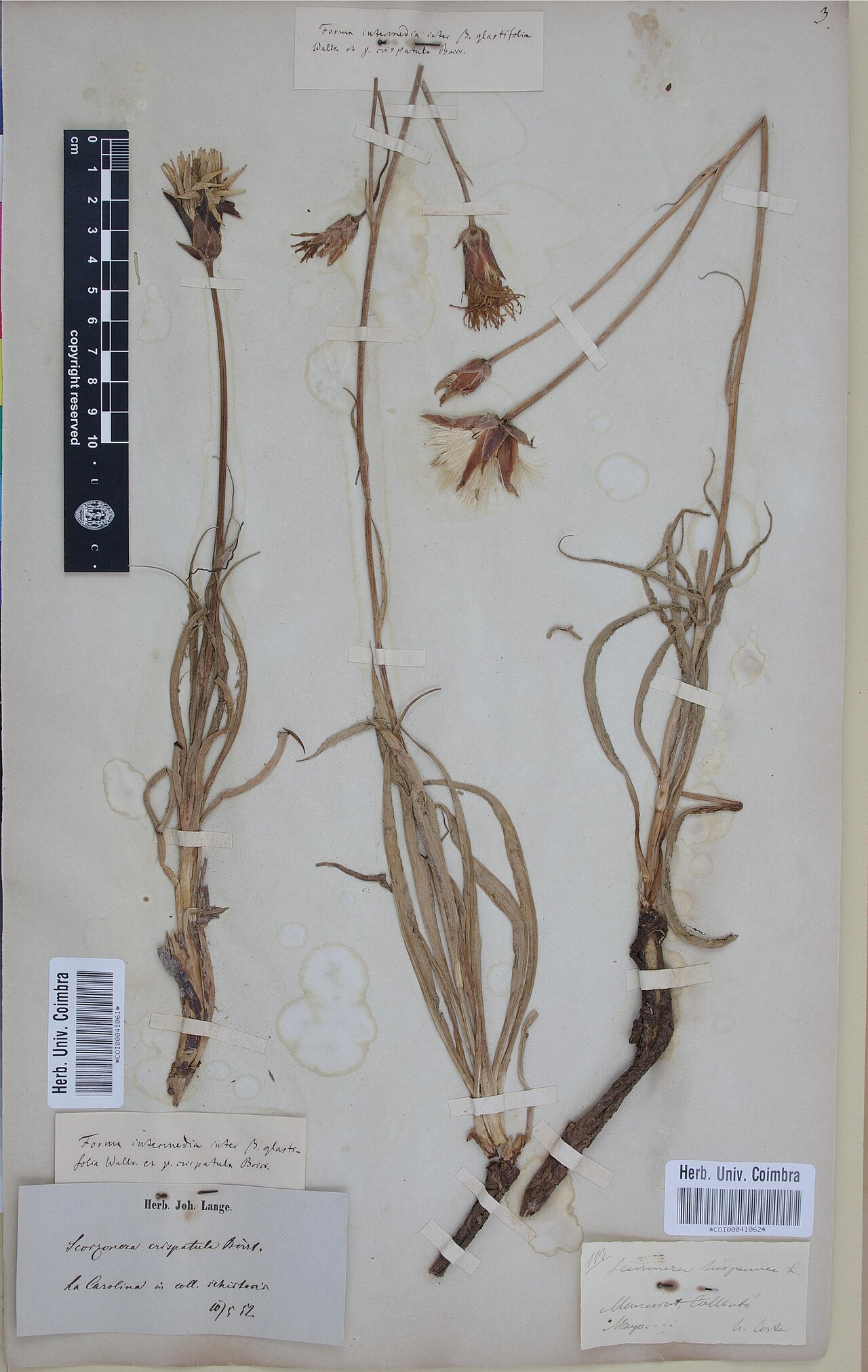
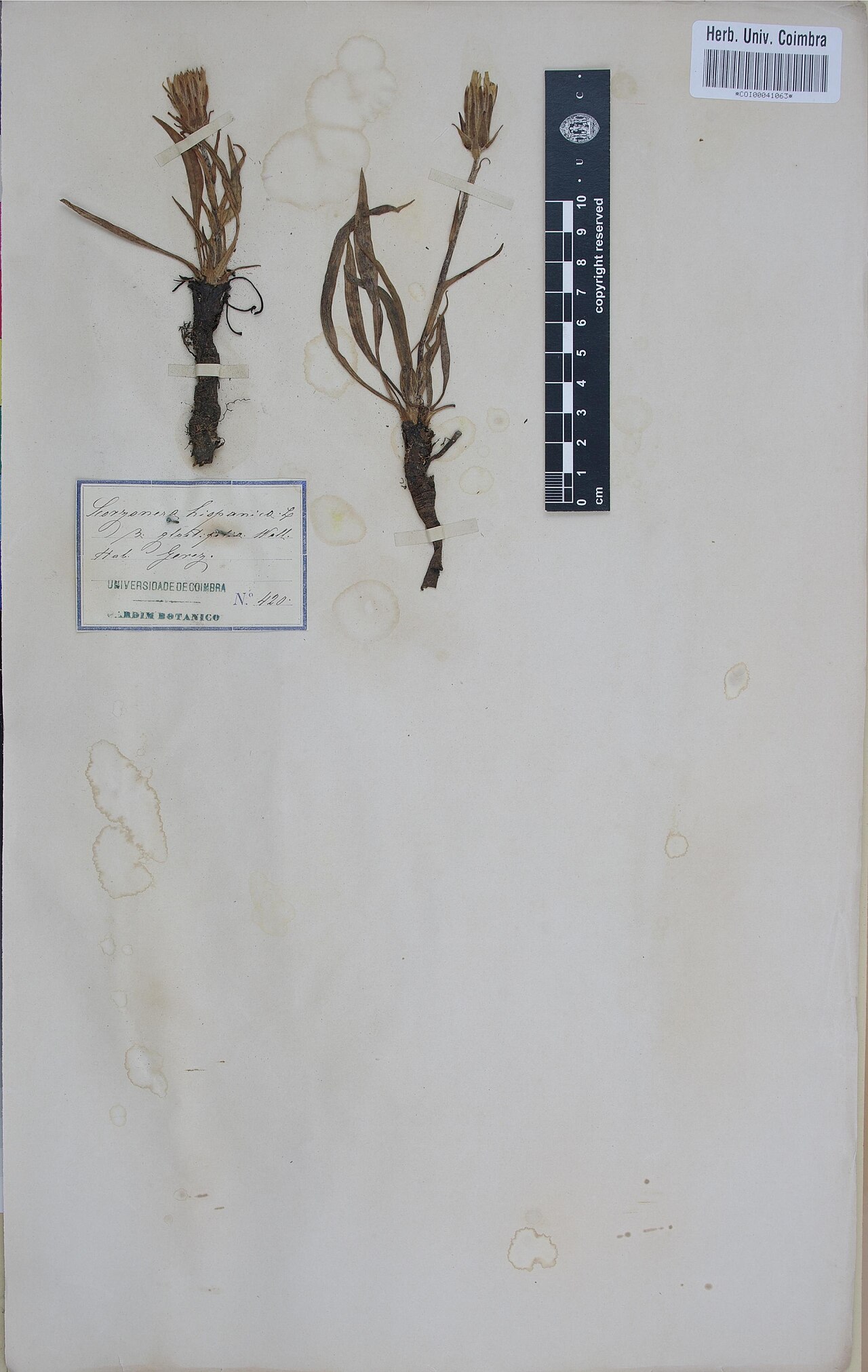
Why this variety
Prodola is the scorzonera that variety lists mention with a particular fondness: less common than the big names, but appreciated for its flavor and productivity — the kind of variety that earns its place by feeding people well rather than by winning novelty contests. If Enorma is the early bird and Maxima is the giant, Prodola is the reliable middle: good roots, good flavor, good yield, season after season.
In the kitchen it is classic black salsify: peel away the dark skin to reveal white flesh, then simmer, mash, or grill it. Its oyster-like savor is why scorzonera survived centuries of fashion changes in European kitchens — it tastes like something special without demanding special technique.
If you are new to choosing between cultivars, the Varieties Matter guide explains why the name after the plant matters as much as the plant itself. And if you want the whole clan at a glance, the broader Scorzonera guide covers scorzonera generally.
How to grow
Grow Prodola as a north-Florida, fall-sown trial in deep, loose, stone-free soil, with about four months of cool growing weather. Direct-sow fresh seed, keep the bed moist through germination, thin to the final spacing, and do not transplant — the taproot rule applies to every scorzonera, and Prodola is no exception.
Because it is a productive type, give it room to prove it: crowded rows give thin roots, and thin roots are a waste of a good variety’s reputation. A deep raised bed is the easy way to guarantee the depth it wants.
Water & feeding
Even, deep watering and mulch are the program, with compost worked in at planting. Scorzonera roots grow slowly and steadily, and steady moisture is what keeps them smooth rather than woody. Avoid feast-or-famine watering, which can split or toughen roots.
Common problems
Watch for bolting in unsettled weather, stones that fork roots, and the classic scorzonera harvest hazard: snapping a long root by pulling instead of digging. Dig alongside the row and lift gently. Pests are rarely a serious problem, which is one of the crop’s quiet virtues.
Harvest
Dig in late fall after the full season, washing off the white sap the cut roots exude. Roots store well and can be left in the ground for as-needed digging through the cool season — in north Florida, that means fresh roots on demand through the mildest months, which is a luxury most winter vegetables cannot offer.
Nerdy fact: Black salsify was once so valued in European kitchens that it was grown as a winter staple across Belgium, France, and the Netherlands, the world’s largest producers — a root that fed ordinary families through ordinary winters, which is a better legacy than most fashionable vegetables can claim.
Saving seeds
Prodola is the scorzonera that variety lists mention with a particular fondness: less common than the big names, but appreciated for its flavor and productivity — the kind of variety that earns its place by feeding people well rather than by winning novelty contests. If Enorma is the early bird and Maxima is the giant, Prodola is the reliable middle: good roots, good flavor, good yield, season after season. As an open-pollinated scorzonera it comes true from seed: grow Prodola as a north-Florida, fall-sown trial in deep, loose, stone-free soil, with about four months of cool growing weather. Direct-sow fresh seed, keep the bed moist through germination, thin to the final spacing, and do not transplant — the taproot rule applies to every scorzonera, and Prodola is no exception. The full method is in the Saving seeds section of the Scorzonera guide.