
🌿 Prostratum Germander
What it looks like
Why this variety
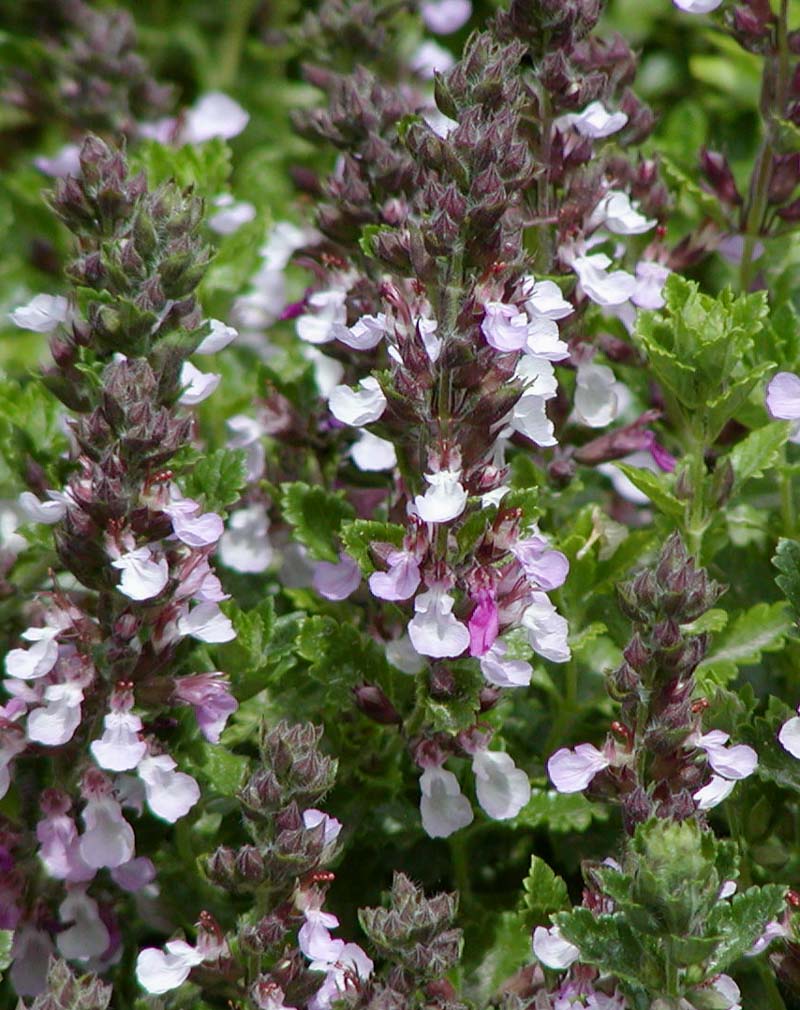
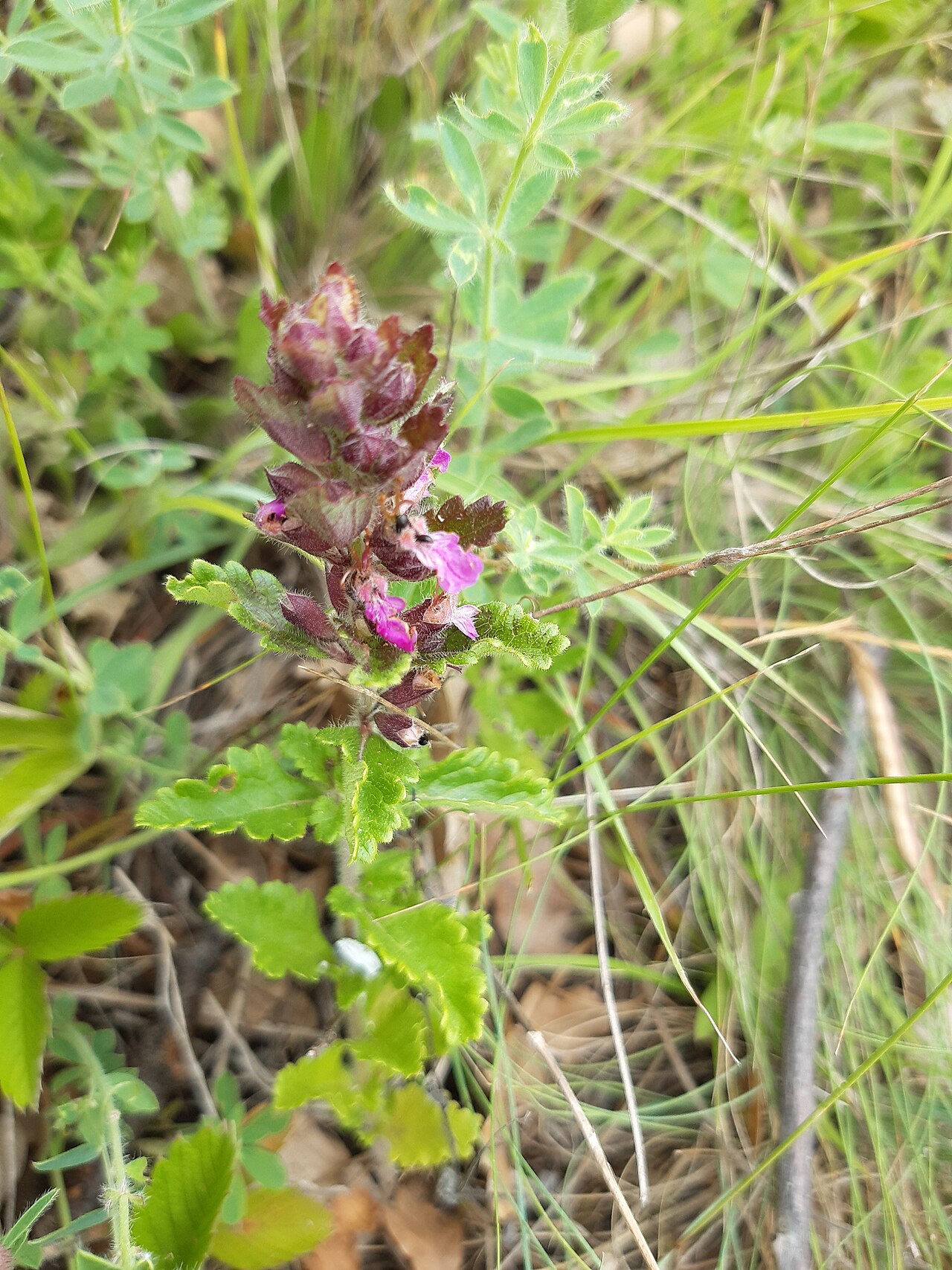
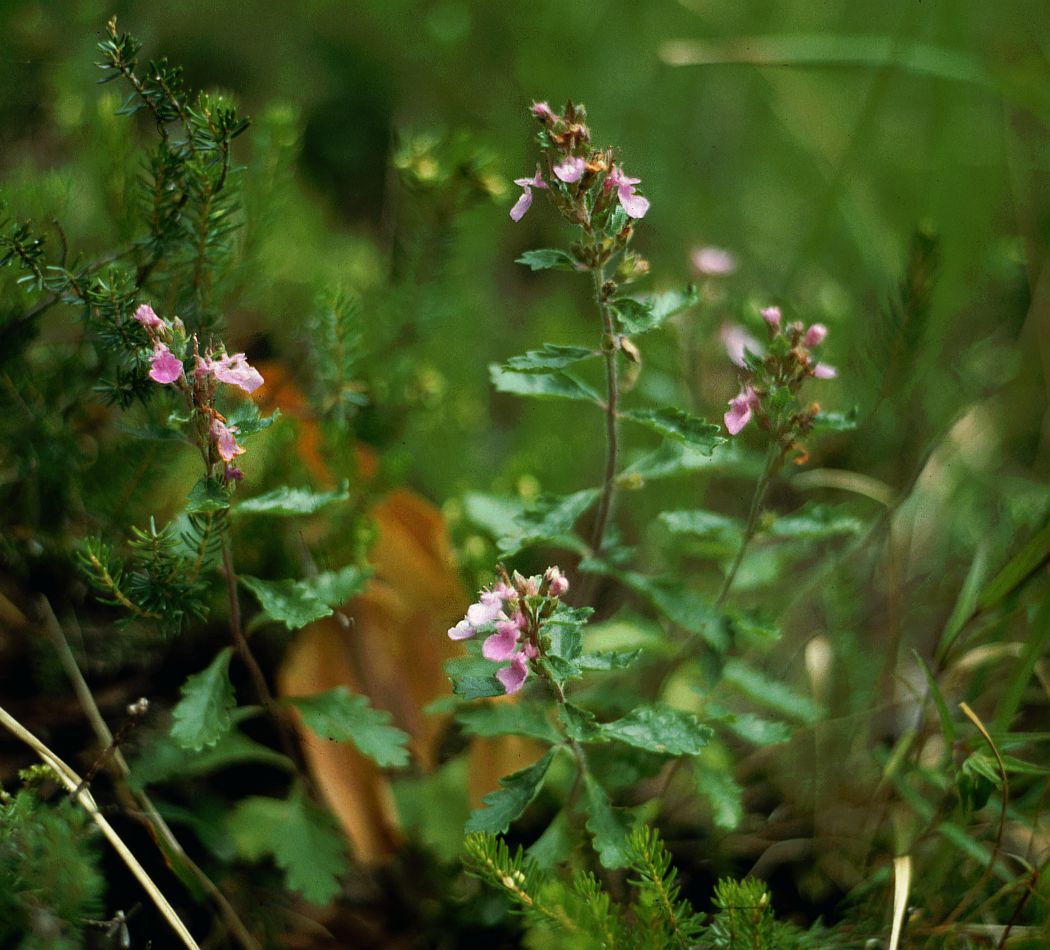
Prostratum is wall germander lying down: the same glossy, toothed, fragrant evergreen foliage and mauve-pink summer flowers as the species, but in a prostrate form that grows four to six inches tall and spreads three feet wide or more. That habit makes it a groundcover, an edging, and a rock-garden plant where upright germander would be a hedge — it spills over walls, softens path edges, and fills the gaps between stepping stones with aromatic foliage that releases scent when brushed. Bees work its summer flowers eagerly, and because it is evergreen, a Prostratum drift looks intentional in January, not just in June.
The trade-off is drainage, stated as an absolute: germander rots in wet soil, especially in winter, faster than almost any other herb, and Prostratum sitting in a soggy hollow will melt while its neighbors thrive. Plant it in sharply drained, even gritty soil, in full sun, keep mulch pulled back from its stems, and do not plant it in a low spot where rain ponds. It also spreads by creeping stems that root where they touch, so give it room or an edge to stop at — Prostratum respects a path border, but it will not respect a vague intention.
If you are new to choosing between cultivars, the Varieties Matter guide explains why the name after the plant matters as much as the plant itself. Prostratum is a perfect example: it is not just a germander in the abstract, it is a germander with a specific job, a specific history, and specific strengths.
Florida honesty: germander is a North and Central Florida trial, not a statewide perennial — it wants lean, dry, Mediterranean conditions, and Florida’s wet summers are the opposite of its home climate. Plant Prostratum in the sharpest drainage you can engineer: a raised bed, a rock garden, or a slope with gritty soil, in full sun, and water sparingly once established. In South Florida’s humidity and summer rain, treat it as a short-lived trial, and enjoy it while it lasts rather than expecting a permanent groundcover.
How to grow
Plant in spring in full sun and poor, gritty, sharply drained soil — germander loves dry, lean conditions and hates wet feet, especially in winter. Work a little worm castings into the bed at planting, do not overfeed it, and space for its mature spread: Prostratum as a groundcover, Compactum as an edging. Keep mulch pulled back from the stems, water sparingly once established, and clip after flowering to keep it dense. In Florida, plant it in a raised bed or rock garden with the sharpest drainage you can engineer, because wet summer soil is its enemy.
Set plants 18-24 inches apart for groundcover in soil with a pH around 6.0-7.5. Work worm castings into the bed at planting and mulch to hold moisture. A well-fed germander plant rewards that care directly: steadier growth, better bloom, and a show that actually shows up.
Water & feeding
Water to establish, then water sparingly — germander is drought-tolerant once established and rots in wet soil, especially in winter, so overwatering is the mistake to avoid. Water at the soil line, do not mulch heavily against the stems, and feed lightly: castings at planting is usually enough, because rich soil makes floppy germander instead of tidy germander. In a drought, occasional deep watering keeps it green; in a wet season, drainage is the care program, and a germander in a soggy bed will melt while its neighbors thrive.
Common problems
- Crown rot in wet soil, especially in winter — the germander killer; plant in sharp drainage, keep mulch off the crown, and do not plant where rain ponds.
- Melting in Florida humidity — wet summers stress germander; plant in raised beds with gritty soil and water sparingly.
- Spreading beyond its space (Prostratum) — creeping stems root where they touch; give it an edge to stop at, or edit runners in spring.
- Leggy growth in shade or rich soil — lean soil and full sun make dense germander; clip after flowering to keep it compact.
- Short life in hot, wet summers — heat plus wet soil shortens germander life; in warm zones, treat it as a trial in sharp drainage.
Harvest
Cut sprigs for fragrant edging arrangements and herb bundles in summer, when flowers are open — germander foliage is aromatic and holds well when cut, and a few sprigs in a mixed herb bouquet add scent and structure. The real harvest is architectural: clip hedges and edgings after flowering to keep them dense and crisp, and use clippings as fragrant mulch or compost. Do not harvest germander for medicine: its historical tonic uses belong in history, and this guide recommends enjoying it as a tiny clipped hedge, not as a remedy.
Browse all plant & pest guides
Saving seeds
Prostratum is wall germander lying down: the same glossy, toothed, fragrant evergreen foliage and mauve-pink summer flowers as the species, but in a prostrate form that grows four to six inches tall and spreads three feet wide or more. That habit makes it a groundcover, an edging, and a rock-garden plant where upright germander would be a hedge — it spills over walls, softens path edges, and fills the gaps between stepping stones with aromatic foliage that releases scent when brushed. As a named germander form it is kept true by cuttings, not by seed — seedlings would not hold the prostrate habit. Plant in spring in full sun and poor, gritty, sharply drained soil — germander loves dry, lean conditions and hates wet feet, especially in winter. Keep mulch pulled back from the stems, water sparingly once established, and clip after flowering to keep it dense. The full method is in the Saving seeds section of the Germander guide.