
🦔 Pulasan
What it looks like
How to grow
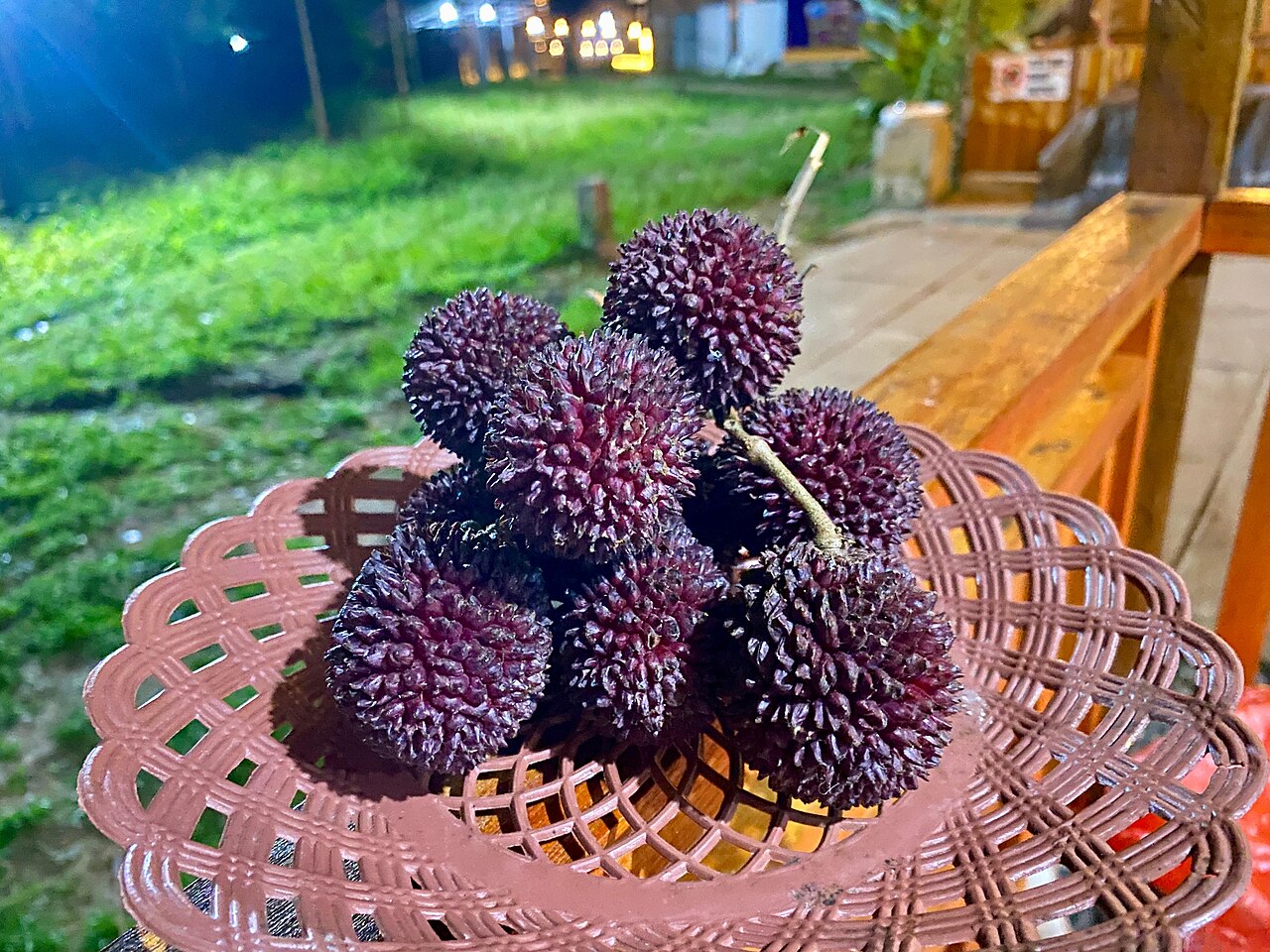
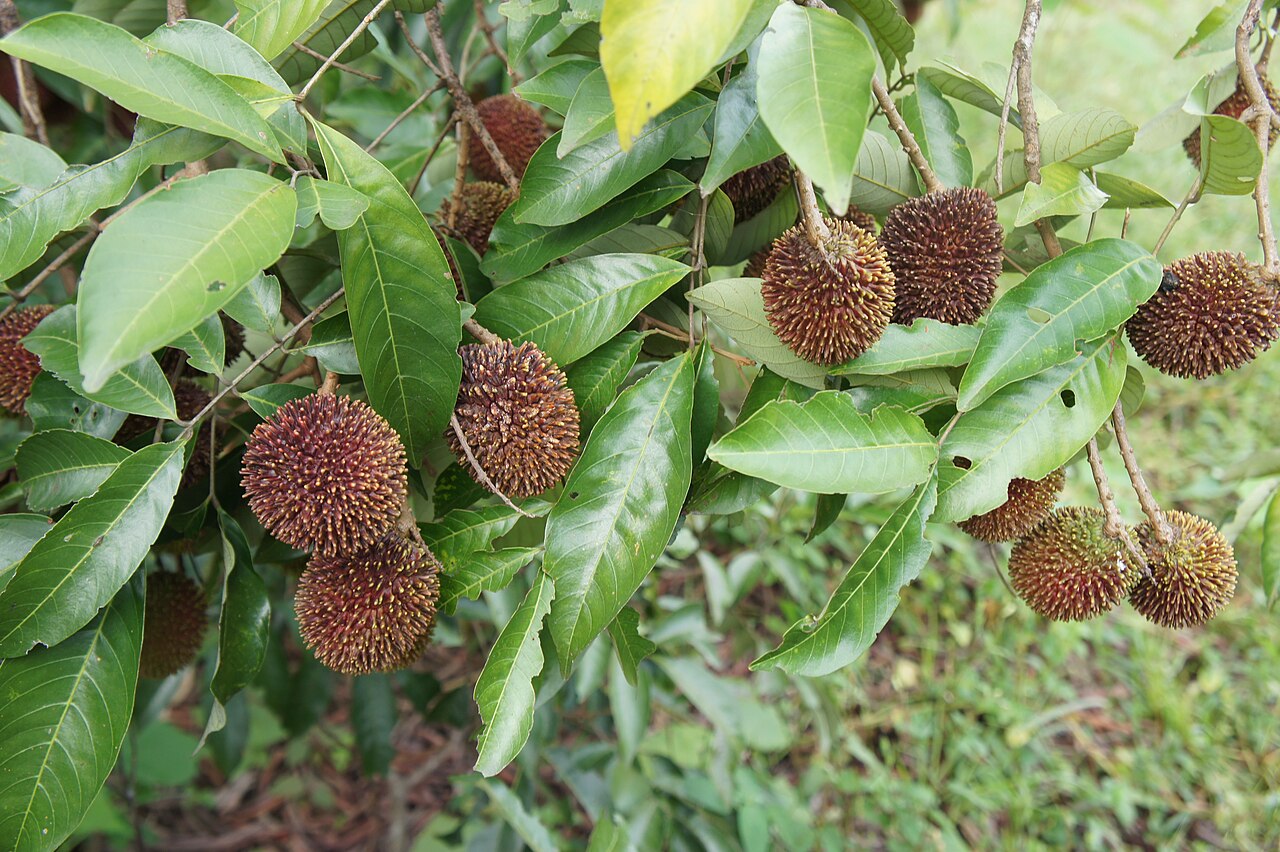
Pulasan is a close cousin of rambutan, bearing larger fruit with thicker, duller skin and short, blunt spines, and sweet, juicy flesh that many tasters prefer to rambutan. Grow it as you would rambutan: full sun, deep, fertile, well-drained, slightly acidic soil, steady warmth, high humidity, and no frost — in practice, Hawaii and the warmest south Florida microclimates, plus greenhouses elsewhere. Plant a grafted tree of a known variety for reliable sweetness and earlier fruit; seedlings vary and take longer. Give it room for a large tree, wind protection, and steady water. Like rambutan, it sulks below about 55°F, so a tree that survives a cold snap may still refuse to flower.
Water & feeding
Water deeply and regularly; pulasan wants consistent moisture and high humidity, but not standing water. Mulch thickly. Feed several times a year with a balanced fertilizer, increasing as the tree grows.
Common problems
- Cold and wind — the deal-breakers, as with rambutan.
- Dry air during bloom — flowers fail and fruit drops; mulch and irrigation help.
- Scale and mealybugs — inspect clusters and treat early.
- Root rot in waterlogged soil — drainage first.
Harvest
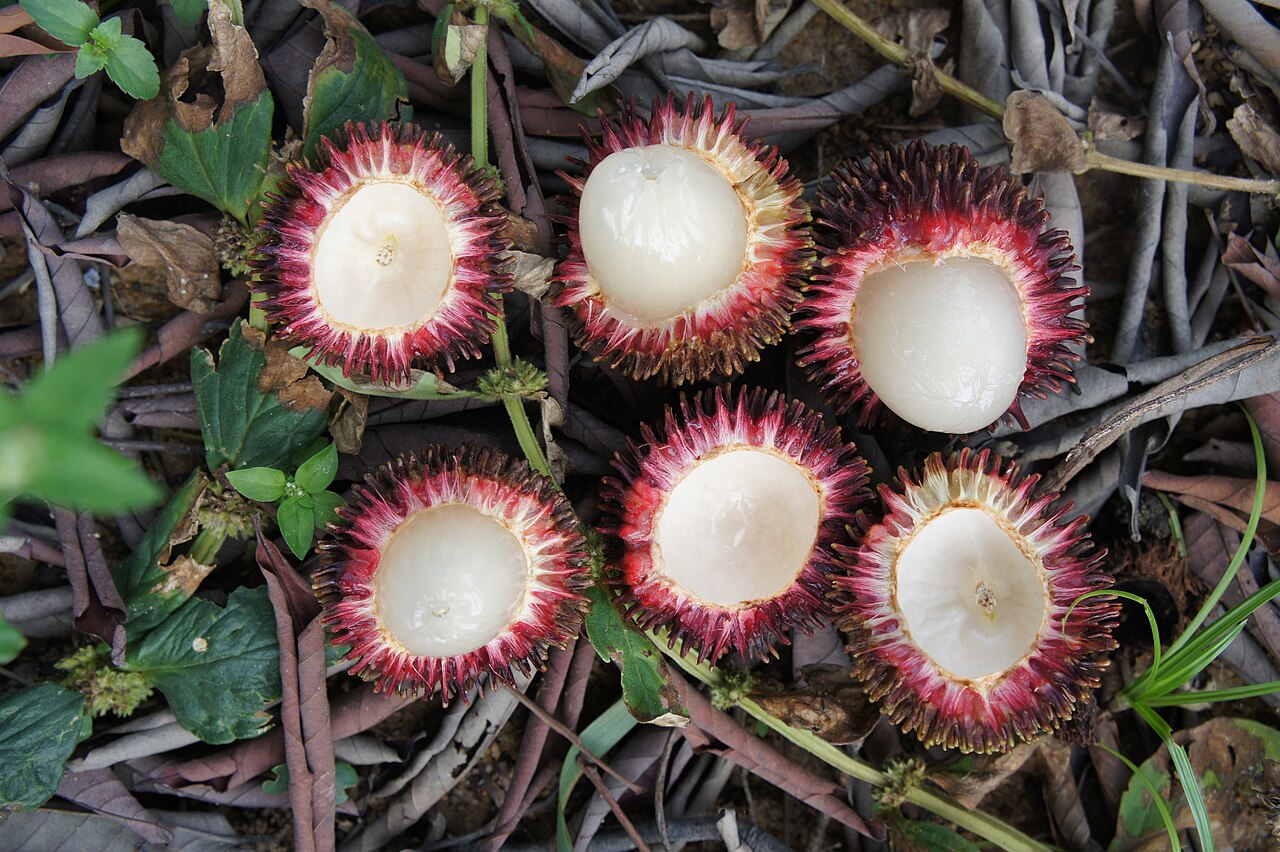
Pick when skin colors fully (red, yellow, or purple by variety) and fruit feels firm but not hard. Peel the thick skin and eat the translucent flesh fresh; discard the seed. Use promptly — pulasan stores only a few days refrigerated.
Browse all plant & pest guides
Saving seeds
Pulasan seed comes with a deadline, and it is a short one. Like its cousin rambutan, pulasan seed is recalcitrant — it cannot be dried and stored like a bean seed, and it dies fast once it dries out. Eat the fruit, clean the pulp off the seed, rinse it, and sow it fresh, within days. Seed that sits on the counter for a week is seed that will not sprout.
Sow about an inch deep in a warm, well-draining mix and keep it moist and warm, roughly 77 to 95°F. In Florida that is just a warm, bright spot out of scorching direct sun. Fresh seed germinates readily, usually within a few weeks. Keep the mix damp but never soggy; a recalcitrant seed that dries out is dead, and one that sits in water will rot. If mold appears on a stored seed, wash it off — surface mold can often be rinsed away, but a seed that has gone soft inside is finished.
The honest headline is the same one that applies to most fruit trees: a seedling is a gamble, not a copy. Pulasan seedlings vary in fruit size, flavor, and how tightly the flesh clings to the seed. Growers report that pulasan seedlings from a good cultivar usually fruit close to the parent in quality — better odds than most fruit trees — but usually is not always, and the only way to lock in a named variety is grafting or air layering. Seed is for the adventure, and pulasan is worth the gamble: seedlings typically bear in 3 to 5 years.
Save seed from fruit that was fully ripe and delicious, from a healthy tree, and sow more than you need. In Florida, pulasan is a warm-climate tree for zones 10 to 11, cold-sensitive like rambutan, so start seedlings in pots and keep them sheltered through their first cool season. And the storage rule is simple because there is no storage: sow it fresh, or do not bother saving it at all.