
💜 Purple Possum Passionflower
What it looks like

Why this variety
Same clarification as its sibling guide: ‘Purple Possum’ is Passiflora edulis, the tropical purple passionfruit — not maypop (Passiflora incarnata), the hardy native vine covered by the species guide. Different plant, different hardiness, fruit you actually eat by the spoonful. If you arrived here from the passionflower guide expecting a native wildflower, this is the fruiting cousin, and it is worth the distinction.
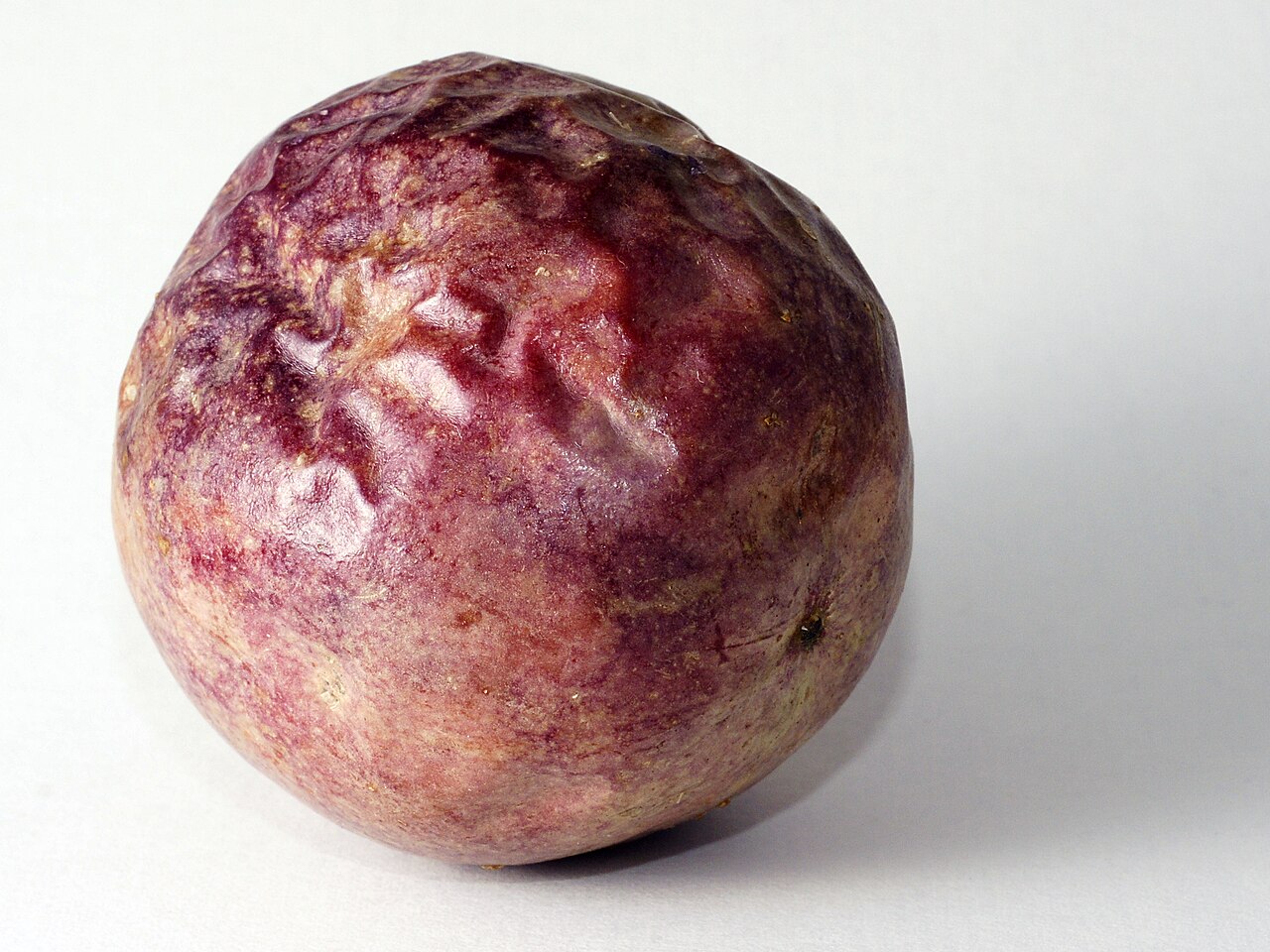
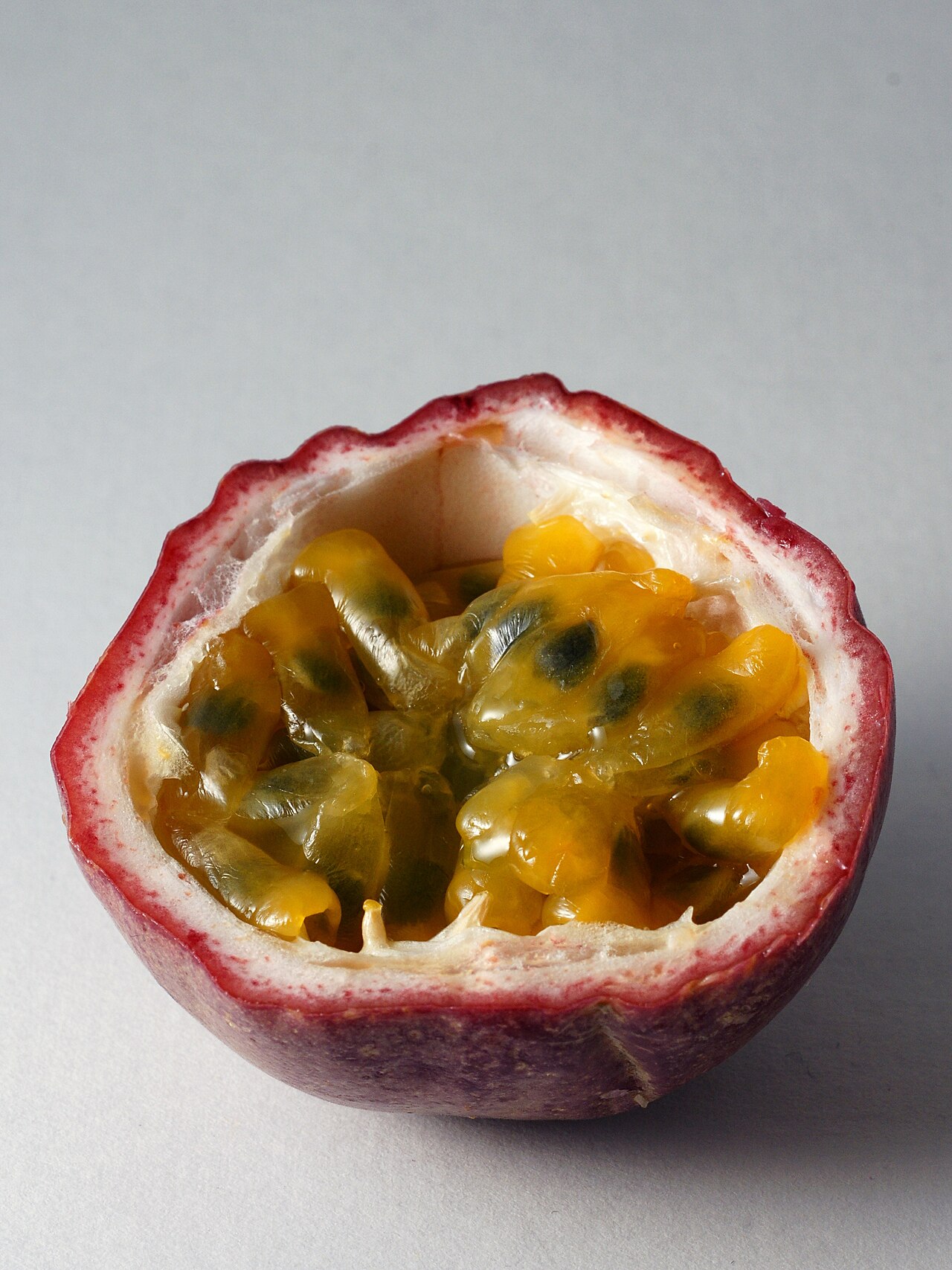
‘Purple Possum’ is the workhorse purple passionfruit for home gardens: medium-sized fruit with vibrant purple skin and sweet, aromatic pulp, on a vigorous, self-fruitful vine that does not need a pollination partner. It is the variety nurseries reach for when a customer asks for ‘a passionfruit that just works’ — productive, resilient for an edulis, and forgiving of the occasional missed watering once established.
How to grow
Here is the honest Florida part first: ‘Purple Possum’ is tender compared with maypop and belongs in the southern and coastal counties, or a protected spot, or a container that moves under cover. Brief light frosts are survivable; a hard freeze kills top growth and costs a season, even if the roots regrow.
Plant in full sun on a strong trellis or fence, in fertile, well-drained soil. Water steadily through flowering and fruiting, mulch well, and prune after harvest to renew fruiting wood — passionfruit fruits on new growth, and a vine left unpruned becomes a thicket that fruits only at the sunny edges.
Water & feeding
Steady, deep watering through flowering and fruit set; mulch to hold moisture in sandy soil. Feed with worm castings and a balanced fruit fertilizer in the growing season. Drought during fruiting gives hollow, wrinkled fruit — water is the difference between a full aril and a disappointment.
Common problems
- Frost damage — tender for a passionflower; plant warm and cover on cold nights.
- Gulf fritillary caterpillars — they eat leaves and become butterflies; established vines tolerate them, and extra vines spread the load.
- Fallen fruit rot — collect dropped fruit daily; do not let it rot under the vine.
- Root rot from wet feet — well-drained soil only.
Harvest
Ripe ‘Purple Possum’ fruit drops when ready — collect daily, let it wrinkle slightly for peak aroma, and scoop the pulp fresh. Fruit picked hard off the vine will not catch up in sweetness, so patience (and a daily walk to the trellis) is the harvest method.
Fresh eating, juice, smoothies, and frozen pulp cubes for later: ‘Purple Possum’ is the passionfruit that makes a vine worth its fence space in a single season.
Browse all plant & pest guides
Saving seeds
‘Purple Possum’ is Passiflora edulis, the tropical purple passionfruit — not maypop (Passiflora incarnata), the hardy native vine covered by the species guide. Different plant, different hardiness, fruit you actually eat by the spoonful. ‘Purple Possum’ is the workhorse purple passionfruit for home gardens: medium-sized fruit with vibrant purple skin and sweet, aromatic pulp, on a vigorous, self-fruitful vine that does not need a pollination partner. As a named passionfruit variety it is kept true by cuttings, not by seed — seedlings would not hold the large, sweet, purple fruit. Plant in full sun on a strong trellis or fence, in fertile, well-drained soil, and prune after harvest to renew fruiting wood — passionfruit fruits on new growth. The full method is in the Saving seeds section of the Passionflower guide.