
🍋 Rangpur Lime
What it looks like
How to grow
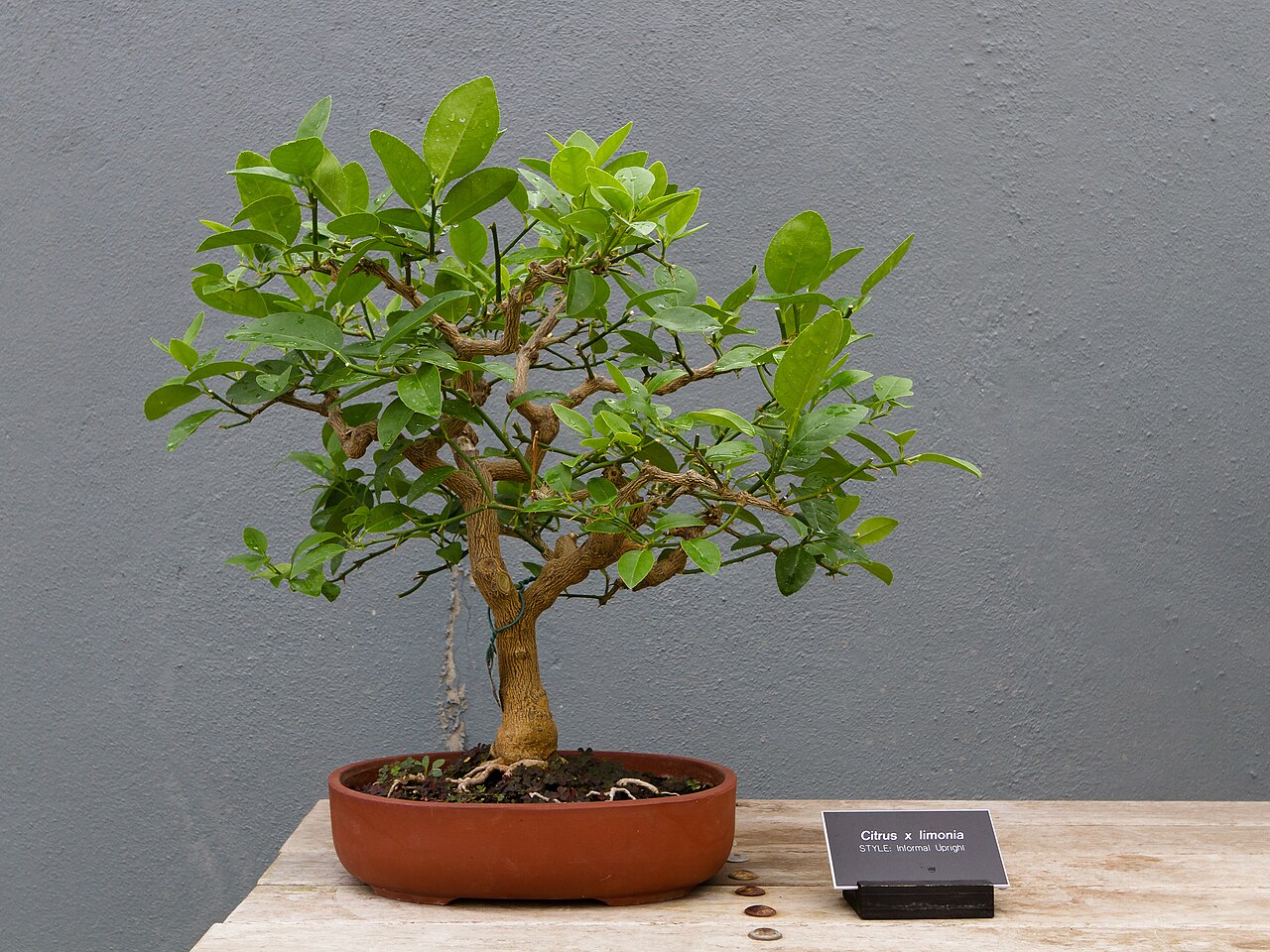
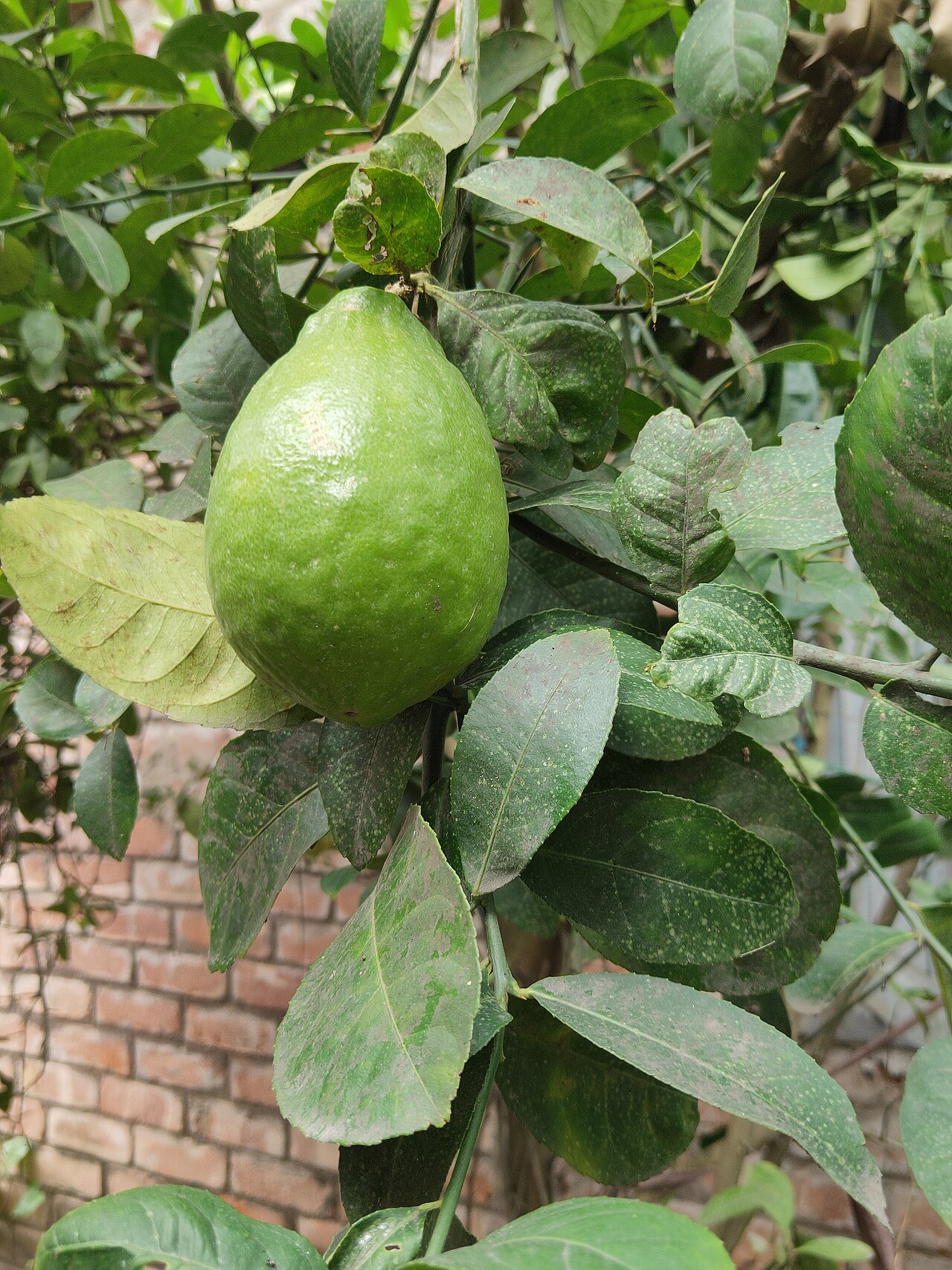
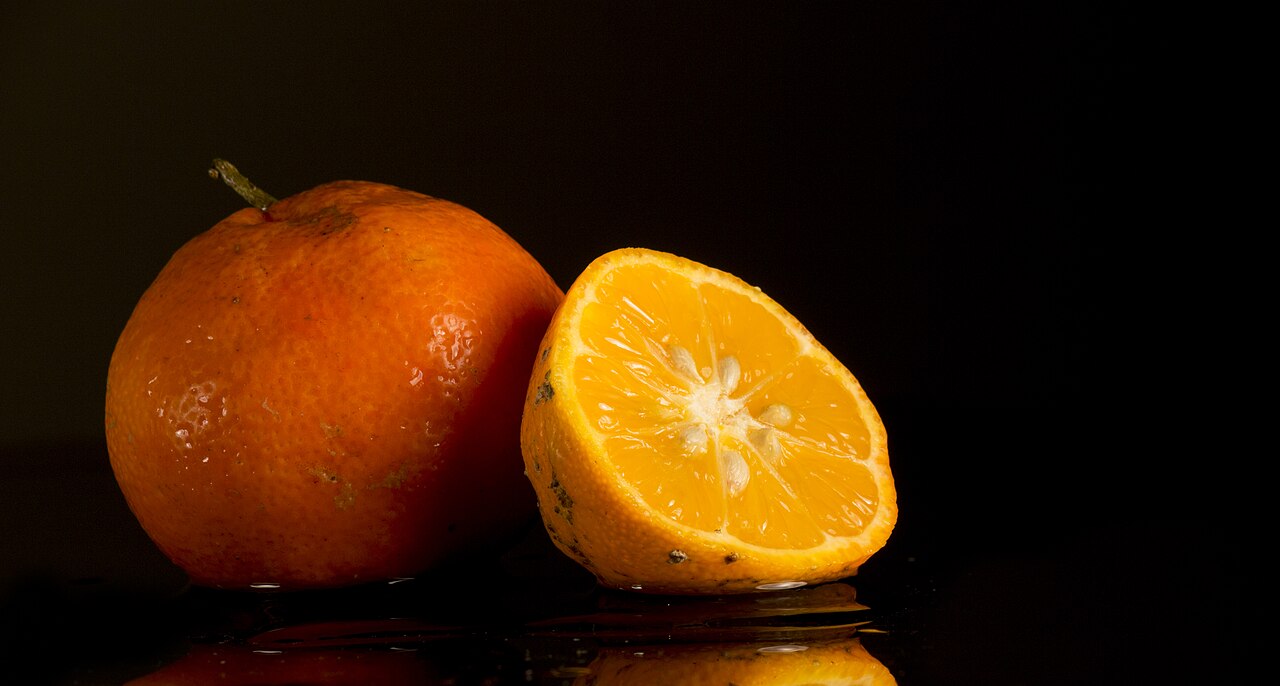
Rangpur lime is a hybrid of mandarin orange and citron, grown as a small, vigorous citrus tree with loose, orange, mandarin-like rind and intensely sour, lime-like juice. It peels like a mandarin and juices like a lime, which makes it a favorite for drinks, marinades, and cooking in warm climates. Grow it in full sun in well-drained soil in zones 9-11, or in a pot elsewhere; it is somewhat more cold-tolerant than many limes and famously vigorous, which is also why it is widely used as a rootstock. It is self-fertile and productive young. Buy certified disease-free stock and follow citrus movement rules in quarantine states. Prune lightly to keep it open and at picking height.
Water & feeding
Water deeply when the top few inches dry, more while fruit swells, less in cool weather. Mulch in-ground trees to hold moisture. Feed with a citrus fertilizer in spring and summer.
Common problems
- Frost — protect in marginal zones and move pots in before cold weather.
- Citrus leafminer, scale, and aphids — inspect and treat with horticultural oil.
- Citrus greening (HLB) — buy certified stock; no cure.
- Vigorous growth — prune to keep size manageable, or it will outgrow a small space fast.
Harvest
Pick when fruit turns fully orange and feels heavy; the rind loosens like a mandarin when ripe. Juice for drinks and cooking, or use the zest. Fruit holds on the tree for a while, so pick as needed.
Browse all plant & pest guides
Saving seeds
Rangpur lime seed is one of the better bets in the citrus world. Eat the fruit — or squeeze it, since Rangpur is famously tart — pull the seeds out, rinse off the pulp, and sow them fresh. Citrus seed loses viability fast once it dries out, so do not leave Rangpur seed on the counter for a week and expect it to sprout. If you must hold it for a few days, keep it in a barely damp paper towel inside a bag in the fridge — that buys you a little time, not a season.
Peel off the papery outer seed coat if you like — it speeds germination — and sow about half an inch deep in a warm, well-draining mix. Keep it moist and warm, roughly 75 to 85°F, and expect sprouts in a few weeks. Rangpur seedlings grow fast and vigorously, and they are thorny, so handle young plants with a little respect.
Here is the good news: Rangpur seed is mostly polyembryonic, which means most seedlings are near-clones of the parent tree — the seed contains nucellar embryos that carry the parent’s genetics. That is why Rangpur has been used for generations as a rootstock grown from seed. But not every seedling is a clone: a few zygotic seedlings will differ, so grow your seedlings on and rogue out the odd ones — the slow grower, the one with different leaves — and keep the vigorous, uniform ones. If you want a guaranteed copy, grafting is still the route.
Save seed from fruit that was fully ripe and from a healthy tree, and sow more than you need. In Florida, Rangpur is one of the best citrus for the home garden — it handles the humidity and the heat, fruits heavily, and makes a fine lime substitute for cooking. Start seedlings in pots and plant them out once they are sturdy, and label your pots: a Rangpur seedling looks like any other citrus seedling until it fruits.
Varieties
Every named variety of Rangpur Lime with its own growing guide:
- Kusaie Lime — Rangpur's yellow-fruited cousin, same tough tree, sunnier-looking fruit.