
🍋 Red Champagne Finger Lime
What it looks like
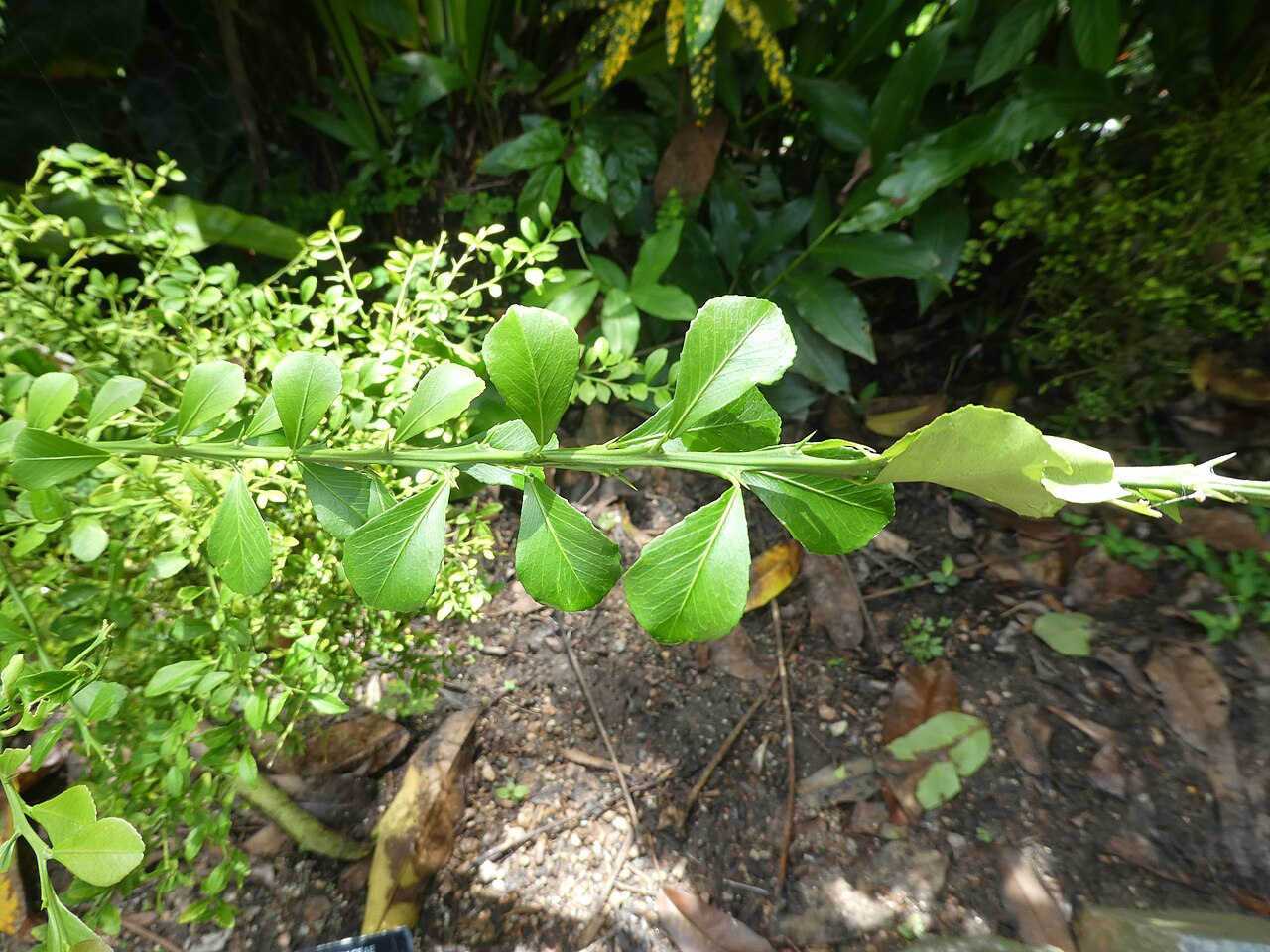
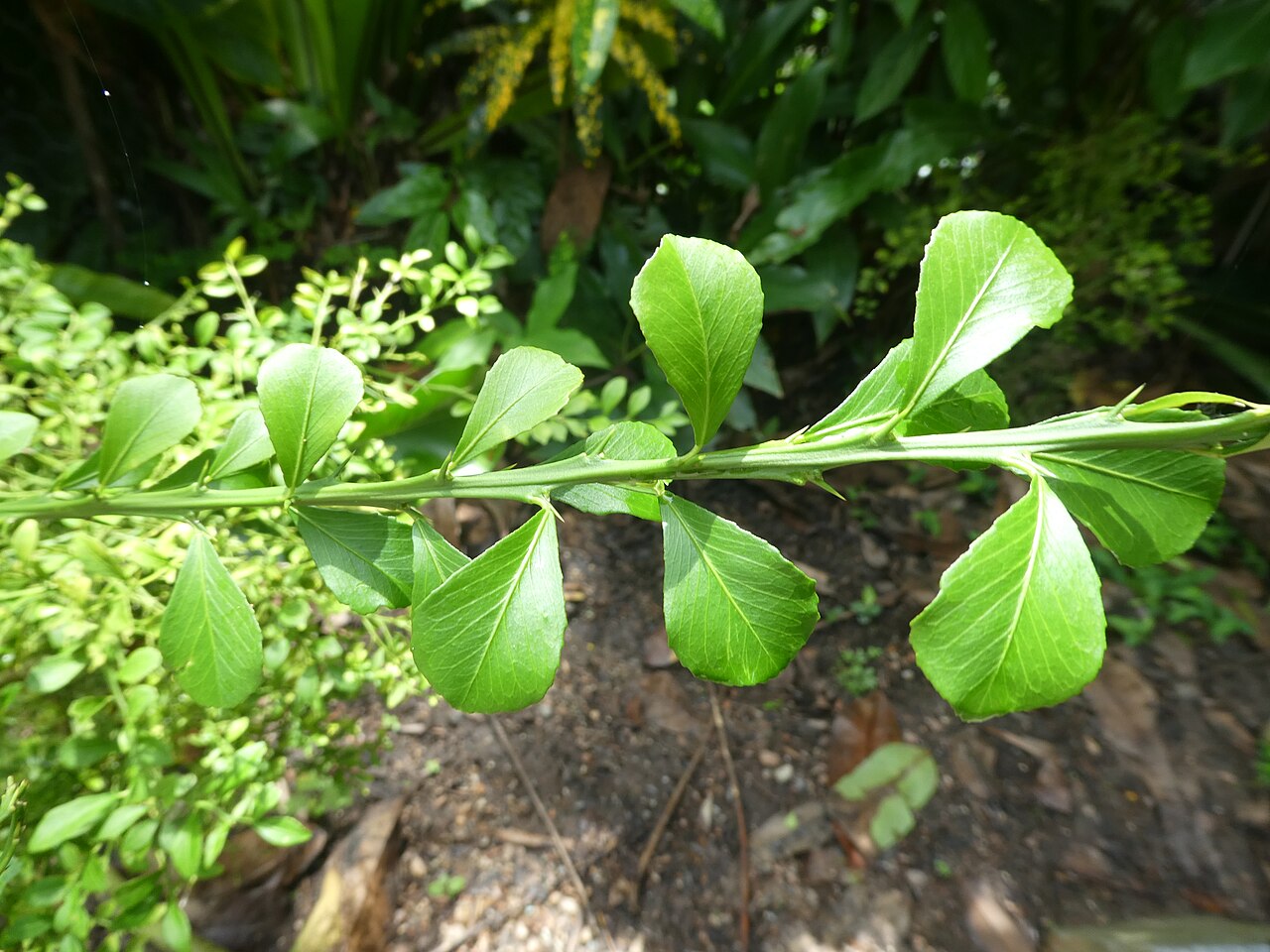
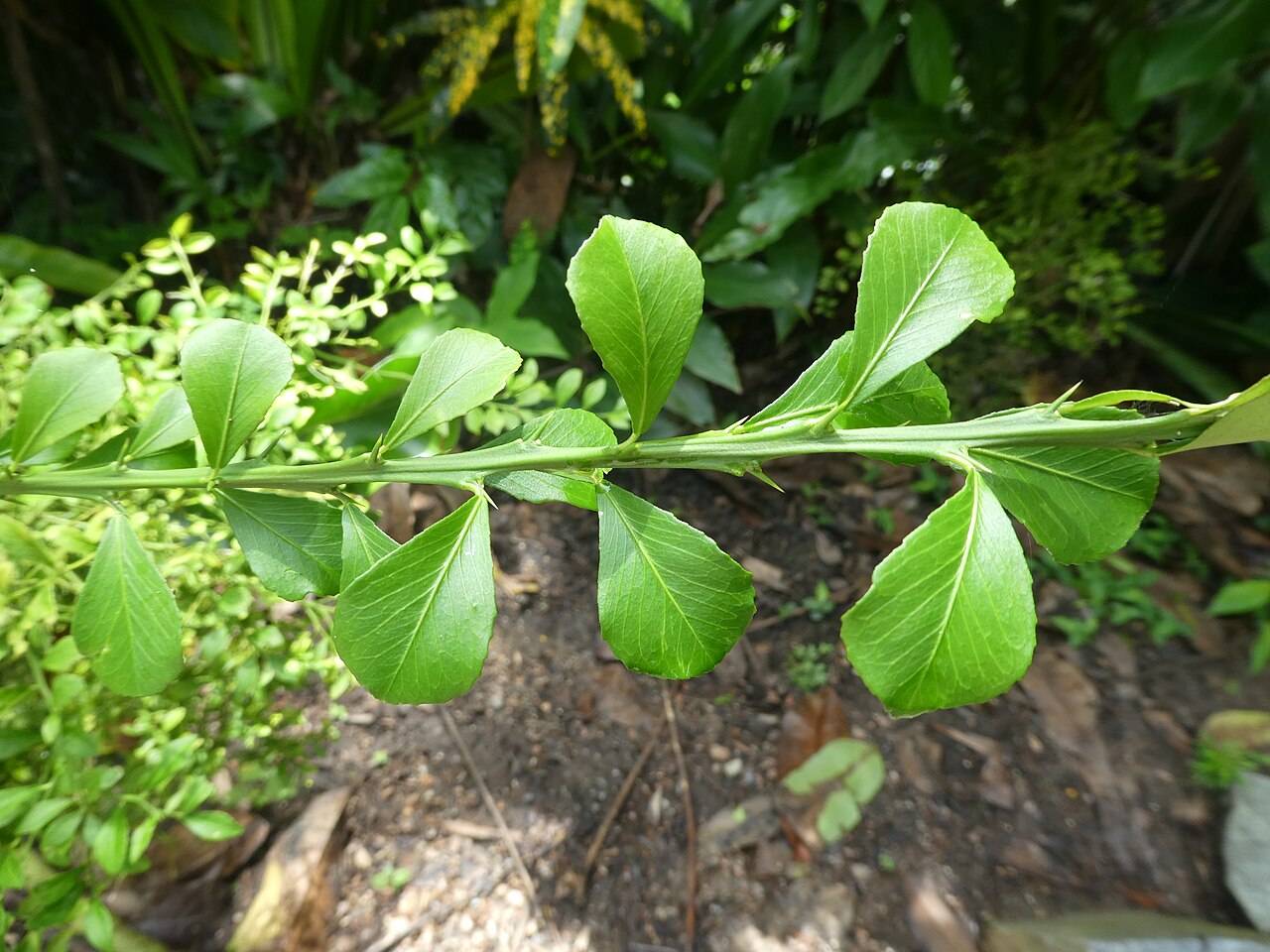
Why this variety
Finger lime is the citrus that does not behave like citrus: slender, finger-shaped fruit that, cut open, spills tiny juice vesicles — ‘citrus caviar’ — that pop on the tongue. ‘Red Champagne’ is one of the named color selections: dark-red skin with pink-red pearls, sweet-tart and mild, in the high-value tier of finger lime varieties. Chefs pay extraordinary prices for these pearls, which tells you something about both the flavor and the novelty — and growing your own is the economical way to eat like a restaurant.
Florida growers have an extra reason to care: finger lime carries natural field tolerance to citrus greening (HLB), the disease devastating Florida citrus, and the Florida Citrus Budwood Program’s ‘DPI-205-1’ green selection is distributed partly for that reason. ‘Red Champagne’ is the color-and-flavor choice within a species that is already a smart Florida bet.
How to grow
Here is the honest Florida part first: finger lime is a zone 9-11 tree outdoors in Florida, container-grown elsewhere in the state — and it is thorny, so site it where thorns are a feature (a hedge, a back corner) rather than a hallway hazard. It is a smaller, shrubbier citrus than an orange tree, 6-12 feet, which makes container growing genuinely practical, not a compromise.
Plant grafted in full sun to partial shade, in well-drained, slightly acidic soil. Water steadily, feed as for other citrus, and prune to keep the thorny canopy pickable — gloves are not optional with finger lime, they are the uniform.
Water & feeding
Water as for citrus: deep, regular watering in dry spells, mulch to hold moisture, and never waterlogged soil. Feed with a citrus fertilizer on schedule, including micronutrients — finger lime in containers needs feeding more often than in-ground trees, since pots leach fast. Watch for yellowing that signals nutrient deficiency rather than disease.
Common problems
- Citrus greening (HLB) — finger lime shows field tolerance, not immunity. Watch for blotchy mottled leaves and lopsided fruit, and buy certified disease-free budwood.
- Thorns — finger lime is seriously thorny. Wear gloves and long sleeves for pruning and harvest, and site away from paths.
- Citrus leafminer and scale — common citrus pests; horticultural oil and monitoring keep them in check.
- Cold damage — zone 9-11 outdoors; move containers under cover on freeze nights.
Harvest
Finger lime ripens late fall to winter in Florida. Pick when the fruit feels full and yields very slightly, and the skin color is fully developed — ‘Red Champagne’ should be dark red. Cut open, squeeze gently, and the pearls spill out like caviar: spoon them over seafood, oysters, cocktails, desserts, or anything that benefits from a burst of lime.
Use fresh; pearls do not hold their pop for long once released. A single tree in a good year produces enough for a season of garnishes, which is why one finger lime tree is a party trick that keeps paying.
Browse all plant & pest guides
Saving seeds
Finger lime is the citrus that does not behave like citrus: slender, finger-shaped fruit that, cut open, spills tiny juice vesicles — ‘citrus caviar’ — that pop on the tongue. ‘Red Champagne’ is one of the named color selections: dark-red skin with pink-red pearls, sweet-tart and mild, in the high-value tier of finger lime varieties. As a named finger lime it is kept true by grafting, not by seed — plant grafted in full sun to partial shade, in well-drained, slightly acidic soil. It is a smaller, shrubbier citrus than an orange tree, 6-12 feet, which makes container growing genuinely practical, not a compromise. Water steadily, feed as for other citrus, and prune to keep the thorny canopy pickable — gloves are not optional with finger lime, they are the uniform. The full method is in the Saving seeds section of the Finger Lime guide.