
🫘 Red Noodle Yardlong Bean
What it looks like
Why this variety
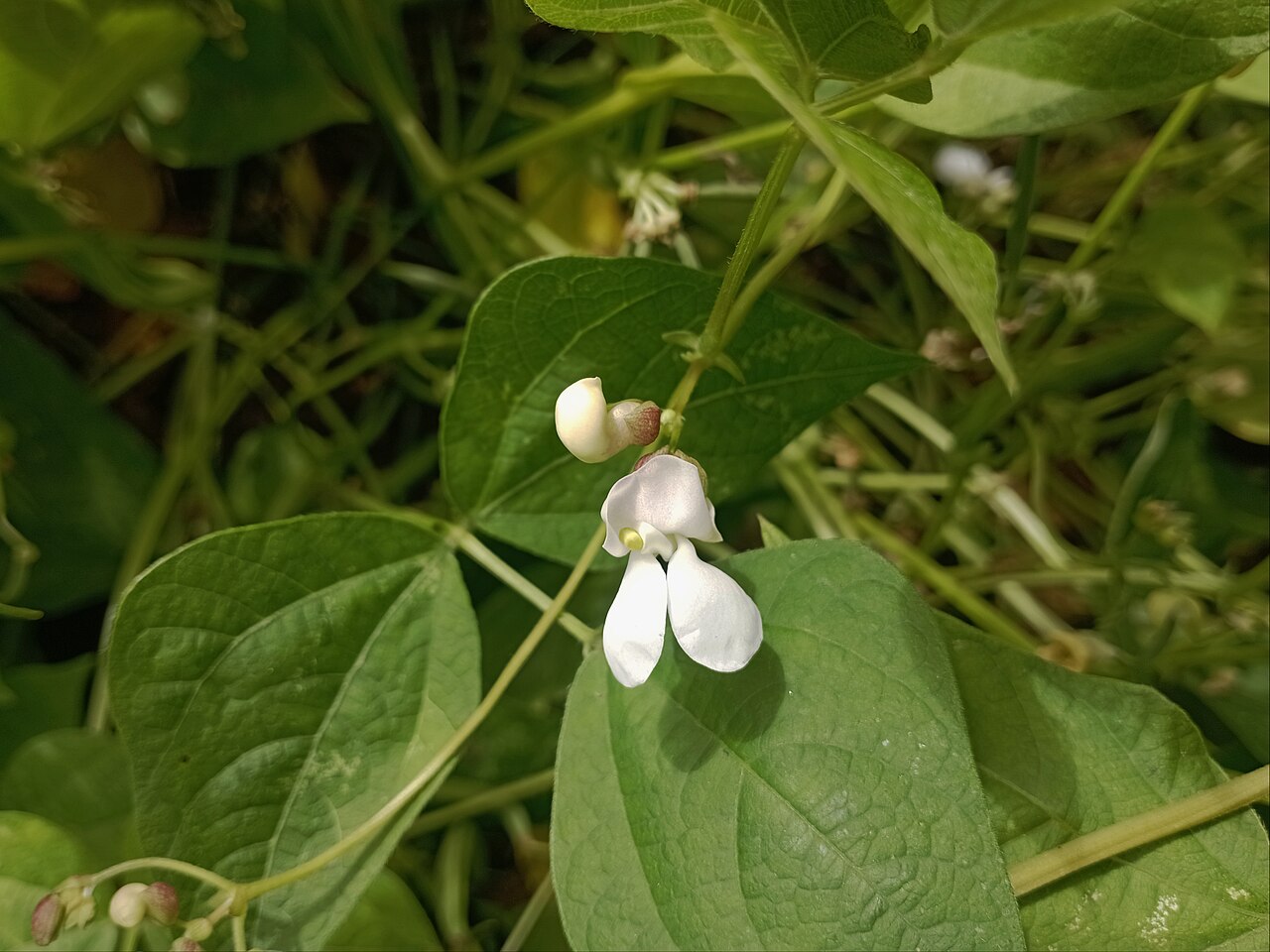
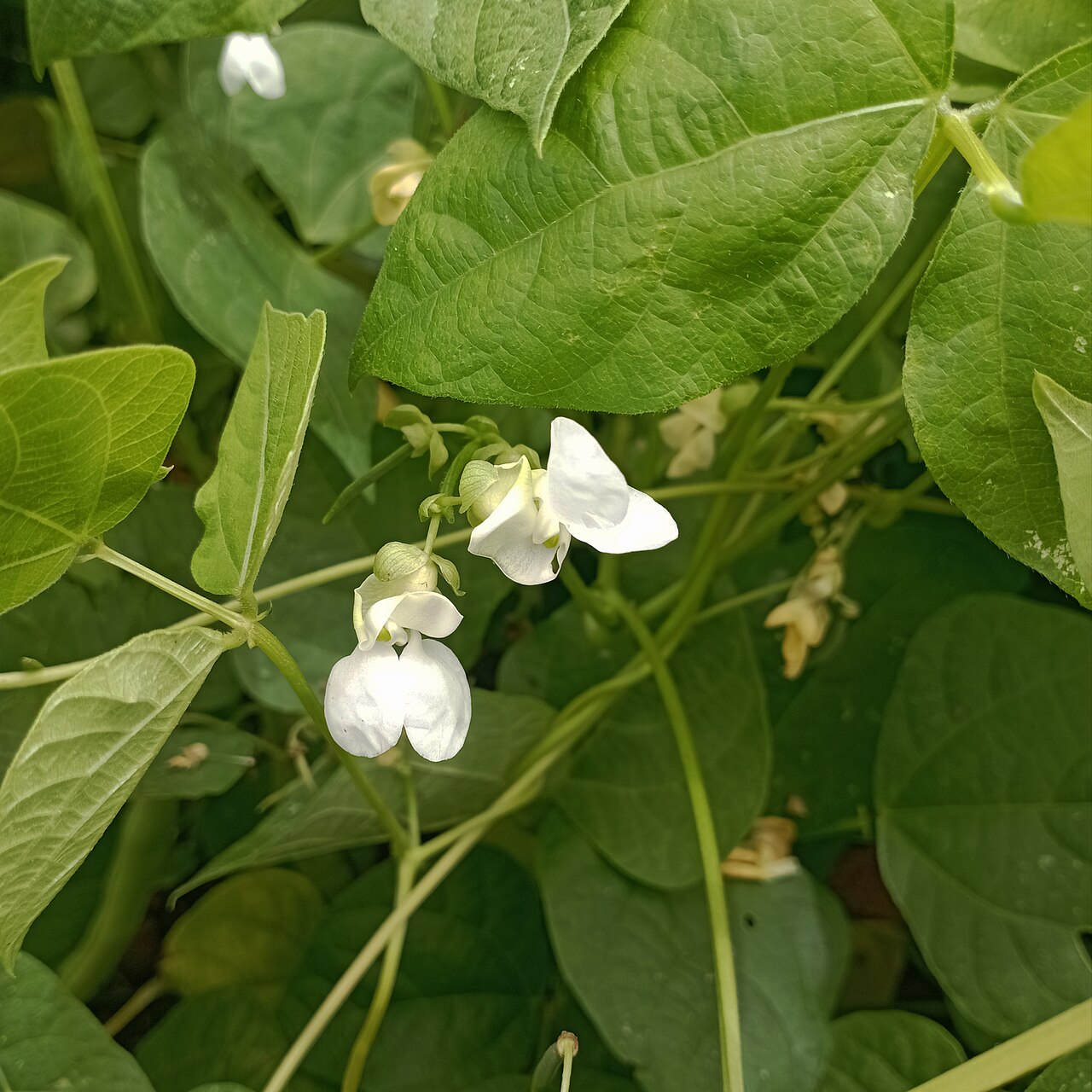
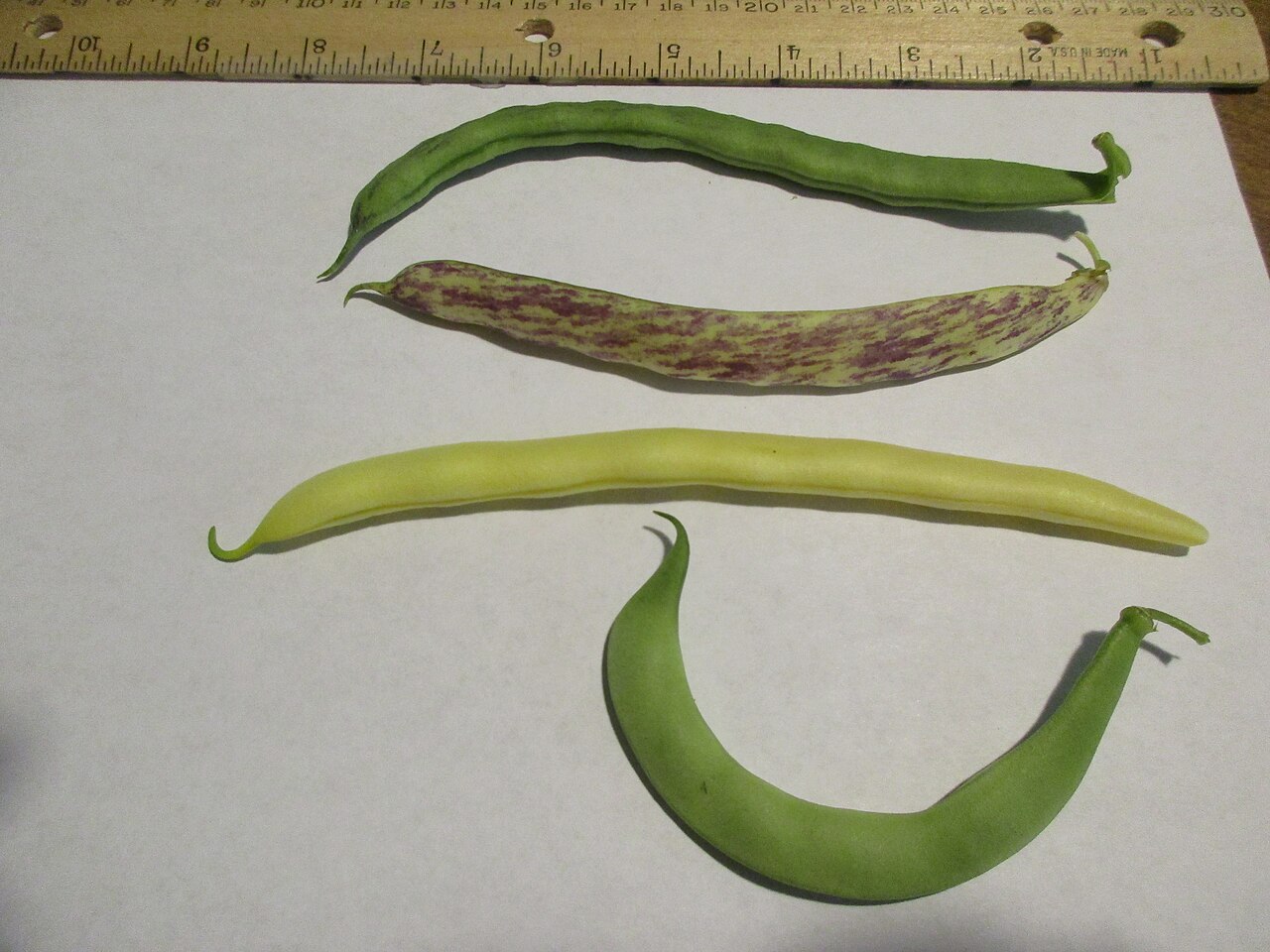
Red Noodle is a yardlong bean, which is to say it is a cowpea that got ambitious. Botanically it is Vigna unguiculata subsp. sesquipedalis, a Southeast Asian subspecies selected for absurdly long pods — catalogs list 18-22 inches, and in a good Florida summer they can push past that. The pods are a deep burgundy-red, slender, stringless, and glossy, hanging in pairs from a vigorous climbing vine, and the flowers are a lovely purple-blue. It is, frankly, the most photogenic bean you can grow.
Heat tolerance here is not a claim, it is the plant’s native language. Yardlongs thrive in heat and humidity that make snap beans drop every blossom, and Red Noodle is listed as resistant to white mold. The pods are eaten young and tender, snipped into stir-fries, curries, and noodle dishes where their mild, slightly nutty, asparagus-like flavor and firm crunch hold up to cooking in a way snap beans sometimes do not.
The honest trade-off, and it is a big one: Red Noodle is a pole bean, and a serious one. It needs a strong 6-8 foot trellis, and it will use every inch of it, then look for more. It is also a daily-pick crop in summer — pods left too long get thick and tough. What you get in exchange is staggering productivity from a small footprint: a single trellis panel can feed a household’s stir-fry habit all summer, and the seed is open-pollinated, so you can save it.
If you are new to choosing between cultivars, the Varieties Matter guide explains why the name after the plant matters as much as the plant itself: two plants sold under the same common name can behave like entirely different plants in your soil.
How to grow
Beans are warm-season legumes, and they sulk in cold soil the way the rest of us sulk in a cold shower — so wait until the soil is reliably 65-70°F before direct-sowing, about an inch deep. Beans fix their own nitrogen through root nodules hosting Rhizobium bacteria, which is why a bed that grew beans last season often grows everything else better this season; the nodules are tiny pink factories, and pink inside means they are working.
In Florida, beans are a spring and fall crop, not a deep-summer one — except for the heat-lovers in this group, which is exactly why they earned their pages. For ordinary snap beans, aim for late February through March in North Florida and February through April farther south for spring, then August through September for fall. Summer sowings of cool-season snap beans mostly produce blossom drop and disappointment, so save the July bed for cowpeas and yardlongs.
Work worm castings into the bed at planting and mulch to hold moisture, but go easy on high-nitrogen fertilizer: too much nitrogen gives you a magnificent leafy plant with very few beans, which is the legume equivalent of buying a sports car and only using it to drive to the mailbox.
Red Noodle is a pole/vining bean — build the trellis before you sow, not after, because this vine grows fast and does not wait for carpentry. Direct-sow 1 inch deep in warm soil (70-85°F is ideal), 4-6 inches apart at the trellis base, and guide young vines onto the support. In Florida, sow April through August; in frost-free areas plants can persist and keep producing well into fall. Do not bother with a flimsy teepee — a cattle-panel arch or a sturdy fence panel is the right scale.
Water & feeding
Keep soil evenly moist, about an inch of water a week, and water at the base rather than overhead — wet foliage in humid air invites rust and bacterial blight. Beans are light to moderate feeders; castings at planting plus a side-dress of compost at first bloom is plenty. Letting the soil dry out between waterings during pod-fill gives you tough, stringy pods, so steady moisture matters more than heroic watering.
Common problems
- Blossom drop in heat — ordinary snap beans abort flowers above roughly 85-90°F; plant in spring/fall windows, or switch to heat-tolerant cowpeas and yardlongs for summer.
- Mexican bean beetles — yellow-orange, ladybug-lookalike beetles whose larvae skeletonize leaves; hand-pick, and note that ladybugs themselves are allies, not the culprit.
- Rust and bacterial blight in humidity — avoid overhead watering, space for airflow, rotate beds, and remove affected leaves promptly.
- Bean common mosaic virus — spread by aphids; control aphids with a strong water blast and pull severely mottled plants so aphids cannot spread it further.
Harvest
Pick pods when they are 12-18 inches long, firm, glossy, and still slender — before seeds swell visibly inside the pod. In peak summer, check daily: pods can add inches overnight. Snip rather than yank, to avoid damaging the vine. For seed, let a few pods mature fully until tan and brittle, then shell and dry.
Browse all plant & pest guides
Saving seeds
Red Noodle is a yardlong bean, which is to say it is a cowpea that got ambitious. Botanically it is Vigna unguiculata subsp. sesquipedalis, a Southeast Asian subspecies selected for absurdly long pods — catalogs list 18-22 inches, and in a good Florida summer they can push past that. The pods are a deep burgundy-red, slender, stringless, and glossy, hanging in pairs from a vigorous climbing vine, and the flowers are a lovely purple-blue. As an open-pollinated yardlong bean it comes true from seed: wait until the soil is reliably 65-70°F before direct-sowing, about an inch deep. Beans fix their own nitrogen through root nodules hosting Rhizobium bacteria. In Florida, beans are a spring and fall crop, not a deep-summer one — except for the heat-lovers in this group, which is exactly why they earned their pages. The full method is in the Saving seeds section of the Yardlong Bean guide.