
🥬 Red-Veined Sorrel: Growing Guide
What it looks like
Why this variety
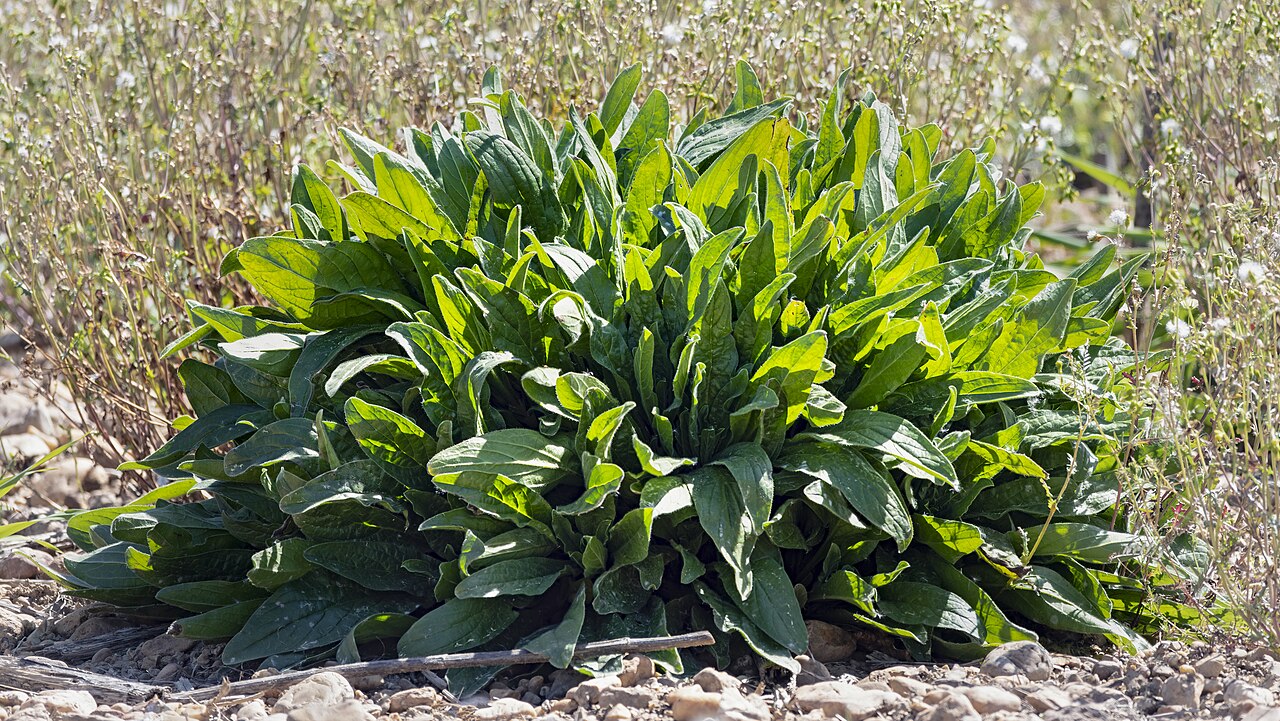
Red-Veined Sorrel is sorrel as ornament: bright green, lance-shaped leaves traced with crimson veins, lemony and milder than common sorrel, on a compact perennial that earns its place in a flower bed as easily as in a herb bed. It is the sorrel to plant where people will see it — and then to snip for salads, where the red veins turn an ordinary green salad into something that looks designed.
Botanical honesty matters here: red-veined sorrel is Rumex sanguineus, a different species from common garden sorrel (Rumex acetosa), not just a color form of it. It is smaller, milder, and more ornamental — a salad leaf first and a soup green second, where common sorrel is the reverse. Growing it as a sorrel is correct; calling it acetosa would not be, so this guide does not.
Florida translation: Red-Veined Sorrel is a perennial here in the same cool, moist, part-shade corner as other sorrels, and its compact size suits containers and bed edges. Pick young leaves for salads — older leaves are tougher and better cooked — and snip flower stalks to keep the plant leafy. In high summer it may rest; a mulched, shaded plant usually bounces back with fall rains.
How to grow
Sow Red-Veined Sorrel directly or start indoors, spacing as listed in the hero block. Sorrel is a hardy perennial: plant it once, and it returns each spring, one of the first things ready to pick. Give it rich, moist soil and part shade in hot climates — sorrel’s lemon tang sharpens in sun and heat, and softens into something more refined with a little afternoon shade and steady water.
Weed well while plants establish; once a sorrel clump is going, it outcompetes most weeds and asks for very little. Divide clumps every three to four years to keep leaves large and tender.
Water & feeding
Sorrel likes steady moisture: about an inch a week, mulch to hold it, and worm castings in spring as growth resumes. Drought-stressed sorrel makes small, fiercely sour leaves; well-watered sorrel makes the big, lemony leaves soups are built on. It is not fussy about feeding — one spring top-dress a year is plenty.
Common problems
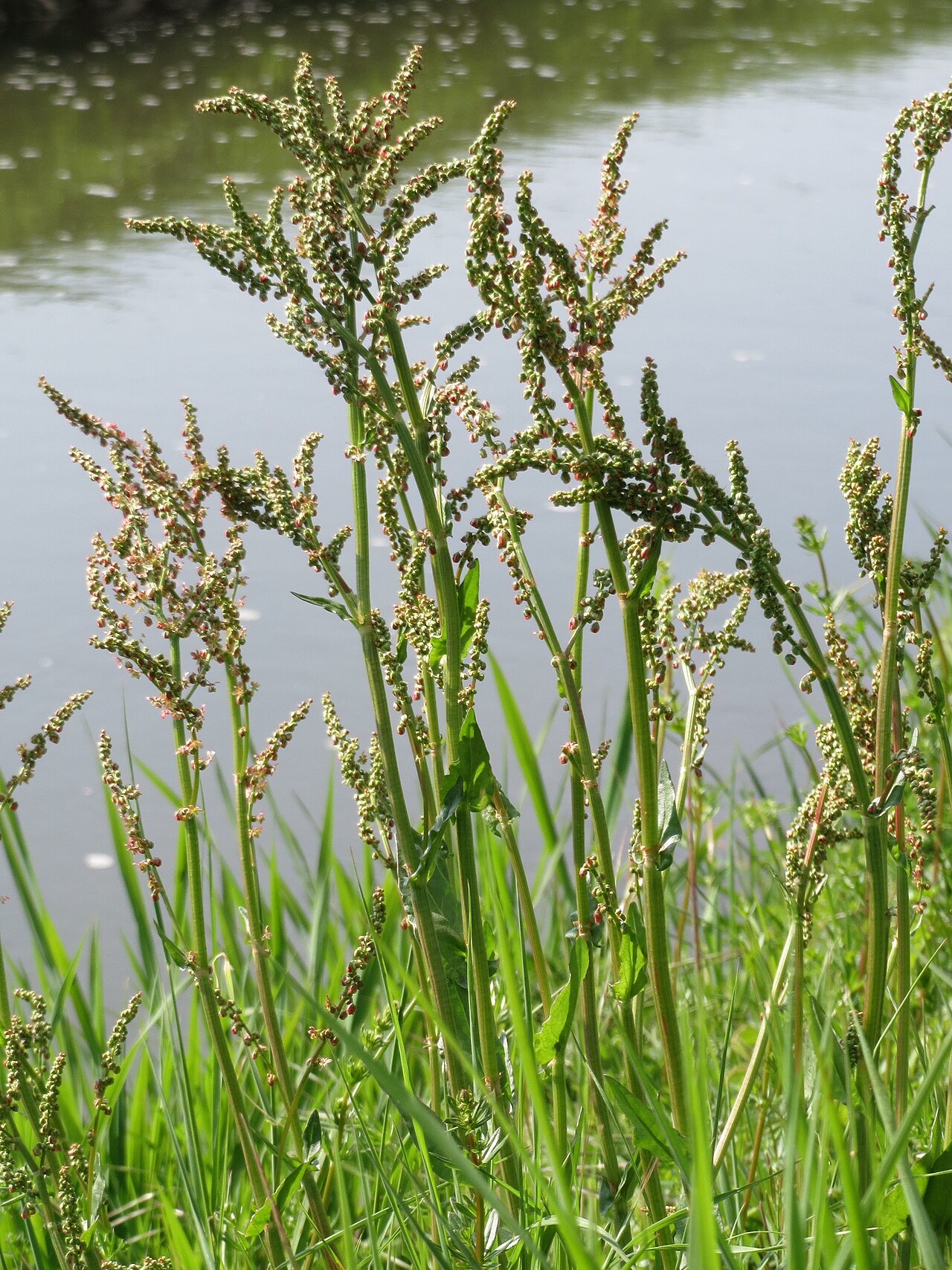
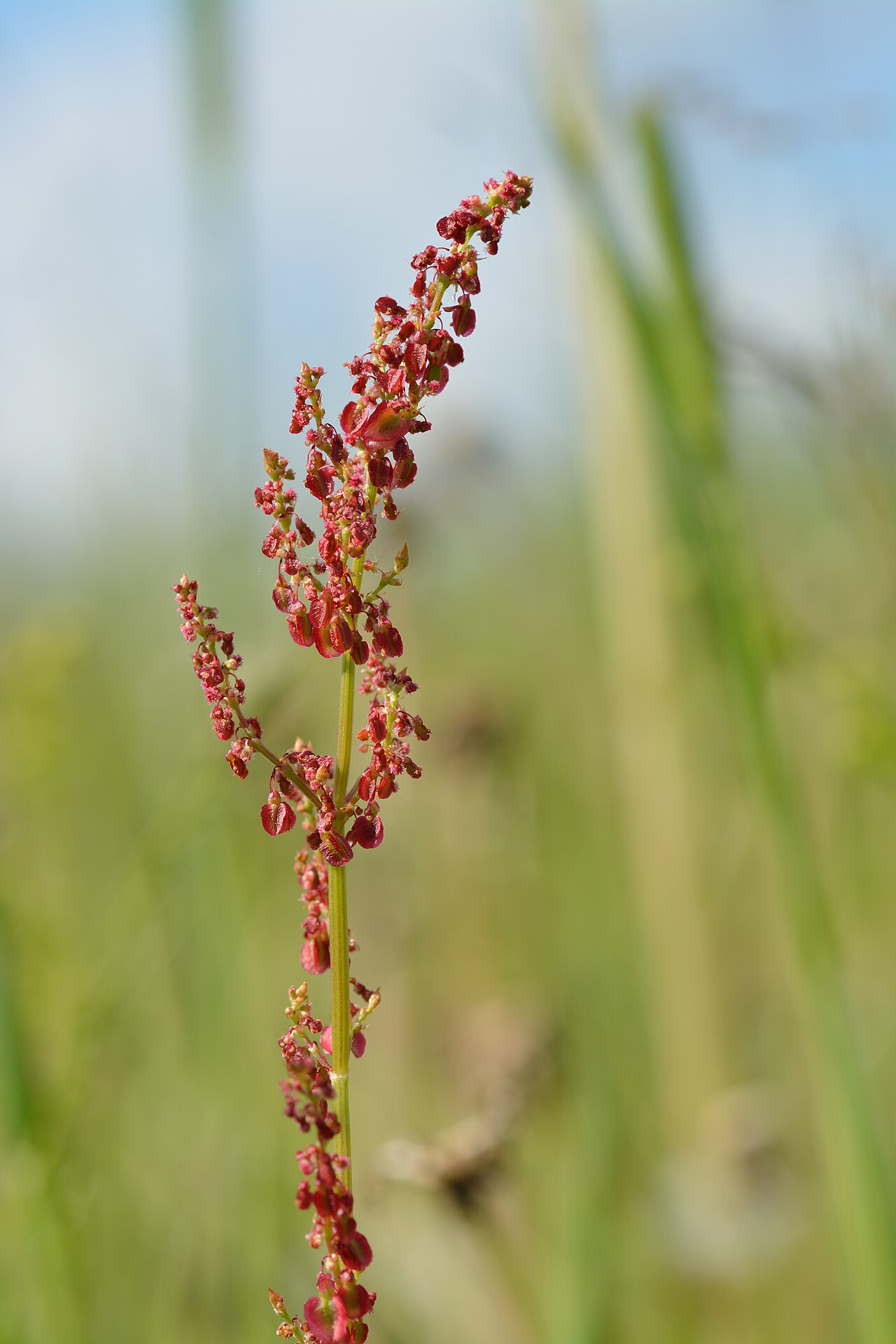
Sorrel is nearly pest-free, which is part of its charm. Slugs may nibble low leaves in damp weather; hand-pick at dusk. The real management job is flowering: flower stalks make leaves smaller and tougher, so snip stalks as they appear unless you want seed.
A note on moderation: sorrel’s oxalic acid means it is best enjoyed as part of a varied diet rather than by the bushel at every meal, especially for anyone sensitive to oxalates. Cooking softens the tang and the oxalate load alike.
Harvest
Pick Red-Veined Sorrel leaves from the outside of the clump, a few at a time, from about 60 days after sowing — and for years after, since established plants return each spring. Young leaves are the most tender; older leaves are best cooked. Use fresh leaves the day you pick them (they wilt fast) or cook and freeze sorrel in batches for soups and sauces.
Nerdy fact: Red-Veined Sorrel’s crimson veins are anthocyanins tracing the leaf’s plumbing — the plant’s veins, drawn in red, which is why the leaf looks like a botanical illustration that decided to become dinner.
Saving seeds
Red-Veined Sorrel is sorrel as ornament: bright green, lance-shaped leaves traced with crimson veins, lemony and milder than common sorrel, on a compact perennial that earns its place in a flower bed as easily as in a herb bed. It is the sorrel to plant where people will see it — and then to snip for salads, where the red veins turn an ordinary green salad into something that looks designed. Botanical honesty matters here: red-veined sorrel is Rumex sanguineus, a different species from common garden sorrel (Rumex acetosa), not just a color form of it. As the straight species, seed comes true to Rumex sanguineus: sow Red-Veined Sorrel directly or start indoors, spacing as listed in the hero block. Sorrel is a hardy perennial: plant it once, and it returns each spring, one of the first things ready to pick. Give it rich, moist soil and part shade in hot climates. The full method is in the Saving seeds section of the Sorrel guide.