
🍀 Regal White Clover
What it looks like
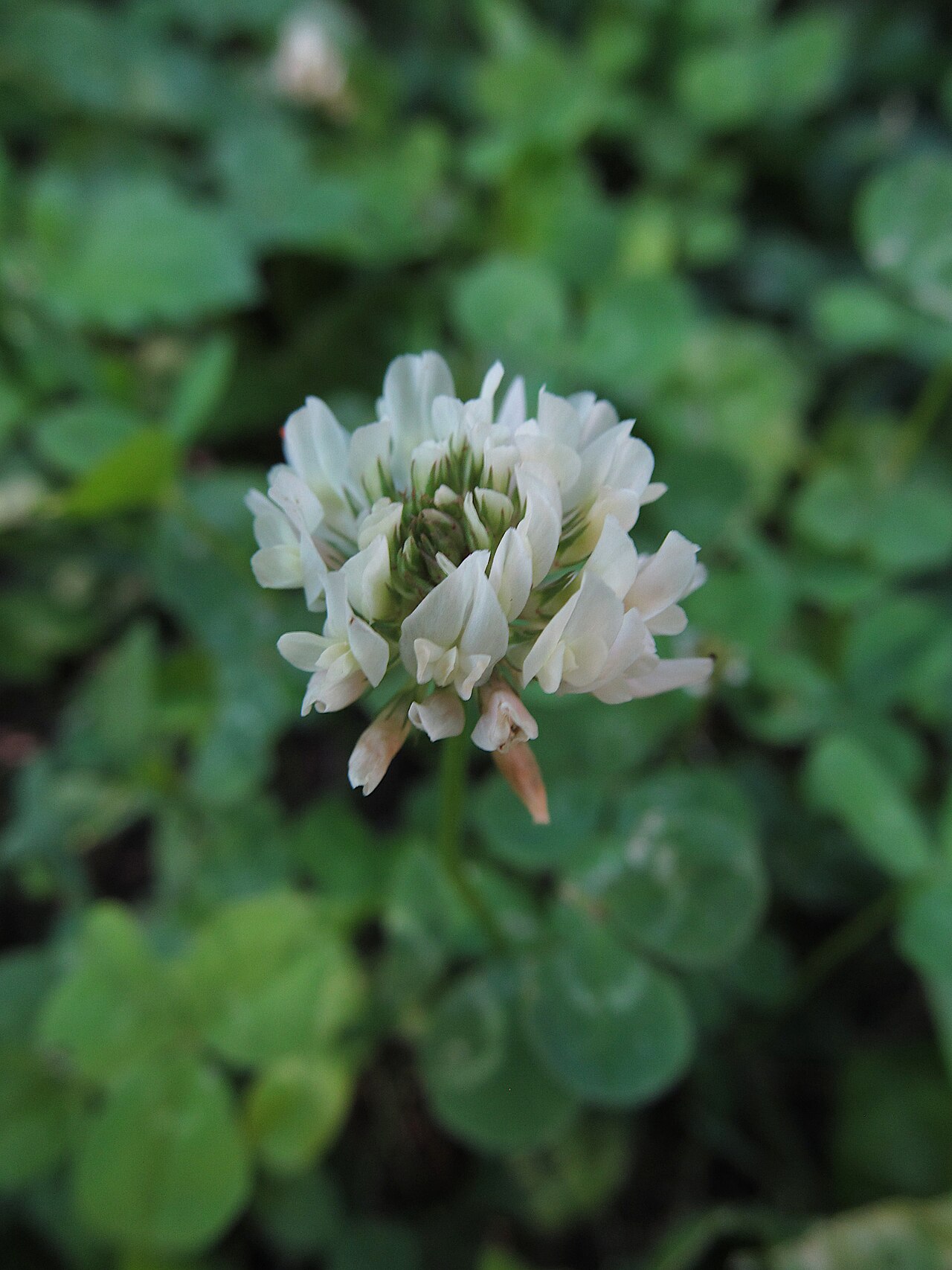
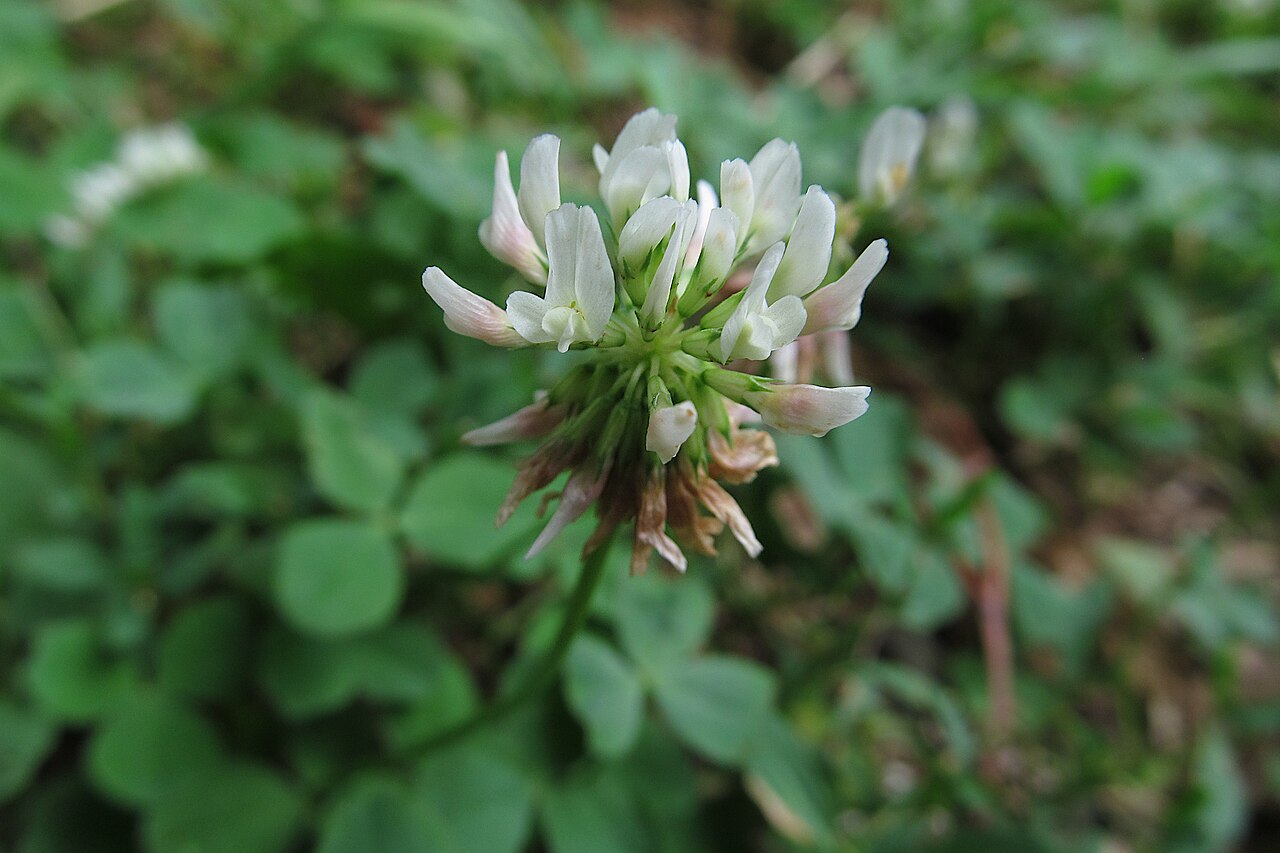
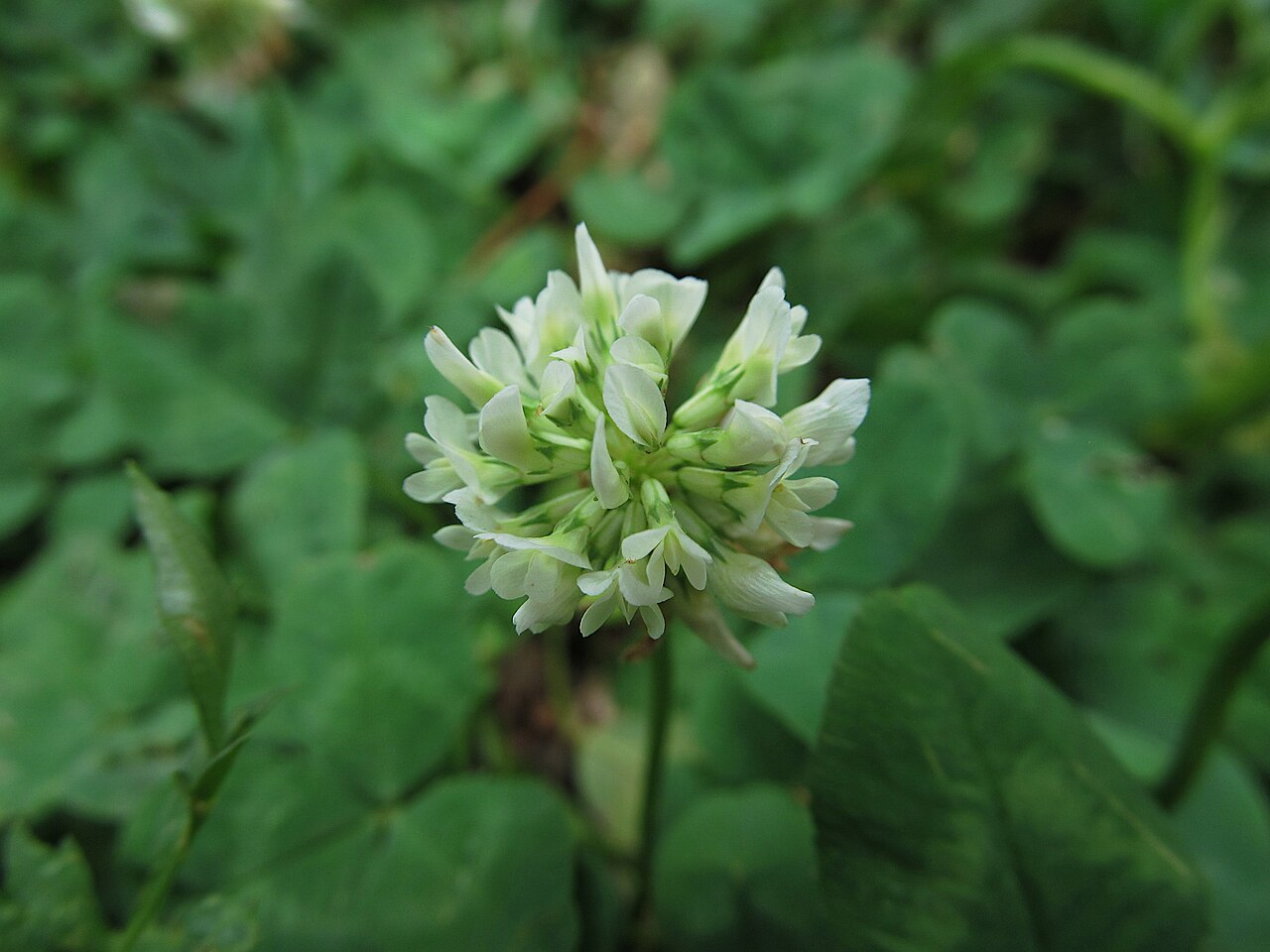
Why this variety
Regal is the white clover you plant when you want a lot of clover, fast. It is a classic ladino type — big leaves, vigorous growth, high yields — developed in Alabama and long recommended across the Southeast for pasture and forage. In its first seasons it out-produces the intermediate types, with lush, broad-leafed growth that looks like what a clover field is supposed to look like in a seed catalog photograph.
The honest trade-off, and the reason Regal is not the answer to every clover question, is persistence. Ladino types do not reseed as well as intermediates, and Regal stands tend to thin after two to three years, especially under grazing. Clipping trials even flatter it, because a mowed plot is kinder than a grazed pasture. Plant Regal when you want maximum production now and you are willing to reseed on a schedule — or when you want a spectacular cool-season cover crop for a year or two, not a permanent lawn.
If you are new to choosing between cultivars, the Varieties Matter guide explains why the name after the plant matters as much as the plant itself.
Florida honesty: Regal grows well in a Florida cool season, but do not expect a permanent stand in the heat. Sow in fall, harvest the lush winter and spring growth, and plan on it thinning in summer — in the far south it is best treated as a cool-season annual or short-lived perennial. If you want a clover that returns on its own for years, Durana or Osceola will serve you better; if you want the biggest single-season show, Regal is your plant.
How to grow
Sow in fall at 2–3 pounds per acre in mixtures (4–5 pounds alone) at a quarter to a half inch deep, into moist, fertile, well-drained soil. Use inoculated seed. Regal wants good fertility and moisture more than the tougher intermediates do — give it compost or worm castings at sowing, keep it watered through establishment, and do not expect it to thrive on dry, poor sand. In a pasture mixture it pairs well with cool-season grasses; in a lawn it makes a lush, broad-leafed clover component that shows more than a microclover will.
Water & feeding
Water steadily through the cool season; Regal is a thirstier, lusher plant than the intermediate types and shows drought stress sooner. It needs no nitrogen fertilizer — it fixes its own — but it does appreciate phosphorus and potassium on poor soils, best supplied through compost rather than synthetic salts. Mow or graze before it gets stemmy, and do not graze it to the ground: ladino types recover more slowly from a hard bite than Durana does.
Common problems
- Fades after 2–3 years — the ladino bargain; plan to reseed rather than expecting permanence.
- Weaker reseeding than intermediates — volunteers are thinner, so overseeding is part of the program.
- Summer heat and drought — lush growth wilts first; water in dry spells or accept the fade.
- Killed by broadleaf herbicides — as with every clover, weed-and-feed and clover do not mix.
- Bloat risk in pure stands for livestock — graze clover in mixtures with grass, not alone, and limit grazing time on lush pure stands.
Harvest & use
Regal shines as a high-yield forage and as a fast, lush cover crop. Forage quality is excellent — high protein, high digestibility — and yields of 2–4 tons per acre are realistic in a good cool season when it is rotationally grazed. As a cover crop, mow at early bloom for maximum nitrogen benefit, wait a couple of weeks, then plant into the enriched bed. As a lawn clover it gives the fullest, greenest clover look of any variety here — just budget for reseeding every few years, and think of it as a glorious biennial-plus rather than a forever plant.
Back to the White Clover guide
Browse all plant & pest guides
Saving seeds
Regal is the white clover you plant when you want a lot of clover, fast. It is a classic ladino type — big leaves, vigorous growth, high yields — developed in Alabama and long recommended across the Southeast for pasture and forage. In its first seasons it out-produces the intermediate types, with lush, broad-leafed growth that looks like what a clover field is supposed to look like in a seed catalog photograph. The honest trade-off, and the reason Regal is not the answer to every clover question, is persistence. Ladino types do not reseed as well as intermediates, and Regal stands tend to thin after two to three years, especially under grazing. As an open-pollinated clover it comes true from seed: sow in fall at 2–3 pounds per acre in mixtures (4–5 pounds alone) at a quarter to a half inch deep, into moist, fertile, well-drained soil. Use inoculated seed. The full method is in the Saving seeds section of the White Clover guide.