
🤍 Renaissance Oasis Paper Birch
What it looks like
Why this variety
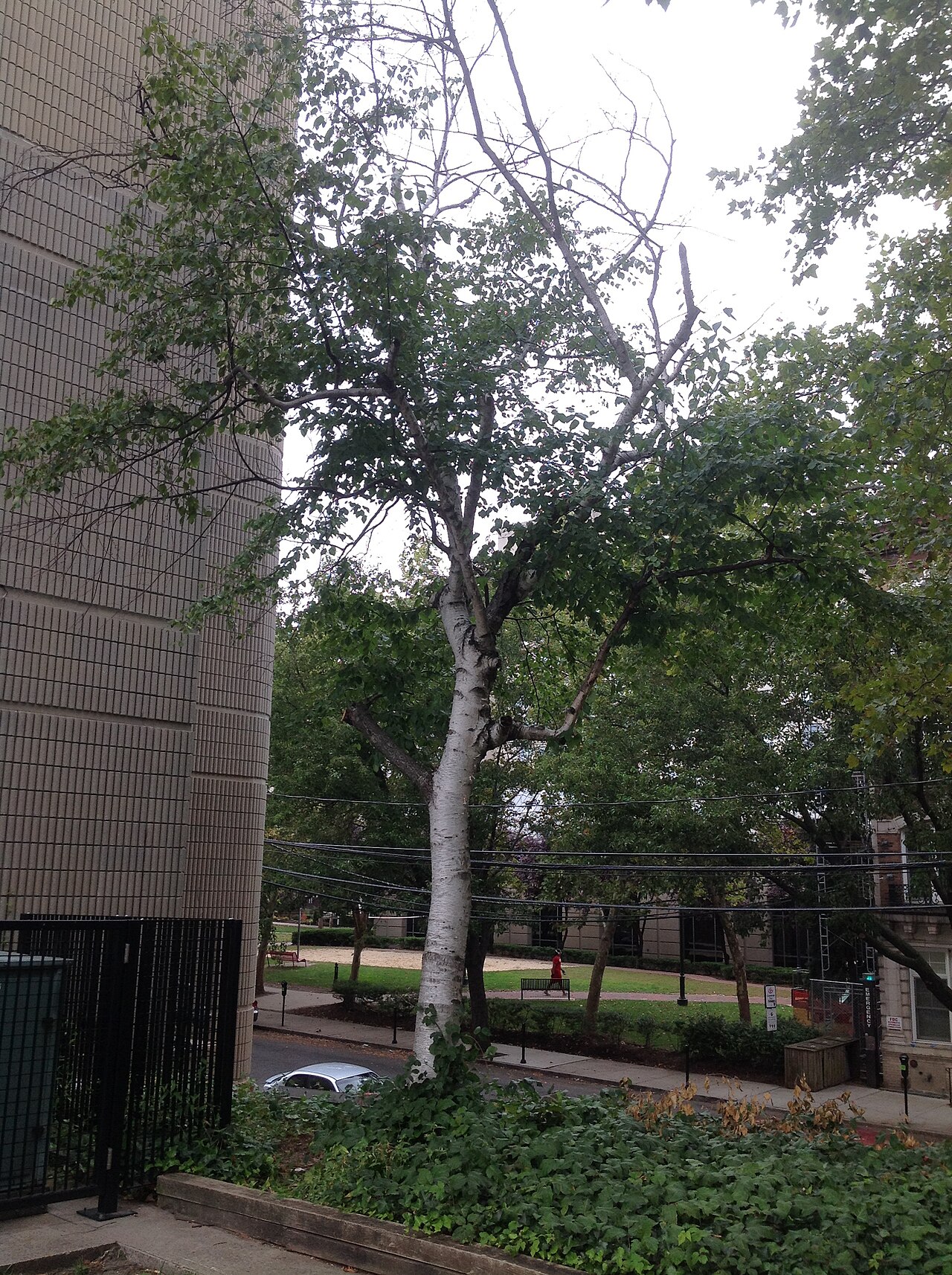
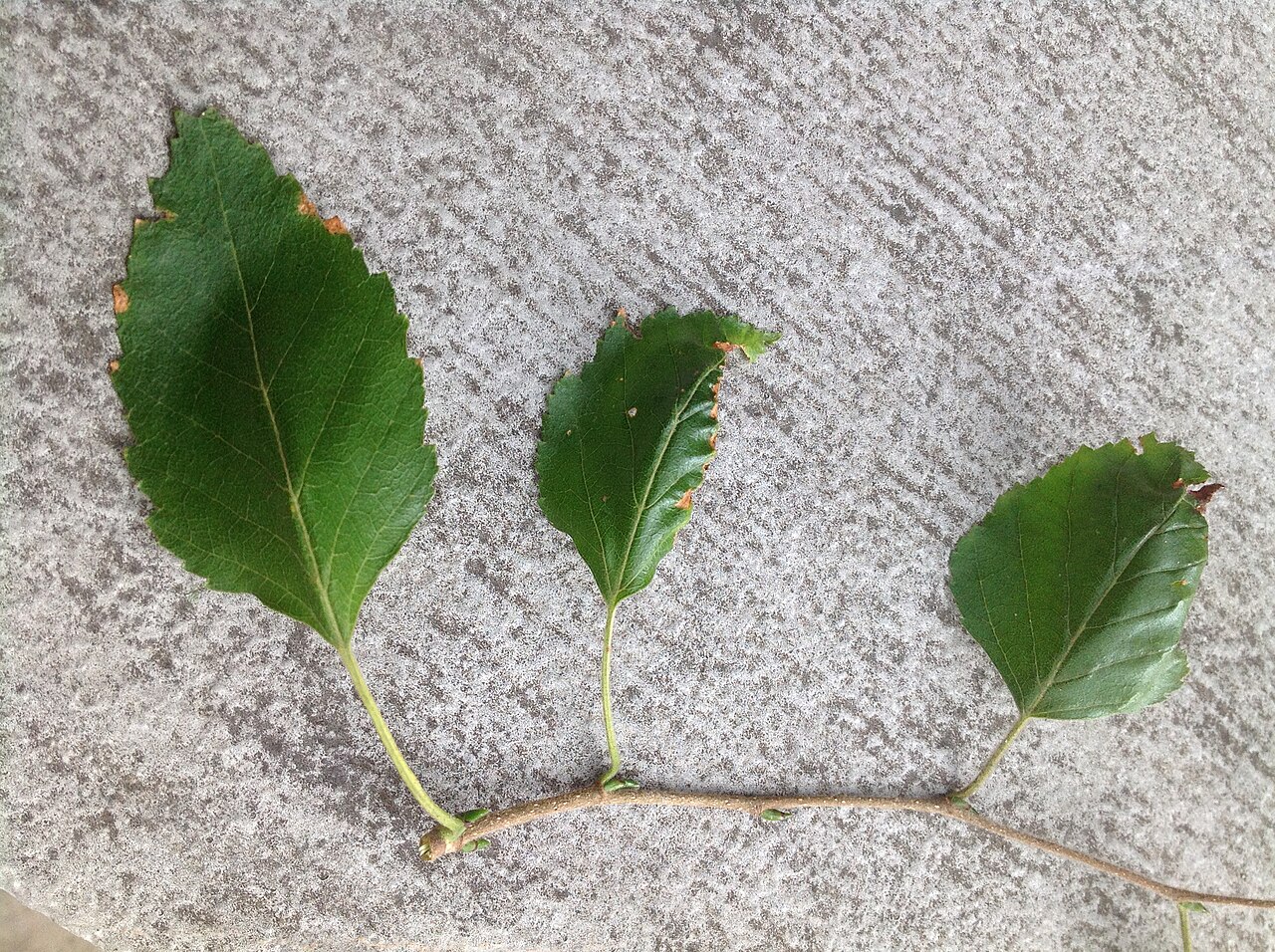
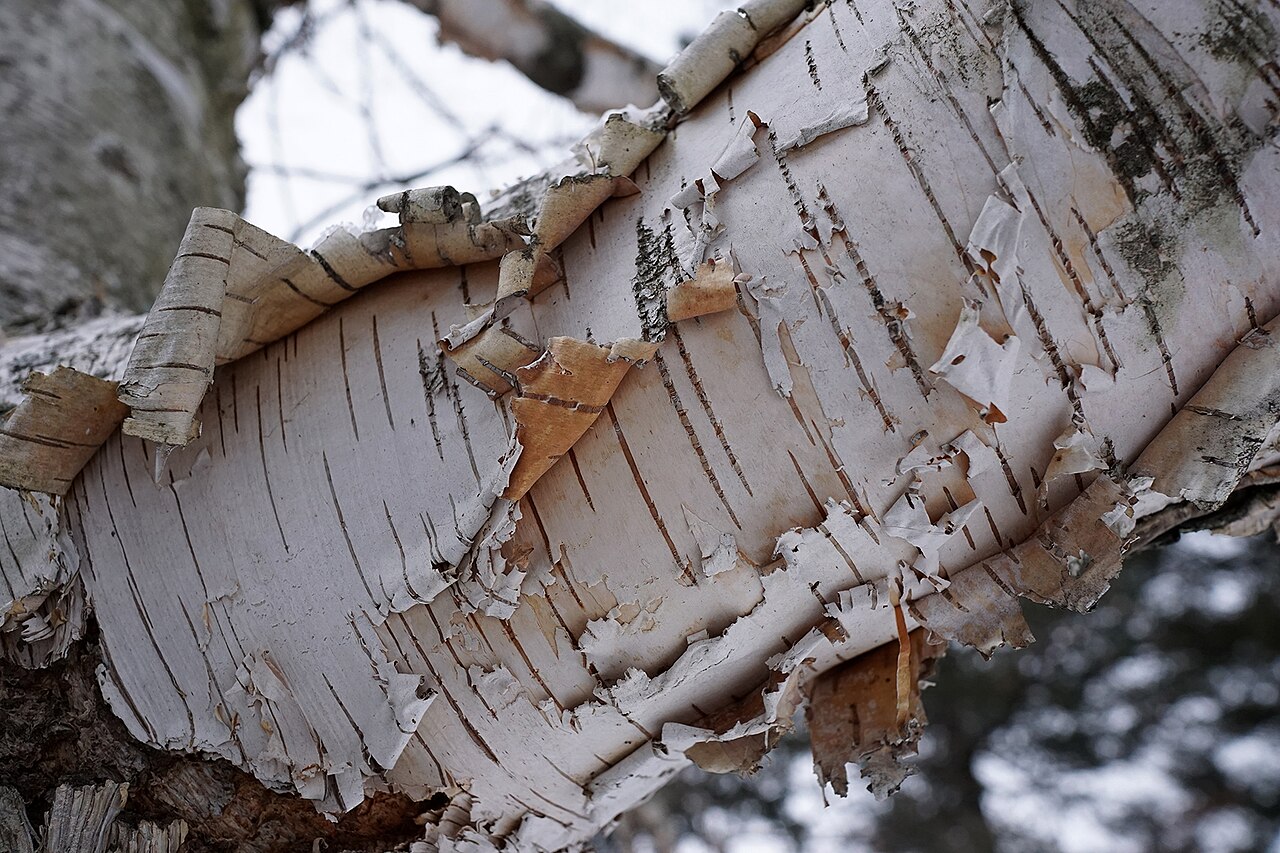
Renaissance Oasis — ‘Oenci’ — is the Renaissance paper birch with a two-act bark show: dark reddish bark when young, turning white as the tree matures, on a broad, dense, pyramidal tree with a moderate growth rate. Like its sibling Reflection, it is highly resistant to bronze birch borer, and unlike Reflection it is also credited with drought tolerance — the University of Minnesota notes it does well in medium to wet, well-drained soil in part shade, with borer resistance and drought tolerance together, which is a rare combination in a white-bark birch.
That combination makes Oasis the Renaissance choice for a northern garden that is not perfectly watered: a birch that forgives a dry spell better than its cousins while still giving white bark, gold fall leaves, and a dense crown. The northern framing still applies in full — zones 2 through 7, not Florida, where heat and humidity work against every paper birch — but within its climate, Oasis is the most forgiving of the family, and the reddish young bark is a bonus that makes even a young tree interesting.
If you have not met the species yet, start with the Paper Birch guide for the whole tree, then come back here for Oasis in detail.
How to grow
Plant Oasis in spring or fall in moist, well-drained, slightly acidic to neutral soil in full sun to partial shade, with 30 to 40 feet of clearance for its broad pyramidal crown. Mulch thickly to keep shallow roots cool, water deeply until established and through droughts — drought-tolerant for a birch still means water it in a drought — and prune in late summer or fall, never in spring’s sap run. Give it room to broaden; this is the Renaissance birch with shoulders, not a column.
Water & feeding
Water deeply until established, then in dry spells; Oasis tolerates drought better than most paper birches once its roots are down, but steady moisture still gives the best bark, leaves, and fall color. Compost at planting and a mulch ring beat heavy fertilizer, which pushes soft growth borers notice.
Common problems
- Bronze birch borer — highly resisted, not immunized; vigor is still the defense.
- Heat and humidity south of zone 7 — the paper birch limit applies to Oasis too; not a Florida tree.
- Young bark color confusion — the reddish young bark is normal, not disease; it whitens with age.
- Spring pruning bleed — prune late summer or fall.
Harvest
The harvest is a birch that earns its keep young: reddish bark first, white bark later, dense shade in between, and gold in fall. Oasis is the paper birch for northern gardeners who want the look without babysitting the watering can quite so hard.
Saving seeds
Renaissance Oasis — ‘Oenci’ — is the Renaissance paper birch with a two-act bark show: dark reddish bark when young, turning white as the tree matures, on a broad, dense, pyramidal tree with a moderate growth rate. Like its sibling Reflection, it is highly resistant to bronze birch borer, and unlike Reflection it is also credited with drought tolerance — the University of Minnesota notes it does well in medium to wet, well-drained soil in part shade, with borer resistance and drought tolerance together, which is a rare combination in a white-bark birch. As a named paper birch it is kept true by grafting, not by seed — seedlings would not hold the two-act bark show, the borer resistance, or the broad, dense, pyramidal form. Plant Oasis in spring or fall in moist, well-drained, slightly acidic to neutral soil in full sun to partial shade, with 30 to 40 feet of clearance for its broad pyramidal crown. The full method is in the Saving seeds section of the Paper Birch guide.