
🤍 Renaissance Reflection Paper Birch
What it looks like
Why this variety
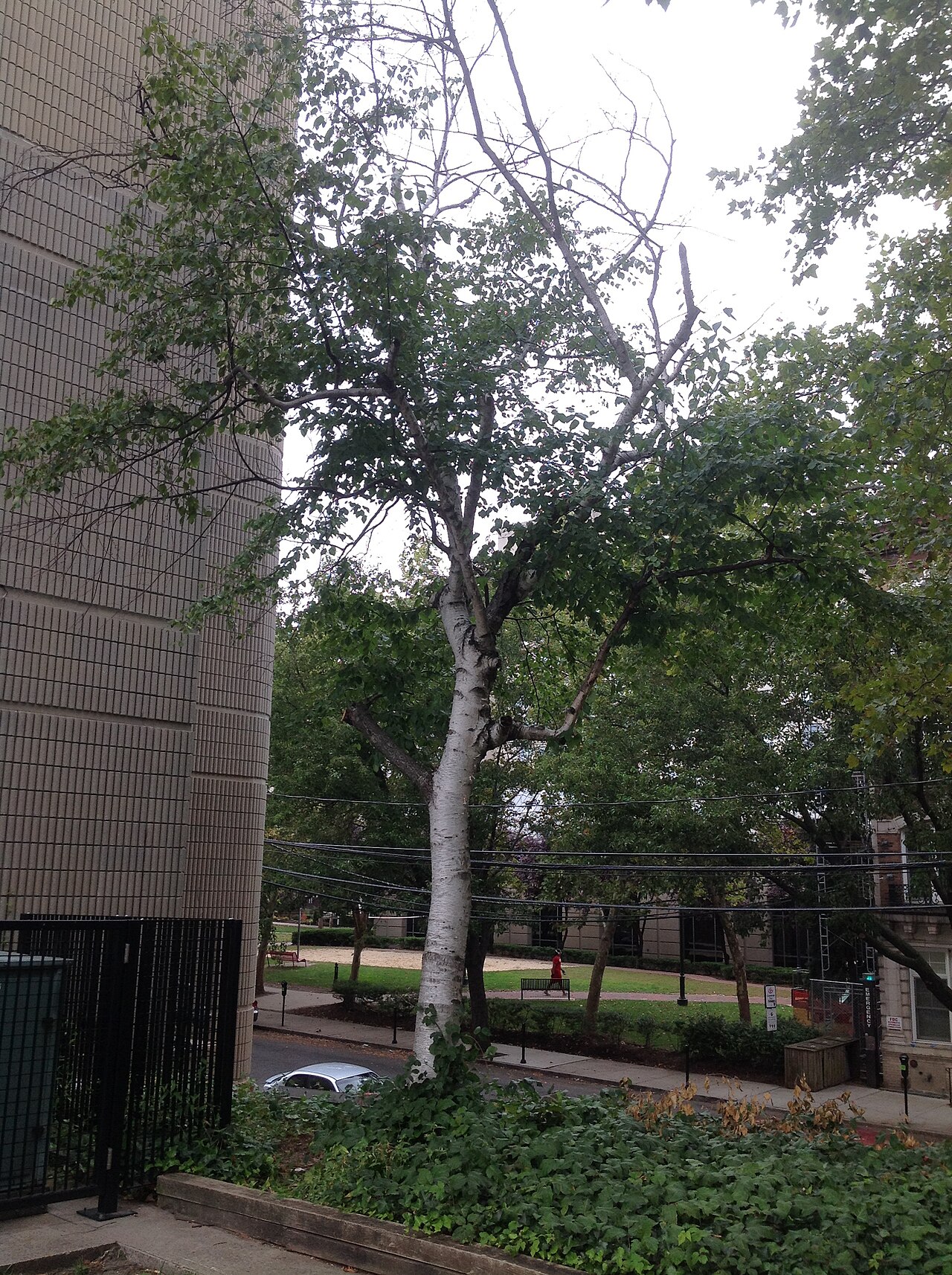
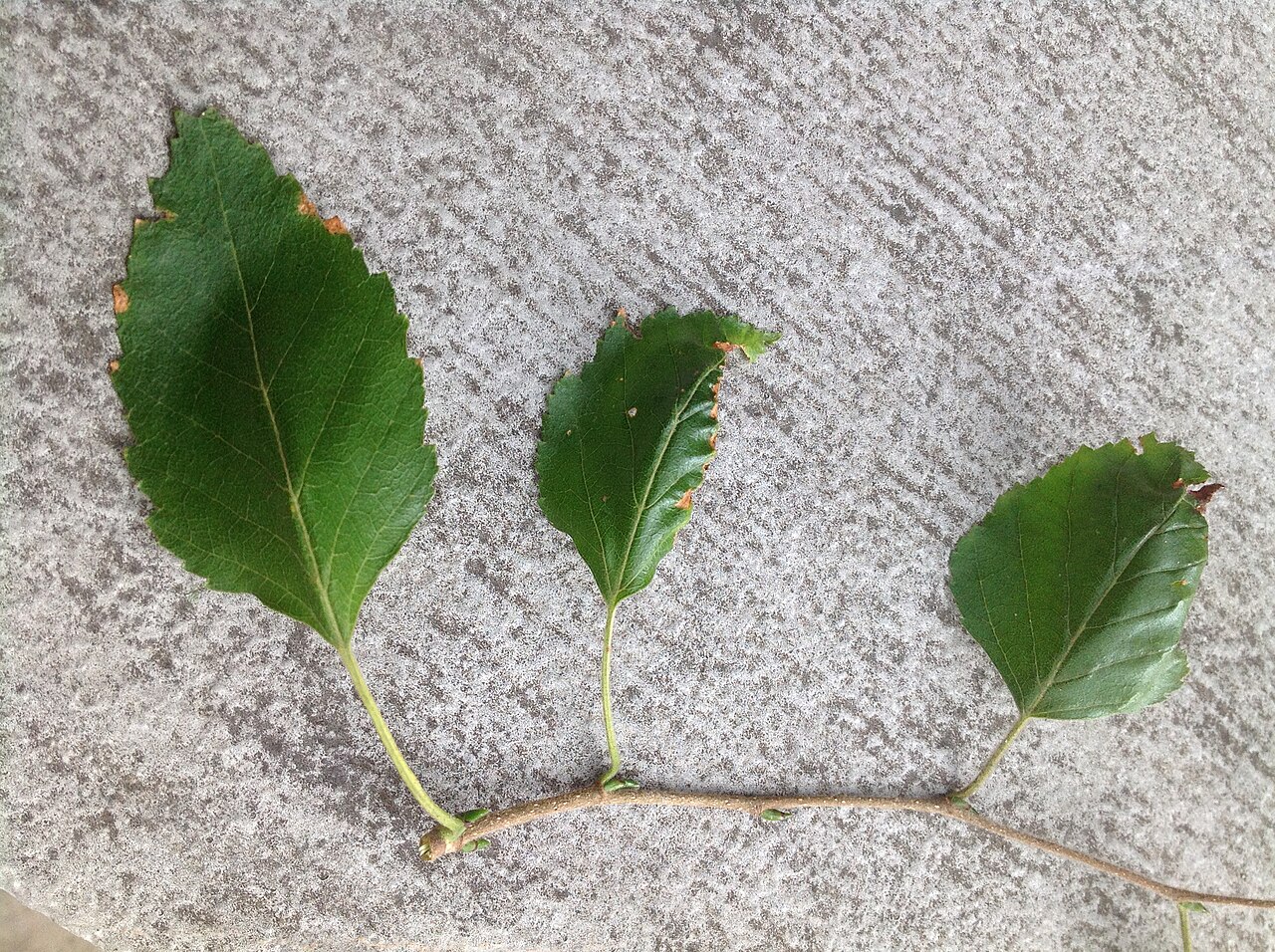
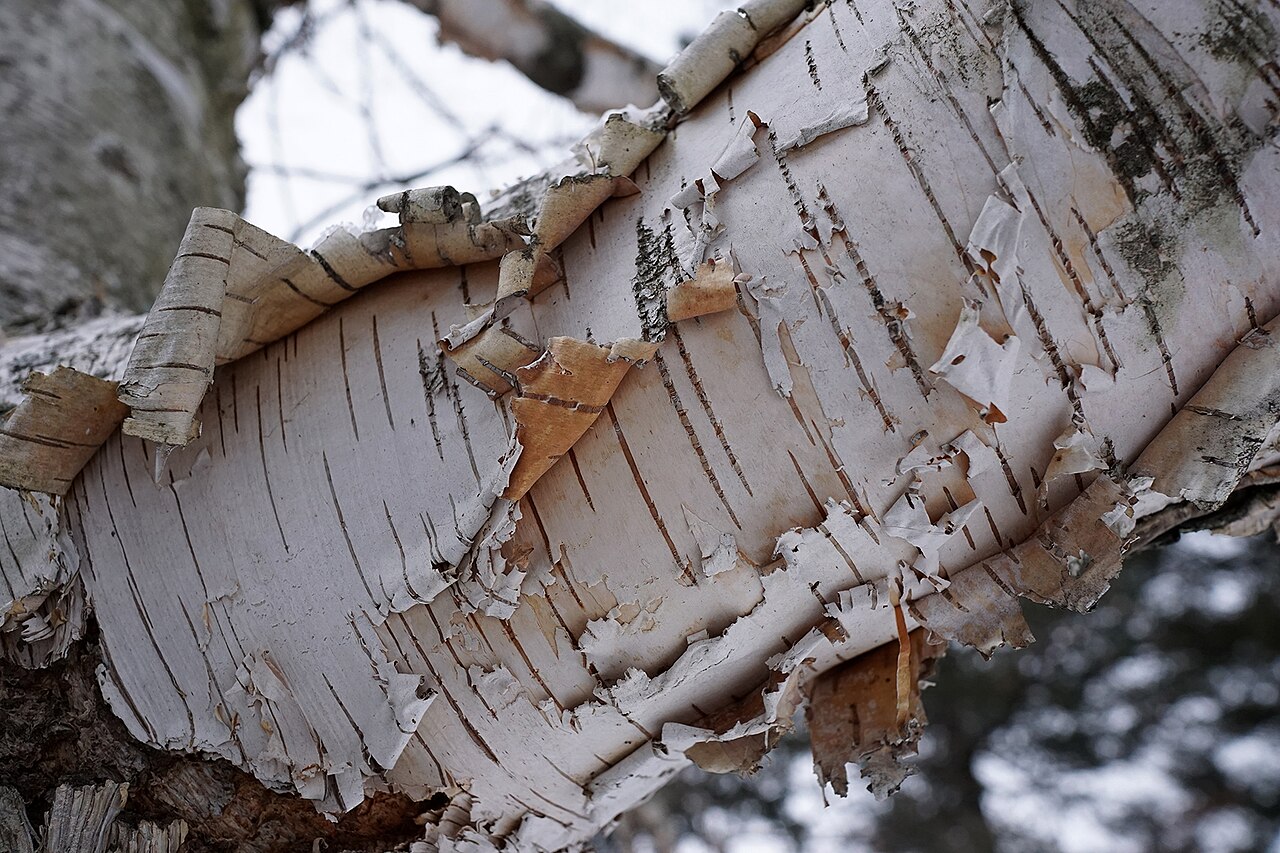
Renaissance Reflection — ‘Renci’, patented as PP12768 — is the paper birch for gardeners who love white bark and fear the bronze birch borer in equal measure. It is a fast-growing, upright-pyramidal selection with striking white bark that peels in papery layers, dark green leaves that turn brilliant yellow in fall, and, crucially, resistance to bronze birch borer, the beetle that kills stressed birches from the top down. The species’ great weakness was that it needed cool summers to stay vigorous enough to resist borers; Reflection was selected to hold that resistance as a garden tree.
The framing stays honest and northern: paper birch is a boreal tree, hardy in zones 2 through 7, and Florida heat and humidity shorten its life and open the door to borers — even a resistant cultivar is not a Florida planting recommendation. In zones 2 through 7, though, Reflection is the paper birch to plant first: white bark that turns white young, fast growth, and a borer defense the species cannot promise. If you garden in the North Woods’ climate, this is your postcard tree with armor on.
If you have not met the species yet, start with the Paper Birch guide for the whole tree, then come back here for Reflection in detail.
How to grow
Plant Reflection in spring or fall in moist, well-drained, slightly acidic to neutral soil in full sun to partial shade, with afternoon shade at the warm edge of its range and 30 to 40 feet of clearance. Mulch thickly to keep the shallow root zone cool — birch roots live near the surface and cook in hot, bare soil — water deeply through dry spells, and never prune in spring when sap is running; late summer or fall pruning avoids the bleeding mess. Do not peel bark from a living tree: the bark is its skin, and stripping it invites the decay you planted a resistant tree to avoid.
Water & feeding
Water deeply and regularly; paper birch wants consistent moisture and sulks in drought, and even a borer-resistant tree stresses without it. Mulch with leaves or bark, work compost into the top of the soil, and feed lightly if growth is pale. Reflection is mildly drought-tolerant for a paper birch, which is a relative compliment, not a xeric credential.
Common problems
- Bronze birch borer — resisted, not immunized; a stressed tree is still a target, so water and mulch are pest control.
- Heat and humidity south of zone 7 — stress, shortened life, and borer pressure; do not plant in Florida and hope.
- Drought and poor soil — Reflection does poorly in poor, dry, or polluted conditions; give it good soil or give it up.
- Spring pruning bleed — messy sap flow; prune in late summer or fall instead.
Harvest
The harvest is the North Woods look with a fighting chance: white peeling bark in winter, gold leaves in fall, light shade in summer, and a tree that stands a better chance against borers than any seedling paper birch. Plant it where winter bark can be seen from a window, and it pays rent all year.
Saving seeds
Renaissance Reflection — ‘Renci’, patented as PP12768 — is the paper birch for gardeners who love white bark and fear the bronze birch borer in equal measure. It is a fast-growing, upright-pyramidal selection with striking white bark that peels in papery layers, dark green leaves that turn brilliant yellow in fall, and, crucially, resistance to bronze birch borer, the beetle that kills stressed birches from the top down. As a named paper birch it is kept true by grafting, not by seed — seedlings would not hold the white bark, the upright-pyramidal form, or the borer resistance. Plant Reflection in spring or fall in moist, well-drained, slightly acidic to neutral soil in full sun to partial shade, with afternoon shade at the warm edge of its range and 30 to 40 feet of clearance. The full method is in the Saving seeds section of the Paper Birch guide.