
🤍 Renaissance Upright Paper Birch
What it looks like
Why this variety
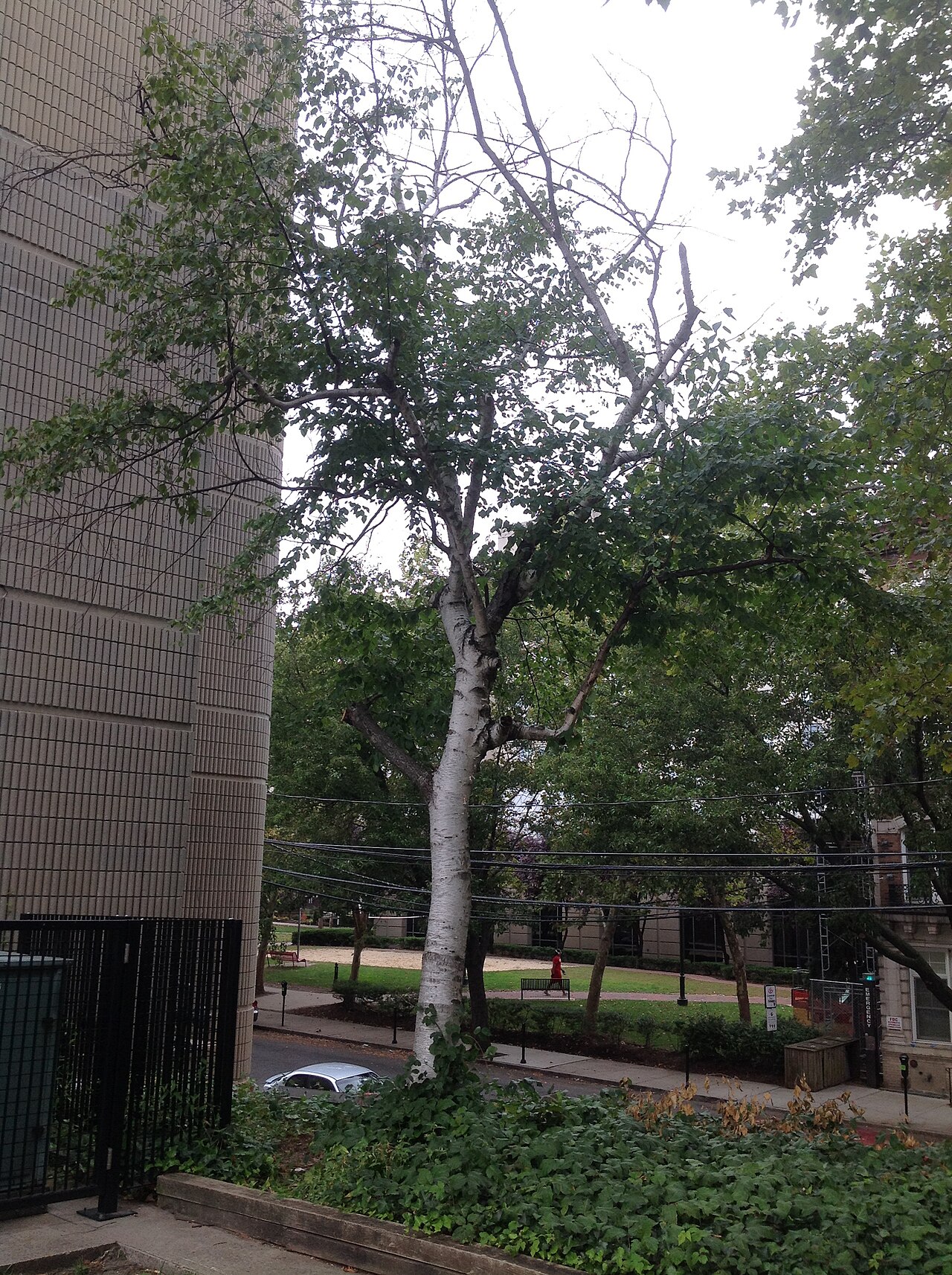
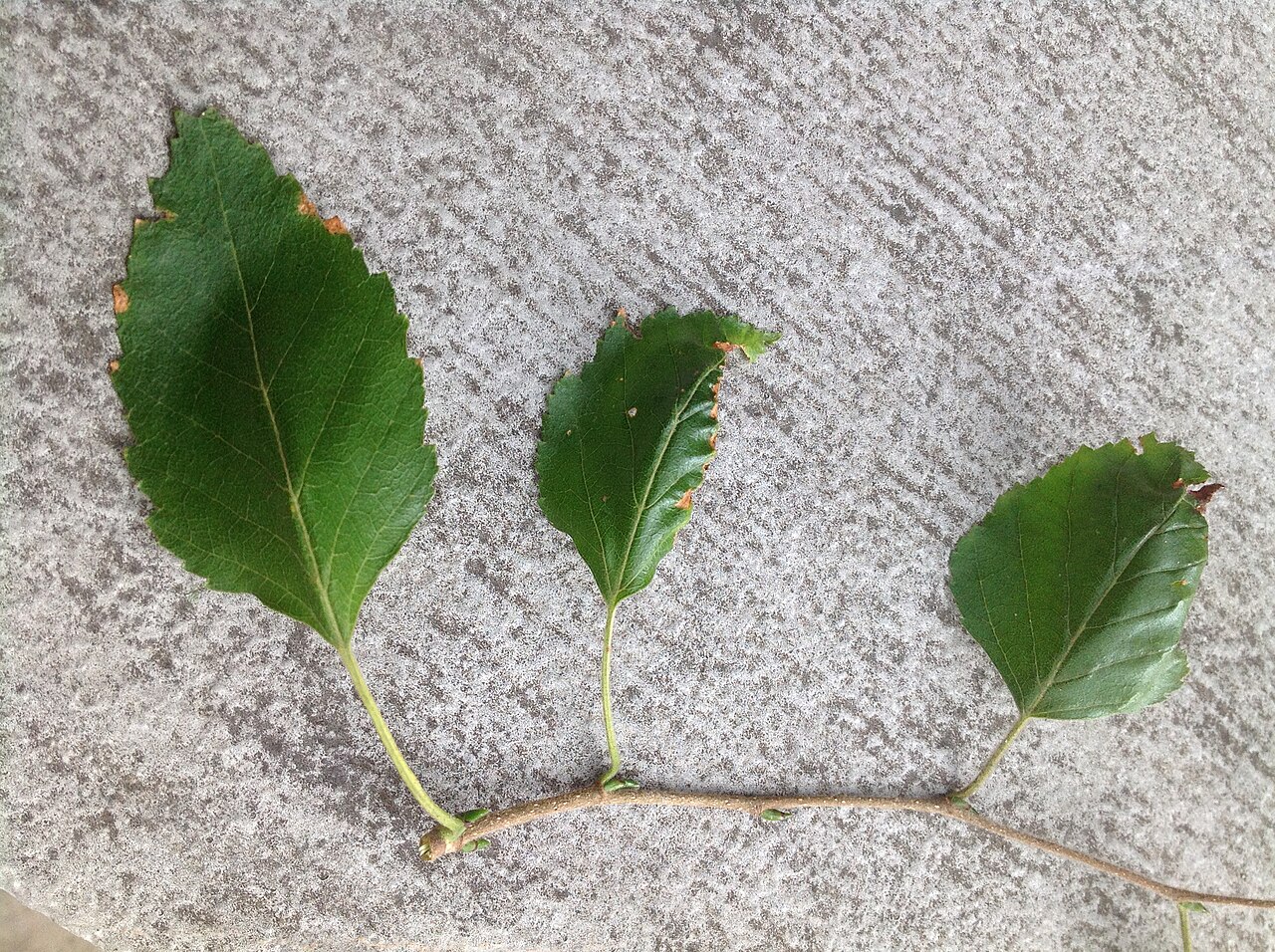
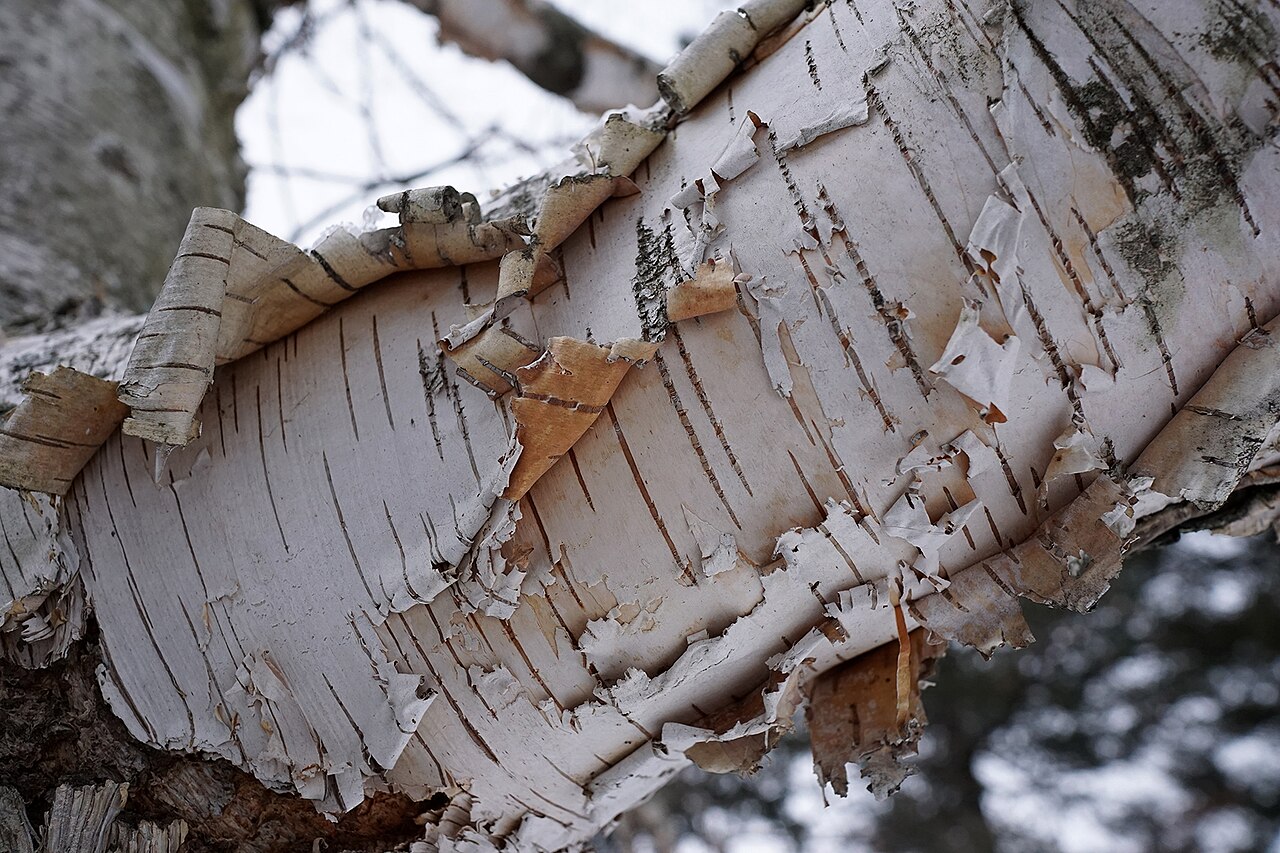
Renaissance Upright — ‘Uenci’, patented as PP12767 — is the Renaissance paper birch for narrow spaces: a fast-growing, narrow, upright selection with good white bark and good resistance to bronze birch borer, in a silhouette roughly half the width of a spreading paper birch. Where Reflection and Oasis need a lawn to broaden into, Upright needs a side yard, a boundary, or a screen row — white bark in a vertical line, gold leaves in fall, and a tree that does not eat the yard it was planted to decorate.
The rest of the paper birch honesty applies unchanged: zones 2 through 7, cool summers, moist soil, mulch over shallow roots, and no Florida planting, however narrow the tree. Within its climate, though, Upright solves the most common paper birch objection — too wide for my yard — while keeping the borer resistance that makes the Renaissance series worth planting at all.
If you have not met the species yet, start with the Paper Birch guide for the whole tree, then come back here for Upright in detail.
How to grow
Plant Upright in spring or fall in moist, well-drained, slightly acidic to neutral soil in full sun to partial shade, with 20 to 25 feet of clearance — narrow for a birch, still a 40- to 50-foot tree, not a hedge to wedge against a wall. Mulch thickly to keep roots cool, water deeply until established and through dry spells, and prune in late summer or fall only; the upright form needs little shaping, just deadwood removal and a watch for any spreading branch that forgets the assignment.
Water & feeding
Water deeply and regularly; a narrow crown still loses plenty of water, and paper birch roots are shallow and thirsty. Mulch, compost at planting, and steady moisture are the program; heavy fertilizer is not, since soft growth invites borers even on a resistant tree.
Common problems
- Bronze birch borer — resisted, not immunized; keep the tree vigorous.
- Heat and humidity south of zone 7 — not a Florida tree, narrow or not.
- Drought stress on shallow roots — mulch and deep watering, especially while young.
- A stray spreading branch — remove it early so the upright form stays upright.
Harvest
The harvest is white bark where a wide birch would not fit: a vertical accent for a side yard, a screen that turns gold in fall, and winter bark visible from the house. Upright is proof that a northern classic can learn to live in a smaller footprint — just not a hotter one.
Saving seeds
Renaissance Upright — ‘Uenci’, patented as PP12767 — is the Renaissance paper birch for narrow spaces: a fast-growing, narrow, upright selection with good white bark and good resistance to bronze birch borer, in a silhouette roughly half the width of a spreading paper birch. Where Reflection and Oasis need a lawn to broaden into, Upright needs a side yard, a boundary, or a screen row — white bark in a vertical line, gold leaves in fall, and a tree that does not eat the yard it was planted to decorate. As a named paper birch it is kept true by grafting, not by seed — seedlings would not hold the narrow, upright form or the borer resistance. Plant Upright in spring or fall in moist, well-drained, slightly acidic to neutral soil in full sun to partial shade, with 20 to 25 feet of clearance — narrow for a birch, still a 40- to 50-foot tree, not a hedge to wedge against a wall. The full method is in the Saving seeds section of the Paper Birch guide.