
🌿 Rhodiola
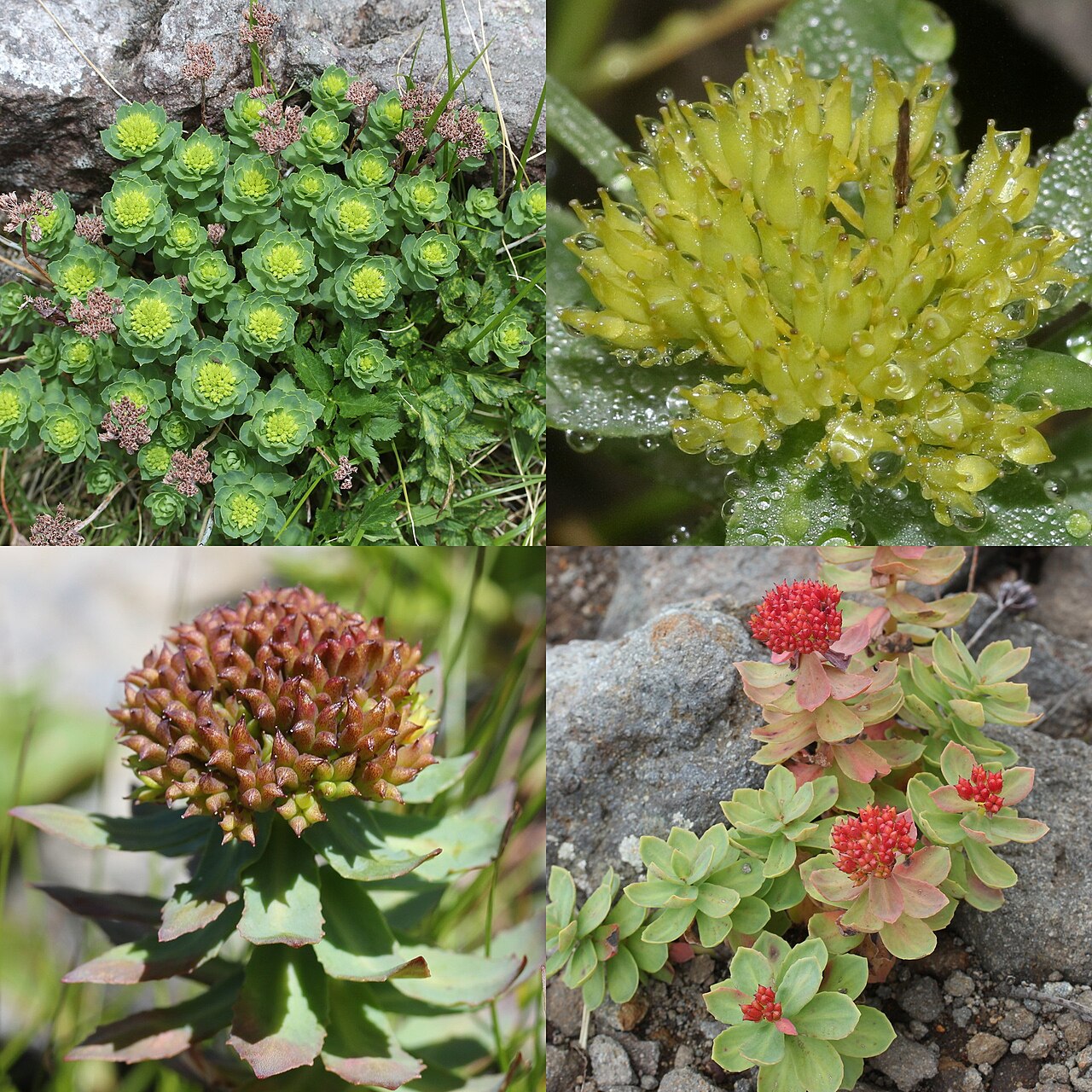
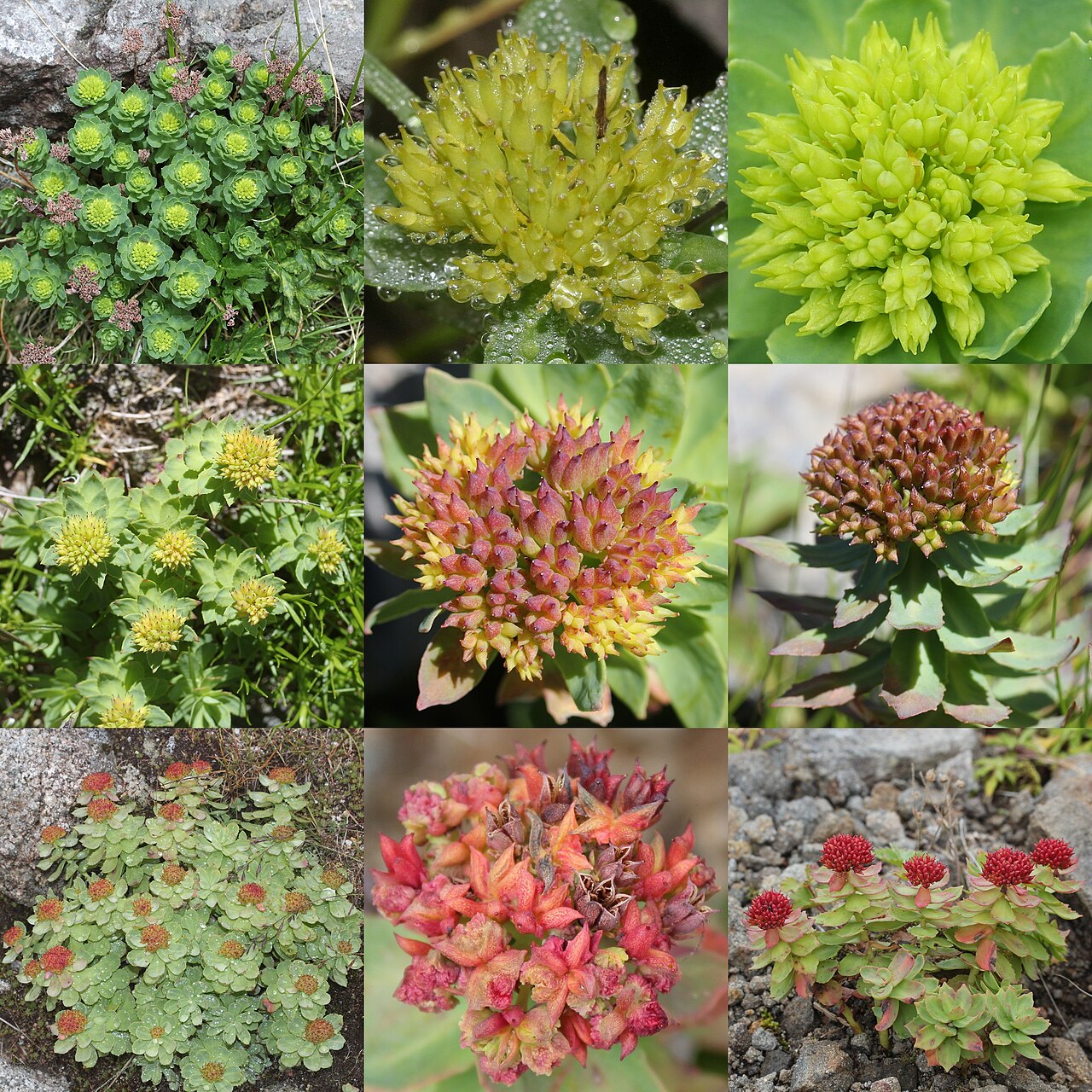
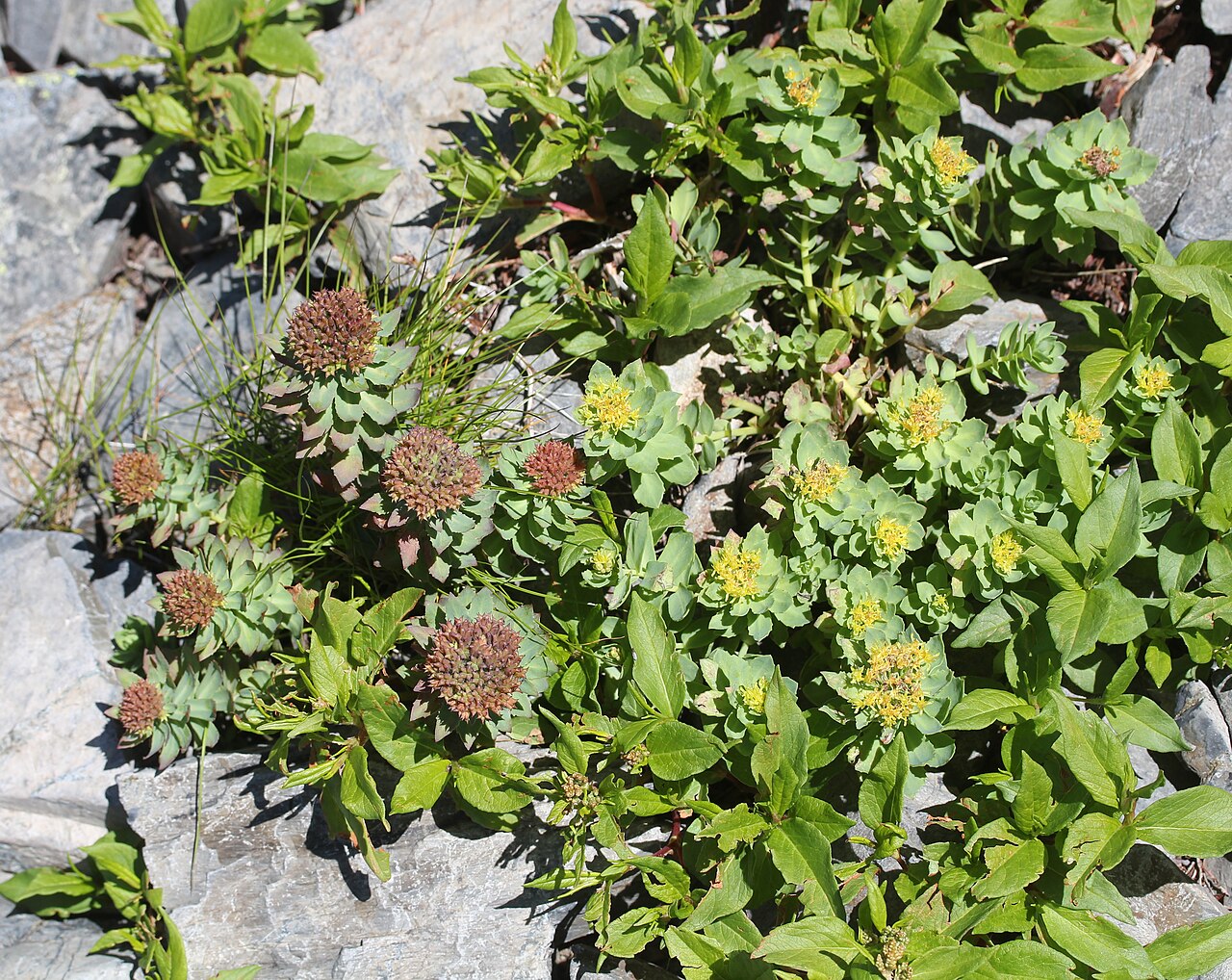
What it looks like
How to grow
Rhodiola, or rose-root, is a small, clumping alpine perennial, 8-12 inches tall, with fleshy, blue-green leaves, clusters of yellow flowers in summer, and a thick rhizome that smells faintly of roses when cut — hence the name. Start from divisions in spring or fall — the reliable route, since seed is slow and variable — or from nursery plants, and plant in full sun to part shade in cool climates, in gritty, well-drained, slightly acidic soil, like a rock garden or raised bed with gravelly mix. It wants cool summers above all else and struggles where summers are hot and humid; in the southern US and Florida, honest advice: rhodiola is a cool-climate experiment, best in a pot with gritty mix in bright shade, and most southern gardeners will have better luck with other adaptogen-family plants. Where summers are cool, it forms a tidy, long-lived patch that bees visit, and it tolerates cold winters easily.
Water & feeding
Water moderately until established, then water sparingly — rhodiola likes steady moisture in cool climates but hates wet feet, so water deeply and let the soil dry between waterings. Feed very lightly, if at all; compost at planting is plenty, and rich soil makes soft growth. Mulch with gravel to keep the crown dry, especially in wet winters.
Common problems
- Heat and humidity — the main limit. In hot climates, grow in bright shade with gritty mix, or skip it for a better-adapted plant.
- Root rot in wet soil — plant in raised beds or rock gardens with sharp drainage, and never let it sit in winter wet.
- Slow growth — expect 3-5 years to a harvestable rhizome, and do not disturb the patch in the meantime.
- Slugs on young leaves in damp spots — hand-pick at dusk; established plants outgrow minor damage.
Harvest
Dig rhizomes only from third- to fifth-year plants in fall, after the tops die back, and replant divisions to keep the patch going. Wash, slice, and dry thoroughly before storing. This guide is about growing only: rhodiola is a popular traditional adaptogen herb, widely sold as a supplement, but the evidence for its effects is mixed and it can interact with medicines — so if you are considering it for health reasons, talk to a clinician first, and do not dose from a garden blog. In the garden, its value is as a tidy, rose-scented, alpine perennial for cool, gritty beds, and that needs no health claim.
Browse all plant & pest guides
Saving seeds
Rhodiola seed needs winter before it will sprout, and it needs to stay cool afterward — which is the whole story of this plant in one sentence. Collect the seed in late summer, when the flower heads have dried and the tiny seeds inside are dark and hard. The seed is very small, so snip whole heads into a paper bag and let them dry a few more days indoors, then rub them gently over a fine screen to free the seed. Store it in a paper envelope in a cool, dry place until you are ready to stratify.
Stratification is not optional. Mix the seed with damp sand or vermiculite in a bag and store it in the fridge — sources disagree on the length, with growers quoting anywhere from 4 to 6 weeks to a full 2 to 3 months at 40°F or colder, so two months is the honest middle of the range. After chilling, surface-sow on a fast-draining, gritty mix and press the seed in lightly — do not bury it, since rhodiola seed needs light to germinate. Keep it moist and cool, around 50 to 65°F, and expect sprouts in two to six weeks. Seedlings grow slowly and do better in a spot sheltered from hot sun and wind, and they need steady moisture without ever sitting wet.
Save seed from a healthy plant with good form, and sow more than you need — germination is uneven, and a generous sowing is the practical approach. Division of a mature rhizome is the faster route if you have a plant to divide from, and it gives you a true copy of the parent, while seedlings vary.
And a Florida note, because it matters: rhodiola is an arctic and alpine plant that wants cool summers, cold winters, and gritty soil, and it is a zones 1 to 7 plant. In Florida it will struggle with the heat no matter what you do, and it needs a real winter chill that most of the state cannot give it. Treat rhodiola seed as a curiosity for a cool-climate friend, not a plant for your own garden — and if you do try it, do it in a pot with a gritty mix, in the coolest, shadiest spot you have.