
🍈 Rollinia
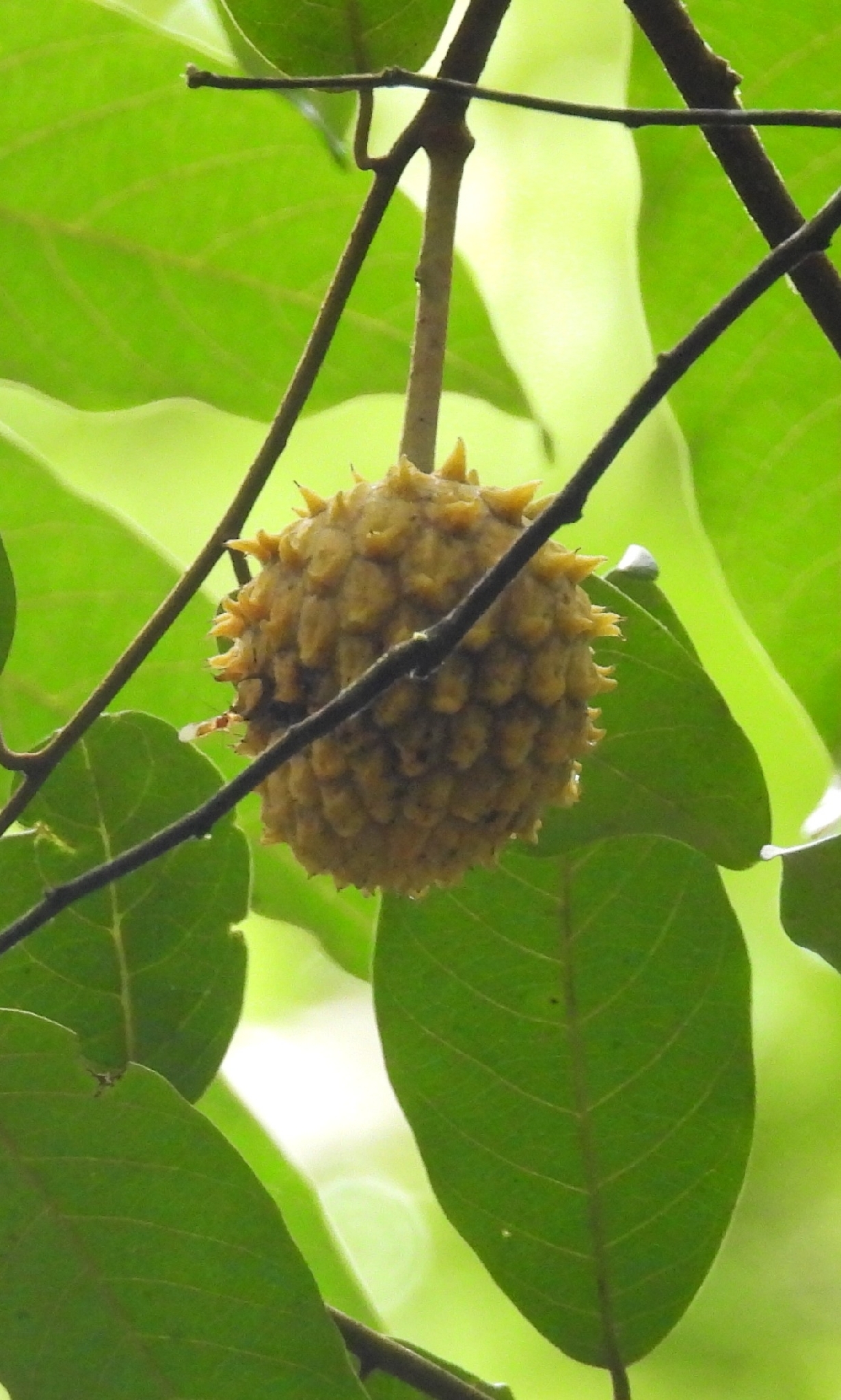
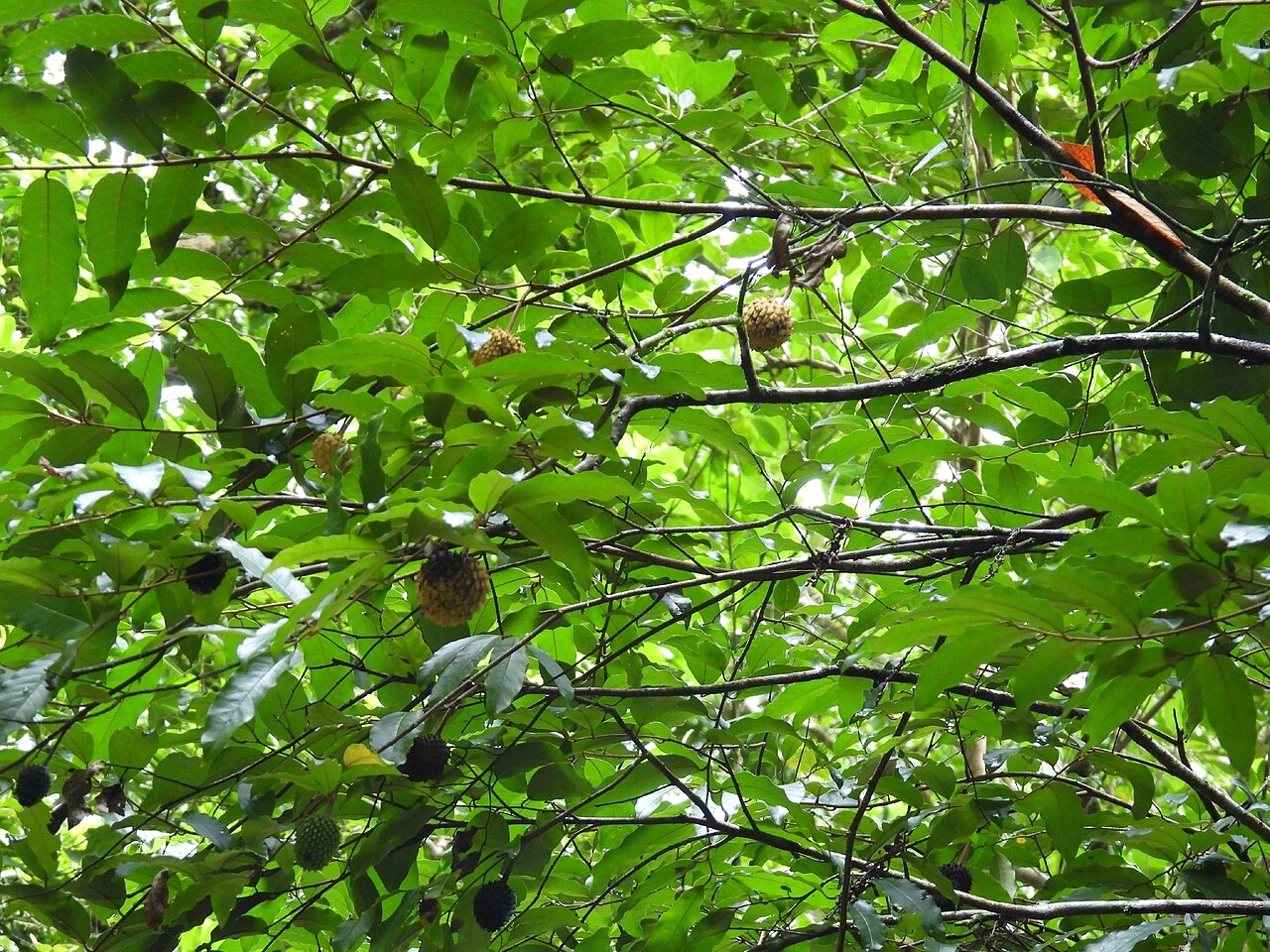
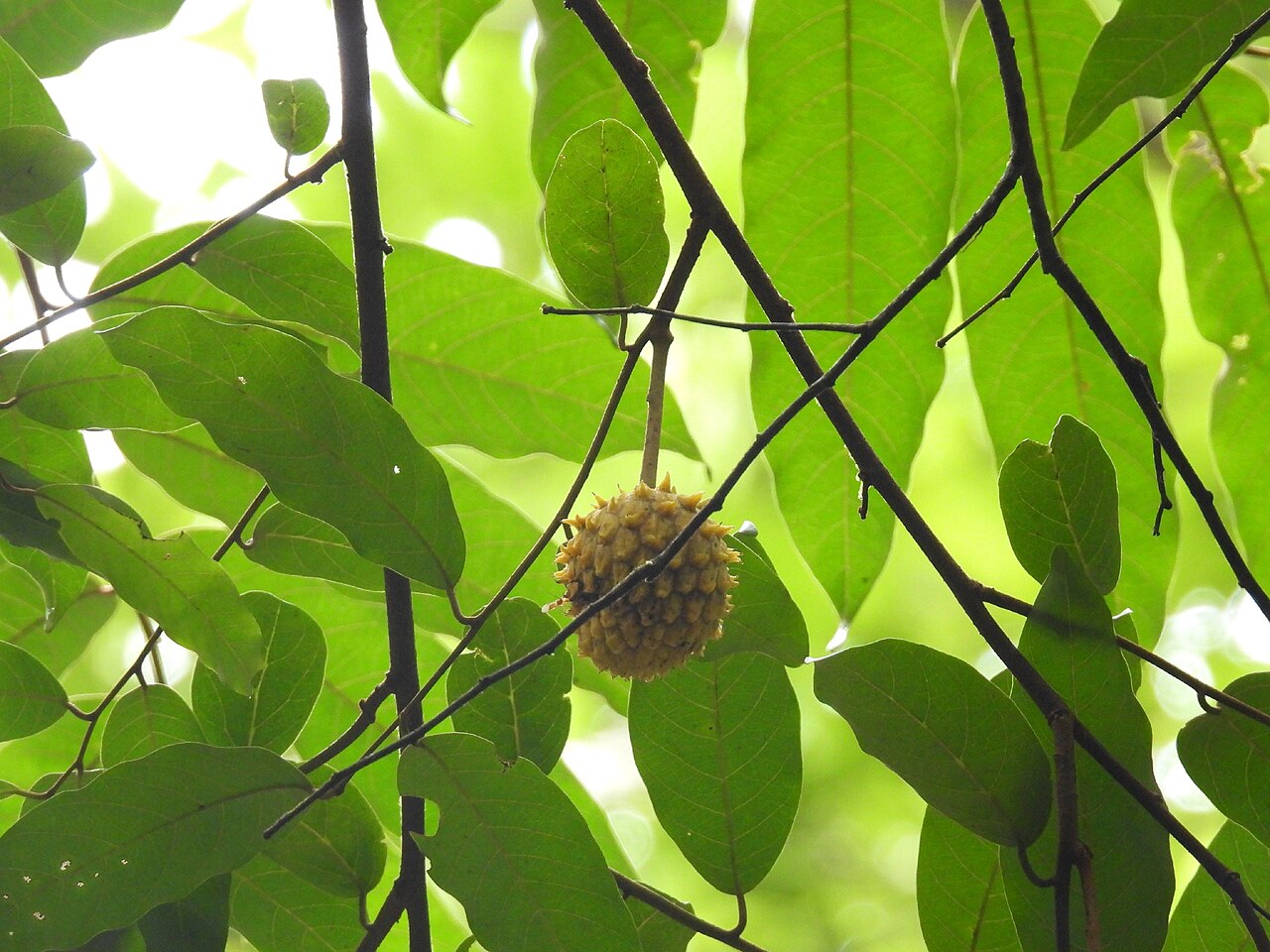
What it looks like
How to grow
Rollinia, also called biriba, is a fast-growing tropical annona tree, now botanically Annona mucosa, bearing large, yellow, spiky fruit with sweet, lemon-scented custard pulp. UF/IFAS notes it as a fast-growing tree for south Florida with an extended warm-season crop and generally few major pest problems. Plant a grafted tree in full sun in fertile, well-drained, moist soil in zones 10-11; it wants warmth, humidity, and steady water, and it dislikes frost and drought alike. Hand-pollination can improve set, and fruit quality varies, so buy a known selection where possible. Prune to keep it at picking height — untended rollinia grows fast and tall — and mulch to hold moisture.
Water & feeding
Water deeply and regularly; rollinia wants consistent moisture, especially while fruit swells. Mulch thickly. Feed several times a year with a balanced fertilizer or compost.
Common problems
- Frost — the hard limit; warm microclimates only.
- Variable fruit quality — seedlings vary; buy grafted selections for reliable flavor.
- Fruit flies — pick promptly and clean up fallen fruit.
- Fast, tall growth — prune annually to keep harvest within reach.
Harvest
Pick when fruit turns fully yellow and softens slightly; it ripens quickly and bruises easily, so handle gently. Scoop pulp away from seeds and eat fresh, or blend into juice and ice cream. Use the same day or refrigerate briefly — rollinia does not store long.
Browse all plant & pest guides
Saving seeds
Rollinia seed comes with a deadline, and it is a short one. Biriba is an annona, and like its cousins it makes seed that loses viability fast once it dries out — growers report that rollinia seed lasts only weeks to a few months, far shorter than sugar apple or atemoya seed. Eat the fruit, clean the pulp off the seeds, rinse them, and sow them fresh, within days. Seed that sits on the counter for a week is seed that will not sprout, and seed bought from a distant seller is often already dead — fresh seed from a fruit you ate yourself is the reliable source.
Sow about half an inch deep in a loose, humus-rich mix and keep it moist and warm, roughly 77 to 86°F. In Florida that is just a warm, bright spot out of scorching direct sun. Fresh seed germinates readily, usually within three to six weeks, though some seed takes longer, so do not give up on a pot at six weeks. Keep the mix damp but never soggy; a seed that dries out is dead, and one that sits in water will rot. If mold appears on the surface, wash it off — surface mold can often be rinsed away, but a seed that has gone soft inside is finished. And do not eat the seeds: like other annonas, rollinia seeds contain acetogenins, compounds that are toxic if eaten. The fruit pulp is the food; the seeds are for planting.
The honest headline is the same one that applies to most fruit trees: a seedling is a gamble, not a copy. Rollinia seedlings vary in fruit size, flavor, and sweetness, and they may take several years to fruit before you find out what you got. If you want a specific variety, grafting is the route — the guide notes that grafted trees fruit sooner and truer. Seed is for the adventure, and rollinia is worth the gamble: it is a fast-growing tree, and seedlings typically bear in three to four years.
Save seed from fruit that was fully ripe and delicious, from a healthy tree, and sow more than you need. In Florida, rollinia is a warm-climate tree for zones 10 to 11, happiest in the southern part of the state, so start seedlings in pots and keep them sheltered through their first cool season. And the storage rule is simple because there is no storage: sow it fresh, or do not bother saving it at all.