
🤍 Rosea Lily of the Valley
What it looks like
Why this variety
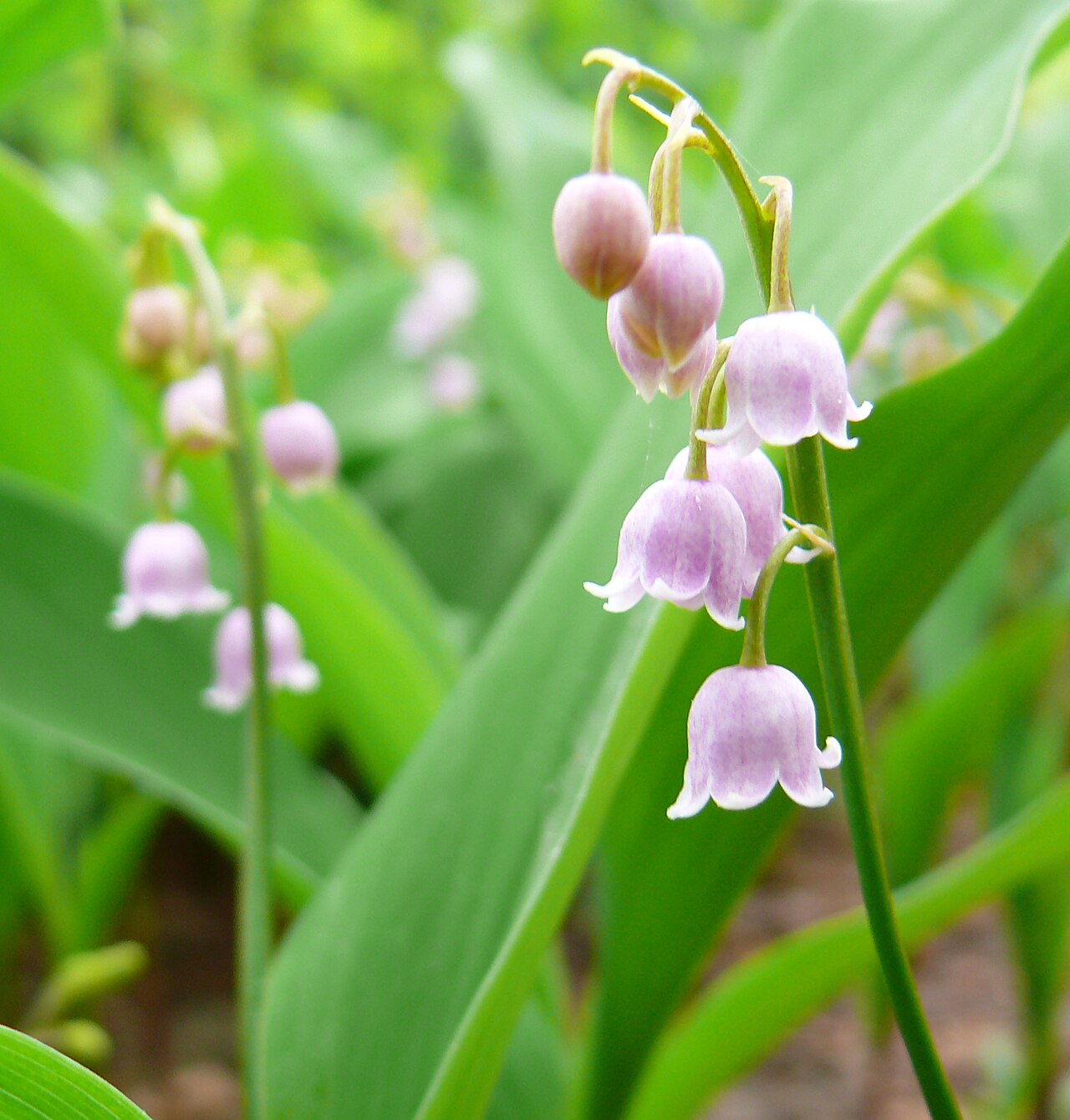
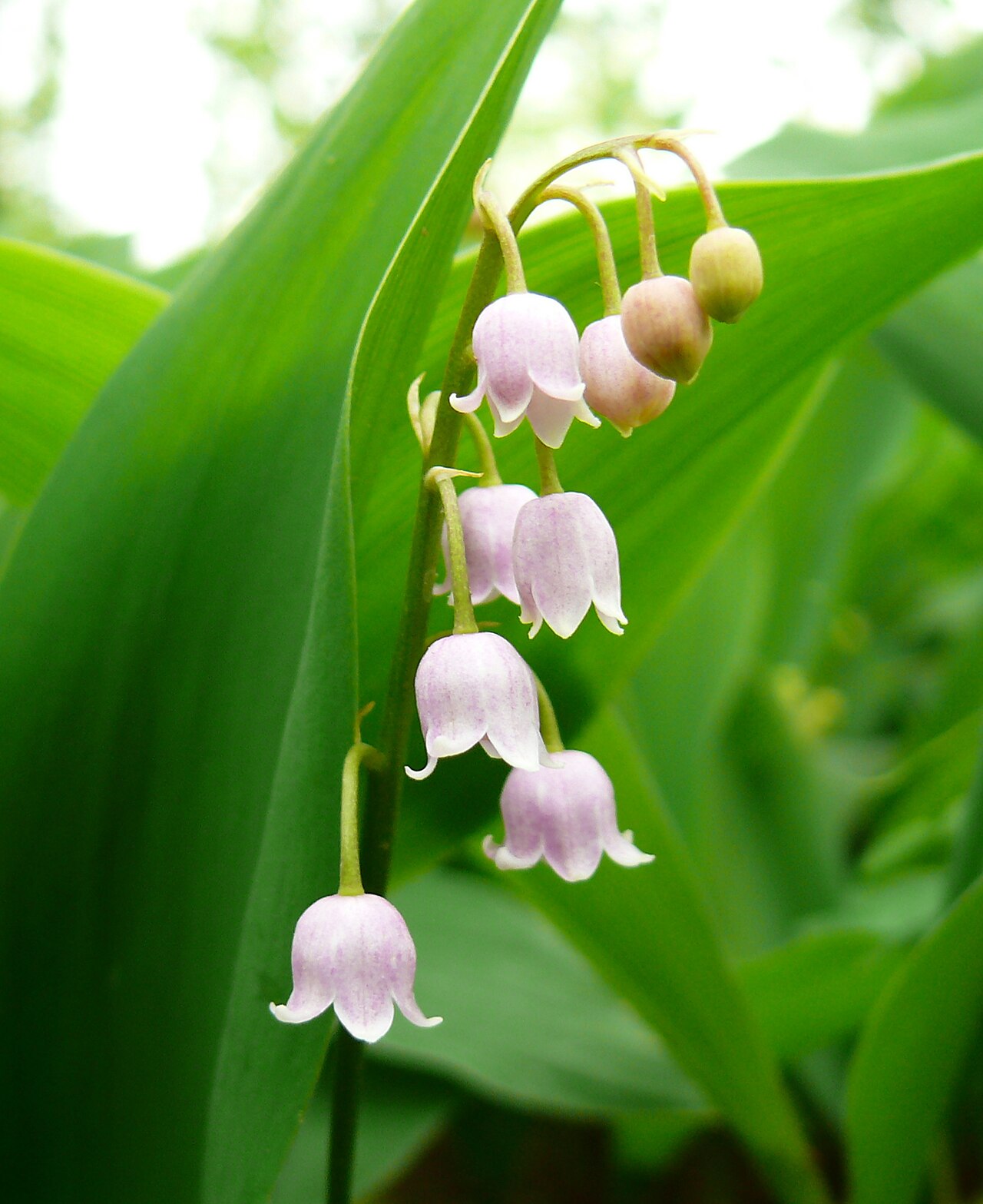
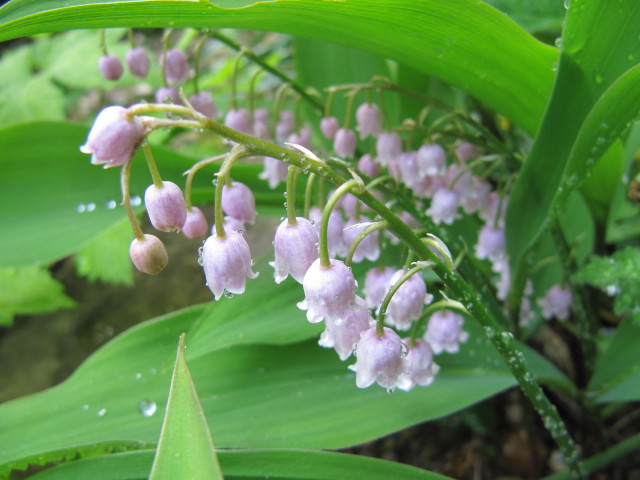
Rosea is the lily of the valley for romantics: the same arching stems of tiny, bell-shaped flowers and the same intoxicating perfume as the classic white form, but in soft, clear pink — a color so unusual in lily of the valley that visitors will ask what it is, and then ask where to get it. It spreads by rhizomes into a fragrant groundcover for shade, blooms in late spring, and pairs beautifully with ferns, hostas, and brunnera in a woodland bed. Pink bells in shade are a small luxury, and Rosea delivers it without any extra work beyond the species’ own needs.
The trade-off is vigor and color stability: Rosea is a little less vigorous than the white species, its pink can fade to near-white in heat or bright light, and it still spreads — happily, sometimes too happily — by rhizomes, so give it a contained bed or an edging it cannot easily cross. It wants rich, moist, shaded soil and a cold winter rest, and it will not forgive dry soil or hot sun. Plant it where its perfume can be enjoyed — near a path, a bench, a window — because scent is half the point.
If you are new to choosing between cultivars, the Varieties Matter guide explains why the name after the plant matters as much as the plant itself. Rosea is a perfect example: it is not just a lily of the valley in the abstract, it is a lily of the valley with a specific job, a specific history, and specific strengths.
Florida honesty, stated plainly: lily of the valley is a North Florida trial only, and a difficult one — it needs winter chill, cool summers, and moist shade, and Florida offers almost none of those. In North Florida, plant it in the coolest, dampest, deepest shade you have, in rich soil, and treat bloom as a triumph. South of the Panhandle, do not bother; plant a native shade groundcover instead and save the money. And everywhere, remember the poison warning below: this is not a plant for a garden where children or pets graze.
How to grow
Plant rhizomes (pips) in fall, just below the soil surface, in rich, moist soil in part to full shade — lily of the valley is a woodland groundcover that wants leaf-mold soil, consistent moisture, and a cold winter rest. Work worm castings and compost into the bed at planting, mulch lightly, and give it a contained bed or edging, because it spreads by rhizomes. Do not plant it where children or pets might taste it: every part is poisonous, including berries and vase water.
Set plants 6-8 inches apart in soil with a pH around 6.0-7.0. Work worm castings into the bed at planting and mulch to hold moisture. A well-fed lily of the valley plant rewards that care directly: steadier growth, better bloom, and a show that actually shows up.
Water & feeding
Keep soil evenly moist but never waterlogged — lily of the valley wants woodland moisture, not swamp and not drought. Water at the soil line, mulch lightly, and feed lightly: castings and compost at planting plus a spring top-dress. After bloom, keep watering through summer, because the foliage feeds next year’s bells, and a bed that dries to dust gives thin bloom next spring.
Common problems
- POISONING — every part is poisonous, including berries and vase water; keep away from children and pets, and seek emergency care at once if any part is eaten.
- Failure to bloom without winter chill — lily of the valley needs a cold rest; in warm zones, treat it as a trial and expect foliage without bells.
- Scorch in sun or drought — browned leaves; give it deep shade and soil that never dries out.
- Overenthusiastic spreading — rhizomes spread freely; contain with edging or a buried barrier, or welcome the groundcover.
- Crown rot in waterlogged soil — lily of the valley wants moist soil, not standing water; improve drainage and do not plant where rain ponds.
Harvest
Cut a few flowering stems for scent indoors in late spring, when bells are fully open — lily of the valley flowers perfume a room for days and suit small, fragrant bouquets. Wear gloves, wash hands after handling, and NEVER let children or pets near cut stems, berries, or vase water, because every part is poisonous. Do not compost berries where children might find them, and divide congested rhizomes in fall, replanting pips just below the surface.
Browse all plant & pest guides
Saving seeds
Rosea is the lily of the valley for romantics: the same arching stems of tiny, bell-shaped flowers and the same intoxicating perfume as the classic white form, but in soft, clear pink — a color so unusual in lily of the valley that visitors will ask what it is, and then ask where to get it. It spreads by rhizomes into a fragrant groundcover for shade, blooms in late spring, and pairs beautifully with ferns, hostas, and brunnera in a woodland bed. As a named lily of the valley it is kept true by rhizomes, not by seed — seedlings would not hold the soft, clear pink bells. Plant rhizomes (pips) in fall, just below the soil surface, in rich, moist soil in part to full shade — lily of the valley is a woodland groundcover that wants leaf-mold soil, consistent moisture, and a cold winter rest. The full method is in the Propagation section of the Lily of the Valley guide.