
🥬 Ruby Red Orach
What it looks like

Why this variety
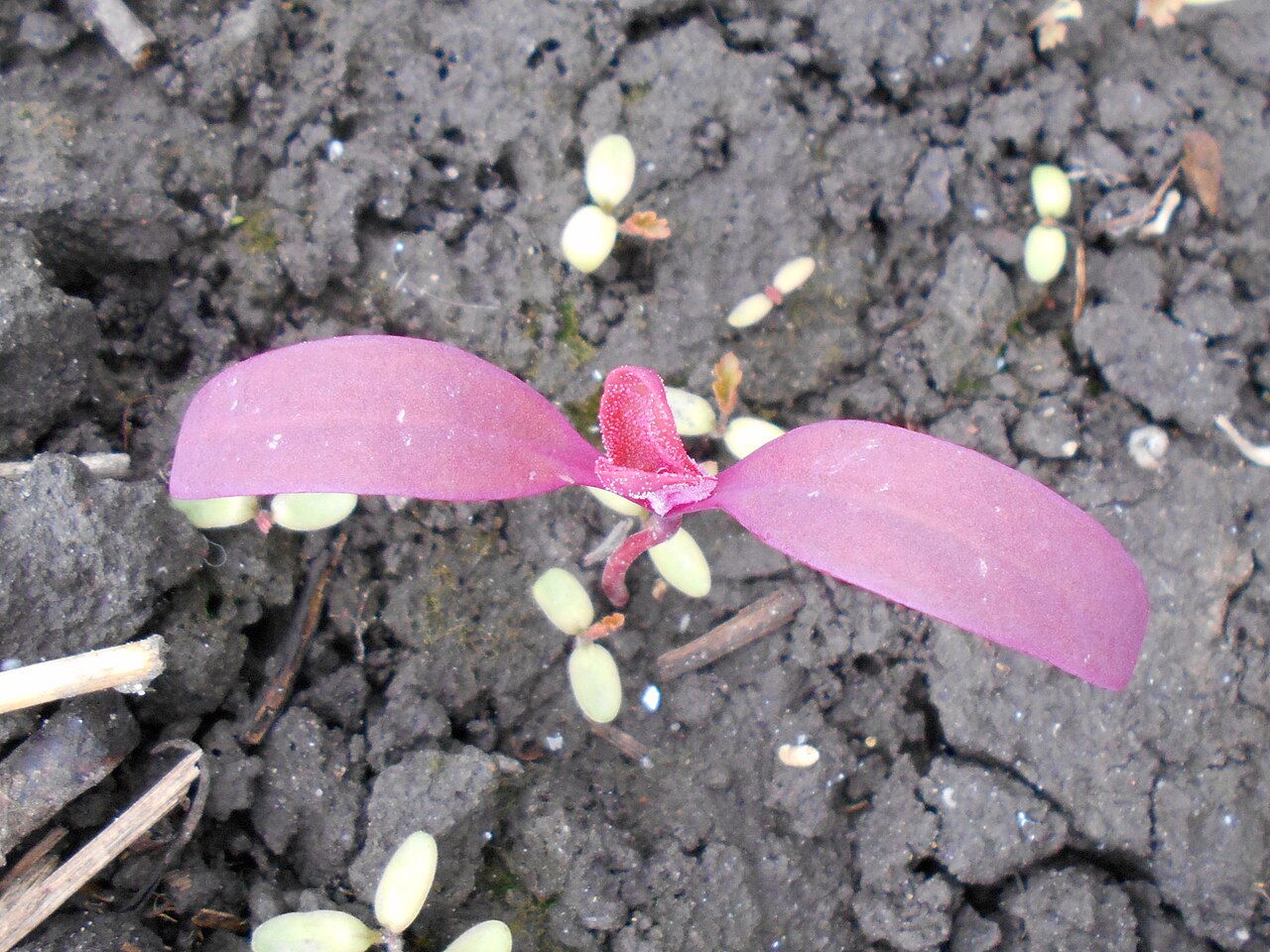
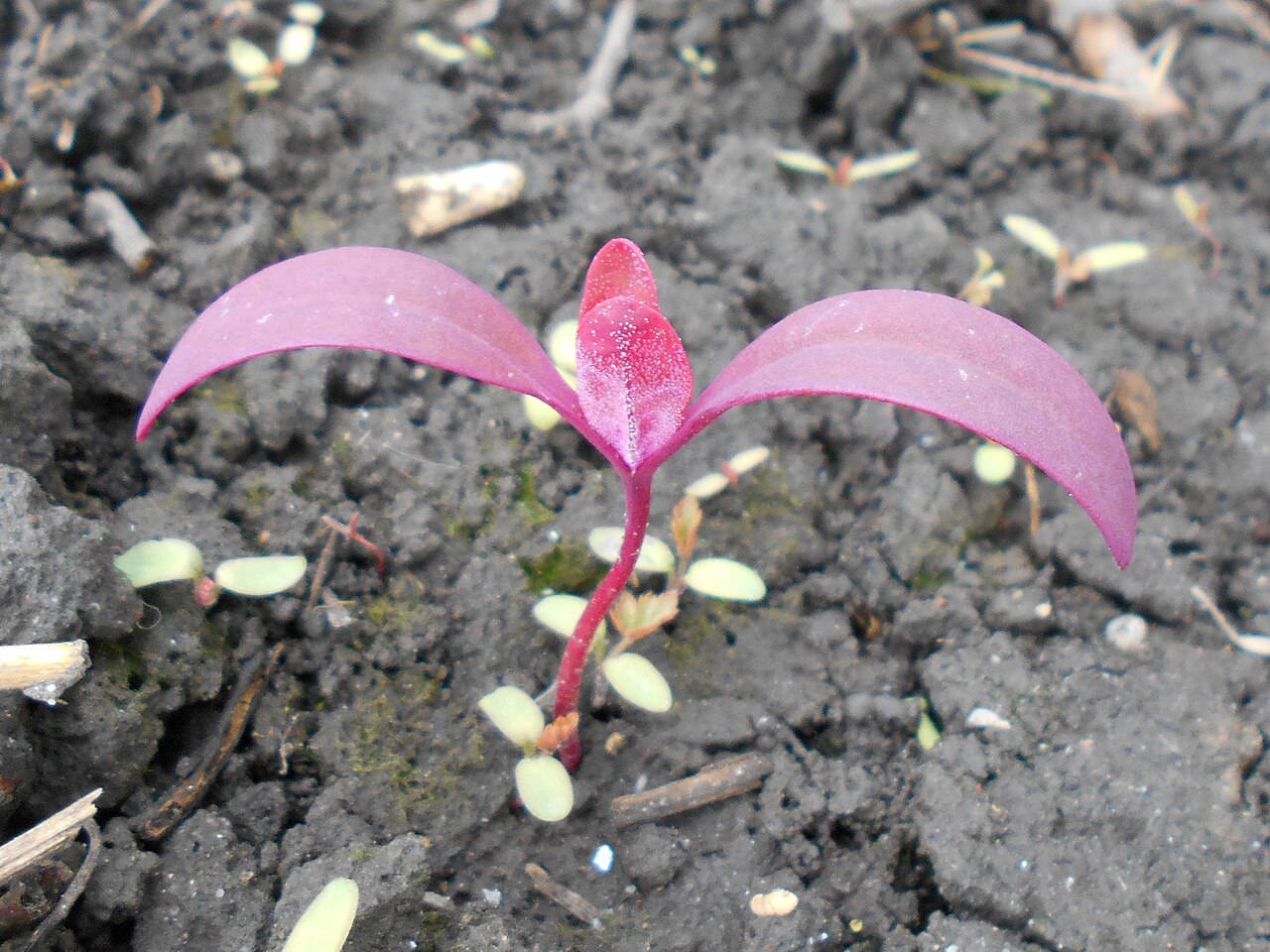
Ruby Red is the orach that sells itself on sight: deep burgundy-red to purple leaves that hold their color in salads, wilt into a rich, earthy green, and make a fall bed look like it was planted by someone with a design degree. It is one of the long-sold red color forms of garden orach — sold as a color strain rather than a single registered cultivar, which is the honest way to describe it — and it has been grown for generations precisely because the color is stable, the flavor is good, and the plant keeps producing when spinach quits.
The flavor is the other half of the pitch: mild, slightly salty, and earthy, with none of the metallic edge that puts some people off spinach. Young leaves are tender enough for salads; older leaves cook down like spinach but hold their texture better, which makes Ruby Red the orach to plant if your household eats greens cooked more often than raw.
If you are new to choosing between cultivars, the Varieties Matter guide explains why the name after the plant matters as much as the plant itself. And if you want the whole clan at a glance, the broader Orach guide covers orach generally.
How to grow
In Florida, orach is the spinach substitute that does not faint at the first warm day: sow it from fall through spring for the main crop, and it will keep producing leaves where true spinach has already bolted and sulked. It tolerates heat better than spinach and shrugs at light frost, which makes it a bridge crop for the shoulder seasons. In summer, give it afternoon shade and steady water and treat it as a trial — it may power on, or it may decide to flower, and either way you will have learned something for next year.
Direct-sow in fall through spring, thinning to about 12 inches apart, or start indoors and transplant. Orach grows fast and tall — plants can reach several feet if you let them flower — so pick leaves often to keep it leafy, and succession-sow every few weeks for a steady supply. In summer, give it afternoon shade and steady water; a plant allowed to bolt gives you seed, which is a fine second harvest if you want it.
Water & feeding
Orach is famously unfussy about water once it is up, but the leaves stay tenderest with steady moisture — a drought-stressed plant turns tough and rushes to seed. Mulch, water in dry spells, and feed lightly; this is a plant that grows in poor soil, but it tastes better in good soil.
Common problems
Aphids may colonize the growing tips, and leaf miners can trace their wandering lines through the leaves — neither usually ruins the crop, and picking affected leaves handles most of it. Bolting is the real management job: orach flowers readily in heat and long days, so harvest young leaves often and succession-sow rather than nursing one plant all season.
Harvest
Pick young leaves as needed once the plant is a hand high, or cut whole young plants for cooking greens. If you let a plant go to seed, the seeds are edible too — dried and cooked like a tiny grain — and a patch that self-seeds gives you next season’s crop for free, which is either a feature or a weed depending on where it lands.
Nerdy fact: Orach is in the amaranth family, not the spinach family, though it has been spinach’s understudy since Roman times — and the red color is the same kind of pigment that makes beets red, which is why a Ruby Red leaf stains a salad the way beet juice stains a cutting board.
Saving seeds
Ruby Red is the orach that sells itself on sight: deep burgundy-red to purple leaves that hold their color in salads, wilt into a rich, earthy green, and make a fall bed look like it was planted by someone with a design degree. It is one of the long-sold red color forms of garden orach — sold as a color strain rather than a single registered cultivar, which is the honest way to describe it — and it has been grown for generations precisely because the color is stable, the flavor is good, and the plant keeps producing when spinach quits. As an open-pollinated orach it comes true from seed: in Florida, orach is the spinach substitute that does not faint at the first warm day — sow it from fall through spring for the main crop, and it will keep producing leaves where true spinach has already bolted and sulked. Direct-sow in fall through spring, thinning to about 12 inches apart, or start indoors and transplant. The full method is in the Saving seeds section of the Orach guide.