
🌿 Salad Burnet
What it looks like
How to grow
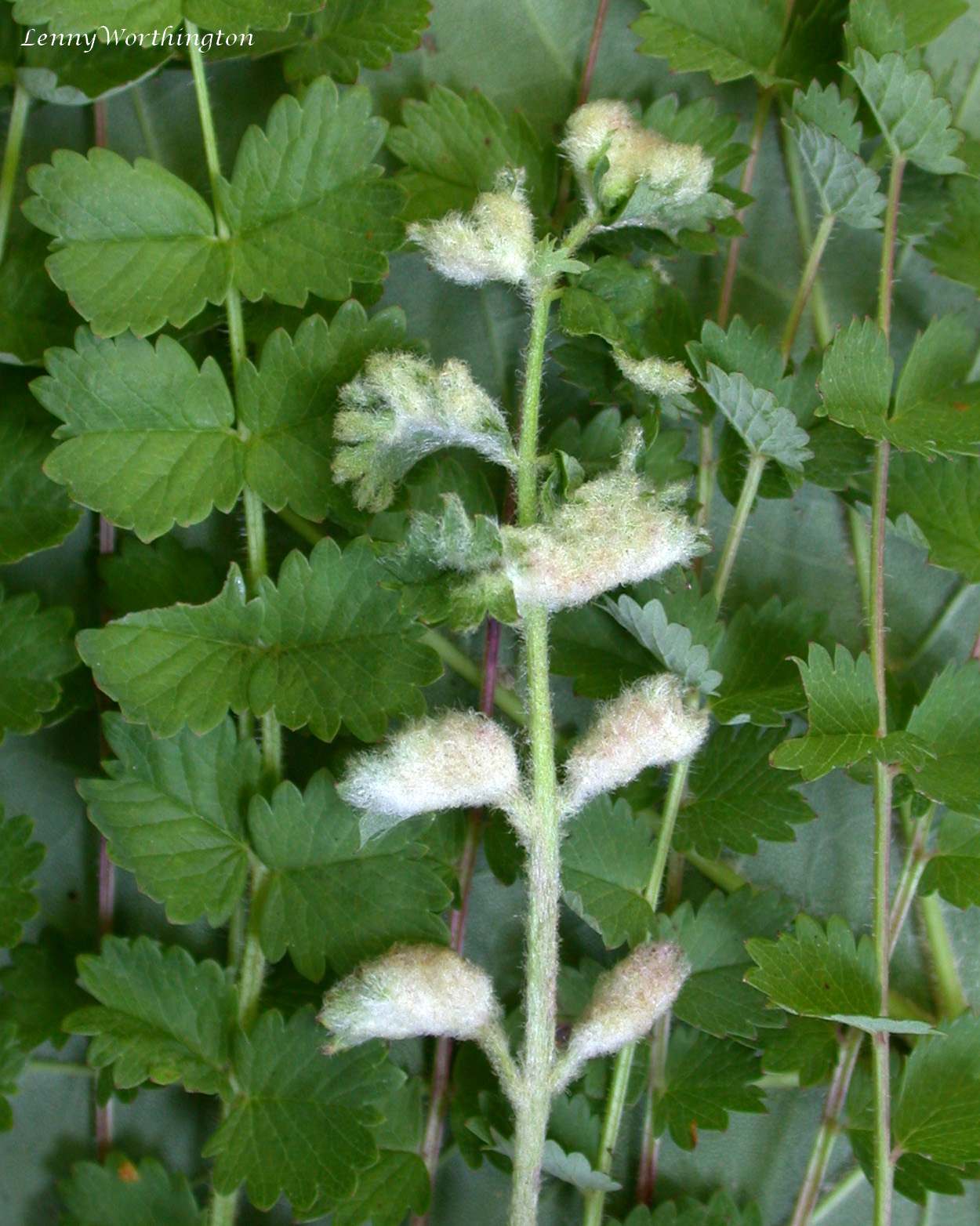
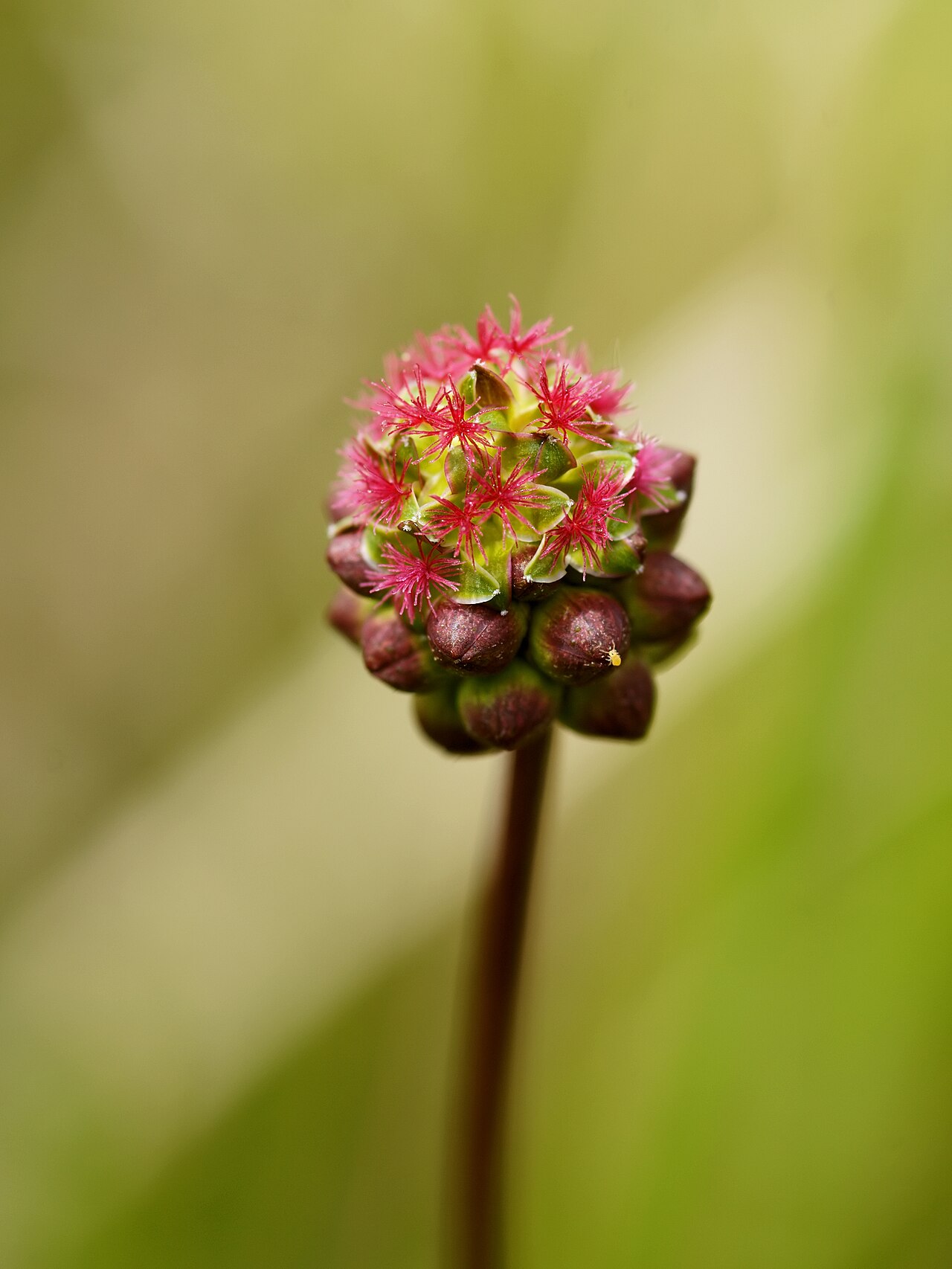
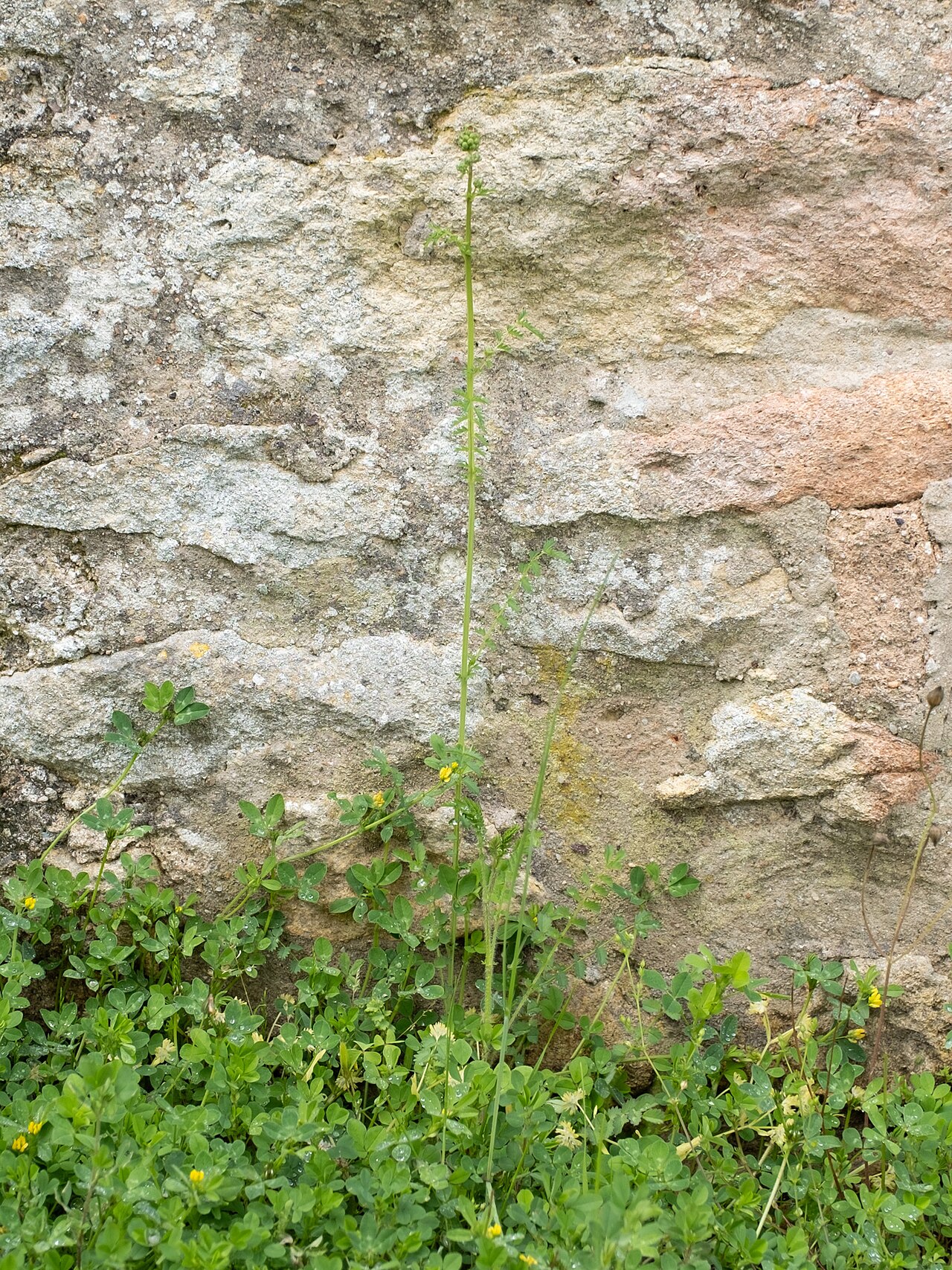
Salad burnet is a low, clumping perennial with pinnate leaves that taste remarkably like cucumber — cool, mild, and fresh — making it a salad herb for gardeners who want cucumber flavor without a cucumber vine. Young leaves are best, chopped into salads, butter, cream cheese, and cold soups; older leaves get tough and bitter, so regular picking is both harvest and maintenance. Salad burnet is tough and undemanding: it tolerates poor, dry, even chalky soil, prefers full sun to part shade, and stays green in winter in mild climates. Start from seed sown in spring or fall, or from nursery plants and division; seed germinates readily. Plants form neat clumps about a foot tall, with unusual reddish flower heads that should be cut off if you want leaves rather than seed — flowering makes leaves tougher. Salad burnet is a classic cottage-garden herb that fell out of fashion, which is a pity, because few herbs deliver so much flavor for so little work. In hot climates, give it afternoon shade and steady water to keep leaves tender.
Water & feeding
Keep soil lightly moist, about half an inch to an inch a week; salad burnet tolerates drought once established but produces more tender leaves with steady water. It is a light feeder: worm castings at planting is plenty. Avoid rich soil, which makes soft growth with less cucumber flavor.
Common problems
- Tough, bitter leaves if neglected — harvest young leaves often and cut flower stalks promptly.
- Self-seeding — deadhead flower heads if you do not want volunteers.
- Crown rot in waterlogged soil — use well-drained soil and avoid soggy spots.
- Aphids on young growth — blast with water; plants usually outgrow them.
Harvest
Harvest young outer leaves as needed once plants are established, taking no more than a third at once. Use fresh leaves promptly — salad burnet loses its cucumber note when dried, so it is a fresh-use herb. Chop leaves into salads, mix into soft cheese or butter, or float them in cold drinks. For the best flavor, pick leaves in the morning and use them the same day.
Browse all plant & pest guides
Saving seeds
Salad burnet seed is easy to save — the plant makes it in abundance, and it practically falls into your hand. Let a few flower heads stay on the plant instead of cutting them back: after the small round green flower heads fade, they dry and turn brown, and the seeds ripen inside them. When the heads are dry and papery, snip them into a paper bag and let them finish drying indoors. Rub the heads gently to free the small seeds, winnow away the chaff, and store the seed in a paper envelope in a cool, dry place. Salad burnet seed keeps for several years when it is dry.
Sow in spring or fall, when the weather is cool. Salad burnet germinates best around 60 to 70°F, so sow about a quarter inch deep in a moist, well-draining mix and keep it moist and cool. Germination usually comes in one to three weeks. Seedlings grow steadily once they are up, and they can be harvested lightly in their first season. Salad burnet self-seeds freely in the garden, so a patch you plant once will often return on its own for years — which is a feature if you love the cucumber-flavored leaves and a small matter of deadheading if you do not.
Save seed from plants that were vigorous, healthy, and heavily productive — the ones with the fattest, most flavorful leaves — and sow more than you need. Salad burnet is a perennial, so a plant you grow from seed will keep giving for years, and it will cross with other salad burnet in the neighborhood, so if you grow several types for seed in the same season, your saved seed may produce plants that are a mix. For a salad herb, a little mixing does not matter much.
In Florida, salad burnet grows best in the cool season, with sun and good drainage, so start seedlings in pots and plant them out in fall for leaves through winter and spring. It will fade in the summer heat, and that is normal — let it rest, or let it go to seed and start again in fall. And dry your seed thoroughly before storing it, because our humidity is the enemy of stored seed.
Varieties
Every named variety of Salad Burnet with its own growing guide:
- Delar Salad Burnet — The forage-bred burnet: a selected, drought-tougher small burnet with lush green growth and strong seed production, from a 1981 USDA release.