
🦂 Scorpiontail
What it looks like

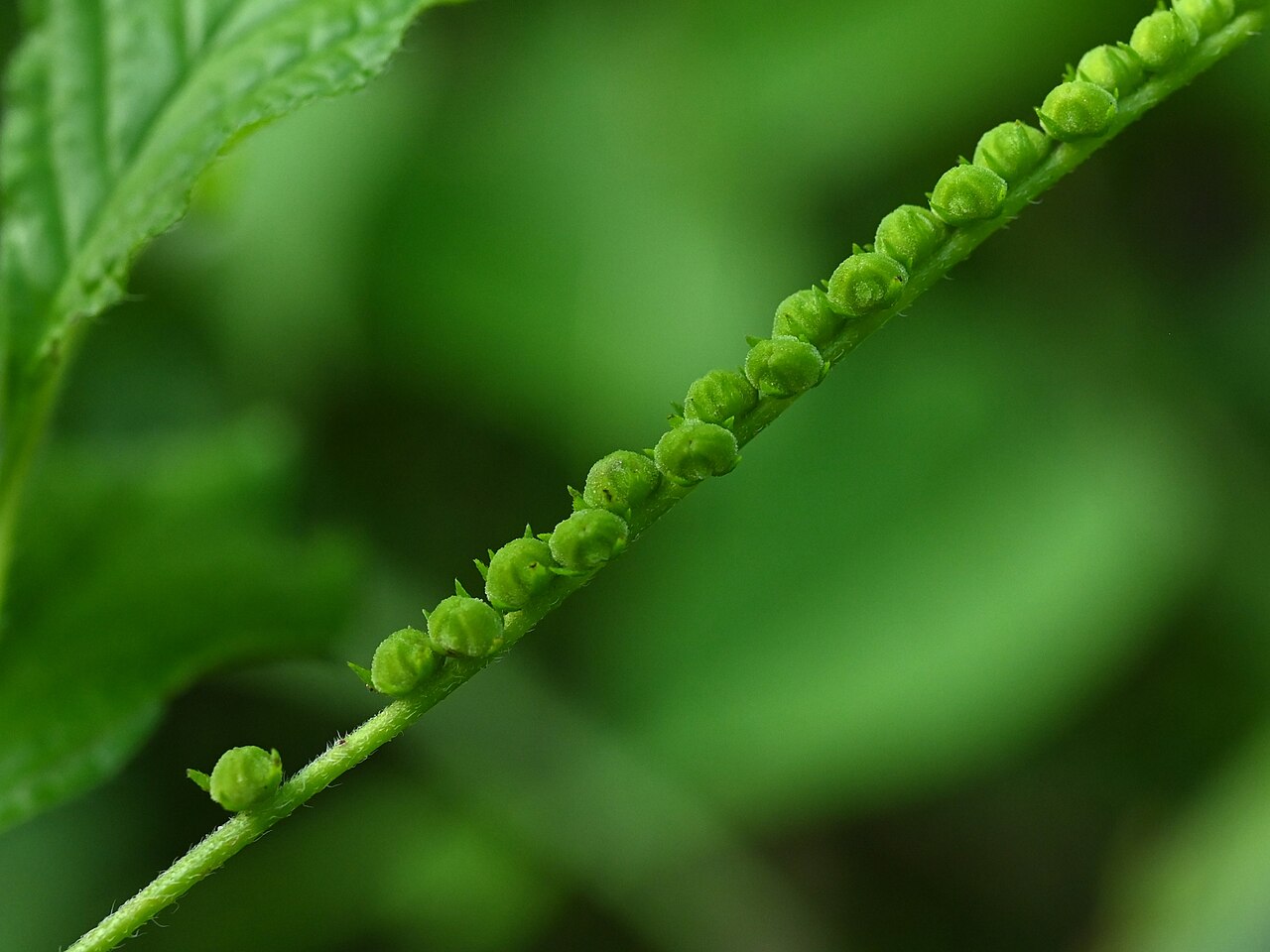
Scorpiontail is a native heliotrope, a member of the genus Heliotropium, whose name means sun-turning, and it earns that name in a small, charming way: its flowers are borne in curled spikes, called scorpioid cymes, that uncurl as they bloom, like a scorpion’s tail straightening out, which is where the common name comes from. The flowers themselves are small, white, and clustered along the curl, and the plant as a whole is a low, spreading wildflower of coastal and sandy ground, with rough, hairy foliage and a sprawling habit that suits a sunny border edge or a coastal garden.
It is a Florida native of coastal areas, and it shares the heliotrope family’s reputation for butterfly value: the genus as a whole is on the Wandering Skipper’s nectar list, and scorpiontail’s small white flowers are visited by butterflies and bees in coastal gardens. It is not the vanilla-scented garden heliotrope, Heliotropium arborescens, which is a different species grown for perfume; scorpiontail is the wild, salt-tough cousin, grown for toughness and wildlife, not for scent.
Why this variety
Choose scorpiontail when the site is coastal, sandy, sunny, and a little wild, and you want a native wildflower that blooms for most of the year without asking for much. It tolerates salt, sand, and sun, it spreads into a low groundcover that flowers along its curls, and it feeds butterflies and bees in a coastal garden where many garden flowers struggle with salt spray. It is a plant for the edge of the garden, the coastal border, and the butterfly garden that needs a tough, low, white-flowered filler.
It is also a plant that teaches a botanical word worth knowing: scorpioid cyme, the curled flower spike that uncurls as it blooms, which is a flowering strategy that protects buds at the tip while opening flowers along the curl, so the plant always has both buds and blooms at once. Once you see it, you will recognize it in other heliotropes and forget-me-nots, which share the same trick.
How to grow
Plant in spring in full sun to part shade and well-drained, sandy soil, spacing 18 to 24 inches apart, and let it spread into a low groundcover. Water to establish, then sparingly; it is salt-tolerant and drought-tolerant once rooted, and it does not want rich, wet soil. Cut back lightly after a flush of bloom to encourage more curls, and let it self-seed lightly in a coastal or wild garden, or deadhead if you want to keep it contained in a formal bed.
Florida note: scorpiontail is a Florida native of coastal areas, and it is a genuine Florida plant for coastal gardens in central and south Florida, where its salt tolerance and long bloom season are assets. In north Florida, trial it in a protected, sunny spot, and do not expect it to survive a hard freeze; in the far south, it will bloom for most of the year with almost no care, which is the coastal gardener’s dream.
Water & feeding
Water to establish, then sparingly. Scorpiontail wants well-drained, sandy soil and tolerates salt and drought once rooted. Do not overwater or fertilize heavily; lean, sunny conditions keep it compact and flowering.
Common problems
Too wet: well-drained sand is essential. Soggy soil rots it.
Frost: a warm-climate native, best in zones 9 through 11. In colder gardens it is an annual or a container plant moved to shelter.
Legginess in shade or rich soil: full sun and lean soil keep it low and flowering.
Self-seeding: light, not aggressive. Deadhead if you do not want seedlings.
Harvest
No food harvest. The harvest is the long bloom: cut curls for small, wildflower bouquets, leave flowers for butterflies and bees, and let the plant spread as a low, white-flowered groundcover in a coastal garden. For propagation, take cuttings or sow seed in spring, and share divisions with coastal gardening friends.
Browse all plant & pest guides
Saving seeds
Scorpiontail seed is easy to save — the plant makes it in abundance, and it practically falls into your hand. After the curled white flower spikes fade, small dry seed capsules form along the stems, and when they turn tan and papery, snip the whole stem into a paper bag and let it finish drying indoors. Rub the stems gently to free the small seeds, winnow away the chaff, and store the seed in a paper envelope in a cool, dry place. Scorpiontail seed keeps for a few years when it is dry.
Sow in spring, when the weather is warm. Scorpiontail seed germinates best around 70 to 80°F, so sow on the surface of a moist, well-draining mix and press the seed in lightly — do not bury it, since the seed needs light to germinate. Keep it moist and warm, and expect sprouts in one to three weeks. Seedlings grow fast once they are up, and they can bloom in their first season if they are sown early enough. Scorpiontail self-seeds freely in coastal and dry spots, so a patch you plant once will often return on its own for years — which is a feature if you love the native wildflower and a small matter of deadheading if you do not.
Save seed from a healthy plant with good form and heavy flowering — the curled white spikes that give scorpiontail its name — and sow more than you need. Scorpiontail is a Florida native, so seed you save is seed of a plant that belongs here, and it will cross with other scorpiontails in the neighborhood, though for a wildflower a little mixing does not matter much.
In Florida, scorpiontail is in its element: it is a salt-tough native wildflower for coastal gardens, and it tolerates sun, drought, salt, and poor soil. Start seedlings in pots and plant them out once they are sturdy, in a spot with sharp drainage and room to spread. And dry your seed thoroughly before storing it, because our humidity is the enemy of stored seed.