
🏖️ Sea Oats
What it looks like
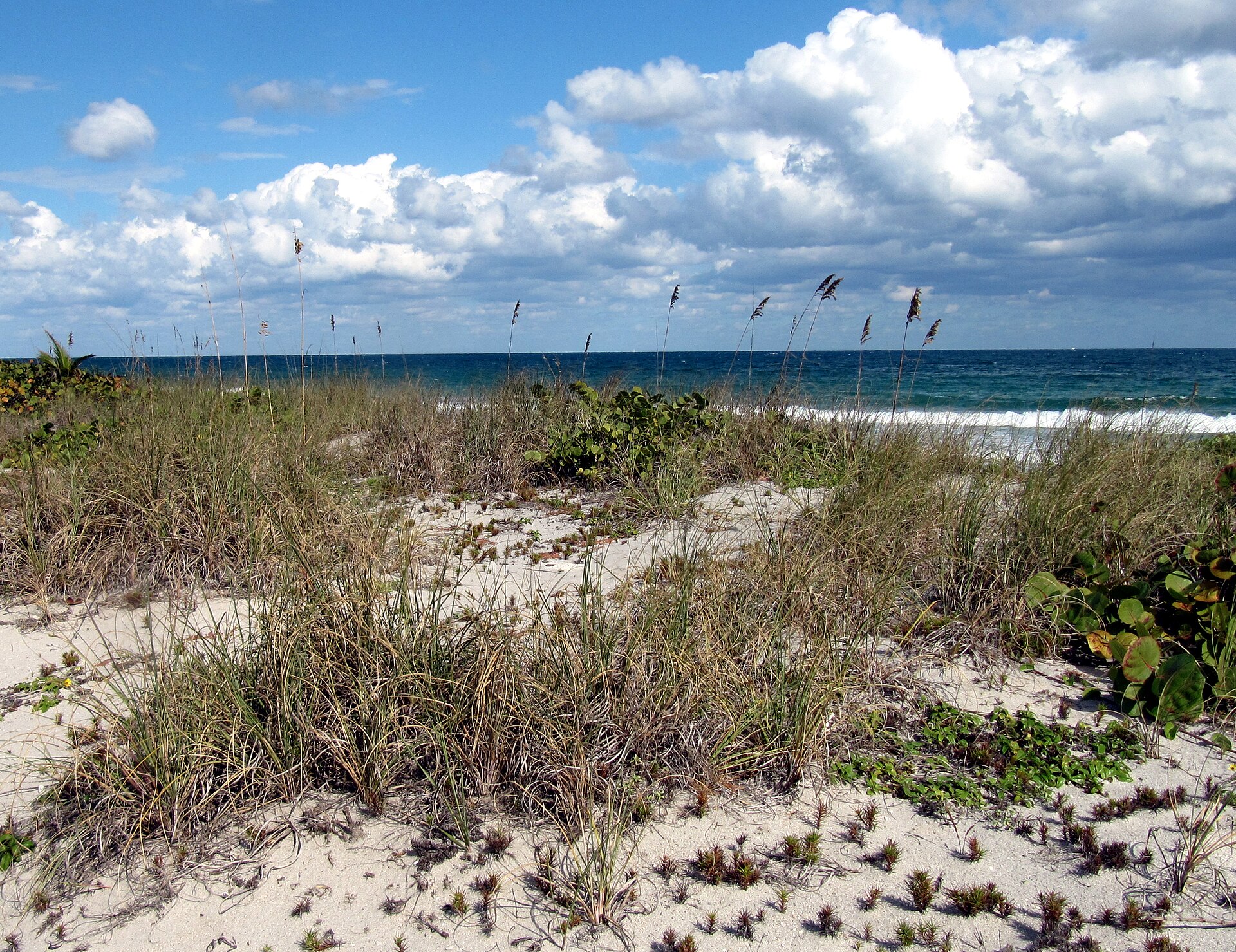
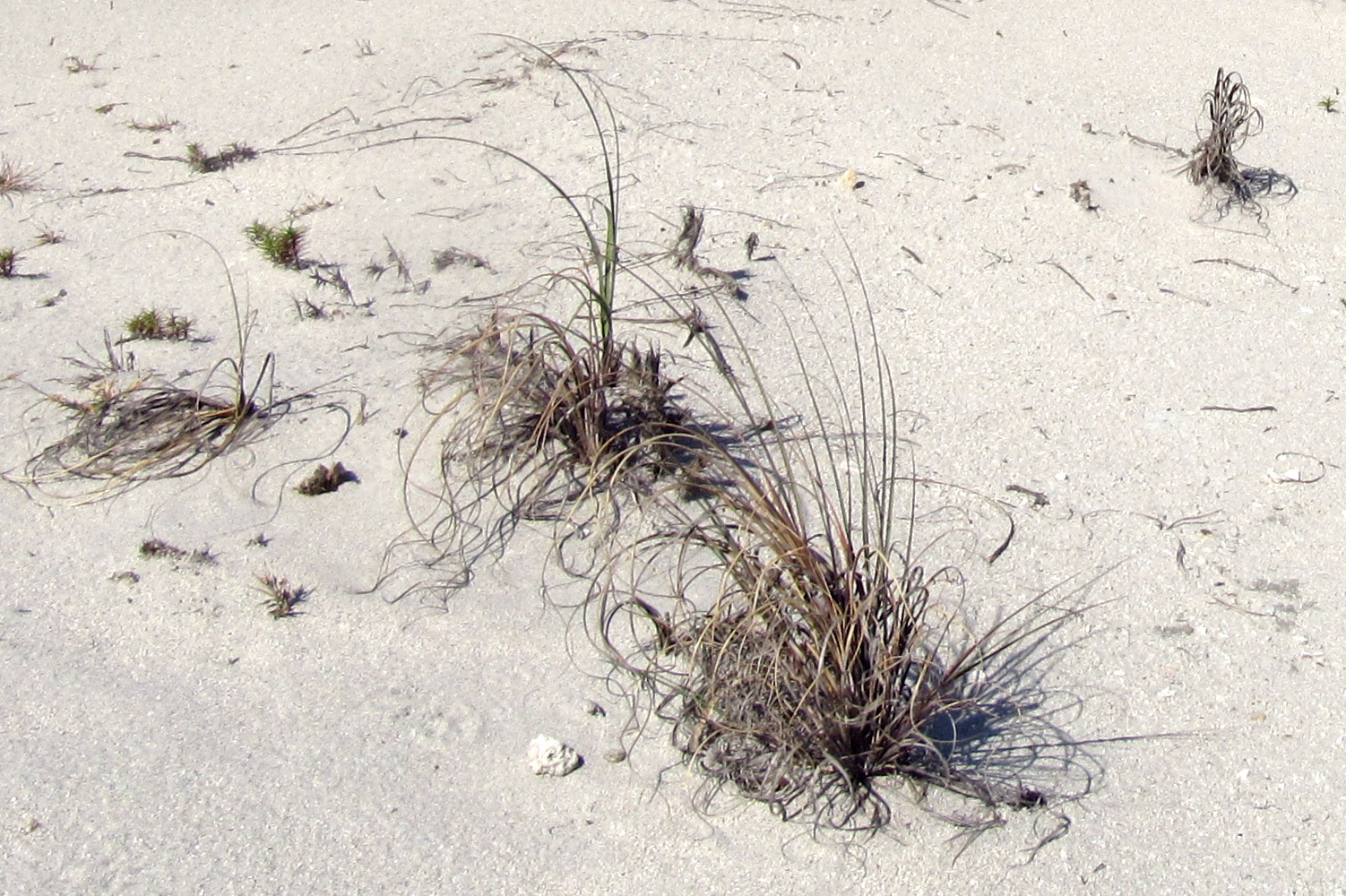
Sea oats is a tall, clumping grass with arching stems topped by graceful, oat-like seed heads that catch the light and move in the wind. It grows 5 to 8 feet tall in flower, with long, narrow leaves that trap wind-blown sand and build dunes around themselves, which is exactly what they evolved to do.
On a dune, sea oats forms a community, not just a plant: its deep roots and spreading rhizomes hold sand in place, its leaves slow the wind so more sand drops, and its seed heads feed birds. A dune without sea oats is a dune that washes away; a dune with sea oats is a dune that grows.
Why this variety
Choose sea oats only if you garden on or immediately behind a coastal dune, where it belongs. It is not a general garden grass: inland, away from salt spray and loose sand, it will not thrive, and planting it there wastes a plant that is needed on the coast.
It is also a legal and ecological responsibility: sea oats are protected in Florida and other coastal states, and picking, cutting, or digging wild sea oats from public beaches and dunes is illegal and punishable by fine, because removing them destabilizes the dune. Buy nursery-grown plants, plant them on your own coastal property, and leave wild plants alone.
How to grow
Plant nursery-grown sea oats in full sun in loose sand, on a dune or in a very sandy, exposed coastal site, in fall or spring. Dig a hole in the sand, set the plant at the same depth it grew in the pot, water it in, and do not amend the sand with rich soil: sea oats want sand, not loam.
Space plants about 2 feet apart for dune stabilization, or wider for a garden drift. Do not mow it, do not cut it back in fall, and do not fertilize it heavily: sea oats build dunes by growing tall and seeding, not by being manicured.
Water & feeding
Water deeply at planting and through the first dry season, then let it be. Once rooted, sea oats are extremely drought tolerant and salt tolerant, and they handle wind that would shred other grasses.
Do not feed sea oats with heavy fertilizer. A little compost at planting is plenty, and in sand, fertilizer washes away before the plant can use it anyway. Sea oats thrive on neglect once they are rooted, which is the point of a dune plant.
Common problems
Planted inland: sea oats will not thrive away from the coast. If you are not on or near a dune, plant a different native grass, like muhly or sand cordgrass, and leave sea oats for the beach.
Wild digging: never dig sea oats from a beach or dune. It is illegal in Florida, it damages the dune, and nursery-grown plants establish better anyway.
Wind damage when young: young plants can be sandblasted in a storm. Plant them in groups, not singly, so they shelter each other, and accept some leaf tatter as normal.
Seed heads in walkways: sea oats seed prolifically. Rake seed heads from walkways if they fall there, or let them seed the dune, which is what they are for.
Harvest
There is no edible harvest, and there is no harvest of wild plants at all. The harvest is a dune that holds, a beach that survives storms, and seed heads that move in the wind like a field of oats by the sea.
If you garden on the coast, your harvest is measured in sand, not in baskets: a dune that grows a little higher each year because sea oats are trapping sand is a harvest that protects your house. Plant nursery-grown sea oats, leave wild ones alone, and let the dune do its work.
Browse all plant & pest guides
Saving seeds
The law comes first with this one, because sea oats are protected by Florida statute — Fla. Stat. 161.242 makes it unlawful to cut, harvest, remove, or eradicate sea oats from any public land, or from private land without the owner’s consent, and mere possession of them is prima facie evidence of a violation. The reason is the plant itself: sea oats are the reason the dunes exist, their roots binding the sand that protects everything behind the beach. So never collect seed from public dunes or beaches. Save seed only from nursery-grown plants you own in your own garden — licensed nurserymen are specifically permitted to grow and sell them, and that is where your plants should come from.
From your own plants, collect in late summer to fall, when the seed heads turn tan and the seeds rattle loose in their spikelets. Sow fresh — sea oats seed does not store well — in a sandy, well-draining mix, barely covered, at warm temperatures around 75 to 85°F, with light reaching the seed. Germination is usually quick for a native grass, often within one to three weeks, and fresh seed is far more reliable than stored seed.
Seedlings grow a deep root fast, which is the whole point of the plant, so start them in deep pots and transplant them young; like most taprooted natives, they resent being moved once they are established. Division of your own clump is also possible, but be gentle — the roots are the plant’s job. Water seedlings until established, then back off: sea oats want lean sand, salt air, and neglect.
Save seed from healthy plants and sow more than you need, since germination is uneven. Sea oats are a Florida native for the dune line, not a lawn grass — plant them where sand needs holding, in full sun, and give them room to form the clumps that catch the wind-blown sand. Seedlings vary, and there are no named forms to keep true from seed; if you want a specific selection, buy the plant.